
Hydroxychloroquine (UK) — Patient Information
Hydroxychloroquine is a well-established medicine used for certain autoimmune diseases and, in some circumstances, for infections such as malaria. This page explains what hydroxychloroquine is, how it works, how your body handles it, typical uses, dosing timing, food and alcohol interactions, safety considerations, and practical tips for safe use in the United Kingdom.
Always follow the instructions given by your healthcare professional and the medicine label. If you have any questions or concerns, speak to your pharmacist or prescriber.
1. Basic product information
- Generic name: Hydroxychloroquine
- Common brand names: Examples may include Plaquenil (availability can vary)
- Medicine type: Antimalarial and immunomodulatory (disease-modifying) medicine
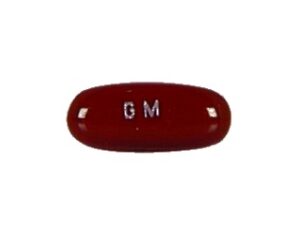
- How it is taken: Usually by mouth (tablet form)
- Availability in the UK: Hydroxychloroquine-containing products may be available through prescription services and pharmacy stock depending on local supply
2. How hydroxychloroquine works (mechanism of action)
Hydroxychloroquine helps treat disease by affecting several processes in the body, including immune activity and inflammation. While it is an antimalarial medicine, its benefit in autoimmune conditions largely comes from how it changes how immune cells respond.
Key actions include:
- Modifies immune signalling: It interferes with how certain immune pathways “turn on” and release inflammatory signals.
- Alters lysosomal function: Hydroxychloroquine accumulates in acidic compartments inside cells (lysosomes), which can reduce harmful immune activation.
- Reduces inflammatory mediators: It can lower levels of inflammatory chemicals involved in autoimmune disease activity.
In many autoimmune conditions (such as rheumatoid arthritis or lupus), hydroxychloroquine does not provide instant relief. Its effects build over time as the immune response settles.
3. Pharmacokinetics: how the body absorbs, distributes, and clears it
Pharmacokinetics describes what the body does to the medicine. Understanding this helps explain timing, persistence in the body, and why missing doses matters.
- Absorption: Hydroxychloroquine is absorbed after oral administration. Taking it with food can reduce stomach upset for many people.
- Distribution: It distributes widely into body tissues and is stored in certain compartments, including tissues such as the eyes and skin.
- Metabolism: It is partially metabolised in the liver.
- Elimination: It is cleared slowly. Hydroxychloroquine has a long “half-life,” meaning it remains in the body for weeks after stopping.
Because the medicine can persist for a long time, side effects—especially those affecting the eyes—must be monitored even with long-term use. If stopping is required, your clinician may still monitor you for a period afterward.
4. Typical uses in the UK
Hydroxychloroquine is used for:
- Autoimmune conditions such as:
- Systemic lupus erythematosus (SLE)
- Cutaneous lupus in selected forms
- Rheumatoid arthritis (particularly in specific situations or as part of management)
- Malaria prevention or treatment in accordance with local guidance and individual risk assessment
The exact indication depends on your condition, medical history, other medicines you take, and current UK guidance. Your pharmacist can check the product and instructions you have been given.
5. Timing: when to take hydroxychloroquine
Hydroxychloroquine is often taken or depending on the indication and your prescribed regimen. Many people take it at the same time each day to maintain steady exposure.
How to time your dose:
- Take it with a meal or after food if this suits you or if you get nausea.
- Try not to miss doses—consistency supports disease control.
- If you miss a dose, follow the advice provided with your medicine or ask your pharmacist what to do. (General advice often is not to double the next dose.)
Important: If you are taking hydroxychloroquine for malaria prevention, your dosing schedule and duration should match the travel destination and clinician advice. If you are using it for autoimmune disease, long-term regular use is usually expected for benefit.
6. Food interactions and taking with meals
Food does not usually “cancel” hydroxychloroquine’s effect, but it can improve how comfortable the medicine is to take. Many people find that taking it with food reduces stomach upset.
- Best practice: Take with meals or after food when possible.
- Consistency matters: Keep your routine similar day-to-day.
- Calcium/antacids: If you use antacids or other medicines that affect stomach pH, discuss timing with your pharmacist. While not always a strict problem, individual combinations can matter.
7. Alcohol interactions
Moderate alcohol may be acceptable for some people, but caution is sensible. Alcohol can:
- Increase stomach irritation or nausea in some users
- Worsen general side effects such as dizziness or fatigue
- Complicate liver health, especially if other liver-impacting conditions or medicines apply
If you have liver problems, a history of heavy alcohol use, or you experience side effects after drinking, ask your pharmacist or clinician for personalised advice. In general, keep alcohol moderate and avoid binge drinking.
8. Medicine interactions (including key safety considerations)
Hydroxychloroquine can interact with other medicines. Some interactions mainly affect side effects, while others can affect heart rhythm. Tell your healthcare professional about everything you take, including over-the-counter medicines and supplements.
8.1 Medicines that may increase heart rhythm risks
Hydroxychloroquine can, in some people, affect heart rhythm (QT interval). Combining with other drugs that also affect the QT interval can increase risk.
- Examples of medicines to mention: some antidepressants, antipsychotics, certain antibiotics (e.g., macrolides or fluoroquinolones), and some antiarrhythmics
- Also relevant: medicines that lower potassium or magnesium (for example some diuretics) may increase susceptibility
8.2 Medicines affecting blood sugar
- Hydroxychloroquine may affect glucose control in some people.
- If you have diabetes and take insulin or medicines that lower blood sugar, monitoring may be needed.
8.3 Medicines that can increase side effects
- Other immunomodulators: risk/benefit assessment is required for combined therapy.
- Other medicines affecting the eyes: inform your clinician if you take medicines known to affect retina health.
8.4 General advice
- Do not start or stop any medicine without checking with a pharmacist.
- If you develop palpitations, fainting, severe dizziness, or chest symptoms, seek urgent medical advice.
9. Indications: what hydroxychloroquine is used for
In the UK, hydroxychloroquine is most commonly used for:
| Condition / indication | What it helps with | Typical onset |
|---|---|---|
| Systemic lupus erythematosus (SLE) | Helps reduce flare frequency and inflammation; may improve skin/joint symptoms | May take weeks to months for best effect |
| Discoid or cutaneous lupus | Can help control skin manifestations in selected cases | Often gradual |
| Rheumatoid arthritis | Helps control disease activity, often used in particular treatment strategies | Gradual response |
| Malaria prevention or treatment | Prevents or treats malaria where appropriate | Prevention is timely before exposure; treatment schedule varies |
Your clinician will select the indication based on evidence, clinical assessment, and safety considerations—particularly heart and eye risks.
10. Dosing: general guidance and how doses are chosen
Hydroxychloroquine dosing varies based on the condition, your age, kidney and liver function, and body weight (especially in relation to eye safety). Only use the dose and schedule provided for you.
Common dosing principles (general):
- Adults: dose is often calculated using body weight and adjusted to minimise risk.
- Children: dosing is weight-based and must be specifically prescribed.
- Kidney impairment: may require dose adjustment because elimination may be slower.
- Long-term use: clinicians typically aim for the lowest effective dose, with ongoing monitoring.
Do not change your dose: Taking too much increases the risk of serious side effects. If you suspect you’ve taken an extra dose or someone else has taken your medicine by accident, seek urgent advice immediately.
11. Safety profile: important risks and who needs extra monitoring
Hydroxychloroquine is generally tolerated by many people when used correctly, but it has important safety considerations—most notably effects on the eyes. Heart rhythm effects can also occur, particularly with certain combinations or risk factors.
11.1 Eye (retina) risk
Hydroxychloroquine can, rarely, affect the retina. This risk increases with higher dose, longer duration, and certain patient factors.
What you should watch for:
- Changes in vision
- Difficulty reading
- Blurred vision or missing areas in your vision
- Seeing flashes or unusual visual disturbances
Monitoring in the UK: People on long-term hydroxychloroquine are typically offered scheduled eye checks (often including retinal screening). Follow the schedule recommended by your clinician and optician/ophthalmology team.
11.2 Heart rhythm and QT prolongation
Hydroxychloroquine may affect heart rhythm in some people. Risk is higher if you:
- Have known heart rhythm problems
- Have low potassium or magnesium
- Take other QT-prolonging medicines
- Have existing heart disease
Seek urgent medical advice if you have palpitations, fainting, severe dizziness, or chest pain.
11.3 Blood and liver effects (less common)
- Occasionally, hydroxychloroquine can affect blood cell counts.
- In rare cases, liver issues may occur.
Report symptoms such as unusual bruising, persistent sore throat/infections, severe fatigue, yellowing of eyes/skin, or dark urine.
11.4 Skin and stomach effects
- Nausea, indigestion, abdominal discomfort
- Headache or dizziness
- Skin rash in some cases (though hydroxychloroquine is also used for some skin conditions)
12. Practical use tips for patients
- Keep a daily routine: taking it at the same time each day helps adherence.
- Use food to reduce nausea: take with a meal if you get stomach upset.
- Do not stop suddenly: if you use it for autoimmune disease, stopping can increase the chance of flare.
- Attend monitoring appointments: especially eye screening and any heart checks that your clinician recommends.
- Keep track of side effects: if you notice changes in vision or persistent new symptoms, seek advice promptly.
- Medication list: carry an up-to-date list (or use a phone app) showing all medicines you take to help avoid harmful interactions.
If you miss a dose occasionally, it’s usually not an emergency, but frequent missed doses may reduce benefit and can affect disease control. For tailored guidance on missed doses, ask a pharmacist.
13. Alternative options (for discussion with your clinician)
Alternatives depend strongly on the condition being treated. For autoimmune diseases such as SLE, discoid lupus, or rheumatoid arthritis, clinicians may consider other disease-modifying therapies. For malaria prevention or treatment, alternatives depend on local resistance patterns and individual risk.
13.1 Autoimmune disease alternatives (examples)
- Other immunomodulators (selected based on disease severity and patient factors)
- Non-steroidal anti-inflammatory drugs (NSAIDs) for symptom relief (not disease-modifying)
- Corticosteroids for acute control in certain situations (short-term or bridging strategies)
- Biologic or targeted therapies in selected cases
13.2 Malaria alternatives (examples)
- Other antimalarial medicines may be recommended depending on destination and resistance
Do not switch medicines yourself. Alternatives may differ in safety profile, monitoring needs, and effectiveness.
14. UK market and legal context (overview)
In the UK, hydroxychloroquine is regulated under medicines legislation and supplied through authorised channels. Availability, prescribing policies, and monitoring requirements may change based on updated evidence and guidance from professional bodies.
Healthcare professionals use hydroxychloroquine within licensed indications and/or established treatment pathways as appropriate. The UK’s Medicines and Healthcare products Regulatory Agency (MHRA) and other bodies provide information and safety communications when relevant.
Recent and ongoing guidance: Clinicians are expected to follow up-to-date advice on safety monitoring, particularly regarding eye screening and risk minimisation. If new safety communications are issued, your healthcare professional and pharmacist will update advice accordingly.
15. Delivery and availability in the United Kingdom
Availability depends on the specific strength, pack size, and supply situation in the UK. Where hydroxychloroquine products are available, reputable online pharmacies typically handle:
- Stock checks before dispatch
- Secure packaging to protect tablets from damage
- Standard and tracked delivery options (timings vary by provider and location)
- Customer support for delivery queries and order amendments
If a product is temporarily unavailable, the pharmacy may offer an alternative pack or notify you of an expected restock date—depending on regulatory and stock rules.
16. FAQ
Is hydroxychloroquine safe for long-term use?
Many people take hydroxychloroquine long-term under medical supervision. The main long-term safety concern is eye (retina) risk. Regular eye screening and using the lowest effective dose help reduce risk.
How long does it take to work?
For autoimmune conditions, noticeable improvement can take weeks to months. Hydroxychloroquine is often used as a steady background treatment to reduce flare frequency and inflammation.
Can I take it with food?
Yes. Taking hydroxychloroquine with meals is commonly recommended to reduce stomach upset and improve tolerance. Try to take it consistently each day.
What should I do if I miss a dose?
Follow the instructions provided with your medicine or ask your pharmacist. In many cases, you should not take a double dose to make up for a missed one.
What side effects should make me contact a clinician urgently?
Seek prompt medical advice if you experience:
- New or worsening vision problems
- Palpitations, fainting, severe dizziness, or chest pain
- Severe allergic symptoms (e.g., swelling of face/lips, breathing difficulty)
- Signs of significant illness such as persistent fever, unusual bruising, or jaundice
Can I drink alcohol while taking hydroxychloroquine?
Moderate alcohol may be acceptable for some people, but caution is sensible due to potential stomach and dizziness effects and overall health factors. If you notice side effects after drinking, reduce or avoid alcohol and ask for advice.
Does hydroxychloroquine interact with other medicines?
Yes. Some medicines can increase the risk of heart rhythm problems or other side effects. Tell your healthcare professional about all medicines and supplements you use so interactions can be checked.
Do I need eye tests while taking it?
If you use hydroxychloroquine long-term, eye monitoring is strongly recommended by clinicians in line with current UK safety practices. Attend all scheduled screenings even if you feel well.
Are there alternatives if I can’t tolerate hydroxychloroquine?
Yes, alternatives exist depending on your condition (autoimmune disease or malaria). Your clinician will consider options based on effectiveness, safety, and monitoring requirements.
17. Summary
Hydroxychloroquine is an immunomodulatory medicine used in the UK for selected autoimmune conditions and for malaria in appropriate circumstances. It works by influencing immune and inflammatory pathways and is absorbed and stored in tissues, with slow elimination. While many people tolerate it well, important safety monitoring—especially eye screening and awareness of potential heart rhythm effects—helps ensure safe use.
For personalised advice on dosing timing, missed doses, interactions, or which monitoring schedule applies to you, speak to your pharmacist or healthcare professional.