

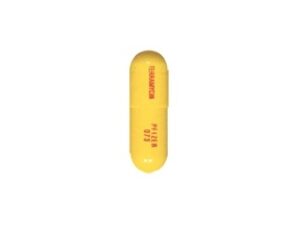
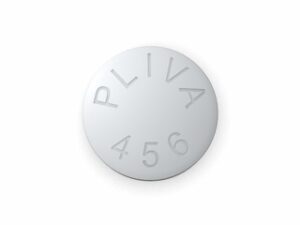
Sinemet CR (Carbidopa / Levodopa) – Patient Guide (United Kingdom)
Sinemet CR is a medicine used to treat symptoms of Parkinson’s disease. It contains two active ingredients: levodopa (also called L-dopa) and carbidopa. Levodopa is converted in the brain to dopamine, while carbidopa helps levodopa work more effectively and reduces certain side effects. The “CR” in the name stands for controlled release, meaning the medicine releases over time.
This page explains how Sinemet CR works, how it’s typically used, important safety information, food and alcohol considerations, and practical tips for everyday use in the UK.
Key Product Information
- Medicine name: Sinemet CR
- Active ingredients: Carbidopa / Levodopa
- Formulation: Controlled-release tablets
- What it’s used for: Treatment of Parkinson’s disease and related conditions (as determined by a clinician)
- Common aims: Improve movement symptoms such as slowness, stiffness and tremor
Brand availability and strengths may vary. In the UK, medicines may be supplied in different tablet strengths depending on your regimen.
How Sinemet CR Works (Mechanism of Action)
In Parkinson’s disease, the brain has reduced levels of dopamine, a chemical messenger involved in movement control. Levodopa is a “precursor” to dopamine. Once it reaches the brain, it can be converted into dopamine, helping to restore movement signalling.
However, levodopa can also be broken down in the body before it reaches the brain. That’s where carbidopa helps. Carbidopa is a decarboxylase inhibitor that blocks the breakdown of levodopa in the bloodstream and gut. This typically means:
- More levodopa reaches the brain
- Less peripheral conversion of levodopa, reducing nausea and other side effects
- More stable symptom control, especially with controlled-release tablets
Pharmacokinetics: How the Body Handles It
“Pharmacokinetics” describes what happens to the medicine after you take it—absorption, distribution, metabolism and elimination. With controlled-release products like Sinemet CR, the goal is to release medication gradually.
- Absorption: Levodopa is absorbed in the gastrointestinal tract. Carbidopa also helps improve levodopa availability.
- Controlled release: The tablet formulation is designed to release levodopa over a longer period than immediate-release forms.
- Metabolism: Levodopa is metabolised in the body (including by enzymes such as decarboxylase and catechol-O-methyltransferase).
- Excretion: Metabolites are eliminated mainly through the kidneys.
Individual responses vary. Factors such as age, diet, gastric emptying, other medicines and Parkinson’s progression can all influence effect.
What Sinemet CR Is Typically Used For
Sinemet CR is used to treat symptoms associated with Parkinson’s disease, particularly when dopaminergic treatment is needed. It may be used to reduce:
- Bradykinesia (slowness of movement)
- Rigidity (stiffness)
- Tremor
- Postural instability in some patients (depending on overall treatment plan)
The exact suitability and regimen depend on your symptoms, response to levodopa, and any comorbidities.
Indications and Treatment Goals
In clinical practice in the UK, levodopa/carbidopa products are commonly prescribed for Parkinson’s symptoms. Treatment goals often include:
- Improving mobility and daily function
- Reducing “off” periods (when symptoms return between doses)
- Balancing symptom control with side effects
Your healthcare team may adjust the dose and timing gradually to find the most effective regimen for you.
Dosing: General Guidance for Adults
The correct dose of Sinemet CR is individualised. Controlled-release products may differ from immediate-release formulations. Always follow the dosing schedule agreed for you.
Important: Do not change your dose without medical advice, as both effectiveness and side effects may change.
Typical timing approach
- Many people take controlled-release levodopa doses several times daily, spaced through waking hours.
- The pattern is designed to provide steadier symptom control.
How to take the tablets
- Swallow whole with water (unless your specific tablet can be split/managed as directed).
- Do not crush or chew controlled-release tablets, as this can destroy the controlled-release feature.
If you miss a dose
- Take it when you remember if it is close to the next scheduled time.
- If it’s nearly time for the next dose, skip the missed one.
- Do not take a double dose to make up for a missed tablet.
When Does Sinemet CR Start Working?
Response varies, but many people notice improvement in movement symptoms within hours of starting or adjusting a regimen. Because Sinemet CR is controlled release, effects may build more gradually than with immediate-release products.
It can also take time to fine-tune dose and schedule to minimise “wearing off” and side effects. If you experience significant fluctuations, discuss adjustments with your clinician.
Food Interactions (Timing and Diet)
Protein can affect levodopa absorption. When you eat meals rich in protein (meat, fish, dairy, eggs, beans and nuts), competition can occur between amino acids and levodopa for transport in the gut and across the intestinal barrier. This may reduce how well levodopa works for some people—particularly during later stages or when symptoms fluctuate.
Practical tips for meal timing
- Consider whether your symptoms worsen after high-protein meals.
- Your healthcare team may recommend spacing doses away from large protein meals (personalised advice).
- Do not make major dietary changes without guidance, especially if you are underweight or have dietary restrictions.
General advice: Keep your meals and dose routine as consistent as possible from day to day. If you suspect a food-related pattern, record what you eat and how your symptoms behave to help identify triggers.
Alcohol Interactions
Alcohol may worsen side effects such as dizziness, sleepiness and impaired coordination, which can increase fall risk. It may also affect Parkinson’s symptom control indirectly.
- Avoid or limit alcohol if you notice increased light-headedness or drowsiness after doses.
- Be especially cautious if you have a history of fainting or falls.
Important Medicine Interactions
Tell your pharmacist or clinician about all medicines and supplements you take. Some interactions may require monitoring or changes to timing. Below are common interaction considerations with levodopa/carbidopa therapy.
Medicines that may increase side effects
- Antihypertensives (blood pressure-lowering medicines): may increase risk of low blood pressure (light-headedness on standing).
- Other medicines affecting the brain (sedatives, sleeping tablets, some antidepressants): can increase drowsiness or confusion in some people.
Medicines that may affect dopamine breakdown
- MAO inhibitors (for depression): certain types can interact with levodopa therapy. Your prescriber will need to consider safety carefully.
- COMT inhibitors used in Parkinson’s: may be combined in some regimens under supervision.
Medicines for nausea or psychosis (dopamine antagonists)
- Some medicines that block dopamine receptors (for example, certain anti-nausea or antipsychotic medicines) can reduce levodopa effectiveness.
Iron supplements
- Iron can bind with levodopa in the gut. If you take iron, ask your pharmacist about spacing and alternatives.
This is not an exhaustive list. Your pharmacist can check interactions based on your exact product strength and your current medicines.
Safety Profile: Common and Serious Side Effects
Like all medicines, Sinemet CR can cause side effects. Many people experience mild effects early in treatment that improve as the dose is adjusted, but some effects require prompt attention.
Common side effects
- Nausea or indigestion
- Dizziness, light-headedness
- Dry mouth
- Loss of appetite
- Headache
- Abnormal involuntary movements (dyskinesia) particularly after dose increases or long-term use
Less common but important effects
- Low blood pressure when standing (orthostatic hypotension)
- Hallucinations or confusion (more likely in older adults or with certain other medicines)
- Sleepiness or sudden onset of sleep
- Mood changes including agitation or anxiety
- Impulse-control problems (such as compulsive gambling, eating or shopping)
Seek urgent medical help if you experience
- Severe allergic reaction (e.g., swelling of face/lips, severe rash, breathing difficulty)
- Chest pain, severe shortness of breath
- Severe or rapidly worsening confusion
- High fever, muscle stiffness and rapid heartbeat (possible severe reaction—urgent assessment needed)
If you experience troubling side effects, do not stop suddenly without advice—your clinician may need to adjust the regimen gradually.
Practical Tips for Using Sinemet CR
- Keep a consistent schedule: take doses at similar times each day to maintain steadier symptom control.
- Track your symptoms: note “on” and “off” periods, dyskinesia, and when side effects occur.
- Watch for low blood pressure: stand up slowly. If you feel faint, sit or lie down and seek advice.
- Be cautious driving: if you feel sleepy or dizzy, avoid driving and seek guidance.
- Report hallucinations or impulse urges: early discussion can help prevent complications and improve quality of life.
- Manage nausea: carbidopa often reduces nausea, but some people still need supportive strategies (discuss options).
- Hydration and bowel habits: constipation is common in Parkinson’s. Staying hydrated and using appropriate constipation care may help comfort and medication tolerance.
Alternative Options (Depending on Your Needs)
Parkinson’s treatment can include several medication groups. Alternatives or additions may be considered by your clinician based on symptoms and response. Examples include:
- Immediate-release levodopa/carbidopa or other levodopa formulations
- Other dopamine agonists (may be used in selected patients)
- MAO-B inhibitors (used to support dopamine levels)
- COMT inhibitors (to reduce levodopa breakdown in some regimens)
- Amantadine for selected symptoms (e.g., dyskinesia in some cases)
- Non-drug approaches such as physiotherapy, occupational therapy, exercise programmes and speech therapy
Switching between formulations (controlled-release vs immediate-release) can change how you feel and when symptoms improve. Any changes should be done carefully under clinician guidance.
United Kingdom Market and Legal/Regulatory Context
In the UK, medicines containing levodopa/carbidopa are regulated and dispensed according to UK medicines legislation and prescribing systems. Availability can vary by strength and formulation (including controlled-release types).
Common considerations include:
- Supply and packaging: your local pharmacy may supply a specific strength and packaging format.
- Medicine reviews: treatment may be reviewed periodically to optimise benefit and minimise side effects.
- Safety monitoring: people taking levodopa/carbidopa often receive ongoing monitoring for symptom control and adverse effects.
If there are changes to supply due to manufacturing or distribution, pharmacies may suggest appropriate alternatives or temporary adjustments. Always ask your pharmacist for the best option for your situation.
Recent Guidance and What to Watch For
Guidance for Parkinson’s treatment continues to evolve, particularly around:
- Managing motor fluctuations (“on/off” periods)
- Recognising and managing levodopa-associated dyskinesia
- Addressing non-motor symptoms such as hallucinations, sleep problems and constipation
- Monitoring for impulse-control disorders and sudden sleepiness
UK healthcare teams may also emphasise safe use—such as reviewing blood pressure, falls risk, and driving/operating machinery safety. If your symptoms change, contact your clinician or pharmacist to discuss optimisation.
Delivery and Availability (Online Pharmacy Information)
Availability of Sinemet CR can depend on stock levels and the specific tablet strength you need. Many online pharmacies in the UK provide:
- Home delivery options where allowed by regulation and local service availability
- Packaging designed to protect tablets during transport
- Customer support to confirm strength, dosage form and administration tips
Delivery times vary by pharmacy and location. It’s a good idea to order with enough time so you don’t run out, especially if your dosing schedule is time-critical.
Frequently Asked Questions (FAQ)
1) What is the difference between Sinemet CR and immediate-release levodopa?
Sinemet CR is controlled release, designed to provide a steadier effect over time. Immediate-release formulations may work faster but can also wear off sooner in some people. The best choice depends on symptom patterns and side effects.
2) Can I take Sinemet CR with food?
Many people take it with or without food, depending on comfort and routine. However, high-protein meals may reduce levodopa effectiveness. If you notice symptoms change after meals, ask your clinician or pharmacist about adjusting meal timing.
3) How long does it take to see improvement?
Some improvement may be noticed within hours, but dose changes can take longer to fully optimise. Controlled-release formulations may produce a more gradual onset of effect.
4) What should I do if I feel dizzy after taking my tablets?
Dizziness can be related to blood pressure changes. Stand up slowly, sit or lie down if needed, and seek medical advice—especially if the dizziness is frequent or severe.
5) Can Sinemet CR cause hallucinations?
Yes, hallucinations can occur, particularly in older adults or in combination with other medicines. If hallucinations or significant confusion occur, seek prompt advice from a healthcare professional.
6) Is it safe to drink alcohol while taking Sinemet CR?
Alcohol may increase dizziness, sleepiness and fall risk. It’s best to avoid or limit alcohol and be cautious. If you notice worsening side effects, discuss with your pharmacist or clinician.
7) What medications should I avoid?
Some medicines can interact with levodopa—particularly those that affect dopamine pathways, blood pressure, or cause sedation. Always share your full medicine list (including supplements) with your pharmacist for a tailored interaction check.
8) Will Sinemet CR help all Parkinson’s symptoms?
It generally helps motor symptoms like slowness, stiffness and tremor. Non-motor symptoms (such as mood changes, sleep problems, constipation and hallucinations) may require separate treatment or support.
9) Can I stop Sinemet CR suddenly?
Do not stop suddenly without medical advice. Sudden changes may worsen symptoms or cause complications. If you need to stop for any reason, your clinician should advise a safer plan.
Summary: Important Points to Remember
- Sinemet CR (carbidopa/levodopa) helps replace dopamine in the brain and improve Parkinson’s movement symptoms.
- Because it is controlled release, dosing is designed for steadier symptom control over the day.
- Protein-rich meals can reduce levodopa effectiveness for some people—consider consistent meal routines and discuss timing strategies.
- Alcohol and certain medicines can increase dizziness, sleepiness or alter symptom control.
- Monitor for side effects such as low blood pressure, hallucinations, dyskinesia and sudden sleepiness, and seek advice promptly if they occur.
Always read the patient information leaflet supplied with your tablets and follow the instructions given by your healthcare professional.
| Category | What you should know |
|---|---|
| Medicine type | Carbidopa/Levodopa controlled-release tablets |
| Use | Parkinson’s symptoms (motor control) |
| How it works | Levodopa becomes dopamine in the brain; carbidopa improves delivery and reduces breakdown |
| Food interaction | High-protein meals may reduce levodopa effectiveness for some people |
| Alcohol | May worsen dizziness/sleepiness; limit or avoid |
| Safety watch-outs | Low blood pressure, hallucinations, dyskinesia, impulse-control issues, sleepiness |