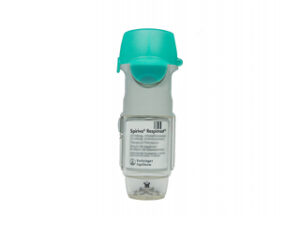


Dramamine (Dimenhydrinate) – Patient-Friendly Guide (UK)
Dramamine is a well-known medicine containing dimenhydrinate. It is used to help prevent and treat symptoms caused by motion, such as dizziness and nausea. This guide is designed to be easy to understand and to help you use Dramamine safely. Always read the patient information leaflet supplied with your product and follow the instructions on the pack.
Basic product information
- Active ingredient: Dimenhydrinate
- Type of medicine: Antihistamine (used for motion sickness)
- Common uses: Motion sickness prevention and treatment
- Brand: Dramamine (many products may also be available under different names containing dimenhydrinate)
- Available in the UK: Usually available as tablets/capsules and sometimes as chewable or similar formulations, depending on supplier/brand
In the UK, products containing dimenhydrinate are typically available without prescription (as an over-the-counter medicine), but availability can vary by retailer and formulation.
How Dramamine works (mechanism of action)
Dimenhydrinate is an antihistamine. It helps to reduce the signals in the brain that trigger nausea and dizziness during motion. Motion sickness is related to mismatched signals between the inner ear (balance system) and other sensory inputs.
- Blocks histamine (H1) receptors: This can lessen nausea and “queasiness” associated with motion.
- Reduces activity in the brain centres involved in vomiting: Helping to prevent emetic (vomiting) reflexes.
- May have an anti-cholinergic effect: Which can further reduce symptoms in some people, but may also cause side effects such as dry mouth or drowsiness.
Because it works on the systems involved in nausea and balance, taking it before travel is often more effective than taking it after symptoms start.
Pharmacokinetics (what happens in the body)
“Pharmacokinetics” describes how the body absorbs, distributes, metabolises, and eliminates dimenhydrinate. Exact values can vary between individuals and formulations, but the general patterns are as follows:
- Absorption: Dimenhydrinate is absorbed from the gastrointestinal tract after oral dosing.
- Onset of action: Many people begin to feel the effect within about 30–60 minutes, which is why early dosing before travel is recommended.
- Duration: Effects often last several hours, but may vary depending on dose, body weight, and travel conditions.
- Metabolism: It is metabolised in the body (primarily in the liver).
- Elimination: Metabolites and some unchanged drug are excreted mainly via the kidneys (urine).
If you have liver or kidney problems, or you take other medicines that affect the central nervous system, you should discuss suitability with a pharmacist.
Typical uses in the UK
Dramamine (dimenhydrinate) is commonly used to:
- Prevent motion sickness (for example, on boats, trains, cars, or during flights)
- Treat motion sickness symptoms such as nausea, vomiting, and dizziness
It can also sometimes be used to help with nausea from other causes, but its primary recognised use is motion-related dizziness and nausea. If you are unsure whether it is suitable for your situation, ask a pharmacist.
Indications (when it is used)
For motion sickness, Dramamine is used to relieve or prevent symptoms such as:
- Feeling sick (nausea)
- Vomiting
- Dizziness / light-headedness
- Unpleasant “rolling” or imbalance sensations during travel
Consider using it before travel if you know you are prone to motion sickness. If you have already started feeling symptoms, it may still help, but it is generally less effective than preventive dosing.
Dosing (how to take Dramamine)
Dosing depends on the strength of the product and the age of the patient. Always follow the dose on your specific pack or the patient leaflet.
| Age group | Typical dosing guidance (read your pack) | Timing notes |
|---|---|---|
| Adults (and older adolescents) | Commonly 50 mg as a single dose (varies by product strength) | Take about 30–60 minutes before travel; repeat only as directed on the pack |
| Children | Dose depends strongly on age and product formulation | Follow the exact dosing schedule in the leaflet; do not guess based on adult dosing |
| Elderly | May require cautious use due to higher sensitivity to side effects | Consider starting at the lowest effective dose if your pharmacist advises it |
Important: Do not exceed the maximum daily dose stated on your product packaging. If symptoms persist or worsen despite using the medicine as directed, seek advice from a pharmacist or healthcare professional.
Timing: when to take it for best effect
For motion sickness prevention, timing matters. In general:
- Best timing: Take your dose about 30–60 minutes before you start travelling.
- If travelling for a long period: You may need additional doses. Follow the pack instructions for how often you can take it.
- If you already feel unwell: Take it as directed, but the benefit may be smaller than when taken beforehand.
If you forget a dose before departure, it may still be worth taking once you are ready to travel—check the leaflet for guidance on delayed dosing and dosing intervals.
Food interactions and effects
Dimenhydrinate can be taken with or without food. However, eating habits may influence how quickly you feel the effect:
- With food: Food may slightly slow absorption for some people, which can delay symptom relief.
- On an empty stomach: Some people may feel effects sooner, but this can also increase the chance of stomach discomfort.
- Gastrointestinal upset: If you are prone to nausea, small bland snacks and good hydration may help you tolerate the dose.
If you experience stomach irritation, try taking it with a light meal or snack (within the limits of the leaflet advice).
Alcohol and other medicine interactions
Alcohol
Do not mix Dramamine with alcohol unless a pharmacist has advised it. Dimenhydrinate can cause drowsiness, and alcohol can significantly increase sedation and impair coordination.
- Drowsiness and delayed reaction times
- Increased dizziness and risk of falls
- Greater impairment when driving or operating machinery
Other medicines that can increase drowsiness
Dimenhydrinate may add to the effects of other medicines that depress the central nervous system. Examples can include:
- Sleeping tablets
- Strong pain medicines (for example, opioids)
- Some anxiety medicines
- Other sedating antihistamines (for example, some allergy cold-and-flu products)
- Some antidepressants or antipsychotics (depending on the medicine)
Anticholinergic medicines
Because dimenhydrinate may have anticholinergic properties, taking it alongside other medicines with similar effects may increase side effects such as:
- Dry mouth
- Constipation
- Blurred vision
- Difficulty passing urine
- Confusion (especially in older adults)
Glaucoma and urinary retention considerations
If you have narrow-angle glaucoma or difficulty passing urine (such as due to an enlarged prostate), ask a pharmacist before using dimenhydrinate. Antihistamines can sometimes make these conditions worse.
Medication safety checklist
Before taking Dramamine, check your medicines and ask a pharmacist if you use:
- Other allergy medicines
- Sleep aids or sedatives
- Medicines for nausea or vomiting
- Medicines for Parkinson’s disease
- Medicines that affect the balance system
If you are unsure, bring the medicine boxes/blister packs to a pharmacist and ask whether they can be taken together safely.
Safety profile: side effects and who should take care
Like all medicines, Dramamine can cause side effects. Not everyone gets them. Many side effects are related to antihistamine effects and can include drowsiness.
Common side effects
- Drowsiness or feeling sleepy
- Dry mouth
- Blurred vision
- Constipation
- Headache
- Feeling less alert
Less common but important side effects
- Confusion (more likely in older adults)
- Urinary retention (trouble passing urine)
- Allergic reactions (swelling of the face/lips, rash, difficulty breathing)
Seek urgent help if
- You develop signs of a serious allergic reaction
- You experience severe agitation, confusion, or fainting
- You have difficulty breathing
When extra caution is needed
Talk to a pharmacist before using dimenhydrinate if you:
- Are aged 65 years or older
- Have glaucoma
- Have prostate enlargement or difficulty urinating
- Have severe liver problems
- Have other medical conditions requiring multiple medicines
- Have had an allergic reaction to antihistamines
Driving and using machines
Dramamine may cause drowsiness and blurred vision. In the UK, the general safety advice is: do not drive or operate machinery if you feel sleepy, dizzy, or your vision is affected.
Practical use tips for safe, effective motion sickness control
- Plan ahead: Take Dramamine before you travel rather than after symptoms start.
- Choose a position that helps: If you’re in a car or coach, sit where motion is least—often near the front. On boats, sitting mid-ship may help reduce rolling.
- Keep your head steady: Sudden head movements can worsen symptoms.
- Stay hydrated: Small sips of water can help, especially on hot days.
- Avoid heavy meals before travel: Big, greasy meals may increase nausea in some people.
- Consider travel comfort: Fresh air, ventilation, and minimising screen use can reduce nausea triggers.
- Allow for drowsiness: Because it can make you sleepy, avoid drinking alcohol and avoid tasks that require full alertness.
Alternative options for motion sickness (in the UK)
Depending on your preference, age, and medical history, you may consider other approaches. Alternatives include:
-
Non-medicine options:
- Ginger (for some people, may help with nausea)
- Acupressure wristbands
- Behaviour strategies (viewing the horizon, reducing screen time, fresh air)
-
Other motion sickness medicines:
- Meclozine (another antihistamine used for motion sickness in some regions)
- Dimenhydrinate alternatives (same active ingredient under different brands/forms)
-
Prescription-only medicines:
Some stronger options exist, but suitability depends on your medical history and travel situation. Ask a pharmacist about safe options available in the UK.
If you have previously tried dimenhydrinate and found it too sedating, ask a pharmacist whether a different option may suit you better.
Market and legal context in the United Kingdom
In the UK, medicines are regulated through the Medicines and Healthcare products Regulatory Agency (MHRA) and are placed into categories such as: GSL (General Sales List), P (pharmacy only), or POM (prescription-only medicine). Dimenhydrinate-containing motion sickness products are commonly sold without prescription in many settings, though exact classification can vary by product form/strength and retailer.
If you buy Dramamine online, ensure the product description matches what you need (e.g., correct strength and formulation), and check that it is from a reputable UK supplier.
Consumer safety: The NHS advises that you should follow package instructions and seek professional advice if you have persistent symptoms, are using multiple medicines, or have conditions that increase risk from antihistamines.
Recent guidance and practical safety reminders
While guidance can be updated over time, common UK safety reminders for antihistamines used for motion sickness include:
- Use only as directed: Do not take more than the recommended dose.
- Avoid alcohol: Due to increased drowsiness and impaired coordination.
- Check “double dosing”: Some cold and flu products contain antihistamines—avoid taking multiple products with overlapping ingredients.
- Be cautious in older adults and children: Side effects such as confusion or severe sedation may occur.
- Ask if unsure: Pharmacists can help ensure the medicine is suitable for your age and health conditions.
Always rely on the leaflet supplied with your exact product for the most accurate advice.
Delivery and availability in the UK
Online availability can vary by brand, pack size, and retailer. Many dimenhydrinate motion sickness products are regularly stocked for UK delivery. Delivery times depend on the retailer and your location, and some suppliers offer standard and express options.
- Check stock: Confirm your chosen product strength and formulation are in stock.
- Delivery address: Ensure the delivery address allows safe receipt.
- Packaging: Medicines should arrive in intact packaging with clear labelling.
- Storage: Store in a cool, dry place away from direct sunlight, and keep out of reach of children (follow the pack instructions).
If you need it for a specific trip date, order with enough time for processing and delivery, especially during busy travel periods.
FAQ – Frequently asked questions
1) How long before travel should I take Dramamine?
For best prevention, take it about 30–60 minutes before you start travelling. Follow your pack’s dosing instructions, including how often you can take repeat doses.
2) Will Dramamine stop nausea immediately?
It may not act instantly. Many people feel effects within about an hour, but this varies. If you feel unwell despite taking it, follow the leaflet and consider asking a pharmacist for advice.
3) Can I take Dramamine with food?
Yes, it can usually be taken with or without food. However, a heavy meal may worsen nausea for some people, and food may slightly delay absorption in others. If you feel sick after taking it on an empty stomach, try taking it with a light snack (within leaflet guidance).
4) Is it safe to drink alcohol while taking Dramamine?
It is generally not recommended. Dramamine can cause drowsiness, and alcohol can greatly increase sedation and impairment.
5) Can I drive after taking Dramamine?
Do not drive if you feel sleepy, dizzy, or your vision is blurred. Many people experience drowsiness with antihistamines, so allow extra time and assess how you feel.
6) What side effects are most common?
Common side effects include drowsiness, dry mouth, constipation, and sometimes blurred vision.
7) Who should avoid or seek advice before using dimenhydrinate?
Seek advice from a pharmacist if you have glaucoma, difficulty urinating, are aged 65+, have significant liver problems, or take other medicines that cause drowsiness or contain antihistamines.
8) Can I take Dramamine together with other allergy or cold medicines?
Be careful. Many cold and allergy products contain antihistamines. Taking multiple antihistamine products can increase the risk of side effects such as excessive drowsiness and dry mouth. Check ingredient lists and ask a pharmacist if unsure.
9) What should I do if I miss a dose?
If you miss a preventive dose before travel, take it according to the leaflet guidance and do not exceed the maximum daily dose. If you are already travelling, follow the dosing schedule on your product.
10) When should I seek medical advice?
Seek advice if your symptoms persist, are severe, or you have trouble keeping fluids down. Also seek advice if you develop unusual or concerning side effects, or if you think you have taken too much.
Key takeaways
- Dramamine (dimenhydrinate) helps prevent and treat symptoms of motion sickness.
- Take it 30–60 minutes before travel for best results.
- Expect possible drowsiness; avoid alcohol and don’t drive if affected.
- Check for overlapping antihistamines in other cold/allergy medicines.
- Follow the dose on your pack and do not exceed the maximum daily amount.
Always read the leaflet for your specific product strength and instructions. If you have questions about suitability or interactions with your medicines, a pharmacist can help you choose the safest option for your needs.