
Flavoxate Hydrochloride (Flavoxate Hcl) – Patient Information (UK)
Flavoxate Hcl is a medicine used to help relieve symptoms related to an overactive bladder and certain bladder spasms. It may reduce discomfort such as urgency (the sudden need to urinate) and frequency (needing to pass urine often).
This page explains how flavoxate works, how it is used, typical timing, interactions (including with food and alcohol), and practical tips to help you get the best from your treatment. It also covers safety information and common questions.
Quick facts
- Medicine name: Flavoxate Hydrochloride (Flavoxate Hcl)
- What it’s used for: Relief of symptoms of bladder irritation/spasm, often urinary urgency and frequency
- How it may work: Helps calm the bladder by reducing smooth muscle spasm
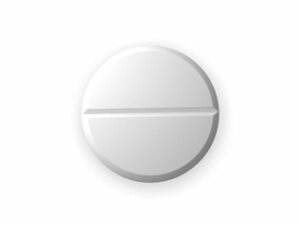
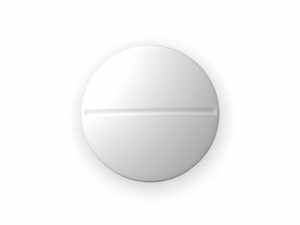
- Common form: Tablets/capsules (availability can vary)
- Important note: Flavoxate Hcl is for bladder symptoms. It is not an antibiotic and does not treat bacterial infections directly.
Basic product information
Flavoxate Hcl (sometimes written as flavoxate HCl) is an antispasmodic medicine for urinary tract symptoms. Depending on the specific product strength and formulation, dosing schedules can vary, so always follow the instructions on your pack or label.
| Category | Details |
|---|---|
| Medicinal ingredient | Flavoxate hydrochloride |
| Uses | Helps relieve bladder spasm and symptoms such as urgency/frequency |
| How it works | Antispasmodic action on the bladder (smooth muscle relaxation) |
| Typical side effects | Nausea, dizziness, headache; occasionally dry mouth or stomach upset |
| Availability in the UK | May be supplied as OTC or from pharmacy stock depending on current classification |
How Flavoxate Hcl works (mechanism of action)
The bladder wall contains smooth muscle. When this muscle becomes irritated or spasms, you may experience symptoms like sudden urgency, frequent urination, or discomfort.
Flavoxate Hcl works as an antispasmodic. It helps reduce inappropriate bladder contractions and can promote bladder relaxation, helping to ease the sensation of urgency and frequency.
For clarity, flavoxate does not “cure” an infection if you have one. If symptoms are caused by bacterial cystitis, you will need appropriate medical assessment and treatment.
Pharmacokinetics (how the body processes it)
Pharmacokinetics describe how a medicine is absorbed, distributed, metabolised, and eliminated. The exact profile can vary with formulation, dose, and individual factors.
- Absorption: Flavoxate is absorbed after oral administration.
- Metabolism: It is metabolised mainly in the liver.
- Elimination: Metabolites are eliminated primarily through the urine.
- Onset: Many people notice symptom relief within the first day or two, but a full effect may take several days depending on the cause of symptoms.
If your symptoms do not improve, worsen, or return quickly after stopping, you should seek advice from a healthcare professional to confirm the cause.
What it is typically used for (indications)
Flavoxate Hcl is commonly used for symptoms associated with bladder spasm/irritation, such as:
- Urinary urgency (a sudden, hard-to-delay need to urinate)
- Urinary frequency (needing to pass urine more often than usual)
- Bladder discomfort linked with spasm or irritative symptoms
- Overactive bladder–type symptoms where spasm/irritation contributes
Not suitable for treating certain conditions on its own, for example:
- Urinary tract infection (UTI): Flavoxate does not act as an antibiotic.
- Severe pain with fever: May indicate a more serious infection or other condition.
- Blood in urine: Requires prompt medical review.
Dosing and timing
Dosing depends on the specific product strength and your individual symptom pattern. Always follow the label instructions. If you are unsure, speak to a pharmacist.
Typical adult dosing (general guidance)
Many flavoxate Hcl products are taken two or three times daily to help maintain symptom control. Because formulations differ, use your pack’s directions as the primary reference.
- How to take: Swallow the tablet/capsule with water.
- Timing: Try to take doses at even intervals during waking hours.
- Missed dose: Take it when you remember unless it is close to the next dose. Do not take a double dose.
- Duration: If symptoms are not improving within a few days, or if you are unsure why you have symptoms, get advice rather than continuing indefinitely.
Children and special populations
Use in children should only be done if the product is authorised for that age group and dosing is provided. For children, elderly people, or those with kidney or liver conditions, it is especially important to follow clinician or pharmacist advice.
How to take it in relation to meals (food interactions)
Flavoxate Hcl can usually be taken with or without food. However, individual products may differ. If your stomach is sensitive, taking with food may reduce stomach upset.
Practical tips:
- If you experience nausea or indigestion, try taking it after a meal.
- Avoid taking it with large amounts of alcohol (see alcohol section below).
- Stay hydrated, unless your clinician has advised fluid restriction.
Alcohol interactions
It is best to limit alcohol while using flavoxate Hcl. Alcohol can:
- Worsen bladder irritation and worsen urgency/frequency in some people.
- Increase the likelihood of side effects such as dizziness or light-headedness.
If you plan to drink, consider keeping to small amounts and observe how your bladder symptoms and overall wellbeing respond. If you feel dizzy or unwell, avoid further alcohol and seek advice.
Medicine interactions (important examples)
Interactions depend on the medicines you take and your medical history. Always inform a healthcare professional or pharmacist about all medicines, including over-the-counter products and herbal remedies.
Common interaction considerations
- Medicines that affect the nervous system: If you take sedating medicines, adding any dizziness-related side effects may be more noticeable.
- Other bladder medications: If you also use medicines for overactive bladder, the combined effect on symptoms and side effects may vary.
- Anticholinergic-type medicines: Some urinary medicines can have anticholinergic effects (dry mouth, constipation, blurred vision). Although flavoxate’s exact profile differs, combining may increase discomfort in some people.
- Antimuscarinic agents and similar treatments: If used together, monitoring for side effects is important.
Always check the specific product leaflet for detailed interaction information and contraindications.
Safety profile: side effects and when to seek help
Most people tolerate flavoxate Hcl well. However, like all medicines it can cause side effects. Side effects can be influenced by dose, duration, and individual sensitivity.
Common or possible side effects
- Nausea or stomach upset
- Dizziness or light-headedness
- Headache
- Dry mouth (in some people)
- Gastrointestinal discomfort
Serious side effects (seek urgent medical help)
Stop taking the medicine and seek urgent medical advice if you experience:
- Allergic reaction such as swelling of the face/lips, difficulty breathing, or widespread rash
- Severe or persistent dizziness, fainting, or severe weakness
- Blood in urine, severe pain, or fever/chills
- Signs of retention (being unable to pass urine) especially if you have prostate-related urinary issues
Who should be extra careful
- People with kidney or liver impairment: You may need dose adjustments or closer monitoring.
- Older adults: Dizziness and falls risk should be considered.
- People with urinary retention risk: Seek advice if you have difficulty starting urination or incomplete emptying.
Practical use tips for best results
Medication can help, but lifestyle measures often make a big difference to bladder symptoms. Consider the following:
- Bladder routine: Try to use the toilet at regular intervals to reduce urgency episodes.
- Fluid management: Stay hydrated, but avoid excessive fluid at night. Spread fluids through the day.
- Track triggers: Some people find coffee, tea, energy drinks, citrus, fizzy drinks, or spicy foods can worsen symptoms.
- Avoid holding urine for long periods: This can increase discomfort and may worsen the urge cycle.
- Check for infection red flags: Burning pain, cloudy urine, fever, or foul smell can indicate UTI.
- Give it a fair trial: If your symptoms are consistent with bladder spasm/irritation, you may notice improvement over days.
If symptoms persist for more than a few days, come back repeatedly, or interfere with sleep and daily life, a pharmacist or clinician can help review the cause and consider alternative options.
Alternative options (other ways to manage overactive bladder symptoms)
Treatment choice depends on the underlying cause of urinary symptoms. Alternatives may include:
Non-medicine options
- Bladder training (timed voiding, urge suppression techniques)
- Pelvic floor muscle exercises (especially helpful for stress incontinence/urgency patterns)
- Diet and lifestyle changes (reducing bladder irritants, managing fluid timing)
Medicine options
Depending on your symptoms and assessment, a clinician may consider other medicines for overactive bladder, which may work through antimuscarinic or beta-3 agonist pathways. These options have different side effect profiles and suitability.
If you are comparing options, a pharmacist can help explain:
- Which symptoms they target (urgency/frequency vs spasms)
- Likely side effects (such as dry mouth or constipation)
- How they fit with your current medicines
UK market and legal context (general overview)
In the United Kingdom, the availability of medicines can depend on their regulatory status (for example, whether they are supplied as pharmacy-only, general sales list, or under other categories) and on product-specific labelling. Flavoxate Hcl may be available through pharmacy channels or other regulated supply routes depending on current classification.
Online pharmacy suppliers in the UK typically ensure:
- Your order is fulfilled by an appropriate registered pharmacy or supply chain
- Product details match the authorised medicine and strength
- Customer information and safety checks are in place
- Advice is accessible if symptoms suggest a condition that needs clinical review
Recent guidance note: Guidance for urinary symptoms often emphasises assessment for infection, red-flag symptoms, and appropriate management of overactive bladder, including lifestyle measures and careful choice of medicines based on side effects and comorbidities. Always follow up promptly if symptoms suggest infection (e.g., fever, blood in urine) or if symptoms do not respond.
Delivery and availability in the UK
Availability can vary by manufacturer, strength, and pack size. Most online pharmacy orders in the UK are delivered by standard or express post depending on location and order value.
- Stock status: Some strengths or pack sizes may be temporary out of stock.
- Packaging: Medicines are typically dispatched in secure packaging with clear labelling.
- Delivery times: These vary by courier and destination. Check the delivery estimate during checkout.
- Storage: Store at room temperature (unless the pack instructs otherwise) and keep out of sight and reach of children.
If you need help choosing the right product strength or form, contact our pharmacy team before ordering.
FAQs
1) What is Flavoxate Hcl used for?
Flavoxate Hcl is used to help relieve bladder spasm and irritation-related urinary symptoms, such as urgency and frequency. It may reduce discomfort caused by overactive bladder–type symptoms.
2) How long does it take to work?
Some people notice symptom improvement within the first day or two. For others, it may take several days. If you are not improving after a short trial, or if symptoms worsen, seek advice to confirm the cause.
3) Can I take Flavoxate Hcl with food?
Usually, yes. Many people find taking it after a meal helps if they experience stomach upset. Follow your pack instructions.
4) Will Flavoxate Hcl treat a urine infection?
No. Flavoxate Hcl is not an antibiotic. If you have signs of infection (burning when urinating, fever, cloudy urine, strong smell, or blood in urine), you need appropriate assessment and treatment.
5) Is it safe to drink alcohol while taking it?
It’s best to limit alcohol. Alcohol can worsen bladder irritation and may increase side effects like dizziness. If you choose to drink, keep it minimal and stop if you feel unwell.
6) What side effects might I get?
Possible side effects include nausea, dizziness, headache, and occasionally dry mouth or stomach upset. Seek urgent help for allergic reactions, severe dizziness/fainting, blood in urine, severe pain, or fever.
7) Can I drive or operate machinery?
If flavoxate Hcl makes you feel dizzy or light-headed, avoid driving or operating machinery until you know how it affects you.
8) What if I miss a dose?
Take it when you remember unless it is nearly time for the next dose. Do not take a double dose.
9) Are there people who should avoid it or get advice first?
Extra caution may be needed for people with kidney or liver problems, those at risk of urinary retention, or those with a history of adverse reactions to similar medicines. If you are unsure, ask a pharmacist.
10) What should I do if my symptoms don’t improve?
If symptoms persist, recur frequently, or you develop red-flag signs (fever, blood in urine, severe pain, vomiting), get medical advice. Persistent urinary symptoms can have multiple causes.
Summary
Flavoxate Hcl is an antispasmodic medicine used for bladder irritation/spasm symptoms such as urgency and frequency. It works by helping relax the bladder and reducing inappropriate contractions. While it may improve comfort and urinary frequency, it does not treat infections directly.
Take it according to the pack instructions, consider lifestyle measures that support bladder health, and seek advice promptly if symptoms are severe, persistent, or suggest infection.