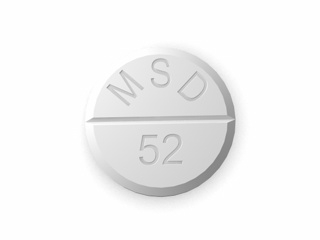
Periactin (Cyproheptadine) – Patient Information (UK)
Periactin is a medicine containing cyproheptadine, an antihistamine used for a variety of conditions. It works mainly by blocking histamine receptors (and also has antiserotonergic effects). In the UK, Periactin may be used for different indications depending on clinical judgement and individual patient needs.
This page is written to help you understand how Periactin works, how it is used, and what to consider for safe use. It does not replace advice from a healthcare professional.
Basic product information
| Item | Details |
|---|---|
| Active ingredient | Cyproheptadine (antihistamine) |
| Brand name | Periactin |
| Medicinal class | First-generation antihistamine (H1-blocker) with additional antiserotonergic activity |
| Common forms | Tablets and/or syrup/solution depending on manufacturer and availability |
| Typical storage | Store at room temperature, keep in original packaging, protect from moisture and heat; keep out of reach of children |
Note: Product presentations and strengths can vary. Always check the label or pack for the exact strength and directions.
How Periactin works (mechanism of action)
Cyproheptadine is a first-generation antihistamine. It blocks H1 receptors in the body. Histamine is involved in allergic symptoms such as itching, sneezing, and watery eyes.
Cyproheptadine also shows antiserotonergic (anti-5-HT) effects. Serotonin is a chemical messenger involved in various body processes, including aspects of allergy and some conditions where serotonin pathways play a role.
Because it is a first-generation antihistamine, it can also cross into the brain more readily than some newer antihistamines, which is why drowsiness is a common effect.
Pharmacokinetics (how the body handles the medicine)
Pharmacokinetics describes how the body absorbs, distributes, metabolises, and eliminates a medicine.
- Absorption: Cyproheptadine is absorbed from the gut after taking by mouth. Food may influence how quickly absorption occurs, though exact timing varies between individuals.
- Distribution: As a first-generation antihistamine, it can enter the central nervous system, contributing to sedative effects.
- Metabolism: It is primarily metabolised in the liver.
- Elimination: Metabolites are eliminated mainly via urine and/or faeces, depending on the specific metabolic pathway.
- Onset and duration: Effects can begin within a few hours. The duration depends on dose, patient factors, and the reason for taking it. Sedation may be stronger in some people and less in others.
If you are unsure about when to expect effects (e.g., for itch control or other uses), ask a pharmacist or clinician.
Typical uses in the UK
Periactin may be used to help relieve symptoms associated with histamine. In UK practice, cyproheptadine is also used in selected cases for other conditions where an antihistamine/antiserotonergic approach may be considered.
Common therapeutic areas include:
- Allergic conditions that respond to antihistamines (for example, itching associated with allergies).
- Some non-allergic indications where cyproheptadine is considered by clinicians (the exact indication depends on individual circumstances).
- Appetite-related use: In some cases, cyproheptadine has been used where an increase in appetite is desired, under healthcare supervision.
Important: The “best” use depends on your diagnosis and medical history. Do not take Periactin for a new symptom without discussing it with a healthcare professional.
When to take Periactin (timing and routine)
How you should take Periactin depends on the indication, dose strength, and whether it causes drowsiness for you.
- For drowsiness-sensitive patients: If you feel sleepy, your prescriber/pharmacist may advise taking it in the evening or splitting doses.
- Consistency matters: Try to take each dose at similar times each day.
- Missed doses: If you miss a dose, take it when you remember unless it is nearly time for the next dose. Do not take a double dose to make up for a missed one.
If you are using Periactin for symptoms that flare up at certain times (e.g., during an allergy season), ask how to time the dosing for best symptom control.
Food interactions
Cyproheptadine can be taken with or without food. However, your individual experience may differ.
- With food: Some people find that taking it with food helps reduce stomach discomfort.
- Absorption and comfort: Food may slightly delay absorption for some medicines, but this usually does not prevent therapeutic effect.
Practical tip: If the medicine makes you nauseous or unsettled, try taking it with a meal. If it causes sedation, avoid taking it right before you need to be alert (see “Alcohol and medicine interactions”).
Alcohol interactions and warnings
Periactin can cause drowsiness. Alcohol can increase sedation and impairment.
- Avoid alcohol: It is generally best to avoid or limit alcohol while taking cyproheptadine.
- Driving risk: Combining alcohol with Periactin may increase risk when driving, cycling, or operating machinery.
If you drink alcohol occasionally, discuss this with your pharmacist, especially if you are starting Periactin or increasing the dose.
Interactions with other medicines
Cyproheptadine may interact with other medicines that cause sedation or affect the brain and nervous system.
Medicines that may increase drowsiness
- Sedatives, sleeping tablets, and some anti-anxiety medicines
- Some antidepressants
- Opioid pain medicines
- Other antihistamines (including cold and allergy remedies)
Medicines with anticholinergic effects
Some medicines have “anticholinergic” effects (they can contribute to dry mouth, constipation, blurred vision, or urinary retention). Combining these with cyproheptadine may increase side effects.
Other possible interactions
- Monoamine oxidase inhibitors (MAOIs): First-generation antihistamines may interact with MAOIs. If you take an MAOI (or have taken one recently), ask a clinician/pharmacist for specific guidance.
- Medicines affecting the liver: Because cyproheptadine is metabolised in the liver, significant changes in liver enzyme activity may affect blood levels.
Always check: Tell your pharmacist about all medicines you use, including over-the-counter products, herbal preparations, and supplements.
Indications and suitability
Periactin is generally used where an antihistamine is appropriate. Cyproheptadine may be suitable for some patients but not for others.
You may need extra caution or a different treatment if you have:
- Glaucoma (especially narrow-angle glaucoma)
- Prostate enlargement or difficulty passing urine
- Severe asthma or breathing problems
- Heart rhythm issues or a history of significant cardiac problems
- Liver problems
- High risk of sedation (for example, if you already feel drowsy with antihistamines)
If you are pregnant, breastfeeding, or caring for a child, discuss suitability and risks with a healthcare professional.
Dosing information (general guidance)
Important: The correct dose depends on your age, the condition being treated, your sensitivity to drowsiness, and the formulation strength. Follow the instructions on your label or provided by your clinician.
Below is general guidance commonly used in practice. Your specific dosing schedule may differ.
Adults
- Typical starting doses may be taken once or more times daily depending on indication and response.
- Doses are often adjusted to balance symptom control against side effects such as sleepiness.
Children
- In children, dosing is usually based on age and weight.
- Children may become more sedated than expected; careful monitoring is important.
Older adults
- Older adults may be more sensitive to sedative effects and potential side effects.
- A lower starting dose may be considered by a clinician.
Practical tip: If you are unsure about the right dose for a tablet strength or syrup concentration, ask a pharmacist to confirm the correct number of tablets or the correct volume in millilitres.
Safety profile: common and serious side effects
Common side effects
- Drowsiness/sleepiness
- Dizziness
- Dry mouth
- Blurred vision (in some people)
- Constipation
- Nausea or stomach discomfort
Less common but important effects
- Urinary retention (difficulty passing urine), especially in those with prostate enlargement
- Agitation or restlessness (paradoxical reactions can occur, particularly in children)
- Allergic reactions such as rash, swelling, or breathing difficulties (seek urgent help)
When to seek urgent medical help
Contact urgent medical services or seek immediate advice if you experience:
- Breathing difficulties, swelling of face/lips, or severe allergic reaction
- Fainting, severe dizziness, or confusion
- Severe irregular heartbeat or chest pain
- Severe difficulty urinating or painful swelling
If you experience troublesome side effects, do not stop abruptly without advice—ask a healthcare professional about adjustment, timing, or alternatives.
Practical use tips (getting the best results safely)
- Start low if you’re sensitive: If you’ve never taken cyproheptadine before, be cautious and monitor how sleepy you feel.
- Avoid driving at first: Until you know your personal response, avoid driving, cycling, or operating machinery.
- Be careful with other “sleepy” medicines: Many cold/flu remedies contain antihistamines—check labels to avoid doubling up.
- Hydration and constipation prevention: If you get dry mouth or constipation, drink fluids regularly and consider dietary fibre.
- Keep a simple symptom diary: Track when symptoms improve and when side effects occur; this can help your clinician adjust timing or dose.
- Children and sedation: Children should be monitored for unusual sleepiness, behaviour changes, or difficulty waking.
Alternative options
If Periactin isn’t suitable or doesn’t work well for you, alternatives may be considered depending on the condition being treated.
For allergic symptoms
- Second-generation antihistamines (often less sedating), such as cetirizine or loratadine (availability depends on formulation and clinical suitability).
- Non-medicinal options like avoiding triggers, nasal saline, and (for some conditions) topical therapies.
For appetite-related concerns
- Management may also include dietary advice, treating underlying causes (such as gastrointestinal issues), and addressing psychosocial factors.
- In some circumstances, clinicians may consider other medication options; suitability varies widely.
Always discuss alternatives with a healthcare professional—especially if you have long-term symptoms or take other medicines.
UK market and legal context (high-level)
In the UK, medicines are regulated by the Medicines and Healthcare products Regulatory Agency (MHRA) and made available based on their classification and safety requirements. Products containing cyproheptadine are sold under UK regulatory frameworks and may have different access routes depending on the exact strength, formulation, and local policy.
Availability can vary by strength and manufacturer, and packaging may differ. For the most accurate status in your area, refer to the product page and availability checks at checkout.
Important: If you have questions about how a medicine is classified or how to obtain it, consult a pharmacist.
Recent guidance and clinical considerations
For antihistamine use, UK clinical practice generally emphasises:
- Individualised choice based on symptoms, comorbidities, and the risk of sedation.
- Careful review of interactions, especially with sedating medicines.
- Using the lowest effective dose for the shortest period needed when appropriate.
- Monitoring in children, older adults, and patients with liver, urinary, or eye conditions.
Because Periactin can cause drowsiness, guidance often highlights avoiding tasks requiring alertness and reviewing concomitant medications that may worsen sedation.
Delivery, availability and how to order in the UK
Periactin may be available online through UK pharmacies and healthcare suppliers depending on stock levels, strength, and formulation (tablets vs syrup/solution). Availability can change frequently.
- Stock checks: Orders are normally processed only when stock is confirmed.
- Packaging: Medicines are shipped in protective packaging and with appropriate labelling.
- Delivery times: Delivery times may vary by location and courier service; estimated delivery windows are usually shown at checkout.
- Cold-chain: Periactin typically does not require cold storage, but always follow the storage instructions on your pack.
If you have a specific strength or presentation requirement, check the product listing and confirm that it matches what your healthcare professional intended.
FAQ – Periactin (Cyproheptadine)
Is Periactin the same as cyproheptadine?
Yes. Periactin is a brand name that contains the active ingredient cyproheptadine.
Will Periactin make me sleepy?
It can. Drowsiness is a common effect with first-generation antihistamines. Many people find it affects them more in the first few doses, so be cautious with driving and machinery until you know how you respond.
Can I take Periactin with food?
Generally, yes. Taking it with food may help if you get an upset stomach. Follow the advice on your label and the directions given by a healthcare professional.
Can I drink alcohol while taking Periactin?
It’s best to avoid or limit alcohol because it can increase sedation and reduce alertness. If you choose to drink, discuss your situation with a pharmacist and take extra caution.
What should I do if I miss a dose?
Take it when you remember unless it is close to the time for your next dose. Do not take double doses to make up for a missed one.
Are there people who should use Periactin with extra caution?
Yes. Extra caution is often needed in people with certain eye conditions (such as glaucoma), urinary problems (such as prostate enlargement), liver impairment, or those prone to significant drowsiness. Always seek advice if you have any relevant conditions.
Does Periactin interact with other allergy medicines?
It can. Avoid doubling up on antihistamines. Many cold and flu products contain antihistamines, so check ingredients carefully and speak to a pharmacist if unsure.
How long does Periactin take to work?
Some effects can start within a few hours, but the timing depends on the dose, formulation, and the condition being treated. If symptoms persist or worsen, seek advice.
Can Periactin be used for children?
Cyproheptadine may be used in children in some circumstances, but dosing and monitoring are crucial. Children may experience unusual reactions, including increased sleepiness or restlessness, so follow the dosing instructions carefully and seek medical advice if anything concerns you.
What are the signs of an allergic reaction to Periactin?
Seek urgent help if you develop swelling of the face/lips, trouble breathing, or a widespread rash. If you suspect an allergic reaction, do not take further doses until medical advice is obtained.
What are the most common side effects?
Drowsiness, dizziness, dry mouth, constipation, and sometimes blurred vision or nausea are common. If side effects are severe or persistent, contact a pharmacist or clinician.
Further help: If you have questions about Periactin—such as suitability, dosing, or interactions—please consult a pharmacist. Always read the pack leaflet supplied with your medicine for complete information.