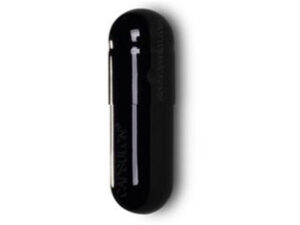


Confido (United Kingdom) — Patient Information
Confido is a prescription-only medicine used to help treat certain gastrointestinal (digestive) conditions. This page explains how Confido works, when it is typically used, how to take it safely, and what practical points to consider—especially regarding food, alcohol, and other medicines.
Important: Always follow the instructions provided by your healthcare professional and read the package leaflet supplied with your medicine. If you are unsure about anything, speak to a pharmacist.
At a Glance
- Medicine name: Confido
- What it’s used for: Helps treat specific gut-related conditions (your prescriber will specify the exact reason for you).
- How it works: Reduces stomach acid and/or helps regulate digestive secretions (depending on the exact formulation and dose prescribed).
- How to take: Usually once or twice daily, on a regular schedule.
- Key considerations: Timing with food, interactions with other medicines, and avoiding alcohol excess.
Basic Product Information
The brand name Confido is marketed in the UK in specific strengths and presentations. Availability may depend on local supply and the manufacturer’s distribution arrangements.
- Strengths & formulations: Vary by product. Check the label/outer carton for your exact strength.
- Pack size: Varies.
- Active ingredient: Determined by the particular Confido product you have been supplied (confirm from your pack).
- Classification in the UK: Typically falls under prescription-only or closely regulated categories depending on the specific formulation.
Tip: For best safety, keep the original packaging so you can confirm the strength and expiry date.
How Confido Works (Mechanism of Action)
Confido is used for digestive conditions by affecting acid or digestive secretions in the stomach. In simple terms, it helps to create a more favourable internal environment for healing and symptom control.
Mechanism (general):
- Reduces stomach acid output (or suppresses acid secretion pathways).
- Helps protect irritated stomach or oesophageal lining by lowering the corrosive effects of acid.
- May help control symptoms such as heartburn, reflux-related discomfort, or inflammation driven by acid.
Why this matters: Many common digestive disorders improve when acid levels are controlled over time rather than only during symptom flare-ups.
Typical Uses in the UK
Confido is used for a range of acid-related or stomach/upper digestive tract conditions. The exact indication depends on your diagnosis and the prescribed dose.
Common indications may include:
- Gastro-oesophageal reflux disease (GORD) and symptoms such as heartburn or acid regurgitation
- Oesophagitis related to reflux (inflammation of the oesophagus)
- Stomach or duodenal ulcer disease or prevention strategies in at-risk patients (as advised)
- Conditions requiring longer-term acid suppression under medical supervision
Note: This is not an exhaustive list. Your prescribed indication will be recorded on your medication directions.
When and How to Take Confido (Timing & Dosing)
Taking Confido at the right time improves effectiveness and reduces the chance of side effects or poor symptom control.
Typical dosing approach
Doses vary by indication, severity, and the specific Confido formulation. Your healthcare professional will provide exact instructions.
- Common schedule: Once daily or twice daily.
- Duration: Short courses or longer-term use depending on the condition.
- Consistency: Take at the same times each day where possible.
Timing with food
Food can affect the way some acid-regulating medicines work. Follow your specific instructions, but as a general guide:
- If your doctor/pharmacist has advised once daily dosing, it is often taken before a meal for best effect.
- If your regimen is twice daily, doses are frequently taken before breakfast and before evening meal (or at times your clinician recommends).
Practical tip: If you miss a dose, take it when you remember unless it is close to your next dose. Do not take a double dose to make up for a missed tablet.
Dosing table (example structure)
| Indication (examples) | Typical frequency | How to take (general) | Notes |
|---|---|---|---|
| Reflux symptoms (GORD) | Once daily (often) | Before a meal | May improve over days; full effect can take longer |
| Oesophagitis / inflammation | Once or twice daily | Before meals | Continue for the planned course |
| Ulcer treatment or risk reduction (as advised) | Once daily (often) | Before breakfast or evening dose | May be combined with other medicines depending on cause |
Reminder: Your pack strength and the exact dose matter. Always check your label and directions.
Pharmacokinetics (How the Body Handles Confido)
Pharmacokinetics describes what the body does with a medicine—how it is absorbed, distributed, metabolised, and eliminated. While your exact experience depends on your health and dose, the general principles include:
- Absorption: Confido is absorbed in the gastrointestinal tract after you take it. The timing of meals may influence how well it works.
- Onset of effect: Symptom relief may begin within the first days, while healing and longer-term control can take longer.
- Metabolism: It is processed primarily by the body’s metabolic pathways, mainly in the liver.
- Elimination: The medicine and its metabolites are removed from the body over time, mainly via kidney and/or biliary routes (depending on the specific formulation).
Clinical relevance: If you have liver or kidney problems, or you are elderly, your prescriber may choose a particular dose and monitor your response.
Safety Profile
Most people tolerate Confido well when taken as directed. However, like all medicines, it may cause side effects in some individuals.
Common side effects
- Headache
- Nausea or stomach upset
- Diarrhoea or constipation
- Abdominal pain or bloating
Less common or serious side effects (seek medical advice promptly)
- Allergic reactions: rash, swelling of the face/lips, difficulty breathing
- Severe or persistent diarrhoea (especially with fever or blood/mucus)
- Unexplained weight loss, vomiting, or difficulty swallowing
- Severe stomach pain or ongoing worsening symptoms
Long-term use considerations: If Confido is used for extended periods, your clinician may review the ongoing need and monitor for potential risks associated with prolonged acid suppression.
When to get urgent help
Seek urgent medical advice if you experience:
- Signs of allergy (e.g., wheezing, facial swelling)
- Vomiting blood or passing black/tarry stools
- Severe chest pain that could be mistaken for heartburn
Practical Use Tips
- Take it regularly: Acid-regulating medicines work best with consistent dosing.
- Use the timing your clinician recommends: “Before food” can matter.
- Keep track: If you use a phone reminder, it can reduce missed doses.
- Avoid skipping: Stopping suddenly may allow symptoms to return, especially in reflux-related conditions.
- Review if symptoms persist: If you do not improve within the expected time, contact your pharmacist or prescriber.
Storage: Store at room temperature and keep out of sight and reach of children. Follow storage instructions on your pack (e.g., temperature or moisture protection requirements).
Interactions to Consider (Alcohol & Other Medicines)
Alcohol and Confido
Moderate alcohol intake may not directly “cancel out” Confido, but alcohol can worsen reflux and stomach irritation for many people. This means symptoms such as heartburn may return or intensify even if you are taking your medicine.
- During treatment: Consider reducing alcohol, especially if you notice symptom flare-ups.
- Heavy or binge drinking: increases the likelihood of worsening gastritis/reflux and can raise the risk of side effects.
If you are unsure about safe alcohol levels for your situation, ask your pharmacist.
Interactions with other medicines
Confido may interact with other medicines, mainly because changing stomach acidity can affect absorption of certain drugs. Also, metabolism interactions can occur with some medicines.
Common interaction themes include:
- Medicines that require an acidic environment for absorption (their effect can be reduced)
- Medicines with narrow dosing margins where even small changes can matter
- Drugs metabolised by the liver, where combined use can increase or decrease levels
Tell your healthcare professional if you take:
- Other stomach medicines or antacids
- Blood thinners
- Antifungal medicines
- HIV medicines
- Epilepsy medicines
- Iron or vitamin supplements (especially if taken at the same time)
- Any “over-the-counter” treatments you use frequently
Practical approach: If you take additional medicines, ask your pharmacist whether to separate doses and by how long.
Food Interactions
Food can influence when acid-regulating medicines perform best. While individual product directions vary, the safest general approach is:
- Follow “before food” instructions if provided on your prescription label or leaflet.
- If your medicine is taken before breakfast, try to keep this routine consistent.
- If you take it before evening meal, aim for a similar time most days.
What about antacids? Antacids may provide quicker, short-term relief for breakthrough symptoms. However, timing matters—ask your pharmacist whether to separate them from Confido.
Pharmacological Indications and What to Expect
Your indication determines both the expected benefits and the typical follow-up schedule. Here are general expectations:
- Reflux and heartburn: symptom relief often begins within days, with ongoing improvement over 1–4 weeks (depending on cause and severity).
- Oesophagitis: healing may require a longer course; symptom improvement does not always mean full healing is complete.
- Ulcer-related conditions: healing can take weeks; adherence to the full course is important.
Contact your clinician promptly if symptoms worsen, new alarming symptoms appear, or you experience inadequate response.
Safety and Special Populations
Certain groups may require extra caution or monitoring.
- Children: Confido use depends on age, formulation, and indication. Only use if directed by a healthcare professional.
- Pregnancy and breastfeeding: Discuss benefits and risks with your clinician.
- Older adults: Generally may tolerate treatment, but medication review is helpful, especially for those on multiple medicines.
- Liver disease: Dose adjustments or monitoring may be considered.
- Kidney disease: Your clinician may consider overall health and other medicines to reduce risk.
Alternative Options
Depending on your exact diagnosis and severity, your healthcare professional may consider other treatments. Alternatives may include:
- Other acid-suppressing medicines (different brands or formulations in the same medicine class)
- H2-receptor antagonists (for some reflux-related symptoms)
- Antacids for quick, temporary relief of breakthrough symptoms
- Lifestyle and non-medicine measures (e.g., weight management, dietary triggers, meal timing)
Note: Don’t switch brands or stop treatment without advice, especially for ulcer-related or inflammation conditions.
Market and Legal Context in the UK
In the United Kingdom, medicines are regulated to ensure quality, safety, and appropriate use. Confido is supplied through authorised channels, and its availability in community pharmacies online must follow UK medicines regulations.
Key points for UK customers:
- Supply chain control: UK pharmacies source medicines through approved wholesalers and manufacturers.
- Regulatory classification: The exact classification depends on the product strength and formulation.
- Patient safety: Pharmacists provide safety checks (including interaction and suitability reviews).
- Quality: Medicines must meet UK standards for manufacture and storage.
Recent guidance (general themes): In recent years, the UK focus has been on safer long-term prescribing, regular review of the need for ongoing therapy, and attention to interactions and risks—especially in patients taking multiple medicines or using acid suppression for extended periods.
Delivery and Availability
Availability of Confido online can vary by strength and pack size. When ordered through a UK online pharmacy, the usual process includes:
- Stock checks: Confirming current availability before dispatch
- Packaging: Secure transport to protect the product
- Delivery times: Depend on service level and location within the UK
Delivery notes:
- Check the estimated dispatch/delivery time at checkout.
- Some deliveries require a signature.
- Keep your medicines in original packaging and store as directed.
If you need a specific strength: Ensure you select the correct product strength and formulation to match your medication directions.
FAQ — Confido
1) What is Confido used for?
Confido is used for specific digestive conditions, typically those related to stomach acid and reflux/ulcer-type issues. Your exact use depends on the diagnosis and dose your clinician prescribed.
2) How quickly will Confido work?
Many people notice symptom improvement within days. Full improvement and healing can take longer, depending on the condition and severity.
3) Should I take Confido with food?
Follow your specific instructions. Many people are advised to take it before meals because timing can influence effectiveness.
4) Can I drink alcohol while taking Confido?
Moderate alcohol may be possible for some people, but alcohol can worsen reflux and stomach irritation. If you notice symptoms after alcohol, it’s best to reduce or avoid it and speak to your pharmacist.
5) What should I do if I miss a dose?
Take it when you remember unless it is close to your next dose. Do not take a double dose to compensate.
6) Are there any foods I should avoid?
There are no universal “forbidden foods,” but reflux triggers vary by person. Common triggers can include fatty meals, spicy foods, chocolate, mint, and late-night eating. Keeping consistent meal timing may help.
7) Can Confido be taken with other medicines?
It may interact with some medicines, especially those affected by stomach acidity. Tell your pharmacist about all medicines and supplements you take so they can check compatibility.
8) Is long-term use safe?
Many people use acid-regulating therapy for extended periods when medically needed, but the need should be reviewed regularly. Your clinician may adjust dose or review alternatives based on your risk profile and response.
9) What side effects should I watch for?
Common effects can include headache, diarrhoea/constipation, and stomach discomfort. Seek urgent advice for signs of allergy, severe diarrhoea, or symptoms such as vomiting blood or black stools.
10) Where can I find the exact information for my Confido pack?
Check the label and the enclosed patient leaflet for your specific strength, directions, and product-specific warnings.
Disclaimer: This information is provided for general guidance for UK patients. It cannot replace advice from a healthcare professional or the package leaflet specific to your medicine.