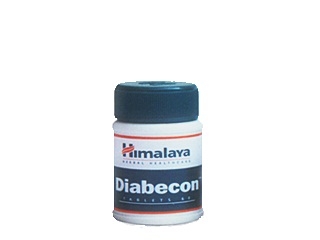

Diabecon (Diabecon) – Patient Information for UK Customers
Diabecon is an oral medicine commonly used to support blood sugar (glucose) control in adults with type 2 diabetes. This page is designed to help you understand what Diabecon is, how it works, when and how to take it, and what to consider for safe use. Always follow the instructions provided with your medicine and consult a healthcare professional if you have questions.
Important note
Diabetes management often involves lifestyle changes and may include other medicines. Diabecon is intended to be used as part of an overall diabetes care plan. If you feel unwell, have signs of dangerously high or low blood sugar, or are planning surgery or major travel, seek medical advice promptly.
Basic product information
| Category | Details |
|---|---|
| Medicine name | Diabecon |
| Use | Support for blood glucose control in type 2 diabetes (adults) |
| Route | Oral tablets/capsules (form may vary by product presentation) |
| How it is taken | Usually once or twice daily depending on the dose prescribed/instructions |
| Common side effects | Digestive upset (e.g., nausea, diarrhoea), and in some cases low blood sugar |
| Availability (UK) | Availability depends on brand supply and local regulations; check listing and stock status |
Note: Formulation and strength can vary. Please check the label on your pack for the exact strength and directions.
How Diabecon works (mechanism of action)
The effectiveness of Diabecon depends on its active ingredient(s). Many diabetes medicines work by improving how the body uses glucose, reducing glucose production by the liver, increasing insulin release, improving insulin sensitivity, or slowing carbohydrate absorption.
In general, Diabecon helps lower and stabilise blood sugar levels by targeting one or more of these pathways. The exact mechanism depends on the formulation. For the most accurate explanation, refer to the patient information leaflet supplied with your pack.
- Helps reduce blood glucose levels to improve long-term diabetes control.
- Supports better post-meal control in many people (timing with meals may be important).
- Used alongside lifestyle changes such as healthy eating, weight management, and physical activity.
Pharmacokinetics (how the body handles the medicine)
“Pharmacokinetics” describes absorption, distribution, metabolism, and elimination—how your body processes the medicine. While specific details can vary by formulation and individual factors, the following outlines typical features seen with oral anti-diabetic medicines.
- Absorption: Diabecon is absorbed through the digestive system after swallowing.
- Peak effect: The strongest effect on glucose control often occurs a few hours after taking a dose, depending on whether it is taken with food.
- Metabolism: The liver usually plays an important role in breaking down the medicine.
- Elimination: The body removes medicine through the kidneys and/or bile/faeces.
If you have kidney or liver impairment, your healthcare professional may adjust the dose or monitor you more closely. Older age and other medicines can also affect how strongly Diabecon acts.
Typical use and who it is for
Diabecon is used to help control blood glucose in people with type 2 diabetes, particularly when diet, exercise, and other measures are not enough on their own. It may be used:
- As monotherapy (alone) in selected patients.
- In combination therapy with other oral diabetes medicines and/or insulin, depending on your regimen.
It is generally not the first choice for type 1 diabetes, as type 1 diabetes requires insulin treatment. If you are unsure whether Diabecon is suitable for your diabetes type, speak to a healthcare professional.
Indications (what it is used to treat)
In the UK, Diabecon is indicated for the treatment of type 2 diabetes mellitus in adults to improve glycaemic control. Your clinician may choose Diabecon based on factors such as blood sugar levels, HbA1c trend, body weight considerations, risk of side effects, and interactions with other medicines.
How to take Diabecon: dosing and timing
Always follow the dosing instructions provided with your pack or by your healthcare professional. The information below explains typical guidance and how to plan your doses.
Typical starting and adjustment
- Your dose is usually started low and adjusted gradually based on your blood sugar readings and side effects.
- Dose adjustments are often made every 1–2 weeks or as advised, depending on the medicine’s dosing schedule and your response.
Timing with meals
Many diabetes medicines work best when taken consistently and often with meals, especially if they can affect glucose after eating. To reduce the risk of side effects such as low blood sugar, it’s important not to skip meals when you take Diabecon.
- If you are instructed to take it once daily, take it at the same time each day.
- If you are instructed to take it twice daily, take your doses with your meals as directed.
- If you miss a meal, follow the advice on your medicine label or patient leaflet, as instructions may differ by formulation.
Example schedule (for illustration only)
| Prescribed schedule | Suggested timing | Tip |
|---|---|---|
| Once daily | With breakfast or evening meal | Choose a time you can keep consistent daily. |
| Twice daily | With breakfast and with evening meal | Try to eat at regular times to reduce glucose swings. |
Do not change your dose without medical advice. If you are adjusting other diabetes medicines, check that your overall plan prevents low blood sugar.
What to do if you miss a dose
- Take the missed dose only if it is still close to the scheduled time and you can eat normally as advised.
- If it is nearly time for the next dose, skip the missed dose and continue as normal.
- Do not double the dose.
Food interactions and practical dietary considerations
Food can influence how quickly and how strongly Diabecon affects blood glucose. While exact instructions depend on your specific formulation, the general principles below are important for safe use.
- Take with meals if advised: This can help maintain steadier glucose control and reduce the risk of digestive upset.
- Do not skip meals: Skipping meals increases the risk of hypoglycaemia (low blood sugar), particularly if Diabecon is taken alongside other glucose-lowering therapies.
- Maintain consistent carbohydrate intake: Large changes in meal size or carbohydrate content can lead to unexpected glucose swings.
Foods and drinks to be mindful of
- Alcohol: See the dedicated section below.
- High-sugar snacks: If your glucose is low, fast-acting carbohydrate may be needed—but after recovery, continue with your normal meal plan.
- Fasting or very low-calorie diets: These may increase hypoglycaemia risk when combined with diabetes medicines.
Alcohol and medicine interactions
Alcohol can affect blood glucose control and may increase the risk of side effects. It may also interact with other medicines you take. Use extra caution if you drink alcohol.
- Hypoglycaemia risk: Alcohol can lower blood glucose, especially if you drink without eating.
- Dehydration: Alcohol can contribute to dehydration, which can worsen how you feel and complicate diabetes management.
- Gastrointestinal irritation: Alcohol may increase the likelihood of stomach upset.
If you choose to drink alcohol, consider:
- Drink with food and avoid binge drinking.
- Monitor your glucose more frequently that day and the following day.
- Talk to your healthcare professional if you have liver disease or have frequent hypoglycaemia.
Always consult the patient leaflet for the most accurate guidance for your specific Diabecon product and your personal health situation.
Interactions with other medicines
Diabetics often take several medicines. Some drugs can increase or decrease the glucose-lowering effect of diabetes medicines or affect your risk of side effects. Common interaction categories include:
- Other glucose-lowering medicines (e.g., insulin or sulfonylureas): may increase hypoglycaemia risk.
- Some antibiotics or antifungals: can affect metabolism of medicines and glucose control.
- Heart and blood pressure medicines: may mask hypoglycaemia symptoms in some cases (for example, certain beta-blockers).
- Steroids: can raise blood glucose levels and counteract diabetes control.
- Thyroid medicines: thyroid changes can influence glucose management.
Provide your pharmacist or healthcare professional with a full list of medicines, including:
- Over-the-counter (OTC) products
- Herbal supplements
- Vitamins and minerals
If you suspect an interaction or experience unusual symptoms after starting a new medicine, seek advice promptly.
Safety profile: side effects and when to seek help
Like all medicines, Diabecon can cause side effects. Many people experience no or mild effects, but you should know what to watch for. Side effects can depend on dose, how you take the medicine, and whether you take other diabetes medicines.
Common side effects
- Digestive symptoms: nausea, diarrhoea, abdominal discomfort
- Headache (in some people)
- Feeling weak or tired (may be related to glucose changes)
Serious side effects (urgent advice)
Seek medical advice urgently if you develop signs of severe hypoglycaemia or allergic reactions.
- Signs of low blood sugar (hypoglycaemia):
- Shaking, sweating, fast heartbeat
- Hunger, dizziness, confusion
- Blurred vision, difficulty concentrating
- In severe cases: loss of consciousness
- Allergic reaction: swelling of the face/lips, trouble breathing, widespread rash, or severe itching.
How to respond to hypoglycaemia
- If you feel symptoms coming on, check your blood glucose if possible.
- Take fast-acting carbohydrate (for example, glucose tablets or a sugary drink) according to local guidance.
- Recheck your glucose after 10–15 minutes and seek urgent help if symptoms do not improve.
- Inform your healthcare professional if low blood sugar occurs repeatedly.
When to monitor more closely
- When starting or increasing the dose
- After changes to diet, exercise, or alcohol intake
- During illness (infections or reduced appetite)
- When taking additional medicines that may affect blood glucose
Practical use tips for best results
The following practical tips can help you get the best benefit from Diabecon while staying safe.
- Use a consistent routine: take your dose at the same time each day.
- Plan meals: avoid skipping meals—especially if your diabetes medicines can cause low blood sugar.
- Track your readings: consider periodic home glucose checks and keep notes for your review appointments.
- Know your symptoms: learn early signs of hypoglycaemia and how to treat it.
- Stay hydrated: dehydration can affect wellbeing and glucose stability.
- Don’t stop suddenly: stopping diabetes medicines without advice may worsen control.
If you have frequent side effects or glucose fluctuations, speak to a healthcare professional. They may adjust the dose or recommend a different treatment strategy.
Alternative options for type 2 diabetes in the UK
Depending on your individual situation, there are several alternatives to Diabecon. These may include other oral medicines, injections, and insulin. Treatment choice is based on factors such as HbA1c level, weight considerations, risk of hypoglycaemia, kidney function, cardiovascular disease, and availability and suitability.
Common classes of alternatives
- Metformin (often first-line in many patients)
- Sulfonylureas (may increase hypoglycaemia risk)
- DPP-4 inhibitors
- SGLT2 inhibitors
- GLP-1 receptor agonists
- Insulin in more advanced cases
- Combination therapies tailored to your needs
Your clinician can explain which option is best for you, including any necessary monitoring and how to manage interactions. Do not switch treatments without medical advice.
Market and legal context for the UK
In the United Kingdom, medicines are regulated under the Medicines and Healthcare products Regulatory Agency (MHRA) and must follow relevant requirements around quality, labelling, and safety updates. Pharmacy supply and marketing must also comply with UK advertising and medicines legislation.
Availability can vary by brand/manufacturer and by whether the particular product is supplied through specific channels. Online pharmacies must adhere to UK rules for safe dispensing, customer identity checks where appropriate, and product traceability. Always check that the product you purchase is the correct Diabecon formulation and strength.
Recent guidance and updates (general UK diabetes care)
Diabetes care in the UK is regularly updated through national guidance and clinical recommendations. While recommendations can change over time, general themes seen in recent diabetes practice include:
- Individualised HbA1c targets based on patient characteristics and safety considerations.
- Increasing use of medicines with proven cardiovascular and kidney benefits where appropriate.
- Structured monitoring for kidney function, glucose control, and medication side effects.
- Patient education to improve safe self-management, including hypoglycaemia awareness.
For the most current UK recommendations, you can consult official NHS and diabetes guideline resources. Your own plan should be personalised by your healthcare team.
Delivery and availability in the UK
Availability of Diabecon can depend on stock status, supplier lead times, and the specific pack strength/presentation. When you order from a UK online pharmacy, your delivery options may include:
- Standard delivery (typically a few working days)
- Express/next-day delivery (where offered and subject to postcode/stock)
- Cold-chain delivery is generally not required for most oral tablets, but follow any product-specific instructions.
We recommend checking:
- That the product strength matches your needs
- Pack expiry date (where displayed)
- Delivery scheduling (e.g., if you’ll be unavailable to receive the parcel)
If the item is out of stock, you may be offered alternatives such as similar pack sizes or therapeutic options, depending on local regulations and supply.
FAQ about Diabecon
1) What is Diabecon used for?
Diabecon is used to support blood glucose control in adults with type 2 diabetes as part of an overall diabetes management plan.
2) How long does it take to work?
Many people notice changes in glucose control within days, but the full benefit is usually judged over weeks to months using blood glucose readings and HbA1c results. Your response depends on dose, diet, and other medicines.
3) Should I take Diabecon with food?
Often, diabetes medicines are best taken with meals to reduce side effects and support consistent glucose control. Follow the directions on your pack. If your leaflet states “with or after food,” do so. If it states “before meals,” follow that instruction carefully.
4) Can Diabecon cause low blood sugar?
Yes, low blood sugar (hypoglycaemia) can occur, particularly when Diabecon is used with other glucose-lowering medicines such as insulin or sulfonylureas. Learn the warning signs and monitor your glucose if advised.
5) What should I do if I miss a dose?
Do not double up. Take the missed dose only if it is close to your usual time and you can eat normally as instructed. Otherwise, skip it and continue with your next scheduled dose.
6) Is it safe to drink alcohol while taking Diabecon?
Alcohol may increase the risk of hypoglycaemia and can worsen side effects. If you drink, do so with food and in moderation, and consider monitoring your glucose more closely. Avoid heavy drinking.
7) What other medicines can interact with Diabecon?
Interactions may occur with other diabetes medicines and medicines that affect liver metabolism or blood glucose. Provide a full list of your medicines (including OTC and herbal products) to your pharmacist or healthcare team.
8) Are there any people who should take extra caution?
Extra caution is generally needed if you have kidney or liver problems, are older, have a history of hypoglycaemia, or take multiple medicines that affect glucose. Your healthcare professional may adjust your dose and monitoring.
9) What side effects are most common?
Digestive symptoms such as nausea or diarrhoea are among the more common effects. If you experience persistent severe symptoms or signs of allergy, seek advice promptly.
10) What can I do to reduce side effects?
Taking Diabecon with meals as advised, following your dosing schedule, not skipping meals, and monitoring your blood glucose can help. If side effects persist, talk to a healthcare professional—there may be options to adjust your treatment.
Summary
Diabecon is an oral medicine used to support blood glucose control in adults with type 2 diabetes. Its effectiveness depends on taking it consistently, often with meals, and maintaining a healthy lifestyle. Be aware of the possibility of side effects—especially signs of low blood sugar—and seek medical help if symptoms are severe or unusual.
For the most accurate information for your specific product, always read the patient information leaflet supplied with your Diabecon pack.