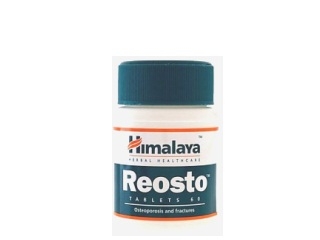

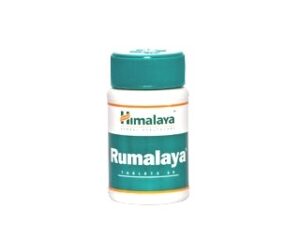
Reosto (tablets) – Patient-Friendly Guide
Reosto is a medicine used to treat specific conditions. This guide explains what Reosto is, how it works, how it is usually taken, and important safety information for people in the UK. If you have any questions about whether Reosto is right for you, speak with a pharmacist or another qualified healthcare professional.
Note: This information is for general guidance. Your individual dose and treatment plan may differ depending on your diagnosis, age, kidney or liver function, other medicines you take, and your personal risk factors.
Basic product information
| Category | Details |
|---|---|
| Medicine | Reosto |
| Form | Tablets (strength and brand presentation may vary by pack) |
| What it is used for | Treatment of certain medical conditions as advised by a healthcare professional |
| How it works | Alters specific biological processes involved in the condition |
| Where available | UK pharmacy supply in line with regulatory requirements |
Always check your specific pack for the exact active ingredient, strength, and dosing instructions. Different markets may use different strengths or formulations.
Mechanism of action (how Reosto works)
Reosto works by targeting the underlying pathways involved in your condition. While the exact details depend on the active ingredient in your specific Reosto product, medicines in this category typically work by:
- Reducing abnormal signalling that contributes to symptoms
- Improving balance within relevant body systems so that symptoms become less frequent or less severe
- Helping the body’s response become more controlled and predictable
It is normal for improvements to take time. Some benefits are noticed quickly, while others may require days to weeks depending on the condition being treated.
Pharmacokinetics (what the body does to Reosto)
Pharmacokinetics describes how Reosto is absorbed, distributed, metabolised, and eliminated. Exact figures depend on the active ingredient and the individual patient. In general, for tablet medicines:
- Absorption: The active substance is absorbed from the gastrointestinal tract after you swallow the tablet.
- Peak level: Blood levels typically rise after dosing and reach a highest level after a certain time period (often within a few hours).
- Distribution: The active substance travels through the bloodstream to reach target tissues.
- Metabolism: Many medicines are processed by the liver into metabolites.
- Elimination: The body clears the medicine mainly through the kidneys and/or bile pathways.
These processes are influenced by factors such as age, liver and kidney function, other medicines, and whether you take Reosto with or without food.
Typical uses and indications
Reosto is used for the treatment of specific medical conditions as set out by UK clinical guidance and the product’s licensed indications. Common examples of conditions treated by medicines in similar classes may include:
- Conditions where abnormal biological activity contributes to symptoms
- Chronic or recurrent conditions requiring ongoing symptom control
- Situations where the goal is to reduce severity, frequency, or progression
Important: The precise indication depends on the exact Reosto formulation and active ingredient. Always confirm the indication on your product leaflet or box.
When to take Reosto (timing)
The best time to take Reosto depends on your dosing schedule (for example once daily or multiple times daily) and your personal routine. In many cases, patients are advised to:
- Take it at the same time each day to keep medicine levels steady
- Follow the schedule exactly as instructed on your packaging or by a healthcare professional
- Use a reminder (phone alarm, pill organiser) if you are prone to missed doses
If you are unsure about timing for your particular dose, ask a pharmacist.
How to dose Reosto (general dosing approach)
Dosing varies depending on the medical condition, severity, age, and kidney/liver function. Below is a general framework used in many tablet regimens; your exact instructions will be printed on your pack or provided by your clinician.
Typical dosing patterns (examples)
- Once daily dosing: Often used for maintenance where steady control is required.
- Twice daily dosing: Sometimes chosen when smoother control across the day is needed.
- Titration: Some treatments start at a lower dose and may be adjusted based on response and tolerance.
If you miss a dose
- Take it as soon as you remember if it is close to the scheduled time.
- If it is almost time for the next dose, skip the missed dose.
- Do not take a double dose to make up for the missed one.
Stopping Reosto
Do not stop suddenly unless your healthcare professional tells you to. Some medicines require careful tapering or monitoring to reduce the risk of symptom rebound or withdrawal effects (depending on the active ingredient).
How to take Reosto correctly (practical tips)
- Swallow whole with a glass of water unless your leaflet says you can split or crush the tablet.
- Keep it consistent: if you take it with food, try to do so each time; if you take it on an empty stomach, keep that routine.
- Use a pill organiser if you take other medicines—this reduces the risk of taking the wrong tablet.
- Check the strength before taking a dose, especially if you have more than one pack.
- Store properly: follow the pack instructions regarding temperature, light, and moisture.
Food interactions (with and without meals)
Food can affect the absorption and the speed at which Reosto reaches peak levels. The product leaflet should state whether the medicine is best taken:
- With food (to reduce stomach upset or improve absorption), or
- On an empty stomach (to achieve more reliable absorption), or
- Either way (no meaningful interaction expected).
Because food effects can be clinically important for some medicines, it is wise to follow the guidance specific to your Reosto product. If you are switching between taking it with and without food, ask a pharmacist whether this will matter for your prescription and goals.
Alcohol interactions
Alcohol can worsen side effects and may affect how your body handles medicines. With Reosto, the key risks to consider typically include:
- Increased dizziness or drowsiness, which can affect driving or operating machinery
- More stomach irritation (if you experience nausea, reflux, or indigestion)
- Reduced treatment control if alcohol triggers symptoms (for example, sleep disturbance or stress-related flare-ups)
If you drink alcohol, consider limiting intake and avoid binge drinking. If you are unsure, ask a pharmacist what is safest for your particular Reosto use and medical history.
Interactions with other medicines
Reosto may interact with other medicines and supplements. Interactions can change either:
- How strongly Reosto works (too low and symptoms may return), or
- How strongly you experience side effects (too high levels or increased sensitivity).
Tell your healthcare professional if you take any of the following (examples)
- Other prescription medicines for long-term conditions
- Medicines for pain, inflammation, or stomach acid
- Antibiotics or antifungals (some can alter drug metabolism)
- Antidepressants or antipsychotics
- Blood thinners (where relevant to your condition)
- St John’s wort (herbal product; can affect levels of some medicines)
- Over-the-counter products and supplements, including vitamins at high doses
For the safest results, keep an up-to-date list of all medicines you take and share it with a pharmacist at every review.
Safety profile and side effects
All medicines can cause side effects. Many people experience no or only mild side effects. The likelihood and type of side effects depend on your dose and personal factors.
Common side effects (may occur)
- Headache
- Nausea or stomach discomfort
- Dizziness
- Fatigue or tiredness
- Changes in sleep or energy levels
Less common but important side effects
- Allergic reactions (such as rash, swelling, or breathing difficulties)
- Unusual bruising or bleeding (if you take medicines that affect clotting)
- Significant mood or behaviour changes
- Signs of liver problems (yellow skin/eyes, dark urine, severe fatigue)
- Kidney-related symptoms (changes in urination, swelling)
Seek urgent medical help if you have
- Swelling of the face, lips, tongue, or throat
- Severe allergic rash or trouble breathing
- Fainting, severe chest pain, or sudden neurological symptoms
- Severe or persistent vomiting, dehydration, or inability to keep fluids down
If side effects occur, do not ignore them—contact a pharmacist or GP for advice. In some cases, dose adjustment or a different medicine may be required.
Who should take extra care?
Certain people need extra monitoring when using Reosto, such as those with:
- Liver impairment or a history of liver disease
- Kidney impairment
- Older age where sensitivity to side effects may be higher
- Multiple long-term conditions and complex medicine regimens
- History of allergic reactions to medicines
If any of these apply to you, ask a pharmacist about additional precautions and whether baseline or follow-up monitoring is needed.
Recent guidance and UK context (market/legal notes)
In the UK, medicines are regulated under the Medicines and Healthcare products Regulatory Agency (MHRA) framework and must meet standards for quality, safety, and effectiveness. Patient advice commonly emphasises:
- Using medicines according to the licensed indications and current UK clinical practice
- Checking for interactions before starting new medicines
- Ensuring safe supply and appropriate advice channels through regulated pharmacy routes
- Reviewing treatment regularly to confirm it remains appropriate
Depending on the specific active ingredient and product approval status, guidance may also include periodic updates from regulators or professional bodies. Always follow the instructions in your pack leaflet and check with a pharmacist if anything changes in your health or medicine list.
Availability: Reosto availability in the UK may vary by pack size, strength, and supply conditions. In general, most pharmacy suppliers aim to maintain stock, but occasional delays can occur.
Delivery and availability (UK online pharmacy)
When ordering Reosto from a UK online pharmacy, you can usually expect:
- Standard delivery or faster options depending on the pharmacy and region
- Discreet packaging designed to protect privacy
- Tracking (where offered) so you can monitor your parcel
- Secure payment and regulated supply processes
Stock checks: If a particular strength or pack size is temporarily out of stock, the pharmacy may offer alternatives (where appropriate) or advise on expected restock dates.
For the most accurate delivery times and current availability, check the retailer’s product page or contact customer support.
Alternative options
Depending on what Reosto is being used for, alternatives may include medicines with similar effects or different mechanisms, as well as non-medicine approaches. Possible alternatives may include:
- Other medicines in the same class (different brand or strength)
- Medicines with a different mechanism but used for the same condition
- Adjunct treatments (for example, lifestyle support or targeted therapies) alongside medicines
Choosing an alternative depends on your symptoms, medical history, and side-effect tolerance. A pharmacist can help you compare options and identify potential interaction issues.
Practical use tips for better results
- Start with consistency: take your doses at the same times daily.
- Track effects: note changes in symptoms and any side effects, especially during the first couple of weeks.
- Watch for patterns: many side effects are linked to dose timing, missed meals, or interactions—identify triggers early.
- Keep hydration in mind: if you experience dizziness or nausea, small adjustments to meals and fluids can help (ask for advice).
- Don’t run out: allow enough time for delivery and keep a small buffer if your condition requires continuous control.
FAQ about Reosto
1) What is Reosto used for?
Reosto is used to treat specific conditions, depending on the active ingredient and licensed indication for your particular product. Check the pack leaflet for the exact indication.
2) How long does it take to work?
This varies. Some people notice benefits early, while others need several days to weeks for full effect. If you do not feel improvement after an expected time frame, speak to a pharmacist for advice.
3) Can I take Reosto with food?
Food interactions depend on the specific product. The product leaflet will state whether to take it with or without food. Follow that guidance and keep the routine consistent.
4) What should I do if I forget a dose?
Take it as soon as you remember if it is not close to the next dose. If the next dose is near, skip the missed dose. Do not take a double dose.
5) Can I drink alcohol while taking Reosto?
Alcohol can increase side effects such as dizziness or stomach upset. If you choose to drink, do so in moderation and avoid heavy drinking. Ask a pharmacist for personalised advice.
6) Are there interactions with other medicines?
Yes, interactions are possible with some prescription medicines, over-the-counter products, and herbal supplements. Tell a pharmacist about everything you take to reduce risk.
7) What side effects are most common?
Common side effects may include headache, nausea, dizziness, or tiredness. If you experience severe symptoms or signs of allergy, seek urgent medical advice.
8) Is Reosto safe for everyone?
Not always. Extra caution may be needed for people with liver or kidney problems, those taking multiple medicines, and older adults. A pharmacist can advise based on your situation.
9) How should I store Reosto?
Store the medicine according to the pack instructions (typically in a cool, dry place away from direct heat and moisture), and keep out of reach of children.
10) Where can I get Reosto delivered in the UK?
Delivery coverage depends on the pharmacy’s services and postcode eligibility. Check the delivery section on the product page or contact support for the latest information.
Need more help? If you want to confirm the correct use for your Reosto pack, the active ingredient strength, or whether it interacts with your current medicines, contact a pharmacist. They can provide tailored advice for your health needs.