

Rumalaya Fort (UK) – Patient Information
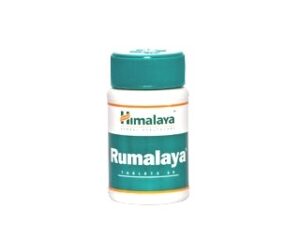
Rumalaya Fort is an oral medicine widely used in the United Kingdom for the relief of pain and stiffness associated with inflammatory joint conditions and musculoskeletal discomfort. This page is designed to help you understand how Rumalaya Fort works, how to take it safely, and what to consider if you are using other medicines or alcohol.
Always read the package leaflet provided with your medicine for the most accurate and up-to-date instructions. If you have any questions, speak to a pharmacist or a healthcare professional.
Quick Facts
- Product name: Rumalaya Fort
- Type: Oral pain-relief medicine for joint and muscle discomfort
- Common uses: Helps relieve pain, stiffness, and inflammation in certain joint conditions
- How it is taken: By mouth, usually on a regular schedule
- Key considerations: Follow dosing instructions, be cautious with alcohol, and check for interactions with other medicines
Basic Product Information
Rumalaya Fort is formulated to provide symptomatic relief from joint-related pain and inflammation. The exact composition can vary by market and formulation, so it’s important to confirm the active ingredients on your specific pack.
In the UK, consumers typically obtain Rumalaya Fort through pharmacy and online medicine retailers that comply with applicable regulations. Products may be supplied as branded medicine in blister packs or bottles.
Strength and pack size: Check your specific product label for strength (mg) and the number of doses per pack.
How Rumalaya Fort Works (Mechanism of Action)
Rumalaya Fort is designed to reduce pain and inflammation. While the precise mechanism depends on the ingredient profile of the particular formulation you have, most similar medicines aim to:
- Reduce inflammatory signalling involved in painful, swollen joints
- Support comfort and mobility by easing stiffness
- Target musculoskeletal discomfort to make daily activities easier
For many people, benefits build over time, particularly in conditions with ongoing inflammation. Use it consistently as directed to achieve the best results.
Pharmacokinetics (Absorption, Distribution, Metabolism, Excretion)
Pharmacokinetics describes what the body does to a medicine after you take it. Exact values can vary between individuals and depend on formulation and dose. In general terms, for oral products like Rumalaya Fort, the process usually includes:
- Absorption: The medicine is absorbed through the digestive tract into the bloodstream.
- Distribution: Active components distribute to tissues where they may help relieve inflammation and pain.
- Metabolism: The body breaks down components, commonly in the liver.
- Excretion: Metabolites are removed from the body, primarily through the kidneys and/or bile.
Because individual metabolism differs (for example, in people with liver or kidney impairment), your healthcare professional may recommend extra caution or closer monitoring.
Typical Use and Indications (What it is Used For)
Rumalaya Fort is typically used for the symptomatic relief of pain and inflammation linked to musculoskeletal and joint conditions. Common indications include:
- Joint pain and stiffness
- Inflammatory joint discomfort (for example, flare-ups associated with chronic joint conditions)
- Muscle and soft tissue pain where anti-inflammatory pain relief may be beneficial
- Reduced mobility due to pain, to help support day-to-day activity
This medicine may help relieve symptoms, but it does not necessarily cure the underlying condition. If symptoms persist, worsen, or frequently return, seek medical advice.
How to Take Rumalaya Fort (Timing and Dosing)
Important: Always follow the dosing instructions on your pack or provided by a clinician. Doses may vary depending on age, symptom severity, and the specific formulation.
Typical adult dosing (general guidance)
Many patients are advised to take Rumalaya Fort regularly for the relief of joint pain and inflammation. A common approach is:
- Adults: Follow the pack instructions for the dose and frequency.
- Children: Not recommended unless specifically advised by a healthcare professional.
- Elderly: Use caution and adhere strictly to recommended doses.
If you are unsure of your dose, check the label or ask a pharmacist.
When to take it
- Consistency matters: Taking it at the same times each day can help maintain symptom relief.
- Morning and evening: If your dosing is twice daily, it is often taken morning and evening.
- On flare-ups: Some people take it during periods when symptoms intensify, as directed.
Timing to expect effects: Some individuals notice improvement after the first day, while others feel benefits more clearly after several days of consistent use. If there is no improvement within the expected timeframe on the pack, ask a healthcare professional.
Food Interactions (Can I take it with meals?)
In many oral medicines, food can affect how quickly a dose is absorbed. For Rumalaya Fort, the best approach is usually:
- Take with food if it upsets your stomach (unless the pack leaflet advises otherwise).
- Avoid irregular timing if you notice reduced benefit when taken on an empty stomach.
To ensure safety and maximum benefit, follow the specific instructions printed on your packaging.
Alcohol and Medicine Interactions
Alcohol can worsen side effects and may increase the risk of stomach irritation, dizziness, or liver strain with certain medicines. For Rumalaya Fort, the general guidance is:
- Limit or avoid alcohol while taking the medicine, especially if you feel drowsy, light-headed, or have stomach discomfort.
- If you drink regularly or have a liver condition, seek medical advice before use.
- Watch for symptoms such as nausea, abdominal pain, unusual tiredness, or jaundice (yellowing of eyes/skin).
If you are taking other medicines, alcohol may increase the likelihood of interactions. Always provide your pharmacist with a full list of medicines and supplements.
Medicine Interactions (Other medicines to consider)
Interactions can occur when medicines affect each other’s absorption, metabolism, or overall safety. Always check with a pharmacist if you take any of the following categories (not an exhaustive list):
- Other painkillers (especially anti-inflammatory drugs)
- Medicines that affect the stomach (for example, medicines that protect the stomach lining)
- Medicines affecting the liver (regular paracetamol at high doses, some antibiotics, anti-seizure medicines)
- Blood-thinning medicines (e.g., warfarin) or agents affecting bleeding risk
- Medicines that may affect kidney function
Provide a complete list of:
- All prescription medicines
- Over-the-counter pain relief
- Herbal products and supplements
- Previous reactions to pain-relief medicines
Dosing Guidance: Missed Dose and Overdose
If you miss a dose
- Take it as soon as you remember unless it is close to your next dose.
- Do not double the dose to make up for a missed one.
- If you miss multiple doses or are unsure what to do, seek advice from a pharmacist.
If you take too much
- Do not exceed the recommended dose.
- If an overdose is suspected, seek urgent medical advice or contact NHS services (such as 111) for guidance.
- Keep the medicine pack available for healthcare staff.
Safety Profile and Possible Side Effects
Like all medicines, Rumalaya Fort can cause side effects, although not everyone gets them. Most side effects are mild and temporary. However, stop use and seek urgent medical advice if you develop severe or concerning symptoms.
Common side effects (may be mild)
- Stomach discomfort (such as indigestion or nausea)
- Heartburn
- Mild dizziness in some people
Seek medical advice urgently if you notice
- Allergic reaction: swelling of face/lips, difficulty breathing, widespread rash
- Severe abdominal pain or vomiting
- Yellowing of the skin/eyes (possible liver concern)
- Black stools or blood in vomit (possible serious gastrointestinal bleeding)
- Chest pain, severe weakness, or fainting
Who should use extra caution
Speak to a pharmacist or healthcare professional before using Rumalaya Fort if you:
- Have liver disease or a history of abnormal liver tests
- Have kidney disease
- Have a history of stomach ulcers or bleeding
- Are taking multiple pain-relief medicines
- Are pregnant or breastfeeding (seek advice for suitability)
- Are planning surgery
Practical Use Tips for Better Results
- Use consistently: If you take it for ongoing joint issues, maintain your schedule as directed.
- Pair with gentle activity: Light movement (walking, range-of-motion exercises) can complement pain relief.
- Manage triggers: Cold/heat therapy and ergonomic adjustments may reduce stiffness.
- Track symptoms: Note improvements in pain, stiffness, and mobility to judge effectiveness.
- Avoid stacking similar medicines: If you also take another anti-inflammatory or painkiller, check safety and avoid duplicating active ingredients.
- Store correctly: Keep the medicine in a cool, dry place away from direct sunlight and out of reach of children.
Alternative Options (Depending on Your Needs)
If Rumalaya Fort is not suitable or doesn’t provide sufficient relief, there are other options. The best choice depends on your symptoms, medical history, and other medicines you take.
Other common categories used for joint pain
- Paracetamol for pain relief (may be suitable for some people)
- Anti-inflammatory medicines (NSAIDs) for inflammation-related pain (requires caution and advice)
- Topical gels/creams for localized joint pain
- Non-medicine approaches such as physiotherapy, exercise programmes, heat/cold therapy, and weight management
In inflammatory joint conditions, long-term management may include disease-targeting treatments. If you’re dealing with persistent swelling or worsening symptoms, consider speaking with a clinician for a personalised plan.
Market and Legal Context for the UK
In the United Kingdom, medicines and medicinal products must follow regulatory requirements overseen by the Medicines and Healthcare products Regulatory Agency (MHRA). Online supply of medicines is regulated, and reputable suppliers follow legal requirements for:
- Product authenticity and correct labelling
- Appropriate supply chain handling
- Consumer safety information (e.g., packaging, instructions, warnings)
- Compliance with UK medicine distribution rules
If you are ordering Rumalaya Fort from an online pharmacy or authorised retailer, check that the seller provides clear product information, accessible patient information leaflets, and delivery details.
Recent guidance (general)
UK public health guidance continues to emphasise:
- Only using medicines as directed
- Being alert to drug interactions and side effects
- Seeking medical advice when symptoms persist or worsen
- For persistent joint pain, evaluating the underlying cause rather than relying on pain relief alone
Delivery and Availability in the UK
Rumalaya Fort is commonly available from online pharmacies and medicine retailers, subject to stock availability and the supplier’s usual delivery service. Delivery times can vary by location within the UK.
- Availability: Check the product page for current stock status
- Dispatch: Orders are typically dispatched on business days
- Delivery: Standard and express delivery options may be offered
- Tracking: Some deliveries include tracking information
If you have dietary or packaging concerns (for example, gelatine-free capsules), contact customer support before ordering to confirm product details.
FAQ – Frequently Asked Questions
1) What is Rumalaya Fort used for?
Rumalaya Fort is used for symptomatic relief of pain and inflammation associated with musculoskeletal and joint discomfort. It may help reduce stiffness and support comfort during daily activities.
2) How long does it take to work?
Some people notice improvement within the first few days, but for others it may take longer. If you don’t see expected relief within the timeframe described on the pack or patient information, speak to a pharmacist or clinician.
3) Can I take Rumalaya Fort with food?
Many patients find it easier on the stomach when taken with meals, but the exact instruction may depend on the specific formulation. Follow the guidance on the pack. If you get indigestion, taking it with food may help.
4) Is it safe to drink alcohol while taking Rumalaya Fort?
It’s generally advisable to limit or avoid alcohol while using the medicine, as alcohol can worsen side effects and may increase strain on the body, particularly if you drink regularly or have liver-related issues.
5) What should I do if I miss a dose?
Take the missed dose when you remember unless it’s almost time for your next dose. Don’t take a double dose. If you’re unsure, ask a pharmacist for advice.
6) Can I take other painkillers at the same time?
You may be able to, but it depends on what you’re taking and your personal risk factors. Some combinations can increase the chance of stomach, kidney, or liver side effects. If you want to combine medicines, check first with a pharmacist.
7) Who should not use Rumalaya Fort?
People with certain conditions (such as significant liver or kidney problems, a history of serious stomach bleeding, or known allergy to ingredients) should use extra caution and seek advice. Always check the contraindications and warnings on the product leaflet.
8) Are there side effects?
Yes, possible side effects include stomach discomfort or indigestion. Serious allergic reactions or severe gastrointestinal/liver-related symptoms require urgent medical attention.
9) Is Rumalaya Fort available across the UK?
Availability depends on the supplier and stock levels. Online retailers in the UK typically deliver to many areas, but delivery times and options vary by location.
Summary
Rumalaya Fort is an oral medicine commonly used in the UK to help relieve pain, stiffness, and inflammation related to joint and musculoskeletal discomfort. For best results, take it as directed, consider food timing if you experience stomach upset, and be cautious with alcohol and other medicines due to interaction risks. If symptoms persist, worsen, or you experience severe side effects, seek timely advice from a healthcare professional.
Key Information at a Glance
| Topic | What you should know |
|---|---|
| Purpose | Symptomatic relief of joint and musculoskeletal pain and inflammation |
| How it works | Helps reduce inflammatory processes that contribute to pain and stiffness |
| Taking it | By mouth, follow pack dosing instructions for frequency |
| Food | Often taken with or after food if it upsets the stomach (follow pack guidance) |
| Alcohol | Generally limit/avoid alcohol to reduce risk of side effects |
| Interactions | Check before combining with other painkillers, blood thinners, or liver/kidney-affecting medicines |
| Seek help urgently | Allergic reaction, severe abdominal symptoms, black stools, or yellowing of skin/eyes |
| UK availability | Supplied through online pharmacy/authorised retailers; delivery times vary |