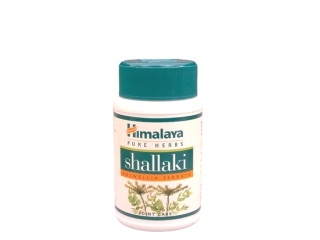
Shallaki (Boswellia serrata) – Patient-Friendly Guide for the UK
Shallaki is a herbal medicine containing Boswellia serrata extract, traditionally used to support healthy joints. In the United Kingdom (UK), Shallaki is commonly chosen by people looking for a natural approach to joint comfort, particularly when everyday mobility is affected by age or activity.
This guide explains what Shallaki is, how it works, how it’s taken, safety considerations, and practical tips. It also covers possible interactions, alternative options, and the UK-specific context for availability.
Basic product information
| Feature | What you should know |
|---|---|
| Active ingredient | Boswellia serrata extract (standardised herbal extract; formulation may vary by product strength) |
| Typical form | Often available as oral capsules or tablets (strength and excipients can differ between brands) |
| Common use | Support for joint comfort and mobility |
| How it’s taken | Usually by mouth, with food or after meals depending on your product instructions |
| UK availability | May be supplied as an authorised product depending on the specific formulation; always check the label for UK status and batch details |
Important: Always read the specific pack and leaflet for your exact Shallaki product (because strength and dosing instructions can vary). If you’re unsure, speak to a pharmacist.
How Shallaki works (mechanism of action)
Boswellia serrata contains naturally occurring compounds, including boswellic acids. The most widely discussed mechanism relates to anti-inflammatory effects:
- Anti-inflammatory activity: Boswellic acids are thought to influence pathways involved in inflammation. This may help reduce inflammatory processes associated with joint discomfort.
- Support for joint comfort: By helping to moderate inflammation, Shallaki may contribute to improved comfort and mobility over time.
- Antioxidant properties: Some Boswellia extracts show antioxidant activity, which may help protect tissues from stress related to inflammation.
Because Shallaki is a herbal extract, exact effects can vary between products depending on standardisation, dose, and consistency of use.
Pharmacokinetics (how the body handles it)
Pharmacokinetics refers to how a substance is absorbed, distributed, metabolised, and eliminated in the body. For Boswellia extracts, full pharmacokinetic profiles can be complex and may differ by product and by the specific boswellic acids contained.
- Absorption: Boswellic acid components are often absorbed at varying levels. Food and formulation can influence absorption.
- Distribution: Once absorbed, compounds may reach tissues where inflammatory processes occur.
- Metabolism: Herbal constituents may be metabolised in the liver and/or gut, but pathways can differ between specific compounds and individuals.
- Excretion: Metabolised products are typically eliminated via normal bodily routes (often involving bile and/or urine).
Practical takeaway: Because onset may not be immediate, consistent use and adequate time are often required to notice benefits.
Typical use and indications
Shallaki is primarily used to support joint comfort and mobility. In many cases, people consider Shallaki for conditions where inflammation may contribute to symptoms, such as:
- Osteoarthritis-related discomfort (symptoms such as stiffness and aches)
- Age-related joint discomfort
- Stiffness that worsens after rest and improves with gentle movement
Indication wording varies by product: Some formulations may be marketed with specific wording depending on UK regulatory status. Always check your pack for the approved/labelled uses for that specific product.
Timing: when to take Shallaki
Timing can be simple, but consistency matters. Many people take Shallaki:
- Once or twice daily depending on the dose on the label
- With food to help reduce the chance of stomach upset and to support absorption
- At roughly the same times each day so blood levels remain more steady
How long until it may help? Herbal joint products commonly take several weeks to show noticeable effects. If there is no improvement after the timeframe stated on the pack or in the leaflet, ask your pharmacist or GP for advice.
Dosing (how much to take)
Dosing depends on your specific Shallaki strength and formulation. Always follow the instructions on your product label or the patient information leaflet.
General guidance (not a substitute for your label):
- Most commonly taken in divided doses (for example, morning and evening) if prescribed as multiple daily administrations.
- The goal is to meet the daily dose stated on the packaging.
If you miss a dose:
- Take it when you remember unless it’s close to your next dose.
- Do not take a double dose to make up for a missed dose.
If you’re unsure about your specific dosing schedule, consult your pharmacist.
Food interactions and what to expect
Shallaki is generally taken with food or after meals. Food can affect absorption and may help reduce gastrointestinal discomfort.
- With meals: Often preferred for better tolerance.
- Fasting: If you choose to take it on an empty stomach, some people may experience stomach upset. If this happens, switch to taking it with food.
- High-fat meals: Because herbal extract absorption can be formulation-dependent, some people find it more tolerable with regular meals. Follow your product’s instructions.
Tip: Keep your routine consistent—e.g., always take it with breakfast and/or dinner.
Alcohol and medicine interactions
Alcohol: There is no universally guaranteed interaction for all Boswellia products, but it’s sensible to use caution.
- If you drink alcohol, keep within UK guidelines and avoid heavy drinking.
- If you notice increased dizziness, stomach upset, or any unusual symptoms after combining alcohol and Shallaki, stop alcohol and speak to a healthcare professional.
Interactions with medicines: Herbal products can interact with other treatments through effects on metabolism or effects on the stomach.
Be especially cautious and ask a pharmacist before use if you take:
- Blood thinners (e.g., warfarin) or medicines that affect bleeding risk
- Anti-inflammatory or pain medicines (e.g., NSAIDs) if you’re using several therapies together
- Medicines affecting the liver or if you have existing liver disease
- Immunosuppressants (because immune-modifying therapies require careful coordination)
Practical approach: Tell your pharmacist about all medicines, vitamins, and herbal products you use. This ensures you get guidance tailored to your situation.
Safety profile: who should be careful?
Shallaki is generally well tolerated by many adults when used as directed. However, as with all medicines and herbal extracts, side effects and contraindications can occur.
Common or expected side effects
- Stomach discomfort, nausea, or indigestion (often improved by taking with food)
- Mild headache in some people
- Loose stools or changes in bowel habits (less common)
Less common, but important—seek advice
- Allergic reactions such as rash, itching, swelling, or breathing difficulties (stop use immediately and seek urgent medical help if severe)
- Signs of liver problems (e.g., yellowing of the skin/eyes, dark urine, persistent upper abdominal pain). Seek medical advice promptly.
Who should not use Shallaki (or should get advice first)?
Check your product label and leaflet, but in general, extra caution is needed if:
- You are pregnant or breastfeeding (medical advice is recommended before use)
- You are taking multiple medicines or have chronic liver disease
- You have a history of herb allergies
- You are using Shallaki alongside other joint supplements or anti-inflammatory treatments and are unsure about total dosing
Children: Use in children is not usually recommended unless specifically directed by a clinician and supported by the product’s licensing information.
Practical use tips for best results
- Be consistent: Take it daily at the same time (with meals if directed) for the full trial period.
- Give it time: Joint comfort improvements may take a few weeks. Avoid judging too early.
- Track symptoms: Consider noting morning stiffness duration, pain scores, or walking comfort weekly to see whether it’s helping.
- Maintain joint-friendly habits: Gentle movement, physiotherapy exercises, appropriate footwear, and weight management can strongly affect joint comfort.
- Avoid “stacking” without checks: If you also take glucosamine, chondroitin, turmeric/curcumin, omega-3, or other herbal anti-inflammatories, confirm there are no duplications or interaction concerns.
- Stop and seek advice if problems occur: If you develop new symptoms such as rash, persistent stomach pain, or signs of allergy, stop and speak to a pharmacist/GP.
Alternative options (UK-friendly overview)
If you’re considering Shallaki, it can be helpful to compare with other approaches for joint comfort. Alternatives may include:
Non-medicine options
- Physiotherapy and strengthening exercises to improve joint support
- Activity management (pacing) and low-impact exercise (walking, cycling, swimming)
- Heat/cold therapy for stiffness or flare-ups
- Supportive devices such as braces or insoles where appropriate
Medicines often used for joint pain
- Topical NSAIDs (e.g., gels) for localised knee or hand discomfort
- Oral pain relief such as paracetamol for pain control (depending on suitability)
- Oral NSAIDs for selected people (may carry gastrointestinal and kidney risks)
Other supplements and herbal products
- Glucosamine and chondroitin (evidence varies by person and formulation)
- Curcumin/turmeric extracts (anti-inflammatory potential; interactions possible)
- Omega-3 fatty acids (may help some inflammatory symptoms)
Choosing the right option: If symptoms are persistent, worsening, or affecting your ability to work or move safely, speak to a pharmacist or GP. The best plan often combines lifestyle and evidence-based treatments.
Market and legal context in the UK
In the UK, products containing medicinal ingredients are regulated to ensure quality, safety, and appropriate information for users. Depending on the exact product and formulation:
- Shallaki may be supplied as a herbal medicinal product, a traditional herbal registration
- Authorised products must provide clear dosing instructions, side-effect information, and contraindications on the label and patient information leaflet.
- If you purchase online, ensure you’re buying from a legitimate retailer and that the pack contains UK label details (e.g., batch/expiry and product information).
Recent regulatory emphasis: The UK continues to focus on consumer safety, product quality, and transparency, particularly for products that claim to support health conditions. Always verify that your chosen item is an actual medicinal product (where applicable) rather than an unregulated supplement.
Note: This page provides general patient information. Product status and approved use can differ between brands and strengths—check the pack for the official details.
Recent guidance and practical considerations
UK guidance for long-term joint problems typically highlights:
- Early, tailored management of joint conditions where possible
- Exercise and physiotherapy as cornerstone approaches for osteoarthritis and chronic joint discomfort
- Safe use of pain relief (including checking for interactions and limiting prolonged use of certain medicines)
- Reviewing treatments if symptoms do not improve, rather than continuing indefinitely
For herbal medicines like Shallaki, the same principle applies: use as directed, allow time for effect, and seek advice if you don’t benefit or if symptoms worsen.
Delivery and availability (UK online ordering)
Shallaki is commonly available through UK pharmacies and online retailers, subject to stock availability and your location. Delivery options can vary, but typical patterns include:
- Standard delivery: 2–5 working days (depending on carrier and region)
- Express delivery: next day or 1–2 working days for eligible postcodes
- Order cut-off times: may apply for same-day dispatch
What to check before ordering:
- That the product you select is the correct Shallaki strength and pack size
- The expiry date shown on the product listing
- That the retailer provides appropriate pharmacy/medical compliance information
Storage: Store the product according to the label (typically in a cool, dry place, away from direct sunlight and out of reach of children).
FAQ about Shallaki
1) What is Shallaki used for?
Shallaki (Boswellia serrata extract) is commonly used to support joint comfort and mobility, particularly where inflammation may contribute to stiffness and aches.
2) How long does it take to work?
Many people notice changes after several weeks. If you don’t feel any benefit within the period suggested on the pack, seek advice from a pharmacist or GP.
3) Should I take Shallaki with food?
Often yes. Taking it with meals can improve tolerance and may support absorption. Always follow your product’s label instructions.
4) Can I drink alcohol while taking Shallaki?
Moderate alcohol use may be fine for many people, but there’s no universal guarantee. If you notice stomach upset, dizziness, or other adverse effects after combining, avoid alcohol and speak to a pharmacist.
5) Can Shallaki be taken with other medicines?
It may be possible, but interactions can occur with certain medicines (for example, blood thinners or liver-metabolised medicines). Tell your pharmacist about all medicines and supplements you take before starting.
6) Is Shallaki suitable for everyone?
Not necessarily. People who are pregnant or breastfeeding, those with liver problems, and those with known herbal allergies should get professional advice first. Check the pack for specific contraindications and warnings.
7) What side effects might occur?
Possible side effects include mild stomach discomfort or digestive changes. Stop use and seek medical advice promptly if you develop signs of allergy or symptoms suggestive of liver issues.
8) What should I do if I miss a dose?
Take it when you remember unless it’s close to your next dose. Don’t take a double dose.
9) Are there alternatives to Shallaki?
Yes. Alternatives include lifestyle measures (exercise/physio), topical or oral pain relief where appropriate, and other supplements such as glucosamine, curcumin, or omega-3—each with different evidence and safety profiles.
10) How do I choose the right product from an online pharmacy?
Check the exact Shallaki strength, dosing instructions, expiry date, and that the retailer supplies UK-compliant product information. If unsure, contact a pharmacist for guidance.
When to get medical advice
Speak to a healthcare professional if you have:
- Severe or rapidly worsening joint pain
- Swelling, warmth, or redness in a joint
- Joint pain with fever or feeling unwell
- Symptoms that persist despite using Shallaki as directed
- Any signs of an allergic reaction or suspected liver problems
Taking control of joint health often works best with a plan tailored to your needs. Shallaki may be one part of that plan when used correctly and safely.