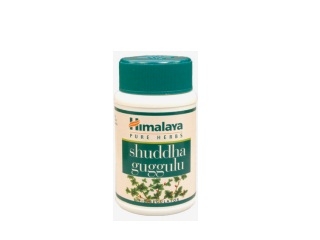

Shuddha Guggulu (Shuddha Guggul) – Herbal Supplement for Healthy Joints & Metabolic Support (UK)
Shuddha guggulu is a traditional herbal preparation made from the purified resin of Commiphora mukul (guggul). In Ayurvedic tradition, it has been used for centuries to support healthy joints, healthy cholesterol levels, and overall metabolic balance. Today, Shuddha guggulu is commonly taken as an herbal supplement in capsule or tablet form.
This page is designed to help you understand what Shuddha guggulu is, how it may work, how it is typically taken, and what to consider for safety—especially if you are in the United Kingdom.
Quick Product Overview
| Category | Herbal supplement (Ayurvedic) |
|---|---|
| Common name | Shuddha Guggulu / Shuddha Guggul |
| Source | Purified guggul resin (Commiphora mukul) |
| Typical form | Capsules, tablets, or powders (depending on brand) |
| Traditional uses | Healthy joints, cholesterol/metabolic support, seasonal comfort |
| How it is usually taken | Typically with food; exact timing varies by product |
| Key cautions | Thyroid conditions, pregnancy/breastfeeding, liver concerns, drug interactions |
What Is Shuddha Guggulu?
Guggulu refers to the resin from Commiphora mukul. “Shuddha” means purified. Purification is intended to remove certain plant constituents while keeping key active compounds. Guggulu contains phytochemicals including guggulsterones, which are widely discussed in relation to the herbal’s traditional and modern interest.
Because products can vary, always check the brand label for:
- Standardised extract or resin content (if stated)
- Strength per capsule/tablet
- Serving size and recommended daily intake
- Other ingredients (excipients, fillers, additional herbs)
How Shuddha Guggulu May Work (Mechanism of Action)
Herbal supplements contain multiple compounds, and their effects can differ from person to person. Below are the main mechanisms that researchers and herbal practitioners commonly discuss for guggulu.
-
Lipid and metabolic support (cholesterol pathway)
Guggulu has been studied for possible effects on lipid metabolism. One commonly referenced pathway involves nuclear receptors involved in fat/cholesterol handling (for example, related receptors such as FXR and other pathways). This may contribute to improvements in lipid profiles in some users. -
Anti-inflammatory support
In laboratory and preclinical contexts, guggulu constituents have shown potential to influence inflammatory signalling. This may be one reason Shuddha guggulu is traditionally used for comfort in joints and stiffness. -
Antioxidant effects
The herb may help support the body’s antioxidant systems by scavenging certain reactive species and modulating oxidative stress pathways (evidence varies by study type). -
Skin and tissue comfort (traditional use)
Traditional formulations sometimes use guggulu for skin clarity and overall tissue support, which may relate to its broader metabolic and inflammatory actions.
Important: While these mechanisms are biologically plausible, individual responses vary, and herbal effects are generally not as predictable as prescription medicines.
Pharmacokinetics (Absorption, Distribution, Metabolism, Excretion)
“Pharmacokinetics” describes what happens to a substance in the body—how it is absorbed, broken down, and eliminated. For Shuddha guggulu and related guggul formulations, published data is still developing and can vary by:
- Whether the product is purified resin, extract, or standardised formulation
- Dose and formulation (capsule vs powder vs combined ingredients)
- Individual digestive differences
General considerations include:
- Absorption: Guggul compounds are likely to be absorbed from the gastrointestinal tract, but absorption may be affected by food, bile secretion, and overall digestion.
- Metabolism: Like many plant-derived compounds, guggulu constituents may be metabolised in the liver (via common drug-metabolising enzyme systems). This is one reason interactions can be relevant.
- Elimination: Metabolites are typically excreted via bile and/or urine, though exact rates depend on the specific constituents and formulation.
Practical takeaway: Because pharmacokinetics can be formulation-dependent, it’s best to follow the manufacturer’s instructions for consistent use and to give the product a reasonable trial period (often several weeks) if you’re using it for metabolic or joint support.
Typical Uses in Traditional and Modern Context
In Ayurvedic practice, Shuddha guggulu is commonly used for:
- Joint comfort (supporting mobility and comfort associated with stiffness)
- Metabolic and lipid balance, including support for healthy cholesterol levels
- Seasonal wellness (some people use it during times when they experience stiffness or heaviness)
- General “ama”/metabolic balance concepts in Ayurveda (traditional explanation for digestive and metabolic harmony)
Note on claims: UK supplement regulations require careful wording. We recommend choosing products whose labels use compliant, evidence-based style language (e.g., “supports” rather than disease claims).
Indications (Who It May Be Suitable For)
Shuddha guggulu may be considered by adults seeking supplemental support for:
- Healthy inflammatory balance and joint comfort
- Lipid/metabolic support as part of a broader lifestyle approach (diet, activity)
- Wellness routines that incorporate Ayurvedic herbal supplements
Not for everyone: If you have certain medical conditions (especially thyroid disorders) or take specific medicines, you should read the safety and interaction sections carefully and seek professional advice if needed.
How to Take Shuddha Guggulu (Timing & Dosing)
Always follow the label of your specific product. Doses differ between brands and formulations.
Typical adult dosing (general guidance)
- Common range: Many Shuddha guggulu supplements are taken in divided doses across the day.
- Example approach: Some users take a dose 1–2 times daily, often with meals.
- Start low: If you are new to guggulu, consider starting at the lower end of the recommended range to assess tolerance.
Duration: Herbal supplements are often used for several weeks to observe any meaningful lifestyle effects. If you do not notice any benefit after a reasonable trial, reassess your routine.
Timing (with or without food?)
- With food is commonly preferred because guggulu compounds may be better tolerated alongside meals.
- If your stomach feels sensitive, take it after a meal rather than on an empty stomach.
- For metabolic goals, many people keep a consistent schedule—e.g., morning and evening with meals.
Missed dose: Take it when you remember if it’s close to the next planned dose. Otherwise skip and continue with the next dose—don’t double.
Food Interactions & Lifestyle Considerations
Food can influence how herbal constituents are absorbed and how your body tolerates the supplement.
What food may do
- Fat-containing meals: Some guggulu compounds may be absorbed differently with dietary fat because bile secretion increases after eating. Many people find taking with meals helps overall tolerance.
- Very heavy or spicy meals: If you experience stomach discomfort, you may prefer to take it with a lighter meal.
Diet and supplement synergy
- If you’re taking it for lipid/metabolic support, pair it with a heart-healthy routine (e.g., fibre-rich diet, regular activity, and reducing ultra-processed foods).
- Stay hydrated and maintain consistent sleep and exercise habits to support overall results.
Alcohol Interactions & Other Medicines
Herbal supplements may interact with medicines through shared metabolic pathways or additive effects on liver enzymes and inflammation pathways. While specific interactions depend on the exact formulation and your medication list, the points below are important.
Alcohol
- Moderate or avoid alcohol during herbal use if you have a history of liver sensitivity, as alcohol can increase liver strain.
- If you notice any symptoms like nausea, fatigue, dark urine, or upper abdominal discomfort, stop the supplement and seek medical advice.
Common medicine interaction considerations
Because guggulu can influence lipid metabolism and may be metabolised through liver pathways, extra caution is warranted if you take:
- Thyroid medications (e.g., levothyroxine): guggulu may affect thyroid-related hormones in some people. This is one of the most important cautions.
- Lipid-lowering medicines (e.g., statins, fibrates, ezetimibe): combining may affect overall lipid changes and increase monitoring needs.
- Warfarin or other anticoagulants: herbal components can sometimes affect bleeding risk through changes in metabolism. Extra caution and professional oversight are advised.
- Anti-diabetic medicines: if your blood sugar changes, you may need monitoring to avoid imbalance.
- Liver-metabolised medicines: interactions may occur if both are processed by similar liver enzyme systems (the exact risk depends on the product and your medication).
What to do: If you take regular medicines, consider discussing the supplement with a pharmacist or GP—especially if you have thyroid disease, take anticoagulants, or have previously had abnormal liver blood tests.
Safety Profile & Side Effects
Shuddha guggulu is generally used as a dietary supplement by many adults. However, herbal supplements can still cause side effects, especially in sensitive individuals or when taken with interacting medicines.
Potential side effects
- Gastrointestinal discomfort: nausea, stomach upset, loose stools, or abdominal discomfort
- Headache or dizziness (less common)
- Skin reactions (rare; rash or itching)
- Changes in thyroid-related symptoms (stop and seek advice if you develop palpitations, unusual heat intolerance, tremor, or significant fatigue)
Serious warning signs (seek medical advice promptly)
- Signs of possible liver stress: yellowing of eyes/skin (jaundice), dark urine, severe fatigue, severe abdominal pain, or persistent vomiting
- Allergic reaction: swelling of face/lips, trouble breathing, widespread hives
- Severe or persistent symptoms that do not settle
Who should avoid or be extra cautious
- Pregnancy and breastfeeding: it’s generally advised to avoid unless a qualified healthcare professional specifically recommends it.
- Thyroid disorders: especially if you have hyperthyroidism or are being monitored for thyroid function.
- Liver disease history: consult a healthcare professional before use.
- Children: do not use unless specifically indicated by a qualified professional and appropriate dosing is provided.
Practical Use Tips for Better Results
- Start gradually: if your label allows, begin with the lower end of the recommended dose for a few days.
- Take consistently: use at the same times each day and pair with meals if recommended on your label.
- Monitor your response: keep note of changes in comfort, digestion, and any new symptoms.
- Support with lifestyle: joint comfort improves more reliably with regular movement, strength exercises, good posture, and appropriate footwear.
- For lipid goals: maintain a fibre-rich diet, limit saturated fats, and follow advice from your GP or dietitian.
- Check product quality: choose brands that provide clear ingredient lists, batch/quality controls, and compliant labelling.
Alternative Options (If You’re Considering Other Approaches)
If you’re exploring Shuddha guggulu for joint comfort or metabolic support, you may also come across other supplements. Here are common alternatives used for similar wellness goals.
For joint comfort
- Curcumin (turmeric extract) – commonly used for comfort and inflammatory balance
- Glucosamine and chondroitin – widely used for joint-related support
- Omega-3 (fish oil) – supports inflammatory balance in some people
- Collagen peptides – may support connective tissue in some routines
For lipid/metabolic support
- Plant sterols/stanols – may help lower LDL cholesterol when used with a balanced diet
- Soluble fibre (e.g., psyllium) – supports digestive health and may affect cholesterol
- Red yeast rice – contains naturally occurring monacolins; caution and careful compliance are essential
Important: Even “natural” alternatives can interact with medicines. Review safety information and consider professional advice if you take regular drugs.
UK Market & Legal/Regulatory Context
In the United Kingdom, products sold as food supplements must comply with UK regulations. Herbal supplements are generally treated as foods and must:
- Be labelled clearly with ingredients and usage instructions
- Not make claims to treat, cure, or prevent disease in the same way as medicines
- Follow rules on vitamins/minerals and herbal constituents (where applicable)
- Meet requirements relating to safety and product standards
When browsing online, check that the product:
- Has a UK-compliant label
- Provides clear ingredient list and recommended daily intake
- Uses careful wording such as “supports” or “helps maintain” (rather than disease treatment claims)
Recent guidance and industry trends: In recent years, UK authorities and industry groups have increased focus on evidence-based claims, safety monitoring, and transparency for supplement products—particularly for products with herbal actives that could interact with medicines. Staying with reputable brands and verifying label details is especially important.
Delivery & Availability in the United Kingdom
Shuddha guggulu supplements are commonly available online in the UK through specialist health stores and general supplement retailers. Availability can vary by brand and pack size.
When purchasing online, consider:
- Stock status: some brands may have seasonal demand
- Pack size: larger bundles may offer better value
- Compatibility with your routine: choose capsule count or tablet size that is easy to take
- Batch/expiry: check packaging for expiry dates
Delivery expectations: delivery times vary depending on the supplier and your location. Most UK supplement retailers use standard tracked delivery options.
Storage: store in a cool, dry place away from direct sunlight. Keep out of reach of children.
FAQ
1) What is Shuddha guggulu made from?
It is made from Commiphora mukul (guggul) resin that has been purified (“Shuddha”). Some products are resin-based, while others are standardised extracts. Always check the label for the exact form and strength.
2) How long does it take to notice results?
Many users report changes in comfort or wellness over several weeks. If you do not notice any difference after a reasonable trial, reassess your goals, dosage, and lifestyle factors.
3) Should I take it with food?
Most people find it more comfortable with meals. If your label suggests “with food,” follow that guidance. If it upsets your stomach, take it after eating rather than on an empty stomach.
4) Can I take Shuddha guggulu if I have thyroid problems?
Extra caution is required. Because guggulu can potentially influence thyroid-related pathways in some users, people with thyroid conditions should consult a healthcare professional before using it, and monitor symptoms closely.
5) Does it interact with medicines?
Potential interactions can occur, especially with thyroid medication, anticoagulants, and other liver-metabolised medicines. If you take any regular medication, check with a pharmacist or GP before use.
6) Can I drink alcohol while taking it?
For safety, it’s best to keep alcohol moderate or avoid it—particularly if you have liver sensitivity or notice any adverse symptoms. If you feel unwell, stop and seek advice.
7) Are there side effects?
Possible side effects include stomach discomfort, nausea, or loose stools. Rarely, allergic reactions or signs of liver stress can occur. Stop use and seek medical advice if you experience serious or persistent symptoms.
8) Is Shuddha guggulu suitable for everyone?
No. It may not be suitable for pregnant or breastfeeding individuals, children, or people with thyroid disease or liver conditions without professional advice.
9) What’s the difference between Shuddha guggulu and other guggul products?
“Shuddha” indicates purified guggul resin. Other products may be unpurified resin, blends, or different extracts with different compositions. Always compare label ingredients and strength.
10) What are the best ways to improve results?
Use consistently as directed, take with meals if appropriate, and support the underlying goal with lifestyle—especially regular activity for joint comfort and diet for lipid/metabolic balance.
Disclaimer: This content is for general information only and does not replace personalised medical advice. If you are unsure whether Shuddha guggulu is appropriate for you—especially if you have medical conditions or take regular medicines—consult a qualified healthcare professional.