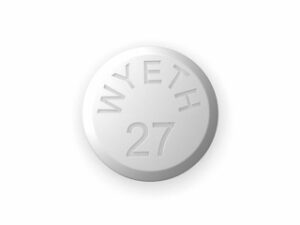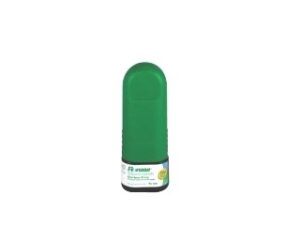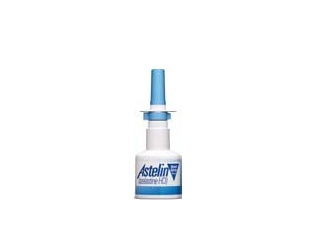
Astelin (Azelastine) Nasal Spray & Eye Drops – Patient Guide (UK)
Astelin is a brand name containing azelastine, an antihistamine medicine used to relieve symptoms caused by allergies. In the UK, azelastine is commonly available as a nasal spray for hay fever (allergic rhinitis) and, in some formulations, as eye drops for allergic eye symptoms.
This guide explains how Astelin works, how to use it, what to expect, and important safety information. It is written for patients in the United Kingdom and aims to be clear, practical, and easy to follow.
1) Basic product information
| Feature | Details |
|---|---|
| Active ingredient | Azelastine |
| Medicinal form | Nasal spray (and in some products, eye drops) |
| Medicine type | Antihistamine (H1 receptor blocker), with additional anti-allergic effects |
| Main use | Relief of allergic nasal symptoms; relief of allergic eye symptoms (depending on formulation) |
| Common conditions | Allergic rhinitis (seasonal and perennial), allergic conjunctivitis |
| Where it’s used | Primarily in the nose (nasal spray) and eyes (eye drops) |
Note: Formulations and strengths can vary. Always check the specific product label you receive, including the concentration (for example, microgram strength per spray) and age guidance for that exact product.
2) How Astelin works (mechanism of action)
Azelastine blocks histamine at H1 receptors and helps reduce allergic inflammation. When allergens trigger the immune system, histamine is released and causes symptoms such as:
- Blocked or runny nose
- Sneezing
- Itching (nose/throat)
- Watery, itchy eyes (for eye-drop formulations)
In addition to H1 blocking, azelastine has anti-allergic properties that may help stabilise the inflammatory response. Because of this, it can start working relatively quickly—often within hours—making it useful for both daily control and symptom flare-ups.
3) Pharmacokinetics (how the body handles it)
Pharmacokinetics describes how a medicine is absorbed, distributed, metabolised, and eliminated. With azelastine:
- Nasal use: Most of the medicine acts locally in the nose. A smaller amount may be absorbed into the bloodstream.
- Metabolism: Absorbed azelastine is metabolised in the liver (mainly via CYP enzyme pathways).
- Elimination: Metabolites are eliminated largely through the kidneys (urine) and to a smaller extent via bile/faeces.
Clinical implication: For most patients, systemic exposure from correct use of nasal spray is low. Still, side effects—although generally mild—can occur, especially if used incorrectly or if other sedating medicines are taken.
4) Typical uses and indications (what it treats)
A) Nasal spray (allergic rhinitis)
Azelastine nasal spray is used for the treatment of allergic rhinitis, including:
- Seasonal allergic rhinitis (e.g., pollen-related symptoms)
- Perennial allergic rhinitis (e.g., dust mite, pet allergens)
- Symptoms such as runny nose, sneezing, nasal itching, and congestion
B) Eye drops (allergic conjunctivitis)
If your product is an azelastine eye drop, it is typically indicated for allergic conjunctivitis, helping relieve:
- Itchy eyes
- Watery eyes
- Redness and irritation (as part of an allergy response)
Always confirm which indication applies to your specific Astelin product.
5) When to use it & timing
Timing can make a difference to how quickly symptoms improve. In general:
- For sudden symptoms: Use as soon as you notice the start of an allergy flare (e.g., sneezing, itchy nose, watery eyes).
- For daily control: Use at regular times during allergy season or when symptoms are persistent.
- Consistency: Many patients notice best results when used daily during high-exposure periods (pollen season, dusty indoor environments).
Practical tip: For nasal spray, aim to use it before your nose becomes very blocked, if possible. If you are severely congested, consider gentle saline rinsing first (if appropriate for you), then apply the azelastine.
6) Dosing (general guidance)
Dosing depends on the exact product and the patient’s age. The following is general information to help you understand typical regimens—please follow the instructions on your packaging or the leaflet provided.
A) Adults and adolescents
- Nasal spray: Common regimens are one spray into each nostril twice daily, though some products use different schedules or spray counts. Follow your product label.
- Eye drops (if applicable): Typical use is several times per day during symptoms, but exact frequency varies by formulation.
B) Children
Dosing for children depends on age and the specific formulation. Only use azelastine in children when it is appropriate for their age group according to the product instructions.
How to space doses
- Try to leave a roughly even gap between doses (for example, morning and evening).
- If symptoms flare in the afternoon, speak to a pharmacist or clinician about whether your specific formulation allows more frequent use.
Do not exceed the labeled dose. Overuse may increase side effects without improving results.
7) Food interactions
Food interactions are generally unlikely with azelastine nasal spray and eye drops because the medicine is applied locally to the nose/eyes and systemic absorption is limited.
However, for best comfort:
- If you feel a bitter taste after nasal sprays, you may notice it more when your mouth is open or after you eat/drink immediately. Avoid spraying during swallowing and keep your head slightly forward (not back).
- There is no strong evidence that specific foods react adversely with azelastine. Still, if you notice symptoms worsening after meals, consider whether you might have non-allergic triggers (such as reflux or irritants) contributing to nasal symptoms.
8) Alcohol and medicine interactions
A key consideration with antihistamines is drowsiness in some patients. Azelastine can cause side effects such as sleepiness or dizziness in certain people.
Alcohol
- Avoid or minimise alcohol
- Alcohol can increase the risk of reduced alertness.
Other medicines that may interact
Interactions depend on your personal medication list. Speak with a pharmacist if you take any of the following:
- Other sedating antihistamines (especially those taken by mouth)
- Sleeping tablets or medicines that make you drowsy
- Opioid pain medicines or strong anxiolytics
- Alcohol-containing medicines (some cough syrups or tonics)
- CNS depressants that affect brain alertness
Also tell a healthcare professional about:
- Any current allergy medicines you are using
- Other nasal sprays (especially steroid sprays) or eye drops
- Any liver problems or previous adverse drug reactions
Safety note: If you drive or use machinery, be cautious the first time you use azelastine—until you know how it affects you.
9) Safety profile and side effects
Most people tolerate azelastine well. Side effects are usually mild and often relate to local application.
Common side effects (may affect up to 1 in 10)
- Nasal: bitter taste, mild irritation, burning, or dryness in the nose/throat
- Throat: occasional throat discomfort
- Aftertaste: a bitter or metallic taste
Other possible side effects
- Sleepiness/drowsiness or dizziness (less common for nasal use, but possible)
- Headache
- Nosebleeds or increased irritation in some patients
- For eye drops: temporary eye discomfort, watery eyes, or mild irritation
Seek urgent medical advice if you experience
- Signs of severe allergy such as swelling of the face/lips, difficulty breathing, or widespread rash
- Severe dizziness or fainting
- Severe eye pain, vision changes, or persistent severe eye redness (for eye products)
Pregnancy and breastfeeding
If you are pregnant or breastfeeding, discuss use with a pharmacist or clinician. Many allergy treatments can be used during pregnancy, but the safest option depends on the stage of pregnancy, symptom severity, and your medical history.
10) Practical use tips (to get the best results)
How to use azelastine nasal spray correctly
- Blow your nose gently if needed.
- Shake the bottle if your leaflet instructs this.
- Remove the cap and prime the pump if required (many products require initial priming before first use).
- Insert the nozzle into one nostril while keeping your head slightly forward.
- Breathe in gently through your nose and press the spray.
- Keep your head forward for a few seconds (avoid tipping back).
- Repeat for the other nostril if your dose requires it.
- Wipe the nozzle and replace the cap.
Tip to reduce bitter taste: Use a gentle forward head position and avoid spraying while your head is tilted back or while swallowing. Some patients find results improve when they spray and then gently breathe out through the mouth.
How to use azelastine eye drops (if your product is for eyes)
- Wash hands.
- Gently pull down the lower eyelid.
- Instil the recommended drop without touching the eye or eyelid with the bottle tip.
- Close the eye and apply gentle pressure at the inner corner for 1 minute to reduce drainage.
- If using other eye drops, wait the recommended interval between products (often 5–10 minutes, depending on the leaflet).
Don’t stop too early
If your symptoms are frequent, use azelastine regularly for the period you’re exposed to allergens. For some people, effects are noticeable quickly, but persistent symptoms may require continued use over several days to judge overall benefit.
11) Alternative options for allergic rhinitis and conjunctivitis
Astelin (azelastine) is one approach to allergy relief. Depending on your symptoms, your pharmacist may discuss alternatives such as:
- Intranasal corticosteroid sprays (often first-line for persistent nasal allergy). These can be more effective for congestion over time, though they may take longer to start working.
- Oral non-sedating antihistamines (e.g., for sneezing and runny nose). These may have less local irritation but can vary in effect on congestion.
- Other intranasal antihistamines (different active ingredients from azelastine).
- Ocular antihistamine/mast-cell stabiliser eye drops for eye symptoms.
- Saline rinses to clear allergens and improve comfort (supportive therapy).
- Allergen avoidance and environmental control (filters, reducing exposure to dust mites, keeping windows closed during high pollen periods).
Combination therapy: Some patients benefit from using an intranasal antihistamine alongside an intranasal corticosteroid, but the exact plan should be tailored to your symptoms and the product guidance you follow.
12) Market and legal context in the UK
In the United Kingdom, allergy medicines are widely used and are subject to regulation by the Medicines and Healthcare products Regulatory Agency (MHRA) and follow EU/UK medicines framework requirements. Availability can vary between:
- Prescription medicines (where required by UK regulations for the specific product)
- Pharmacy and consumer access pathways depending on the formulation and strength
When buying online, it is important to choose a reputable provider and ensure the product you receive matches the exact brand, strength, and form described. Packaging and patient leaflets should be included.
Quality and safety expectation: A legitimate UK medicine supply will include clear labelling, batch information, and instructions for use.
13) Recent guidance and common clinical practice (UK-focused)
Management of allergic rhinitis in the UK typically emphasises:
- Stepwise treatment according to symptom severity and persistence.
- Preference for intranasal corticosteroids in moderate-to-severe or persistent nasal symptoms, with antihistamines used for symptom relief.
- Regular use during high-exposure periods and reassessment if symptoms do not improve.
- Environmental control measures alongside medicine.
Because some patients have faster symptom flare-ups (e.g., sneezing and runny nose), intranasal antihistamines like azelastine may be chosen for rapid relief, either alone or as part of a broader plan.
If symptoms are not controlled after following the labelled dosing for an appropriate period, it’s sensible to talk to a pharmacist or clinician—especially if you have asthma, sinus disease, or frequent infections.
14) Delivery, availability, and what to check when it arrives
Online pharmacies in the UK typically offer home delivery. Availability depends on local stock and supplier distribution. When you receive Astelin:
- Check the product name and active ingredient (azelastine).
- Confirm the strength and form (nasal spray vs eye drops).
- Check the expiry date on the packaging.
- Read the leaflet for detailed dosing and any device-priming steps.
- Store as instructed (commonly at room temperature; keep out of direct sunlight and away from children).
Delivery timeframe: This varies between retailers. Choose a supplier that clearly states dispatch and delivery estimates and provides tracking where possible.
15) FAQ
How quickly does Astelin work?
Many people notice symptom relief within a few hours. For ongoing allergy control, regular use during the allergen exposure period tends to provide the best overall benefit.
Can I use Astelin every day during allergy season?
Often, yes—depending on the product instructions and your symptoms. Follow the labelled dosing schedule and do not exceed the recommended frequency.
Will Astelin make me sleepy?
Some people report drowsiness or dizziness. This is less common with correct nasal spray use but can still occur. Be cautious the first time you use it, particularly if you drive.
Why do I get a bitter taste after using the nasal spray?
A bitter taste can happen when some of the medicine drains into the throat. Using a slightly forward head position, avoiding tilting back, and gentle inhalation can help reduce this.
Can I take Astelin with other allergy medicines?
Often, yes, but it depends on what other products you use. Combining multiple antihistamines can increase side effects such as drowsiness. Ask a pharmacist if you are unsure, especially if combining with sedating oral antihistamines.
Is Astelin suitable for children?
Children can use azelastine in some circumstances, but dosing and suitability depend on age and the exact formulation. Always check the age guidance on the product label or ask a pharmacist.
What should I do if I miss a dose?
If you miss a dose, take it when you remember unless it’s close to the time for your next dose. Do not double up.
What if symptoms get worse?
If your symptoms worsen despite using Astelin as directed, or you develop new symptoms such as fever, severe facial pain, or persistent discharge, seek advice from a clinician. It may indicate a non-allergic cause or an infection.
Can I use Astelin with contact lenses?
If you’re using eye drops and wear contact lenses, check the eye product leaflet for lens guidance. Some eye drops may advise waiting before reinserting lenses.
How should I store Astelin?
Store according to the leaflet, usually at room temperature and away from children. Keep the cap on and store away from direct sunlight and heat. Do not use the medicine after the expiry date.
Summary
Astelin (azelastine) is an antihistamine used to relieve allergic symptoms, especially in allergic rhinitis (nose) and—depending on the formulation—allergic conjunctivitis (eyes). It works by blocking histamine and reducing allergic inflammation. Many patients experience symptom improvement within hours, and correct technique can minimise common issues like a bitter taste or irritation.
If you have ongoing symptoms, side effects, or complex medical conditions, a pharmacist can help you choose the most appropriate approach for your allergy symptoms in the UK.