Testosterone Topical (Skin Gel / Solution) – Patient Information (United Kingdom)
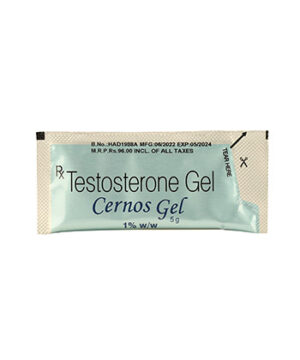
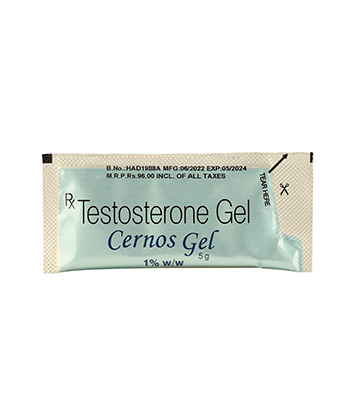
Testosterone topical medicines contain the male sex hormone testosterone and are applied to the skin to help treat specific conditions linked to low testosterone levels. This product information is designed to be patient-friendly and to support safer, more effective use. Always follow the instructions provided by your healthcare professional and the medicine’s patient leaflet.
Important: Testosterone can be transferred from skin-to-skin contact. Take special precautions to prevent accidental exposure of others (especially women and children).
1. Basic product information
| Category | What it is used for |
|---|---|
| Hormone replacement therapy (androgen) | Treatment of clinically significant low testosterone (hypogonadism) in adult men |
| Route of administration | Topical application to the skin (typically gel/solution) |
| How it works | Provides testosterone through the skin to help restore hormone levels |
| Typical dosing schedule | Usually once daily, at the same time each day |
2. How testosterone works (mechanism of action)
Testosterone is an androgen hormone. In the body, it helps regulate:
- Sexual function (libido and erectile function in some men)
- Reproductive system function
- Muscle mass and strength
- Bone density (helping maintain skeletal health)
- Energy and mood in some patients
- Red blood cell production (via effects on erythropoiesis)
Topical testosterone delivers the hormone into the bloodstream through the skin. This helps correct low testosterone levels and may improve symptoms such as reduced libido, fatigue, low mood, and loss of muscle mass—depending on the underlying cause of low testosterone.
3. Pharmacokinetics (how the medicine behaves in the body)
The pharmacokinetics of topical testosterone depend on the specific product, the dose applied, skin type, where it is applied, and whether the skin is intact. In general:
- Absorption: Testosterone is absorbed through the skin after application.
- Onset: Blood levels rise after application, typically reaching peak concentrations within the hours after dosing.
- Steady state: Regular once-daily use is needed to reach stable hormone levels.
- Metabolism: Testosterone is metabolised in the liver and other tissues, including conversion to metabolites such as dihydrotestosterone (DHT) and oestradiol.
- Elimination: Metabolites are excreted mainly via the urine.
Your clinician may check testosterone levels periodically to ensure your dose achieves target blood concentrations without excessive side effects.
4. Typical uses and indications (who it may be for)
Testosterone topical medicines are used to treat hypogonadism (low testosterone) in adult men when there is:
- Evidence of consistently low testosterone levels on blood tests, and
- Clinical symptoms consistent with testosterone deficiency.
Not all causes of low testosterone are the same. Symptoms can overlap with other conditions (e.g., thyroid disorders, depression, sleep apnoea, or medication side effects). Proper diagnosis is important.
5. Dosing: how much and how often
Dosing varies between products and individuals. Always use the strength and dosing instructions provided with your specific medicine. The information below is general.
Common dosing approach
- Frequency: Typically once daily.
- Timing: Apply at approximately the same time each day to maintain stable levels.
- Adjustments: Dose may be adjusted based on symptom response and blood test results.
Application sites (general)
Testosterone gel/solution is usually applied to clean, dry, intact skin on recommended body areas (often the shoulders/upper arms and/or abdomen, depending on the specific product). Your leaflet will specify the correct application areas.
Do not apply to broken skin, the genitals, or areas with irritation unless the leaflet specifically instructs otherwise.
Example timing pattern
- Apply each morning (or as instructed) after bathing and drying thoroughly.
- Allow time for the product to dry completely before dressing.
- Wait the recommended interval before washing the area, bathing, or swimming (see “Practical use tips” below).
6. When to expect effects and treatment timing
Response to testosterone therapy usually occurs gradually. Timelines can vary depending on your age, baseline hormone levels, and the cause of deficiency.
Typical timelines (general guidance)
- First few weeks: Some men notice changes in energy, mood, or libido.
- Several weeks to a few months: Improvements in sexual function and muscle mass may become clearer.
- Longer term (months): Bone density changes typically require longer treatment and monitoring.
If you do not notice any improvement after an appropriate period, or if symptoms worsen, discuss this with your healthcare professional. You may need dose adjustment or a review of diagnosis.
7. Food interactions
Because topical testosterone is absorbed through the skin rather than taken by mouth, food interactions are generally not expected. However, the overall safety of treatment can be affected by other medicines you take, and by your health conditions.
If your condition or medication plan includes changes to diet or supplements, discuss them with your clinician, particularly if you have heart disease, liver disease, or high blood counts.
8. Alcohol and medicine interactions
Alcohol
Moderate alcohol intake is not known to directly “cancel” topical testosterone in the way some oral medicines can, but alcohol may affect:
- Hormone balance indirectly (in some people)
- Sleep quality and mood
- Liver health (important because hormones are metabolised in the body)
If you drink alcohol, aim for moderation and seek medical advice if you have liver problems, heavy alcohol use, or symptoms such as jaundice.
Medicine interactions (important)
Testosterone can interact with other medicines through effects on hormone pathways and clotting/volume status in some patients. Tell your healthcare professional about all medicines you take, including:
- Blood thinners (anticoagulants/antiplatelets)
- Corticosteroids
- Medicines for diabetes (insulin or oral glucose-lowering medicines)
- Opioids (which can affect hormone levels)
- Medicines affecting liver enzymes or steroid metabolism
- Other hormone therapies
- Herbal products and supplements
Your clinician may monitor you more closely if you take medicines that affect bleeding risk, blood sugar, or liver function.
9. Safety profile: who should be cautious and what to watch for
Testosterone is generally effective when used appropriately, but it can cause side effects. The risk depends on dose, duration, your age, and health conditions. Regular monitoring is an important part of safe treatment.
Common or expected side effects
- Skin reactions at the application site (redness, itching, irritation)
- Acne or oily skin
- Headache
- Changes in libido
- Fluid retention (may cause swelling in some people)
- Changes in mood
Serious potential risks (seek urgent medical advice)
Contact a healthcare professional urgently if you experience symptoms suggestive of serious complications, such as:
- Breathing problems, chest pain, or signs of a blood clot
- Severe headache with visual changes
- Yellowing of the skin or eyes or severe abdominal pain (possible liver issues)
- Swelling of the legs or worsening shortness of breath (fluid retention/heart strain)
- Persistent or painful erections (priapism)
Monitoring and follow-up
Clinicians may monitor:
- Testosterone levels to confirm adequate replacement
- Full blood count (especially haemoglobin/haematocrit) due to possible increased red blood cell production
- Prostate-related assessments where appropriate (e.g., PSA and clinical assessment based on individual risk)
- Liver function if relevant to your history or risk factors
- Lipids and cardiovascular risk factors
- Symptoms and side effects
If you are known to have prostate or breast cancer, or other hormone-sensitive conditions, discuss suitability with your clinician.
10. Practical use tips (to get the best results safely)
The most important safety issue with topical testosterone is accidental transfer to others. The following tips help reduce risk.
Before you apply
- Apply only to clean, dry, intact skin.
- Wash your hands thoroughly before handling the product if they aren’t already clean.
- Confirm the correct dose and application area for your specific product.
How to apply
- Measure and apply the correct amount as directed.
- Spread gently and evenly.
- Do not rub in excessively beyond what is recommended.
After applying
- Wash your hands immediately after application.
- Allow the gel/solution to dry completely before dressing.
- Cover the area with clothing once dry, if instructed or if you are concerned about contact.
- Avoid skin-to-skin contact at the application site with others until the product has dried and the recommended interval has passed.
Preventing transfer to others
To protect partners, children, and pets:
- Avoid close skin contact on the treated area until you have completed the recommended drying interval.
- Wear a T-shirt or clothing that covers the treated area once the product is dry.
- Do not allow others to touch the treated skin.
- If contact is unavoidable, cover the area and consider extra precautions as advised in the leaflet.
Bathing, showering, swimming, and exercise
You should follow your product’s instructions on how long to wait before washing the treated area. Generally, you must allow enough time for the testosterone to be absorbed before bathing or swimming.
- Check the leaflet for the exact waiting time.
- Plan your application so that bathing can be done at a safe interval.
11. Missed dose and accidental exposure
If you miss a dose
Follow the leaflet guidance. In general, if you realise soon after your planned application time, you may apply it if it is still the same day and does not conflict with the next scheduled dose. If you are close to the next dose, skip the missed dose and resume your schedule.
Do not apply extra to make up for a missed dose unless told by your healthcare professional.
If another person may have been exposed
If transfer occurs (skin contact before the medicine has dried or when precautions were not followed), wash the exposed skin with soap and water. Seek medical advice if symptoms develop or if exposure was significant, especially for women or children.
12. Alternative options
Testosterone deficiency can be managed in several ways. Alternatives may include:
- Other testosterone formulations: intramuscular injections, subcutaneous injections, oral alternatives (depending on region and product availability), and other topical options.
- Addressing reversible causes: stopping or adjusting medicines that suppress hormones, treating sleep apnoea, managing weight, and addressing chronic illness.
- Fertility-preserving options: In some men wishing to maintain fertility, clinicians may consider treatments that stimulate the body’s own testosterone production (under specialist care).
Your clinician can help you choose the approach that best fits your symptoms, lifestyle, monitoring requirements, and goals (including fertility plans).
13. UK market and legal/regulatory context
In the United Kingdom, testosterone products are regulated under UK medicines legislation and are supplied according to the product’s licensing status and healthcare requirements. Medicines must be used as directed and are intended for appropriate clinical conditions.
The UK clinical approach generally emphasises:
- Confirming low testosterone with repeated blood tests and assessing symptoms
- Individualised dosing and ongoing monitoring
- Review of risks (cardiovascular, blood count changes, prostate-related assessments where applicable)
- Safety precautions to prevent secondary exposure to others
Online pharmacy availability may vary depending on product type, regulatory status, and the specific service model. Always purchase from a legitimate, authorised source and check that the packaging and product information match the licensed medicine.
14. Recent guidance and best-practice considerations
Ongoing medical guidance in the UK and internationally commonly highlights several best-practice points:
- Use testosterone therapy only when diagnosis is clear (symptoms plus consistently low testosterone)
- Monitor blood testosterone to achieve appropriate levels
- Monitor haemoglobin/haematocrit for safety
- Monitor prostate health according to individual risk and clinician assessment
- Discuss and monitor cardiovascular risk and fluid retention
- Emphasise transfer prevention for topical formulations
If you have not had blood tests recently, ask your healthcare professional about recommended monitoring intervals.
15. Delivery and availability (online pharmacy)
Availability of testosterone topical products can vary by strength, formulation, and packaging size. When ordering online, you may be asked to confirm relevant information to ensure the product is appropriate for you.
What to expect
- Dispatch: Orders are typically processed during business days; dispatch times vary by supplier and stock levels.
- Delivery: Standard and express options may be available depending on your location.
- Packaging: The medicine should arrive in original, sealed packaging with the patient information leaflet.
If your delivery is delayed or the packaging appears damaged, do not use the medicine and contact the supplier for advice.
16. Storage information
Store testosterone topical medicines according to the leaflet. Typical general guidance includes:
- Keep out of the sight and reach of children.
- Store in the original container to protect from light and moisture if specified.
- Do not freeze, unless the leaflet permits it.
- Check the expiry date and do not use after it has passed.
17. Frequently Asked Questions (FAQ)
How quickly will testosterone topical start working?
Many people notice some effects within weeks, but improvements can be gradual. Your testosterone levels rise after application, while symptom changes (libido, energy, muscle) may take longer. Bone-related benefits typically require months. Your clinician may check blood tests to guide dosing.
What precautions do I need to prevent it transferring to my partner or children?
Wash your hands after applying, let the medicine dry completely, and cover the treated area with clothing once dry. Avoid skin-to-skin contact on the treated area until the leaflet’s recommended time has passed. If accidental contact occurs, wash the exposed skin with soap and water.
Can I shower or swim after applying testosterone gel?
Follow the specific waiting time in the leaflet. In general, you must allow enough time for absorption and drying before bathing, showering, swimming, or exposing the area to water.
Does testosterone topical interact with food?
Food interactions are generally not expected with topical testosterone because it is absorbed through the skin rather than directly through the digestive tract. Still, your overall medication list and health conditions matter.
Can I drink alcohol while using testosterone?
Moderate alcohol intake may be acceptable for some people, but heavy alcohol use can affect health and may worsen issues such as liver function or sleep. If you have liver disease or other significant health conditions, discuss alcohol with your healthcare professional.
What should I do if I accidentally apply too much?
Stop further application and contact your healthcare professional or a pharmacist for guidance. Do not “double up” to correct the dose later.
What side effects are most common?
Skin irritation at the application site, acne, headache, and changes in libido may occur. Some men also experience fluid retention. Contact a clinician if side effects are persistent or concerning.
What monitoring do I need?
Monitoring commonly includes testosterone levels and blood counts (to check for increased red blood cells). Prostate assessment and other tests may be recommended depending on your age and risk factors.
Are there situations where testosterone is not suitable?
Suitability depends on your medical history. Testosterone may be unsafe in certain hormone-sensitive cancers or with specific serious conditions. Your clinician will assess risks and benefits and discuss alternatives if needed.
How should I switch from another testosterone product?
Switching products should be guided by a healthcare professional because dosing and absorption differ by formulation. Blood tests may be needed after switching to ensure appropriate hormone levels.
18. Summary
Testosterone topical medicines provide testosterone through the skin to help treat clinically significant low testosterone in adult men. For best results, apply the correct dose to clean, dry, intact skin at the same time each day, allow adequate drying time, and strictly follow transfer-prevention precautions. Regular monitoring helps ensure effectiveness and safety.
If you have questions about your specific product strength, dosing schedule, or monitoring plan, speak to a pharmacist or your healthcare professional. For urgent symptoms or suspected serious side effects, seek medical help immediately.