

Clarinex (Desloratadine) – Patient Information
Clarinex contains desloratadine, an antihistamine used to relieve symptoms caused by allergies. This guide explains how it works, when to take it, what to expect, and important safety information. It is written for people in the United Kingdom to help you use the medicine safely and effectively.
Basic product information
- Medicine name: Clarinex
- Active ingredient: Desloratadine
- Type: Non-drowsy (second-generation) antihistamine
- Common uses: Allergic rhinitis (hay fever) and urticaria (hives)
- Typical dosing frequency: Once daily for most people
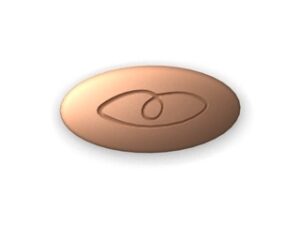
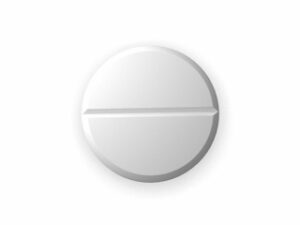
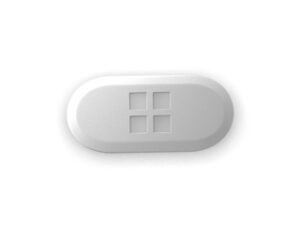
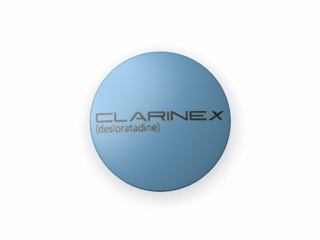
Depending on the product strength and formulation you purchase, Clarinex may be supplied as tablets and/or other forms (for example, oral solution). Always follow the instructions on your pack and the advice given by your pharmacist or healthcare professional.
How Clarinex works (mechanism of action)
Allergic reactions involve a substance in the body called histamine. When histamine binds to H1 receptors, it can cause symptoms such as:
- sneezing
- runny or blocked nose
- itchy/watery eyes
- itchy skin and raised welts (hives)
Desloratadine works by blocking H1 histamine receptors. This reduces the effects of histamine and helps relieve allergy symptoms. Because it is a second-generation antihistamine, it is designed to act mainly in the body and typically causes less drowsiness than older antihistamines.
Pharmacokinetics (how the body handles it)
While individual responses vary, the general behaviour of desloratadine in the body is predictable. Key points include:
- Absorption: After taking by mouth, desloratadine is absorbed and reaches peak levels in the bloodstream within a few hours.
- Onset of action: Many people begin to notice symptom relief within the first day, with effects improving over time.
- Distribution: It acts throughout the body where histamine symptoms occur (nose/eyes/skin).
- Metabolism and elimination: The body processes the medicine through normal metabolic pathways and it is cleared over time, allowing once-daily dosing.
- Duration: Its effect is long enough for many people to take one dose every 24 hours.
If you have kidney or liver problems, your pharmacist may advise on appropriate use. If you are unsure, check with a healthcare professional, particularly before using Clarinex for prolonged periods.
What Clarinex is used for (indications)
In the UK, Clarinex/desloratadine is commonly used to relieve symptoms of:
- Allergic rhinitis (hay fever) – symptoms such as sneezing, itching, runny nose, blocked nose, and watery/itchy eyes. This can be seasonal (for example, pollen) or perennial (for example, dust mites).
- Urticaria (hives) – relief of itching and symptoms related to chronic or troublesome hives.
Clarinex treats symptoms of allergy and does not remove the underlying trigger (for example, pollen, dust mites). Reducing exposure to triggers can improve overall results.
When to take it (timing and how long it takes)
Clarinex is usually taken once daily. Choose a time you can remember and take it consistently. Many people prefer morning or evening—whichever fits best with their routine.
- For hay fever: Start when symptoms begin. Some people begin treatment a little before the allergy season to help prevent symptoms.
- For hives: Take daily as directed. Hives can fluctuate; continue regularly to maintain symptom control.
- Expected relief: You may notice improvement within the first day, but full benefit may become clearer with continued daily use.
Do not take more than the labelled dose to try to speed up results. If symptoms are not improving, speak to a pharmacist for advice on whether a different approach is needed.
How to take Clarinex (dosing)
Always check the strength on your specific pack because dosing can vary by formulation (tablets vs oral solutions) and by age. The general principles for desloratadine are:
| Who is it for? | Typical frequency | Notes |
|---|---|---|
| Adults and children (depending on product strength) | Once daily | Follow the dose stated on your pack for age and body weight where applicable. |
| Children | Once daily | Some formulations are suitable for specific age ranges—confirm with the product label or pharmacist. |
Practical tip: If you miss a dose, take it when you remember unless it is nearly time for your next dose. In that case, skip the missed dose and continue your regular schedule. Do not take a double dose.
If you are unsure about dosing for a child, ask your pharmacist—children’s dosing must match the exact product and concentration.
Food interactions
Food interactions are generally minimal for desloratadine. Taking Clarinex with or without food is usually acceptable. If your stomach is sensitive, taking it with a light snack may improve comfort, but this is not required for most people.
Still, always follow the instructions printed on the pack. If you have other conditions that require dietary changes, discuss your overall plan with a pharmacist.
Alcohol and medicine interactions
Alcohol
Desloratadine is designed to have a low likelihood of causing drowsiness, but individual reactions vary. If you choose to drink alcohol, it’s sensible to do so cautiously, especially if you feel unusually sleepy. Avoid alcohol if you experience drowsiness or impaired alertness after taking the medicine.
Medicines and interaction checks
Desloratadine can interact with other medicines in some situations, though serious interactions are uncommon for many people. It is important to consider the medicines you take regularly, including:
- Other antihistamines (avoid double-dosing unless a clinician advises a combination)
- Medicines that cause drowsiness (for example, some sleeping tablets or sedating antidepressants)
- Medicines processed through the liver (your pharmacist can advise whether any specific drug requires extra caution)
To reduce risk, tell your pharmacist if you take any of the following: prescription medicines, over-the-counter products, supplements, or herbal remedies (especially those that affect sleep, anxiety, or alertness).
Safety profile and who should be extra careful
Most people tolerate desloratadine well. As with all medicines, side effects can occur. The sections below summarise common and less common considerations.
Common side effects
- Headache
- Dry mouth
- Fatigue or feeling tired
Less common or serious adverse reactions
Seek urgent medical advice if you experience signs of a serious allergic reaction, such as:
- swelling of the face, lips, tongue or throat
- difficulty breathing or swallowing
- severe dizziness or collapse
- rash with blistering or peeling skin
Special caution groups
- Children: Ensure you use the correct age-appropriate product and dose.
- Pregnancy and breastfeeding: If you are pregnant or breastfeeding, ask a healthcare professional for tailored advice before using.
- Kidney or liver impairment: Your healthcare professional may suggest caution or adjustment.
- Driving and operating machinery: Although drowsiness is less common, pay attention to how you personally react—avoid driving if you feel sleepy or unwell.
Practical use tips (how to get the best results)
- Be consistent: Once-daily dosing works best when taken at the same time each day.
- Combine with trigger control: For hay fever, consider keeping windows closed during high pollen times, using air filtration where possible, and changing clothes after outdoor exposure.
- For eye symptoms: If you have itchy or watery eyes, antihistamine eye drops may offer additional relief—ask a pharmacist about suitable options.
- For blocked nose: Oral antihistamines can help, but if nasal blockage is prominent, you may need other treatments such as intranasal steroids. A pharmacist can guide you.
- For hives: Avoid known triggers (for example, certain foods, heat, pressure on the skin, or infection) and consider gentle skin care.
- Track your symptoms: If symptoms do not improve after a short trial, reassess your trigger and speak to a pharmacist about alternatives.
Alternative options in the UK
If Clarinex/desloratadine does not fully control your symptoms, options may include:
- Other second-generation antihistamines: such as cetirizine, levocetirizine, loratadine, or fexofenadine. These may suit different people depending on symptom pattern and tolerance.
- Intranasal corticosteroids: particularly effective for moderate to severe allergic rhinitis, especially nasal blockage. Examples include treatments available as sprays (use according to label instructions).
- Eye drops for allergic conjunctivitis: antihistamine/mast-cell stabiliser drops can be helpful where eye symptoms dominate.
- Non-medicine measures: saline rinses, allergen avoidance strategies, and home environmental controls.
Your pharmacist can help you compare options based on your symptoms (nose vs eyes vs skin), age, medical history, and any medicines you already take.
Market and legal context in the United Kingdom
In the UK, antihistamines including desloratadine are widely used for allergy symptom relief. Depending on the specific product and strength, availability can differ:
- Some medicines may be available to buy over the counter (OTC) in pharmacies or online.
- Others may require guidance based on age or formulation.
Medicines sold in the UK must meet relevant regulatory standards for safety, quality, and efficacy. Product packaging, dosage instructions, and patient information leaflets are designed to support safe use.
Important: This website provides general consumer information. Always read your specific product leaflet and follow the dose instructions on your pack.
Recent guidance and practical considerations
Allergic rhinitis and urticaria are common long-term conditions. In the UK, healthcare advice often focuses on:
- using the most appropriate therapy for the main symptom (for example, nasal steroids for nasal blockage)
- assessing whether symptoms are truly allergic (or triggered by infection, irritants, or other causes)
- reviewing treatment if symptoms persist beyond an initial trial
- encouraging avoidance of triggers when feasible
If your symptoms are frequent, severe, or worsening, consider speaking to a pharmacist or healthcare professional for personalised management and to rule out alternative diagnoses.
Delivery and availability (UK online pharmacy)
Clarinex (desloratadine) is typically available through UK pharmacies and online retailers, subject to stock and the specific strength/formulation you choose. Delivery options can vary by provider.
- Check availability: Some formulations may sell out depending on demand.
- Delivery times: Most UK online pharmacies offer standard and/or express delivery (availability depends on location).
- Packaging: Medicines are normally shipped in secure packaging to protect tablets or liquids during transit.
If you need the medicine urgently (for example, during a severe allergy episode), contact the retailer’s customer support or choose a tracked delivery option where available.
FAQ – Clarinex (desloratadine)
1) Is Clarinex suitable for hay fever?
Yes. Clarinex/desloratadine is commonly used to relieve symptoms of allergic rhinitis (hay fever), including sneezing, itching, and watery eyes. If nasal blockage is your main symptom, you may need additional treatment such as a nasal spray—ask a pharmacist.
2) Will Clarinex make me drowsy?
Desloratadine is considered a low-drowsiness antihistamine for many people. However, some individuals may still feel tired or have a headache. If you feel sleepy, avoid driving or operating machinery.
3) How quickly does it work?
Many people notice improvement within the first day. Full symptom control may take a little longer depending on the condition and severity. If you have not seen any benefit after several days, speak to a pharmacist for advice.
4) Can I take it with food?
Usually, yes. Food does not typically cause clinically important interactions with desloratadine. Take it in a way that suits your routine.
5) Can I drink alcohol while taking Clarinex?
It’s generally safer to drink cautiously. Although drowsiness is less common, alcohol may increase tiredness in some people. If you feel sleepy after taking Clarinex, avoid alcohol.
6) What if I miss a dose?
Take it when you remember unless it is almost time for your next dose. Do not take a double dose to make up for a missed one.
7) Can I take Clarinex with other allergy medicines?
Be careful combining products. Avoid taking more than one antihistamine at the same time unless a healthcare professional advises it. However, some allergy treatments work differently (for example, nasal sprays or eye drops). A pharmacist can help you choose a safe combination.
8) Is Clarinex okay for children?
Children can use desloratadine products, but the correct age range and dose depend on the exact formulation and strength. Always check the pack instructions and ask a pharmacist if you are unsure.
9) What should I do if my hives get worse?
Hives can have many causes. If symptoms worsen, last longer than expected, or are accompanied by swelling of the face/lips, breathing problems, or severe rash, seek urgent medical advice. If you suspect a trigger or infection, discuss this with a healthcare professional.
10) Where can I find more details about side effects and warnings?
The patient information leaflet included with your specific pack provides full details. If you have concerns, speak to your pharmacist.
Remember: Use Clarinex exactly as described on the pack or as advised by a healthcare professional. If you are unsure whether it is right for you, ask a pharmacist before starting.