
Robaxin (Methocarbamol) – Patient Information
Robaxin is a brand of methocarbamol, a muscle-relaxing medicine used to help relieve pain and stiffness caused by muscle spasm. It is commonly used as part of a broader approach that may include rest, physiotherapy, and gentle movement.
This page explains how Robaxin works, how it is usually taken, and important safety information. It is written for people in the United Kingdom and is intended to be patient-friendly.
Quick overview
| Feature | What to know |
|---|---|
| Medicine | Robaxin (methocarbamol) |
| Type | Muscle relaxant (skeletal muscle relaxant) |
| Used for | Muscle spasm and painful musculoskeletal conditions (e.g., acute back or neck pain with spasm) |
| How it works | Helps reduce muscle spasm by acting on the central nervous system |
| Common side effects | Drowsiness, dizziness, headache, nausea |
| Important precautions | May impair driving/operation of machinery; avoid alcohol; review interactions with other sedating medicines |
Basic product information
- Active ingredient: Methocarbamol
- Brand name: Robaxin
- Medicine class: Skeletal muscle relaxant
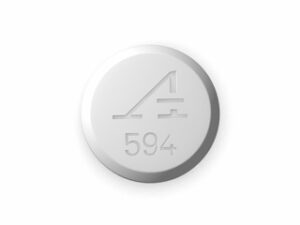
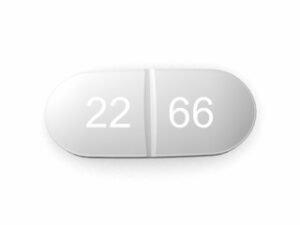
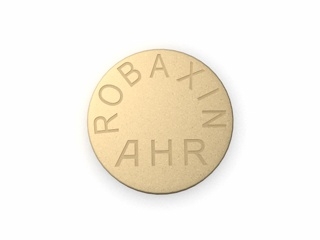
- Forms: Depending on supply, Robaxin may be available as tablets and/or oral formulations. Always check the specific product you receive for strength and dosing instructions.
In the UK, the specific availability of brands and strengths can vary. If you are unsure which formulation you have, look at the label or patient information leaflet (PIL) included with your medicine.
How Robaxin works (mechanism of action)
Methocarbamol is thought to reduce muscle spasm mainly through actions in the central nervous system (CNS). While the exact mechanism is not fully described in a single step, the overall effect is to relax overactive muscle activity and help relieve associated pain and stiffness.
Robaxin does not “repair” injured tissue. Instead, it can make it easier to move and participate in recovery by reducing spasm-related discomfort.
Pharmacokinetics: what happens in the body
Pharmacokinetics describes how the body absorbs, distributes, metabolises, and eliminates a medicine. For methocarbamol:
- Absorption: After oral dosing, methocarbamol is absorbed from the gastrointestinal tract. The exact speed depends on formulation and individual factors.
- Distribution: Methocarbamol distributes into body tissues and can cross into the CNS to exert its muscle-relaxing effects.
- Metabolism: It is metabolised mainly by the liver.
- Elimination: Metabolites are excreted primarily via the kidneys (urine).
Because the medicine is processed by the liver and eliminated by the kidneys, people with significant liver or kidney impairment may need extra care and medical advice regarding dosing and monitoring.
Typical use in the UK
Robaxin is used to help relieve painful muscle spasm associated with conditions affecting the muscles and joints. It is often prescribed or recommended as part of an overall plan for short-term symptom relief.
Common scenarios may include:
- Acute low back pain with muscle spasm
- Neck stiffness and spasm-related discomfort
- Shoulder or upper back muscle spasm
- Muscle strain injuries where spasm contributes to pain
It is usually intended for short-term use rather than long-term daily management, unless a clinician advises otherwise.
Timing: when to take Robaxin and how it fits your day
The exact schedule depends on the prescribed or labelled dose. If you have been given a specific regimen, follow that. If you are using a specific product brand, always check the label and patient information leaflet (PIL).
As a general guide, muscle-relaxant effects may begin within hours. Some people feel drowsier soon after taking a dose—so plan accordingly.
- Choose times that support rest: If it makes you sleepy, evening doses can be more convenient.
- Be cautious before driving: Avoid driving or operating machinery until you know how you personally respond.
- Do not double up: If you miss a dose, follow the PIL—typically you should take the next dose at the right time rather than taking extra.
Food interactions and what to eat
Food interactions with methocarbamol are generally not a major concern for most people. You can often take it with or without food depending on what feels comfortable for your stomach.
- If you experience nausea or stomach upset, taking it with food may help.
- Try to take each dose at a consistent time daily to maintain steady effects.
If your specific product instructions differ, follow those instead.
Alcohol and medicine interactions
Alcohol
Combining Robaxin with alcohol can increase side effects such as drowsiness, dizziness, slowed reaction time, and impaired coordination. For safety, it is strongly recommended to avoid alcohol while taking methocarbamol.
Other medicines that may interact
Robaxin may increase the sedating effects of other medicines that depress the central nervous system. Check carefully if you take any of the following:
- Opioid painkillers (e.g., morphine, oxycodone, tramadol)
- Benzodiazepines (e.g., diazepam, temazepam)
- Sleep medicines (hypnotics)
- Some antihistamines that cause drowsiness
- Antipsychotics and other medicines affecting alertness
- Other muscle relaxants
Interactions can also occur through liver metabolism (drug “breakdown” pathways). To reduce risk, share a complete list of your medicines (including over-the-counter products and supplements) with your pharmacist.
Indications: when Robaxin is recommended
Robaxin is indicated for:
- Relief of symptoms of muscle spasm, typically in painful musculoskeletal conditions.
- Short-term management of associated pain and stiffness to support mobility and comfort.
It is not intended to treat all causes of back or neck pain. If pain is severe, worsening, or associated with red-flag symptoms (see FAQ), you should seek urgent medical advice.
Dosing: general guidance
Dosing varies by age, the severity of symptoms, and the specific formulation. Because UK product strengths and directions can differ, always use the dose written on your label or advised by a healthcare professional.
The following information provides general typical dosing concepts and should not replace the instructions given for your particular product.
Adults
- Common adult regimens are typically taken two to four times daily, depending on the strength and response.
- Doses are often adjusted to balance symptom relief with tolerability (especially drowsiness).
Older adults
- Older adults may be more sensitive to side effects such as dizziness and falls. A lower starting dose may be considered.
- Extra caution is needed when rising from bed or a chair.
Children and adolescents
- Use in children depends on age, indication, and the licensed product instructions.
- Do not use unless the product is specifically approved for the child’s age group and the dosing instructions are followed.
If you miss a dose
- Follow the PIL for your specific product.
- In many cases, missing one dose means taking the next dose at the scheduled time—do not double.
How to take Robaxin safely (practical tips)
- Start with a “test day”: If you’re new to methocarbamol, consider taking your first dose when you can rest and avoid important tasks for several hours.
- Hydrate: Unless you’ve been advised to limit fluids, drink water normally. Nausea and headaches can feel worse when dehydrated.
- Move gently: Complete rest can sometimes prolong stiffness. Gentle movement and stretching (as appropriate) may complement symptom relief.
- Check your driving fitness: If you feel drowsy, do not drive. You should only drive when you can do so safely.
- Keep track of improvements: If spasm pain is not improving after a short period, or if it worsens, ask a clinician for advice.
Always keep your medicine in its original packaging and store according to the label. Keep out of reach of children.
Safety profile: side effects and who should be extra careful
Common side effects
- Drowsiness (sleepiness)
- Dizziness
- Headache
- Nausea or stomach discomfort
- Fatigue
Less common but important risks
- Allergic reactions (e.g., rash, itching, swelling, difficulty breathing)
- Low blood pressure symptoms such as feeling faint, especially when standing up quickly
- Confusion or unusual behavioural effects in susceptible individuals
- Severe sedation when combined with other CNS-depressing substances
Seek urgent help if
- You develop signs of an allergic reaction (swelling of face/lips, breathing difficulty).
- You become extremely drowsy, confused, or have breathing difficulties—especially if alcohol or other sedatives were taken.
- You experience severe or rapidly worsening symptoms.
Who should use extra caution
- People with liver disease: methocarbamol is metabolised in the liver.
- People with kidney impairment: metabolites are cleared via the kidneys.
- People prone to falls: due to dizziness or drowsiness.
- People with neurological conditions affecting alertness or coordination (seek advice).
- People taking multiple sedating medicines (including opioids and benzodiazepines).
If you are pregnant, trying to conceive, or breastfeeding, discuss with a healthcare professional before use.
When not to use (general precautions)
Avoid or seek advice before taking methocarbamol if you have previously had an allergic reaction to methocarbamol or any ingredient in the product. Also seek professional advice if you have complex medical conditions or take regular sedative medicines.
Alternative options for muscle spasm and pain
Muscle spasm can have many causes, and the best option depends on your symptoms, medical history, and safety considerations. Alternatives may include:
- Physiotherapy and exercise (often core for recovery)
- Heat therapy or gentle stretching
- Analgesics such as paracetamol
- Anti-inflammatory medicines (e.g., ibuprofen) if suitable for you
- Other muscle relaxants (availability and suitability vary)
- Topical options such as certain gels or creams for localised discomfort
A pharmacist can help you compare options based on your age, conditions (e.g., stomach ulcers, kidney issues, asthma), and current medications.
UK market and legal context (overview)
Medicines in the UK are regulated under the Medicines and Healthcare products Regulatory Agency (MHRA) and related regulations. The legal status of a specific product depends on formulation and strength (for example, whether it is pharmacy-only or prescription-only).
For many muscle relaxants, access can be limited and may require professional assessment depending on the product and patient circumstances. Always follow the instructions associated with the exact product you purchase and check the packaging/leaflet for its legal classification.
Product availability may vary across online and high-street pharmacies, and stock levels can change.
Recent guidance and practical expectations
While specific recommendations can vary by person, UK best practice generally emphasises:
- Short-term symptom relief for painful muscle spasm
- Staying active as tolerated (avoiding prolonged immobility)
- Reviewing if symptoms persist or worsen
- Checking interactions—especially with opioids and other sedatives
- Considering non-drug approaches such as heat, stretching, and physiotherapy
If you have repeated episodes or frequent severe pain, it’s worth discussing underlying causes (posture, ergonomics, activity changes, or specific injuries).
Delivery and availability in the UK
Availability of Robaxin (methocarbamol) can differ by supplier. Many pharmacies in the UK offer online ordering with delivery to home addresses.
- Stock status: Your pharmacy may show whether an item is in stock or subject to restocking.
- Delivery times: Delivery speed depends on the courier service and dispatch time.
- Temperature and handling: Store as instructed once delivered.
If you need the medicine urgently, choose a service with tracked delivery and check the estimated dispatch and delivery dates during checkout.
FAQ about Robaxin (Methocarbamol)
1) How long does Robaxin take to work?
Many people notice some relief within hours of taking a dose, but the overall improvement in spasm-related pain may develop over the first few days. If there is no improvement or the symptoms worsen, seek advice.
2) Can I take Robaxin with food?
Usually yes. You can often take methocarbamol with or without food. If it upsets your stomach, taking it with meals may be more comfortable.
3) Will Robaxin make me sleepy?
Drowsiness and dizziness are among the most common side effects. Avoid driving or dangerous activities until you know how it affects you. Alcohol and other sedating medicines can make this worse.
4) Can I drink alcohol while taking Robaxin?
It is strongly recommended to avoid alcohol. Alcohol can increase drowsiness and impair coordination, raising the risk of accidents.
5) What medicines should not be taken together with methocarbamol?
Extra caution is needed when combining with other medicines that can cause drowsiness, including opioids, benzodiazepines, some sleep medicines, and certain antihistamines. Always check with a pharmacist for your specific medicine list.
6) What should I do if I miss a dose?
Follow the instructions in the patient information leaflet for your specific product. In many cases, you should take the next dose at the scheduled time and avoid doubling.
7) Is Robaxin suitable for everyone?
Not necessarily. People with liver/kidney problems, those at higher risk of falls, and those taking multiple sedating medicines should seek advice. If you have a history of allergy to methocarbamol, do not use it.
8) When should I seek urgent medical help for back or neck pain?
Seek urgent help if you experience symptoms such as new weakness, numbness around the groin/saddle area, loss of bladder or bowel control, severe trauma, fever with back pain, unexplained weight loss, or pain that rapidly worsens.
9) Are there alternatives if Robaxin doesn’t help?
Yes. Options may include other pain relief medicines, anti-inflammatory medicines if suitable, physiotherapy, heat therapy, and different muscle relaxants depending on your situation and medication history. A pharmacist or clinician can guide you.
10) How should I store Robaxin?
Store according to the label and patient information leaflet. Keep out of the sight and reach of children.
Need help choosing or using your medicine?
If you have questions about dosing, side effects, or interactions with your current medicines, speak to a pharmacist. They can provide guidance tailored to your age, medical history, and the exact formulation you have.