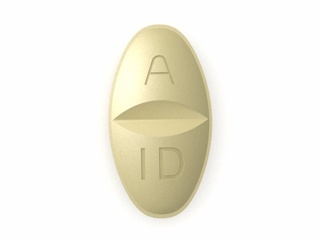
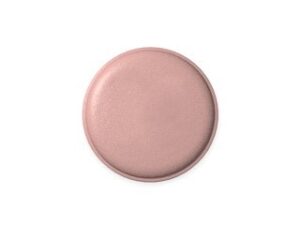
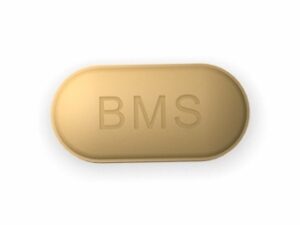
Imdur (Isosorbide) — Patient Information (UK)
Imdur is a brand of medicine containing isosorbide, used to help prevent and treat certain types of heart-related chest pain (angina) and related conditions. This page explains what Imdur is, how it works, how to take it safely, and what to expect. It is written for people living in the United Kingdom.
Quick overview
- Active ingredient: Isosorbide (often as isosorbide mononitrate in Imdur products)
- What it’s used for: Prevention of angina; sometimes also used for other nitrate-responsive conditions as advised by a healthcare professional
- How it works: Relaxes and widens blood vessels to improve blood flow to the heart
- Common form: Extended-release tablets (long-acting)
- Typical dosing: Once daily dosing schedules are common (exact dose depends on your product strength and your clinical plan)
Product information
Imdur is a long-acting nitrate medicine. It belongs to a group of medicines called nitrates, which are used to relieve symptoms and reduce episodes of chest pain by improving circulation.
| Category | Details |
|---|---|
| Medicine | Imdur (Isosorbide) |
| Type | Long-acting nitrate medicine |
| How it’s taken | By mouth (tablets) |
| Typical dosing frequency | Often once daily (product- and person-specific) |
| Key side effects | Headache, dizziness, flushing, low blood pressure |
How Imdur works (mechanism of action)
Isosorbide is a nitric oxide–donating medicine. Once absorbed, it helps produce nitric oxide in the body, which leads to:
- Relaxation of blood vessel walls (vasodilation), including veins and arteries
- Reduced “workload” on the heart by lowering venous return and improving circulation
- Improved oxygen delivery to the heart muscle, helping prevent angina symptoms
Unlike fast-acting “rescue” nitrates that may stop an attack quickly, Imdur is designed for longer-term prevention of angina episodes.
Pharmacokinetics (how the body handles the medicine)
Imdur is typically formulated as a modified/extended-release product. This means the medication is released more slowly so that blood levels remain steadier over time.
- Absorption: Isosorbide is absorbed from the gut and the extended-release formulation helps provide sustained release.
- Distribution: It distributes throughout the body and can act on blood vessels.
- Metabolism: Nitrates are metabolised in the body, including in the liver.
- Elimination: The drug and its metabolites are removed primarily via the kidneys.
- Onset and duration: Because Imdur is long-acting, it is generally taken regularly to maintain effect and prevent symptoms rather than for sudden relief.
Individual response can vary, especially depending on age, kidney/liver function, and other medicines.
What Imdur is used for (indications)
In the UK, Imdur (isosorbide) is commonly used for:
- Prevention of angina pectoris (stable angina), helping reduce how often chest pain occurs
- Angina related to coronary artery disease, as part of a broader treatment plan
- Adjunct treatment in situations where nitrate therapy is appropriate, depending on your overall cardiovascular management plan (your clinician’s decision will depend on your symptoms and medical history)
Imdur is not intended to treat a sudden angina attack in the moment (unless your prescriber specifically advises otherwise). For sudden attacks, people are usually advised to use a rapid-acting nitrate “rescue” treatment.
Typical dosing and timing
Dosing must be tailored to the person. The information below describes general principles commonly used for long-acting isosorbide/nitrate therapy. Always follow the instructions supplied with your specific product.
General timing approach
- Once-daily schedules are common for extended-release tablets.
- Many nitrate medicines use an “nitrate-free interval” (often overnight) to reduce tolerance. Your healthcare team will advise whether and how this applies to your regimen.
- Try to take it at the same time each day for steadier control.
Missed dose
If you miss a dose, take it when you remember unless it is close to your next dose. Do not take a double dose to make up for the missed tablet.
How to take Imdur
- Swallow whole with water. Do not crush or chew modified/extended-release tablets.
- If you have trouble swallowing, ask a pharmacist for advice. Do not alter the tablet unless the specific product instructions allow it.
- Keep track of your schedule (for example, morning or lunchtime) so you maintain consistent timing.
Food interactions: can you take Imdur with meals?
Imdur can usually be taken with or without food. For many people, taking it with a meal can help reduce stomach discomfort.
- General advice: Follow your product label and pharmacist instructions.
- Consistency helps: taking it at the same time each day, either always with food or always without, may improve day-to-day consistency.
If you notice that your symptoms (such as dizziness or headaches) are more frequent when taken on an empty stomach, consider taking it with food after discussing with a clinician or pharmacist.
Alcohol interactions and safety
Alcohol can lower blood pressure and can increase dizziness or light-headedness—effects that may be more noticeable when taking nitrates. For safety:
- Avoid heavy or binge drinking while using Imdur.
- Use caution if you plan to drink alcohol, especially when you first start the medicine or after dose changes.
- If you feel faint, dizzy, or unusually weak, stop drinking and sit or lie down.
Medicine interactions (important)
Imdur is known to interact with several medicines. The most critical interactions involve medicines used for erectile dysfunction and certain blood pressure–affecting drugs. Always tell your pharmacist about all medicines you take, including over-the-counter products and herbal supplements.
Key interaction to avoid
- Phosphodiesterase-5 (PDE5) inhibitors used for erectile dysfunction—such as sildenafil, tadalafil, vardenafil—can significantly increase the risk of dangerously low blood pressure when combined with nitrates. This combination is generally considered contraindicated.
Blood pressure medicines
- Other medicines that can lower blood pressure (for example, some antihypertensives) may add to the blood-pressure-lowering effect of nitrates.
- You may be more prone to dizziness, especially when standing up.
Riociguat
Riociguat (used in certain lung conditions) can interact with nitrates and may cause excessive blood pressure lowering. Discuss this with a pharmacist if relevant.
Other notes
- Do not start new medicines without checking interactions.
- If you take multiple heart medicines (for example, beta blockers, calcium channel blockers, or ACE inhibitors), your clinician may have adjusted your regimen to reduce symptom flare-ups and manage blood pressure.
Safety profile: common and serious side effects
Common side effects
Nitrates often cause side effects related to blood vessel widening. These are commonly dose-related and may ease after your body adjusts.
- Headache (very common)
- Dizziness or light-headedness
- Flushing
- Low blood pressure (hypotension), especially when standing
- Feeling weak or tired
- Nausea
Less common but important effects
- Fainting (syncope) in some cases
- Palpitations (awareness of heartbeat)
- Visual disturbance (rare)
Seek urgent medical help if
Get urgent advice if you experience any of the following:
- Chest pain that is severe, new, or not relieved by your usual rescue plan
- Severe dizziness, fainting, or symptoms of shock
- Allergic reaction (swelling of face/lips, difficulty breathing, widespread rash)
Tolerance (reduced effect over time)
With continuous nitrate exposure, some people may develop tolerance (reduced benefit). That is one reason why many long-acting nitrate regimens build in a nitrate-free interval and why you should not change your schedule without advice.
Practical use tips for getting the best results
- Use it to prevent attacks: take Imdur regularly as directed, rather than waiting for symptoms to start.
- Stand up slowly: dizziness can occur. Rise gradually from sitting or lying positions.
- Track your symptoms: note how often angina episodes occur and any triggers (such as exertion or cold weather) to discuss with your clinician.
- Be consistent with the timing: maintaining the intended daily schedule (including any nitrate-free interval) helps effectiveness.
- Headaches: if headaches are bothersome early on, do not stop the medicine suddenly; speak to a pharmacist or clinician. They may recommend strategies to improve comfort.
- Know what to do for sudden pain: ensure you understand your plan for acute chest pain, including when to use a rapid-acting treatment and when to call emergency services.
What to expect when starting Imdur
When you begin or restart a long-acting nitrate, it’s common to experience:
- Headaches and/or light-headedness during the first days
- A gradual improvement as your body adjusts
If side effects are severe, persistent, or worsening, seek medical advice promptly. Your regimen may need adjustment.
Alternative options (what else may be considered in the UK)
Angina prevention and related conditions are typically managed with a combination of medicines and lifestyle measures. Alternatives depend on your exact diagnosis, symptom pattern, and overall health.
Other nitrate medicines
- Short-acting nitrates for relief of sudden attacks (for example, sprays or tablets used as rescue therapy)
- Other long-acting nitrate preparations (different formulations or dosing schedules)
Non-nitrate options often used
- Beta blockers (help reduce heart workload)
- Calcium channel blockers (relax blood vessels)
- Antiplatelet medicines (reduce clot-related risk where appropriate)
- Statins (manage cholesterol and cardiovascular risk)
- Other antianginal medicines depending on guidelines and individual suitability
Your clinician will choose the most suitable option(s) based on your symptoms, blood pressure, heart rate, and other health conditions.
Market and legal context in the United Kingdom
In the UK, medicines are regulated through the Medicines and Healthcare products Regulatory Agency (MHRA) and supported by prescribing and supply frameworks. Patient safety information, including interactions and contraindications, is routinely updated via official product information and healthcare guidance.
Long-acting nitrate products such as Imdur are used widely in cardiovascular care and are subject to standard pharmacy practice, including checking suitability and counselling on safe use.
Recent guidance and safety considerations
For nitrate medicines, key safety messages remain consistent:
- Avoid combinations with PDE5 inhibitors due to risk of profound hypotension.
- Be cautious with other blood pressure–lowering medicines and with alcohol.
- Follow the intended dosing schedule to help reduce tolerance and maintain benefit.
- Seek urgent help for unresolved chest pain.
Guidance may evolve as new evidence is published and as national bodies update clinical recommendations. If you are unsure, your pharmacist can help interpret current advice for your situation.
Delivery and availability (UK)
Imdur may be available through licensed online pharmacy services that operate in compliance with UK medicines regulations. Availability can vary by strength and pack size.
- Stock checking: reputable UK pharmacies usually confirm stock before dispatch.
- Delivery times: delivery typically depends on the courier service and your location across the UK.
- Packaging: medicines are sent in appropriate protective packaging to preserve product integrity.
If you need your medicine urgently or if you are switching products/strengths, contact the pharmacy to confirm the correct formulation and that you will receive the intended strength.
Frequently Asked Questions (FAQ)
1) Is Imdur the same as “rescue” nitroglycerin?
No. Imdur is typically a long-acting nitrate used to prevent angina symptoms. Rescue treatments for sudden attacks are usually fast-acting and may be different forms or brands. Follow the plan given to you for acute chest pain.
2) How long does Imdur take to work?
Because Imdur is long-acting, the goal is to maintain steady protection. Some people notice symptom improvement quickly, while for others it may take days to achieve consistent control. If your chest pain pattern changes or increases, contact a healthcare professional.
3) Can I stop Imdur if I feel better?
Do not stop suddenly without medical advice. Even if you feel better, your underlying heart condition may still be present. Sudden changes can lead to symptom worsening.
4) Why do nitrates need a “nitrate-free interval”?
Continuous nitrate exposure can reduce effectiveness over time (tolerance). A nitrate-free interval can help maintain the medicine’s benefit. Your dosing schedule is designed with this in mind.
5) What should I do if I get a headache after taking Imdur?
Headache is common with nitrates. Drink water, avoid sudden position changes, and speak to a pharmacist if headaches are severe or persistent. Do not change your dose unless advised.
6) Can I take Imdur with my other heart medicines?
Many people take Imdur alongside other cardiovascular medicines. However, some combinations are not suitable, particularly PDE5 inhibitors for erectile dysfunction. Tell your pharmacist about all medicines you take to confirm safety.
7) Can I drink alcohol while taking Imdur?
Light alcohol may be tolerated by some people, but alcohol can increase dizziness by lowering blood pressure. Avoid heavy drinking and be cautious—especially when starting the medicine or after dose changes.
8) What are the signs of too-low blood pressure?
Symptoms can include dizziness, fainting, blurred vision, unusual weakness, or feeling faint when standing. If you feel unwell, stop and sit or lie down and seek medical advice if symptoms are severe or recurring.
9) Are there foods that interfere with Imdur?
Generally, food does not significantly interfere with Imdur. Taking it with a meal may help some people, but follow your product instructions and keep a consistent routine.
10) When should I contact a healthcare professional urgently?
Contact urgent medical services if you experience severe chest pain not responding to your usual plan, fainting, or symptoms of a serious allergic reaction (such as swelling of face/lips or difficulty breathing).
Important reminders
- Imdur is intended for prevention of angina symptoms in suitable patients.
- Do not combine nitrates with PDE5 inhibitors (e.g., sildenafil or tadalafil).
- Keep to your timing schedule and do not alter the regimen without advice.
- If you have questions about side effects, interactions, or switching products/strengths, speak to a pharmacist.
This information is for patient guidance and does not replace advice from a qualified healthcare professional. Always read the patient information leaflet supplied with your medicine for product-specific details.