

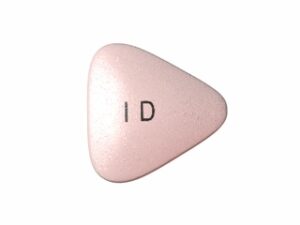
Voltarol (Diclofenac) – Patient-Friendly Guide (UK)
Voltarol contains diclofenac, a widely used anti-inflammatory medicine for painful, swollen conditions. It belongs to the group of medicines called NSAIDs (non-steroidal anti-inflammatory drugs). In the United Kingdom, Voltarol products are available in different strengths and formulations, including gels and tablets depending on the product range.
This guide explains how diclofenac works, how it behaves in the body, what it’s used for, typical dosing approaches, key safety information, and practical tips to help you use Voltarol safely. Always check the pack for the exact strength and directions for the specific product you have.
Basic product information
| Feature | Typical details |
|---|---|
| Medicine name | Voltarol |
| Active ingredient | Diclofenac |
| Medicine type | NSAID (anti-inflammatory pain reliever) |
| Common formulations (UK) | Topical gels/creams; oral tablets/capsules (varies by product) |
| What it helps | Pain and inflammation in joints, muscles, and soft tissue |
Important: Different Voltarol products have different strengths and dosing instructions. Follow the directions on your specific pack or those provided by your healthcare professional/pharmacist.
How Voltarol works (mechanism of action)
Diclofenac reduces pain and inflammation by blocking the activity of enzymes called COX (cyclo-oxygenase). These enzymes help produce prostaglandins, chemicals involved in:
- Inflammation (swelling and redness)
- Pain signalling (sensitivity to pain)
- Fever (in some conditions)
By lowering prostaglandin production, diclofenac helps relieve pain, tenderness, and swelling. Topical forms (gels) work mainly at the affected area, while oral forms act throughout the body.
Pharmacokinetics (how diclofenac moves through the body)
Pharmacokinetics means what the body does to a medicine—absorption, distribution, metabolism, and excretion.
Topical diclofenac (e.g., gel)
- Absorption: A portion of diclofenac can enter the bloodstream through the skin.
- Local effect: The primary benefit is at/near the application site (for example, aching joints or muscular pain).
- Systemic exposure: Generally lower than oral diclofenac, which may reduce certain systemic side effects.
Oral diclofenac (tablets/capsules, depending on product)
- Absorption: Absorbs from the gut into the bloodstream.
- Distribution: Diclofenac can reach tissues involved in inflammation.
- Metabolism: Mainly processed by the liver.
- Elimination: Metabolites are cleared by the kidneys and via bile/intestine.
Clinical implication: Because diclofenac is processed in the body (especially with oral use), liver and kidney health and potential interactions with other medicines matter. If you have liver disease, kidney disease, or you’re older/frail, extra caution may be needed.
Typical use in the UK
Voltarol is commonly used for pain relief and reduction of inflammation associated with:
- Muscle and joint pain (for example, sprains and strains)
- Soft tissue injuries
- Back pain and aches (depending on the product and cause)
- Arthritis symptoms such as osteoarthritis (for appropriate products)
- Sports-related discomfort and localised pain
Note: Exact indications may vary between formulations and strengths. Always check the leaflet that comes with your specific product.
When to take it (timing and duration)
Timing depends on the form:
Topical gel/cream
- Usually applied once or a few times daily depending on the strength and directions.
- Apply to clean, dry, intact skin over the painful area.
- Allow it to dry before covering with clothing.
Oral tablets/capsules
- Timing follows the dosing schedule on your pack.
- Some oral NSAIDs are taken with or after food to reduce stomach upset.
General duration advice: Use the lowest effective dose for the shortest time needed. If symptoms last longer than expected or worsen, seek medical advice.
Food interactions
Topical diclofenac: Food usually has less impact because only small amounts are absorbed through the skin.
Oral diclofenac: Food can affect comfort and absorption timing. Many people find taking NSAIDs with food helps reduce stomach irritation. However, some products have specific instructions (for example, relating to timing with meals).
- If your pack leaflet instructs “take with meals,” follow that advice.
- Avoid taking oral NSAIDs on an empty stomach if you tend to get indigestion, gastritis, or heartburn.
Alcohol and medicine interactions
Alcohol: Drinking alcohol while using NSAIDs like diclofenac may increase the risk of stomach irritation and bleeding. For many people, it’s safest to limit alcohol while using diclofenac—especially if you have a history of stomach ulcers or bleeding.
Always check labels for “avoid” or “use with caution” guidance for your specific product.
Alcohol with topical diclofenac
- Because systemic absorption is generally lower, the risk may be less than with oral forms, but caution is still sensible—particularly if you have risk factors for bleeding or ulcers.
Other medicine interactions (important)
Diclofenac can interact with other medicines. Below are common interaction themes—your pharmacist can provide product-specific advice if you list your medicines.
- Other NSAIDs (including ibuprofen, naproxen, aspirin for pain): increases risk of stomach bleeding and kidney effects.
- Blood thinners (anticoagulants such as warfarin): increases bleeding risk.
- Antiplatelets (for example, clopidogrel or low-dose aspirin used for heart protection): may increase bleeding risk.
- Selective serotonin reuptake inhibitors (SSRIs) (e.g., sertraline, citalopram) or SNRIs: can increase gastrointestinal bleeding risk when combined with NSAIDs.
- Diuretics (water tablets) and some blood pressure medicines (ACE inhibitors/ARBs): can increase the risk of kidney problems in certain situations.
- Lithium: NSAIDs may raise lithium levels, increasing toxicity risk.
- Methotrexate: NSAIDs can increase methotrexate levels and side effects (risk depends on dose and schedule).
- Digoxin: NSAIDs may increase digoxin levels in some cases.
Do not start or stop medicines without checking with a healthcare professional if you’re on multiple treatments or have chronic conditions.
Indications (what it is used for)
In the UK, Voltarol (diclofenac) products are used for:
- Relief of pain and inflammation in conditions affecting muscles, joints, and soft tissue
- Localised aches and pains (especially for topical preparations)
- Osteoarthritis and related joint pain depending on product suitability
When in doubt: If your pain could be caused by an infection, fracture, or a serious injury, seek medical advice rather than relying on pain relief alone.
Dosing (how much to use)
Dose recommendations depend on the specific Voltarol product (strength and formulation). Always use the dose on the pack or label. Below is a general approach to help you interpret instructions.
General dosing principles
- Use the lowest effective dose.
- Use the shortest duration that controls symptoms.
- If symptoms don’t improve after the advised time, stop and get advice.
Topical gel/cream (general)
- Apply a thin layer to the affected area as directed.
- Wash hands after application (unless treating the hands).
- Avoid contact with eyes, mouth, and broken skin.
- Do not apply under airtight dressings unless advised.
Oral tablets/capsules (general)
- Dose schedules are specific to the strength/formulation—follow your pack exactly.
- Some oral forms are taken once daily or multiple times daily depending on type.
- If you’ve had stomach problems, ask a pharmacist whether taking it with food is appropriate.
Missed dose:
- Topical: Apply when you remember unless it’s close to the next dose. Don’t double up.
- Oral: If you miss a dose, take it when you remember unless nearing the next dose. Don’t double dose.
Safety profile (side effects and warnings)
Diclofenac is effective for pain and inflammation, but NSAIDs can cause side effects. Some people—particularly those with certain medical histories—need extra caution.
Common side effects
- Topical: skin irritation, itching, redness, or rash at the application site.
- Oral (more likely): indigestion, heartburn, nausea, abdominal discomfort.
Serious side effects – seek urgent help if
These are uncommon but important:
- Signs of stomach or bowel bleeding: vomiting blood, black/tarry stools, or blood in stools
- Allergic reaction: swelling of face/lips, difficulty breathing, severe rash or wheezing
- Severe skin reactions: widespread rash, blistering, or peeling skin
- Chest pain, breathlessness, or sudden weakness (possible cardiovascular event)
- Reduced urine output or signs of kidney problems
- Yellowing of skin/eyes or dark urine (possible liver issue)
Who should take extra care
- People with a history of stomach ulcers or gastrointestinal bleeding
- People with kidney disease or dehydration
- People with liver disease
- People with heart disease, history of stroke, or significant cardiovascular risk
- People with asthma that worsens with NSAIDs
- Older adults or those with frailty
Pregnancy and breastfeeding: NSAIDs are generally avoided in later pregnancy. If you are pregnant, planning pregnancy, or breastfeeding, check the product leaflet and seek advice for the safest option.
Practical use tips (to get the best results safely)
- Apply correctly (topical): Use on the painful area only, in a thin layer. Avoid broken skin.
- Don’t overapply: More medicine isn’t always better and may increase side effects.
- Wash hands: Prevent accidental contact with eyes or mouth.
- Protect treated skin from sun: If irritation occurs, avoid direct sunlight on treated areas.
- Combine with sensible care: For musculoskeletal pain, gentle movement and rest from aggravating activities can help healing.
- Monitor your response: If pain isn’t improving, you may need a different approach or assessment.
- Avoid doubling NSAIDs: Don’t take diclofenac plus another NSAID unless a professional has advised it.
Alternatives to Voltarol (diclofenac)
If diclofenac isn’t suitable—or you want options with a different risk profile—there are alternatives commonly used in the UK.
Other NSAIDs
- Ibuprofen (oral or topical)
- Naproxen (where suitable)
- Ketoprofen (topical, depending on availability)
Non-NSAID pain relief
- Paracetamol (pain relief; not an anti-inflammatory)
Topical alternatives
- Other topical anti-inflammatories (varies by product availability and strength)
- Topical analgesics (e.g., some rubs/balms—check active ingredients)
Choosing an alternative: Consider the type of pain (localised vs widespread), your medical history (stomach/heart/kidney), and which products are suitable for you.
UK market & legal context (what to expect)
In the United Kingdom, medicines are regulated by the Medicines and Healthcare products Regulatory Agency (MHRA). Diclofenac products must meet UK regulatory requirements for safety, quality, and labelling.
Availability: Many Voltarol products have different availability pathways depending on the formulation and strength. Some products may be available through pharmacies and some may require professional involvement depending on the exact pack.
Always follow the leaflet supplied with your product, including warnings and maximum daily use guidance.
Recent guidance (high-level):
- NSAIDs are generally recommended at the lowest effective dose for the shortest possible time.
- People with higher cardiovascular risk or gastrointestinal risk are advised to use NSAIDs cautiously, and clinicians may consider protective strategies where appropriate.
- Topical NSAIDs are often preferred for localised musculoskeletal pain because systemic exposure may be lower.
Delivery and availability (UK)
Voltarol (diclofenac) is widely available in the UK through retail and online pharmacies, subject to stock and formulation. Typical online purchasing experience may include:
- Home delivery to UK addresses (delivery times vary by provider and service level)
- Packaging in line with UK distribution requirements
- Product leaflet/instructions included in the pack
Availability notes: Stock may vary between different strengths (for example, gel strength or oral tablet strengths). If a preferred product is temporarily unavailable, alternatives may be suggested by the pharmacy.
FAQ – Frequently asked questions
1) Is Voltarol the same as diclofenac?
Voltarol is a brand name. Many Voltarol products contain the active ingredient diclofenac. Always check the label for the active ingredient and strength.
2) Can I use Voltarol gel on broken skin?
No. Do not apply to broken, infected, or irritated skin. Apply only to intact skin unless your pack instructions state otherwise.
3) How long does it take to work?
Some people notice relief within hours, especially with topical use. For ongoing conditions, benefits can build over several days. If there’s no improvement within the expected time on the pack, seek advice.
4) Can I use Voltarol with other painkillers?
Often, paracetamol can be used alongside NSAIDs, but avoid taking another NSAID (such as ibuprofen or naproxen) at the same time unless a healthcare professional advises it.
5) What happens if I accidentally use too much?
For topical products, using more than the recommended amount can increase the risk of skin irritation and systemic side effects. If you think you’ve used too much or a child has used it, seek advice from a pharmacist or urgent care service.
6) Is it safe to drink alcohol while using diclofenac?
It’s best to limit alcohol. Alcohol may increase the risk of stomach irritation or bleeding, especially with oral diclofenac.
7) Who should avoid diclofenac?
You should take particular care or seek advice if you have a history of stomach ulcers/bleeding, significant heart disease, kidney problems, liver disease, NSAID-sensitive asthma, or previous serious reactions to NSAIDs.
8) Can I use Voltarol in pregnancy?
NSAIDs are generally not recommended in later pregnancy. If you are pregnant or trying to conceive, check the product leaflet and seek advice for the safest approach.
9) Can I drive after using Voltarol?
Topical diclofenac typically has little effect on alertness. Oral NSAIDs may occasionally cause dizziness or other effects in some people. If you feel unwell or dizzy, avoid driving.
10) What should I do if my symptoms get worse?
Stop using the product and seek medical advice if you develop severe pain, swelling that rapidly worsens, fever, unexplained bruising, or symptoms that don’t improve.
Key takeaways
- Voltarol (diclofenac) is an NSAID used to relieve pain and inflammation.
- Topical forms are often used for localised musculoskeletal pain.
- Use the lowest effective dose for the shortest time.
- Avoid combining with other NSAIDs and be cautious with alcohol.
- If you have risk factors (stomach ulcers, heart/kidney problems), seek advice before use.