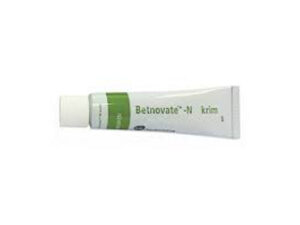
Diprolene (Betamethasone) – Patient-Friendly Medicine Information (UK)
Diprolene is a brand name containing betamethasone, a corticosteroid medicine used to reduce inflammation and relieve the symptoms of certain skin conditions. Depending on the product you have, Diprolene may be supplied as a cream, ointment, lotion, or scalp preparation. This page explains what it is, how it works, how to use it safely, and what to expect.
If you are unsure which form you have (cream/ointment/lotion/scalp solution), check the pack and follow the directions provided by your clinician or pharmacist.
Quick facts
- Active ingredient: Betamethasone (a potent topical corticosteroid)
- Medicines class: Topical corticosteroid for inflammatory skin conditions
- Common symptoms treated: Redness, swelling, itching, and irritation
- Typical use pattern: Applied in a thin layer to affected areas for short periods
- Important cautions: Use only as directed; avoid eyes; avoid long-term continuous use
Basic product information
Diprolene contains betamethasone as the active ingredient. Betamethasone is used on the skin to calm inflammatory responses. Different strengths and formulations exist. Your specific pack will state the exact strength and form.
Common formulations you may see in the UK:
- Diprolene cream – often preferred for weeping or moist areas
- Diprolene ointment – often preferred for dry, thickened skin
- Diprolene lotion – commonly used for hairy areas or body areas with hair
- Diprolene scalp applications – designed for the scalp
The correct choice depends on your skin condition and the site of treatment. If you are treating the scalp, for example, using a scalp/lotion form is usually easier than a cream.
How Diprolene works (mechanism of action)
Betamethasone is a corticosteroid that works by reducing inflammation. It helps:
- Decrease swelling and redness
- Reduce itching and irritation
- Suppress abnormal immune activity in the skin
- Slow down the inflammatory processes that contribute to flare-ups
When used correctly, topical steroids like Diprolene can significantly improve symptoms. They do not cure the underlying tendency for some conditions (such as eczema) to flare, but they can control inflammation when symptoms appear.
Pharmacokinetics (what happens in the body)
Diprolene is applied to the skin. After topical use, only a small amount is generally absorbed into the bloodstream, particularly when applied to small areas for short periods.
Key points to understand:
- Skin absorption varies: Absorption increases with stronger potency, larger areas, broken skin, occlusion (covering), high frequency, and long duration.
- Metabolism: Any absorbed corticosteroid is broken down mainly by the liver.
- Elimination: Metabolites are removed primarily via the kidneys.
Because absorption can increase under certain conditions, careful use is important—especially for children, for skin folds, and when using dressings or tight coverings.
Typical uses and common indications
Diprolene is used for inflammatory skin conditions that respond to corticosteroids. Depending on the individual case and product strength, it may be used for:
- Eczema (atopic eczema) and other steroid-responsive dermatitis
- Contact dermatitis (when inflammation is steroid-responsive)
- Psoriasis (in selected cases, as advised)
- Lichenification (thickened skin from chronic scratching)
- Other inflammatory dermatoses where a clinician considers a potent topical steroid appropriate
It’s important to note that not all rashes are suitable for steroid treatment. Some infections and conditions can worsen with steroid use. If you suspect an infection (for example, spreading redness, pus, marked pain, fever, or honey-coloured crust), seek medical advice.
When to apply: timing and routine
Follow the directions on your pack or those given by your healthcare professional. Many potent topical steroids are typically used once or twice daily depending on severity and the condition being treated.
Practical timing tips:
- Choose a consistent time: e.g., morning and evening
- Apply to clean, dry skin unless your clinician advised otherwise
- Wash your hands before and after applying (unless your hands are the area treated)
- Use a thin layer: more is not better and may increase side effects
- Avoid long-term continuous use: use for the shortest duration needed to control symptoms
If symptoms improve quickly, your clinician may recommend reducing frequency or switching to a milder treatment. Do not continue indefinitely unless advised.
Food interactions
Because Diprolene is applied to the skin, it is not usually associated with direct food interactions. However, taking other medicines or having certain health conditions may affect overall safety.
There are generally no specific food interactions expected with topical betamethasone. Always check with a pharmacist if you take medicines that could affect immune function or if you have other significant medical conditions.
Alcohol and medicine interactions
Topical betamethasone has minimal systemic exposure in most people when used as directed, so major alcohol interactions are not usually expected.
Still, consider the following:
- Other corticosteroids: Using additional steroids (e.g., tablets, injections, other creams) may increase overall steroid exposure.
- Immunosuppressive medicines: If you take medicines that affect immunity, discuss with your healthcare professional, especially if treating large areas or using occlusion.
- Medications for skin infections: Steroids can mask or worsen infections. If you are treating a fungal or bacterial infection, ensure the diagnosis is correct and follow guidance.
If you are unsure, a pharmacist can help you check medicines you are currently taking.
Dosing: how much and how often
The exact dose depends on the skin condition, location, and severity, as well as the formulation strength. Use the smallest amount needed to control symptoms.
General guidance for topical steroid amounts:
- Thin layer rule: apply enough to cover the affected area evenly but not excessively.
- Body surface estimation: clinicians often use “fingertip unit” guidance for adults (a fingertip of cream/ointment can cover a relatively small area). Your pharmacist can explain this if helpful.
- Frequency: commonly once or twice daily, but follow your specific instructions.
Children and sensitive sites: use extra caution. Do not apply to eyes or around the eyes. Avoid areas such as the groin or armpits unless specifically advised, as absorption can be higher.
If your symptoms do not improve within the expected timeframe, or they worsen, stop and seek advice.
Safety profile: who should be cautious?
Diprolene (betamethasone) is generally well tolerated when used correctly for a limited time on appropriate conditions. However, as a potent topical corticosteroid, misuse can increase risk of side effects.
Common possible side effects
- Skin irritation or burning sensation on application
- Dryness or mild skin thinning in the treated area
- Folliculitis (inflammation of hair follicles), particularly if occluded
- Acne-like eruptions
- Changes in skin colour (lightening or darkening)
Less common but important risks
- Skin atrophy (thinning) with prolonged use
- Striae (stretch marks) especially if used on thin skin or under occlusion
- Telangiectasia (visible small blood vessels)
- Perioral dermatitis and worsening of rosacea in some people
- Systemic steroid effects are unlikely with correct use, but absorption increases when treating large areas, using occlusive dressings, or applying to broken skin
When to get urgent advice
Seek prompt medical help if you develop signs of a serious reaction or infection, such as:
- Rapidly spreading rash, significant pain, swelling, or fever
- Pus-filled lesions or worsening redness
- Severe blistering or widespread skin breakdown
- Swelling of face, lips, or throat, or difficulty breathing (possible allergy)
Contraindications and cautions (general)
- Avoid use on untreated infections: Do not use on fungal, viral, or bacterial skin infections unless advised and treated appropriately.
- Avoid eyes: Do not apply to the eye or eyelids unless specifically instructed.
- Use caution on face, skin folds, and genitals: absorption is higher and side effects may be more likely.
- Children: higher absorption risk; use only as directed.
- Pregnancy and breastfeeding: topical steroids may be used in some situations, but discuss with a clinician for the safest approach, especially if treating larger areas or for extended periods.
Practical use tips (to get the best results safely)
- Apply to affected skin only: don’t smear widely onto unaffected areas.
- Stop when control is achieved: persistent use increases risk of skin thinning.
- Don’t cover with occlusion unless advised: tight bandages, cling film, or airtight dressings can dramatically increase absorption.
- Moisturise between steroid uses: emollients can reduce flare-ups and may allow less steroid use.
- Keep nails short: for eczema and itching, reducing skin damage helps healing.
- Watch for triggers: irritants, dry skin, soaps, detergents, and allergens can worsen eczema.
- Use correct formulation: choose cream vs ointment vs lotion based on the skin and site.
If you are using Diprolene as part of a plan (for example, short courses during flares), ask your pharmacist for a simple schedule so you know when to start, stop, and switch to moisturisers or milder options.
What to expect: onset and duration
Many people notice symptom relief within a few days when topical corticosteroids are used properly. Full improvement depends on the condition and severity.
General expectations:
- Itching and redness: often start improving within 24–72 hours
- Skin appearance: may take longer to settle
- Course length: typically short, with reassessment if not improving
If symptoms do not improve, you may have the wrong diagnosis, an infection, or a condition requiring a different treatment strategy.
Alternative options
Treatment depends on the underlying skin condition. Depending on your situation, alternatives may include:
Other topical treatments
- Emollients (moisturisers): support the skin barrier and reduce dryness
- Milder topical corticosteroids: for less severe flares or sensitive areas
- Topical calcineurin inhibitors: sometimes used for eczema in sensitive areas (e.g., face)
- Antifungal or antibiotic treatments: if the rash is due to infection
- Other anti-inflammatory skin therapies: depending on diagnosis
Non-medicine measures
- Gentle skin care and fragrance-free products
- Avoiding known triggers (soaps, detergents, wool, sweating)
- Managing scratching (cool compresses, moisturising, keeping nails short)
A pharmacist can help you understand which option may be most appropriate based on the type of rash and your symptoms.
UK market and legal context (what to expect when buying)
In the United Kingdom, medicines availability and supply routes vary by strength and formulation. Diprolene products may be supplied as different presentations, and availability can depend on local classification and pharmacy supply rules.
When purchasing online in the UK, reputable services ensure that:
- Your order complies with UK medicines regulations
- There are safety checks (including suitability questions)
- Correct product form and strength are supplied
- Instructions for safe use are provided
If you are buying for the first time, carefully confirm you have the correct Diprolene preparation for your condition and area of the body.
Recent guidance and best-practice considerations in the UK
UK clinical practice generally emphasises using topical corticosteroids: for the shortest possible time, at the lowest effective strength, and with appropriate emollient support.
For eczema and other inflammatory conditions, many clinicians encourage:
- Clear steroid “step-up/step-down” plans for flares
- Use of moisturisers to maintain skin barrier function
- Regular review if symptoms persist or recur quickly
- Careful selection of treatment for sensitive areas
If you have frequent recurrences, ask a pharmacist or clinician about a longer-term prevention plan rather than repeated continuous steroid use.
Delivery and availability (online pharmacy guidance)
Availability can vary by formulation and pack size. Many online pharmacies in the UK stock common Diprolene preparations. Delivery options depend on the provider, with typical choices including standard and express delivery.
What to check before ordering:
- Correct product form (cream/ointment/lotion/scalp)
- Correct strength as stated on the label
- Pack size and expiry date
- Delivery timeframe and any cut-off times
- Storage instructions on the pack
If you need help selecting the right preparation for a specific area (e.g., scalp vs body), customer support or a pharmacist can assist.
Table: Summary of key safety and use points
| Topic | What to remember |
|---|---|
| How it works | Reduces skin inflammation and itching by acting as a corticosteroid. |
| Where to apply | Only to the affected skin area. Avoid eyes and surrounding eye area. |
| Amount | Use a thin layer; more increases side-effect risk. |
| Frequency | Typically once or twice daily depending on your specific instructions. |
| Duration | Use for the shortest time needed to control symptoms; reassess if not improving. |
| Occlusion | Avoid airtight covering unless advised, as absorption increases. |
| Moisturising | Use emollients to support the skin barrier and reduce flare-ups. |
| Infection | Do not use on undiagnosed infected rashes; steroids can worsen some infections. |
FAQ (Frequently Asked Questions)
1) What is Diprolene used for?
Diprolene (betamethasone) is used to treat inflammatory skin conditions that respond to steroid treatment, such as eczema flare-ups and other dermatitis conditions. It helps reduce redness, swelling, and itching.
2) How quickly will Diprolene work?
Many people notice symptom improvement within a few days. If there is no improvement after a short course, or symptoms worsen, seek advice to confirm the diagnosis and treatment plan.
3) Can I use Diprolene on my face or in skin folds?
Potent topical steroids require extra caution on the face and in skin folds (such as around the groin or underarms) because skin is thinner and absorption may be higher. Use only if advised and follow directions carefully.
4) Is it safe to use Diprolene for a long time?
Generally, topical corticosteroids should not be used continuously for long periods without review. Prolonged use increases the risk of skin thinning and other side effects. Many people need short courses during flares and moisturiser-based maintenance.
5) Can I use moisturiser with Diprolene?
Yes. Emollients can be used alongside steroid treatment. Many people apply moisturiser at times different from the steroid (for example, moisturiser between applications). Follow your clinician’s or pharmacist’s advice.
6) What should I do if I miss a dose?
Apply it when you remember unless it’s close to the next dose. Do not apply extra to make up for a missed dose. Follow the schedule provided on your pack.
7) Can Diprolene be used on broken skin?
Betamethasone absorption can be higher on broken skin. Use only as directed, and seek advice if you have open, weeping, or infected areas.
8) Can I use Diprolene if I think my rash is infected?
Avoid using steroid alone on undiagnosed infection. Steroids can worsen certain fungal or bacterial infections and may mask symptoms. If you suspect infection, contact a clinician or pharmacist promptly.
9) Are there any food interactions or alcohol interactions?
No specific food interactions are expected with topical use. Alcohol interactions are not typically a concern with topical betamethasone when used correctly, but always inform your pharmacist about other medicines you take and any relevant health conditions.
10) What are signs that I should stop and seek help?
Stop and seek advice if you develop rapidly worsening rash, severe irritation, signs of infection (such as pus or spreading redness), or any serious allergic reaction.
Important reminder
This information is intended to support safe use and understanding. Always follow the instructions supplied with your Diprolene product and consult a pharmacist or clinician if you have questions, especially for children, pregnancy/breastfeeding, treatment of sensitive areas, or if symptoms do not improve.