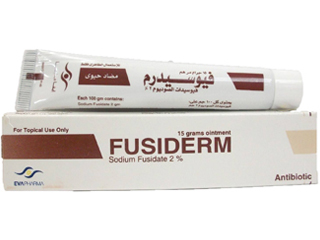
Fusiderm B (Betamethasone & Fusidic Acid) – Patient Information (UK)
Fusiderm B is a medicine used to treat certain skin conditions where there is inflammation along with a bacterial infection. It combines two active ingredients:
- Betamethasone (a corticosteroid that helps reduce inflammation and itching)
- Fusidic acid (an antibiotic that kills susceptible bacteria, particularly Staphylococcus aureus)
This page explains how Fusiderm B works, how it’s typically used, important safety information, and practical tips to help you get the best results while minimising risks.
Quick facts
| Feature | What it means for you |
|---|---|
| What it treats | Inflamed skin infections where an antibiotic is needed (e.g., infected eczema/dermatitis with bacterial involvement). |
| How it works | Betamethasone reduces inflammation; fusidic acid targets bacteria. |
| Form | Commonly available as a cream/ointment depending on local product presentation. |
| Typical duration | Often short-term; if no improvement occurs, seek medical advice promptly. |
| Key safety points | Avoid long-term continuous use and avoid use on certain skin types/locations (e.g., around the eyes) unless advised. |
How Fusiderm B works (mechanism of action)
Fusiderm B contains:
- Fusidic acid: a topical antibiotic. It works by interfering with bacterial protein synthesis, helping stop bacteria from growing and multiplying.
- Betamethasone: a potent anti-inflammatory corticosteroid. It reduces swelling, redness, and itch by dampening inflammatory responses in the skin.
Why this combination matters: In some skin conditions (such as infected eczema/dermatitis), inflammation and infection occur together. Treating both can improve comfort and help the skin heal.
Pharmacokinetics (what happens in the body)
Because Fusiderm B is applied to the skin, absorption into the bloodstream is usually limited. However, absorption can increase if:
- the treated area is large
- application is on broken skin or inflamed skin
- the medicine is used under occlusion (covered with airtight dressings)
- it is used for longer than recommended
What this means for you: Most of the medicine’s effect is local to the skin. Still, potent steroids can cause side effects if absorbed in higher amounts, particularly with prolonged use or on sensitive areas.
Fusidic acid: topical antibiotics generally remain primarily at the site of application, though small systemic absorption may occur.
Betamethasone: topical corticosteroids may be absorbed and metabolised mainly in the liver; systemic effects are uncommon when used appropriately and for short periods.
Typical uses and indications in the UK
Fusiderm B is used for short-term treatment of inflammatory skin lesions that are infected with susceptible bacteria. In practice, this may include:
- infected eczema or dermatitis (where a bacterial infection is suspected/confirmed)
- infected wounds/skin lesions that require both an antibiotic and anti-inflammatory action
- certain cases of impetiginised eczema (yellow crusting or weeping may suggest bacterial involvement)
Important: Fusiderm B is not suitable for every rash. It should be used only for conditions where an antibiotic is appropriate and inflammation is part of the problem. If you’re unsure whether your rash is infected, seek clinical advice.
Do not use on:
- fungal skin infections (e.g., ringworm, athlete’s foot)
- viral skin infections (e.g., cold sores, chickenpox)
- untreated rosacea or perioral dermatitis unless specifically directed
- any skin area where you have no signs of bacterial infection but significant inflammation (a steroid alone may worsen some infections)
When to apply: timing and practical approach
Your exact schedule depends on the product strength, formulation, and the condition being treated. Always follow the directions supplied with your product or clinician instructions.
In general, topical treatments like Fusiderm B are commonly applied:
- Once or twice daily for a short course
- after gently cleaning and drying the affected area
- in a thin layer to the affected skin (and usually a small amount beyond the visible area)
Timing tips:
- Choose times you can keep consistent (e.g., morning and evening).
- If you use other skin products (emollients, moisturisers), apply them separately: let one product absorb before using Fusiderm B, unless your healthcare professional advises otherwise.
Dose and application guidance (typical dosing patterns)
Adults and older children: dosing is usually based on the size of the affected area and the severity of symptoms. A typical approach is to apply a thin film to the affected area (and surrounding area if instructed) rather than heavy rubbing.
Children: use requires extra caution because absorption of topical steroids can be higher in children and skin folds. If Fusiderm B is used in children, it should be for the shortest possible time and with appropriate monitoring.
How much? A practical rule is to use the smallest amount that covers the affected skin. Avoid applying to large surface areas unless specifically instructed.
How to apply:
- Wash your hands.
- Clean the affected area with gentle water (avoid harsh antiseptics unless directed), then pat dry.
- Apply a thin layer of Fusiderm B.
- Wash your hands again after application (unless the hands are the treated area).
- Do not cover with an airtight dressing unless told to do so.
Duration: If symptoms do not improve within the expected timeframe, or they worsen, stop and seek advice. Unnecessary prolonged use increases the risk of side effects and can contribute to antibiotic resistance.
Food interactions
Fusiderm B is applied to the skin, so food interactions are not expected. Systemic absorption is limited when used as directed. You can usually eat and drink normally during treatment.
Alcohol and medicine interactions
Alcohol: There are generally no specific alcohol interactions expected with topical Fusiderm B. However, if alcohol worsens your skin condition (e.g., by triggering eczema flares for some people), it may still be relevant for comfort and control of symptoms.
Other medicines: The main interaction concerns relate to other topical products and avoiding unnecessary steroid combinations.
- Avoid applying other topical corticosteroids to the same area unless specifically advised.
- Let your prescriber/pharmacist know if you’re using other antibiotics or antiseptics on the same skin area.
- If you use immunosuppressive medicines (systemic), discuss with a healthcare professional—though this is uncommon for typical short courses of topical therapy.
Antibiotic resistance reminder: Topical antibiotics should be used appropriately and for the shortest effective time. Using fusidic acid when it isn’t needed can increase the chance of resistance and reduce effectiveness later.
Safety profile: side effects and when to seek help
Like all medicines, Fusiderm B can cause side effects. Many are mild and related to local skin irritation.
Common or mild side effects
- burning or stinging at the application site
- mild redness or irritation
- dryness or peeling of skin
- itching
Less common but important risks (especially with prolonged use)
- Skin thinning, visible blood vessels, or stretch marks
- Rebound flare if steroid use is stopped after long courses
- Infection worsening if the underlying rash is not bacterial (steroids can mask symptoms)
- changes in skin colour
- perioral dermatitis or similar steroid-related rashes (particularly around the mouth)
Seek urgent advice if
- the rash rapidly spreads, becomes very painful, or you develop fever
- you have signs of a serious allergic reaction (e.g., swelling of the face/lips, difficulty breathing)
- there is severe irritation or blistering
- symptoms do not improve after a short course
Special locations: Take extra care if using near:
- eyes (risk of eye irritation and potential effects)
- face (steroid-related skin changes are more likely)
- genitals (skin is delicate; absorption may be higher)
- skin folds (moisture and occlusion increase absorption)
Practical use tips (to improve results and safety)
- Confirm the pattern: If you suspect infection (e.g., weeping, crusting, pus, rapid spreading redness), that’s when an antibiotic may help—but only when appropriate for the condition.
- Use the thinnest effective layer: More is not always better, especially with potent steroids.
- Avoid occlusion: Don’t cover the treated area with airtight dressings unless a clinician advises it.
- Don’t share: Topical antibiotic resistance concerns mean you should use it only for your own condition as directed.
- Keep the course short: Stop and seek advice if there’s no improvement within the expected period.
- Moisturise around it: Using a bland emollient on non-affected skin can help eczema comfort. Keep separate from the Fusiderm B area unless your healthcare professional says otherwise.
- Watch for fungal signs: Persistent itch with ring-like edges or failure to improve can suggest fungal infection—steroids can worsen these.
What to expect: symptom relief and follow-up
Many people notice improvement in redness and itch within a few days. However, infections can take longer to clear. If there is no improvement within the short timeframe expected for your condition, or the rash keeps spreading, it’s important to get medical advice. Continuing without reassessment can delay the correct diagnosis.
Alternative treatment options (UK)
Alternatives depend on the exact diagnosis (e.g., whether infection is truly bacterial and whether inflammation is steroid-responsive). Common options may include:
- Antibiotic-only topical treatments (for bacterial infection without significant inflammation)
- Anti-inflammatory topical corticosteroids (for non-infected eczema/dermatitis)
- Antiseptic or emollient-based regimens for milder cases or maintenance
- Oral antibiotics for more extensive or severe bacterial skin infections (managed under clinical guidance)
- Antifungal treatments if the cause is fungal rather than bacterial
Why alternatives matter: Because this product contains both a steroid and an antibiotic, it may not be the best choice if the rash is not bacterial or if inflammation is the only issue.
Market and legal context in the UK
In the United Kingdom, topical medicines containing corticosteroids and antibiotics are regulated and supplied in line with UK medicines legislation. Guidance generally emphasises:
- using antibiotics only when needed to reduce antibiotic resistance
- avoiding inappropriate steroid use that can mask or worsen underlying infections
- short courses and reassessment if symptoms do not improve
Fusidic acid use is frequently highlighted in antimicrobial stewardship efforts. The UK healthcare system encourages appropriate diagnosis and targeted therapy rather than reflex antibiotic treatment for every rash.
Recent guidance and stewardship themes (UK)
Across the UK, recent stewardship messages have consistently focused on:
- Reviewing diagnosis: confirm that bacterial infection is likely before using fusidic acid.
- Limiting duration: use the shortest effective course and avoid repeated unreviewed cycles.
- Preventing resistance: incorrect or prolonged use increases the likelihood of resistant bacteria.
- Encouraging clinician/pharmacist advice: if the rash doesn’t improve, reconsider the cause (e.g., fungal, viral, contact dermatitis).
Local NHS and antimicrobial guidance may vary by area, but the overall direction is consistent: ensure the medicine matches the skin problem.
Delivery, availability, and customer expectations (UK)
Fusiderm B is typically available through authorised UK pharmacies and online pharmacies that comply with applicable regulations. Availability can vary depending on the exact formulation and pack size.
Delivery: Online pharmacy delivery times depend on the service level you select and your postcode. Many pharmacies offer standard and express options within the UK. Orders placed outside cut-off times may be dispatched the next working day.
Storage: Keep the tube or container tightly closed and stored at room temperature away from direct sunlight. Keep out of reach of children.
Check your pack: Always confirm the strength and formulation on arrival and ensure it matches your intended use.
FAQ – Fusiderm B
1) What is Fusiderm B used for?
It’s used for inflamed skin conditions where there is a suspected or confirmed bacterial infection, combining an anti-inflammatory steroid with an antibiotic.
2) How long should I use it?
It should generally be used for a short course. If you do not see improvement within the expected time or symptoms worsen, seek medical advice rather than extending use.
3) Can I use it on my face?
Use on the face should only be done if advised, because facial skin is more prone to steroid-related side effects. Avoid areas around the eyes unless specifically instructed.
4) Is it safe for children?
Children can be more susceptible to steroid side effects from topical medicines. If it’s recommended for a child, it should be used for the shortest time and with careful supervision.
5) What if my rash gets worse after starting?
Stop using the product and seek advice promptly. Worsening can indicate the rash isn’t bacterial, the diagnosis may be different, or irritation/allergy may be occurring.
6) Can I cover the treated area with a plaster or dressing?
Generally, avoid airtight occlusion unless a clinician tells you to. Loose coverings that are not airtight may be acceptable depending on your situation—follow specific instructions provided with your treatment.
7) Will it interact with moisturisers or other creams?
Often, yes—practically, you should apply in sequence and allow time for absorption. Avoid combining with other steroid creams on the same area unless advised.
8) Is there any interaction with food or alcohol?
Food interactions are not expected. Alcohol interactions are not typically expected for topical Fusiderm B, but alcohol may affect eczema in some people.
9) Can Fusiderm B be used long-term?
Long-term use increases the risk of steroid-related skin changes and may encourage antibiotic resistance. It should be used for the shortest effective time.
10) What should I do if the infection clears but eczema remains?
Fusiderm B treats both inflammation and infection. Once infection is controlled, ongoing eczema usually needs an eczema-focused regimen (often moisturisers and, if appropriate, an anti-inflammatory treatment chosen specifically for eczema). Ask a pharmacist or clinician about the best plan.
Important note
This information is intended to help you understand Fusiderm B and use it safely. If you’re unsure whether your skin condition is infected, or if you have any concerns about side effects, seek professional advice.