Hydroquinone: Patient-Friendly Guide (UK)
Hydroquinone is a skin-lightening ingredient used to reduce the appearance of certain types of dark marks. In the UK, it is available in different strengths depending on the product type and regulatory status. This guide explains how hydroquinone works, how it is used, what to expect, and key safety considerations—written for patients and carers.
| What it is | How it works | Common concerns it targets | Typical form |
|---|---|---|---|
| Topical skin depigmenting agent (cream/gel/solution) | Reduces melanin production in the skin | Dark spots (post-inflammatory hyperpigmentation), melasma-related patches (where suitable), and uneven pigmentation | Cream, gel, or solution applied to affected skin |
Basic product information
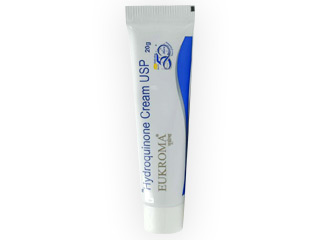
Generic name: Hydroquinone
How it’s used: Applied to the skin as a topical product (for example, a cream or gel), usually in a thin layer to the areas with hyperpigmentation.
Strengths and availability in the UK: Products may be sold in different concentrations. In the UK, the availability and legal classification of hydroquinone-containing products can vary. It’s important to follow the product label and UK rules for purchase and use.
Mechanism of action (how hydroquinone works)
Hydroquinone targets pigment formation in the skin.
- Melanin reduction: Hydroquinone interferes with pathways involved in melanin synthesis, helping to reduce excess pigment.
- Decreases melanocyte activity: It may slow the formation of melanin and gradually lighten existing dark patches.
- Gradual effect: Because it affects pigment over time, results are typically gradual rather than immediate.
Pharmacokinetics (what happens in the body)
When applied to intact skin, hydroquinone is absorbed at relatively low levels. The exact degree of absorption depends on:
- Skin condition (e.g., irritated or inflamed skin may absorb more)
- Amount applied and frequency
- Use on broken skin, under occlusion, or over large areas
- Product strength and formulation
General expectations: Most of the active substance remains local to the skin. Any absorbed fraction is processed by the body and eventually eliminated, largely through normal metabolic and excretory pathways.
Important: Because absorption may increase if the skin barrier is compromised, it’s especially important to avoid applying hydroquinone to broken or severely irritated skin, and to use it only as directed.
Typical use: what it’s for
Hydroquinone is primarily used to reduce hyperpigmentation—darkening of the skin due to excess melanin. Common skin concerns include:
- Post-inflammatory hyperpigmentation (PIH): Dark marks after acne, eczema flare-ups, insect bites, or minor skin injuries.
- Melasma (for suitable patients and products): Patches of pigment that can be triggered or worsened by sunlight and hormones.
- Uneven skin tone caused by localized pigment changes.
Not for: Hydroquinone is not intended to treat active infection, widespread fungal disease, or general skin conditions where the darkness is due to different causes. If a mark changes rapidly, becomes painful, bleeds, or looks suspicious, seek medical advice.
Timing: when to expect results
Hydroquinone works by gradually reducing pigment production. Timing can vary depending on the type and depth of pigmentation, sun exposure, and skin sensitivity.
- Early changes: Some people notice a difference in as little as a few weeks.
- Most visible improvement: Often takes 6–12 weeks with consistent use.
- Deeper pigmentation: May require longer, but prolonged continuous use may increase irritation risk—follow product instructions.
Key factor: Sun protection is crucial. Without it, pigment often returns or darkens, especially for melasma.
How to use hydroquinone safely (general dosing guidance)
Always follow your product label and the instructions supplied by your pharmacist or healthcare professional. Product strengths differ, so exact dosing schedules may vary.
General approach (common pattern)
- Amount: Apply a thin layer to the affected area only.
- Frequency: Many regimens use once daily or twice daily. Use the frequency specified for your product.
- Duration: Use for the intended course length on the label. Do not use continuously for longer than recommended.
Practical step-by-step
- Cleanse and pat skin dry gently.
- Apply hydroquinone to the dark areas only (avoid unnecessarily spreading to unaffected skin).
- Wash hands after application.
- Use moisturiser as needed (if allowed by the product instructions).
- Wear sunscreen during the day (SPF 30 or higher is commonly recommended for pigment control).
Missed dose
- If you miss a dose, apply it when you remember unless it is close to the next dose.
- Do not apply extra to make up for the missed amount.
Food interactions
Hydroquinone is used on the skin. It is not usually associated with food interactions in the way oral medicines are. Food is therefore unlikely to affect how it works.
Still consider: If your regimen includes other medications or skin treatments (e.g., creams containing other actives), check those products’ instructions. Also, maintain a balanced diet that supports skin health and overall wellbeing.
Alcohol and medicine interactions
Hydroquinone topical treatment is not typically associated with direct alcohol-food or alcohol-medicine interactions. However, alcohol may affect your skin barrier and sensitivity in some people.
- Alcohol and skin: Alcohol-containing products (such as some toners) can dry or irritate skin—irritation can worsen pigmentation.
- Other medicines on the skin: Avoid combining hydroquinone with multiple strong irritant actives at the same time unless your pharmacist has advised it.
- Oral medicines: If you take other medicines that affect skin sensitivity or pigmentation, seek advice. Examples include some retinoids or photosensitising medicines (your pharmacist can help check).
Indications (when it may be suitable)
Hydroquinone may be indicated for patients with:
- Localized hyperpigmentation where hydroquinone is appropriate and the underlying cause has been identified or is expected to resolve.
- Post-inflammatory marks after conditions such as acne.
- Melasma-related pigment in selected cases, alongside diligent sun protection and other supportive skincare.
Not all dark marks are pigment: Sometimes darkness is due to scarring, dilated vessels, other skin disorders, or in rare cases more serious conditions. If you are unsure, ask a pharmacist or dermatologist.
Safety profile: who should be careful
Hydroquinone is generally well tolerated when used correctly, but skin reactions are possible. Common concerns include:
- Irritation (redness, stinging, burning)
- Dryness or flaking
- Contact dermatitis in sensitive individuals
- Patchy irritation if applied too widely or too frequently
When to stop and seek advice
Stop using the product and seek advice if you develop:
- Severe burning or swelling
- Blistering, ulceration, or worsening rash
- Signs of allergy (itchy widespread rash, swelling of face/lips)
Special situations (important)
- Pregnancy and breastfeeding: If you are pregnant, trying to conceive, or breastfeeding, discuss options with a healthcare professional. The suitability of hydroquinone can vary by circumstances.
- Children: Use should be guided by age and product instructions. Ask a pharmacist if unsure.
- Very sensitive skin or eczema: You may be more likely to experience irritation. Patch testing and careful introduction may be advisable.
- Skin barrier damage: Avoid applying over cracked, scraped, sunburnt, or actively inflamed skin unless advised.
Practical use tips to minimise side effects
- Patch test first: Apply a small amount to a limited area and observe for 24–48 hours for irritation.
- Use the smallest effective amount: Target the dark areas, not the entire face, unless the product instruction says otherwise.
- Start slowly: If you’re prone to irritation, follow the label but consider starting with less frequent application (only if consistent with the product instructions).
- Moisturise appropriately: A bland moisturiser may reduce irritation. Avoid combining immediately with other strong actives unless advised.
- Use sun protection: Daily sunscreen and protective clothing are often essential for lasting improvement.
- Avoid peak sun: Try to minimise sun exposure during treatment.
- Don’t over-apply: More is not better and can increase irritation.
Food interactions, alcohol, and other product combinations
While hydroquinone itself is topical and unlikely to have direct food interactions, combination with other skincare products can influence irritation and effectiveness.
Be cautious with concurrent treatments
- Other strong exfoliants (e.g., high-strength acids) may increase irritation if used at the same time.
- Retinoids (if you use them) may also increase dryness or sensitivity.
- Fragranced products can irritate pigment-prone or sensitive skin.
Tip: If you want to combine therapies (for example, with a retinoid or chemical exfoliant), consider spacing them out and seek pharmacy advice for a safer routine.
Alternative options for uneven pigmentation
If hydroquinone is not suitable, you may consider other ingredients commonly used for hyperpigmentation. Availability and suitability depend on skin type and the underlying cause of the pigment.
- Azelaic acid: Helps reduce dark marks and can be helpful for acne-related PIH.
- Niacinamide: Supports pigment regulation and improves skin barrier comfort.
- Vitamin C (ascorbic acid or derivatives): Antioxidant support and brightening.
- Kojic acid: Another pigment-reducing ingredient used in some skincare.
- Retinoids: Can help with texture and gradual pigment changes (often with careful tolerance management).
- Physical and professional options: Laser or chemical peels may be options under specialist guidance, especially for stubborn melasma or scars.
Note: Pigmentation treatments often work best with sun protection and consistent skincare. For melasma, avoiding triggers (especially UV) is particularly important.
Market and legal context in the UK
In the United Kingdom, the sale and classification of hydroquinone-containing products can be influenced by regulatory decisions and safety evaluations. Concentrations, permitted uses, and whether a product can be sold over the counter may differ by product type and strength.
What this means for you:
- Buy only from reputable UK sources (such as registered online pharmacies).
- Check the product label for the hydroquinone strength and the recommended duration.
- Do not use products intended for other markets where strength and instructions differ.
Recent guidance and best-practice principles
While specific regulatory decisions can change over time, the general approach in dermatology and patient guidance remains consistent:
- Sun protection is essential to prevent worsening pigment.
- Use on limited areas and for the shortest effective duration.
- Manage irritation promptly to avoid rebound darkening.
- Consider alternative options if the risk of irritation outweighs benefit.
If you are unsure whether hydroquinone is appropriate for your type of pigmentation, a pharmacist can help you choose a treatment plan and set realistic expectations.
Delivery and availability (UK)
Hydroquinone products may be available through UK pharmacies and online retailers depending on product strength and regulatory classification. Delivery times and stock availability can vary by supplier and your location within the UK.
- Availability: Often available when in stock; some strengths may be limited.
- Delivery: Typical courier delivery options may include standard and express services depending on the pharmacy.
- Packaging: Products should arrive in intact packaging with clear labels and instructions.
Tip: Keep track of the expiry date and store the product as directed (commonly at room temperature, away from direct sunlight and heat).
Safety checklist before you start
- Is the mark truly pigment (and not a wound, rash, or changing mole)?
- Can you commit to daily sunscreen during treatment?
- Do you have a history of sensitive skin or allergies?
- Are you using other strong skin actives that might irritate your skin?
- Can you follow the label’s application area and time limits?
Frequently Asked Questions (FAQ)
1) How long does hydroquinone take to work?
Many people see early improvement in 4–8 weeks, with clearer results often by 6–12 weeks. Deeper pigmentation may take longer, but you should not continue beyond the label’s recommended duration.
2) Where should I apply hydroquinone?
Apply to the specific dark areas you want to lighten. Avoid applying to the entire face or skin area unless the product instructions say to do so.
3) Can I use it every day?
Follow your product label. Some regimens recommend once daily, others twice daily, and the course length may be limited. Overuse can increase irritation.
4) Will hydroquinone remove pigmentation completely?
It can significantly lighten many pigment types, but complete removal is not guaranteed—especially for melasma or pigment deeply embedded in the skin. Results depend on consistent sun protection and the underlying trigger.
5) Why does my skin sting or turn red?
Stinging and redness can indicate irritation. Stop and seek advice if severe. To reduce irritation, use a thin layer, avoid applying to broken skin, and consider spacing treatment if the product instructions allow.
6) Do I need sunscreen?
Yes. Sun exposure can undo progress and worsen pigmentation. Use sunscreen daily and reapply according to the label, especially outdoors.
7) Can I use hydroquinone with moisturiser?
Often yes. Using a bland moisturiser can improve comfort and reduce dryness. Avoid mixing immediately with other potent actives unless advised.
8) Can I combine hydroquinone with other brightening products?
Some people combine ingredients, but it can increase irritation. If you are using products such as acids, retinoids, or strong exfoliants, ask a pharmacist for a safe routine.
9) Is hydroquinone safe for long-term use?
Long-term continuous use may increase the risk of irritation and other skin concerns. Use should typically be limited to the label’s recommended course. If pigmentation persists, discuss alternative options.
10) What should I do if I miss a dose?
Apply when remembered, unless it’s close to the next dose. Do not apply extra to compensate.
11) Can I drink alcohol while using hydroquinone?
There are generally no direct alcohol interactions for topical hydroquinone. However, alcohol can contribute to dehydration or skin sensitivity in some people, and harsh skincare products containing alcohol may irritate—so choose skin-soothing routines.
12) Is hydroquinone suitable for melasma?
It may be considered for melasma in selected cases, but melasma is often persistent and easily triggered by sun. Treatment success depends heavily on consistent sun protection and the appropriateness of the product and concentration.
Summary
Hydroquinone is a topical ingredient used to reduce visible dark pigmentation by reducing melanin formation. It tends to work gradually over weeks to months, and results are strongly influenced by sun protection and appropriate, careful application. If you experience significant irritation or your skin condition changes unexpectedly, stop using the product and seek advice from a pharmacist or clinician.