
Bisacodyl (e.g., Bisacodyl tablets) — Patient Information
Bisacodyl is a well-known laxative used to relieve constipation. It works by stimulating the bowel to help you pass stool more easily. This guide explains what bisacodyl does, how to use it safely, when to take it, what to expect, and what to consider when you’re taking other medicines or have certain health conditions. It is written for people in the United Kingdom.
Basic product information
- Active ingredient: Bisacodyl
- Type of medicine: Stimulant laxative
- Common forms (varies by brand): Tablets, coated tablets; also available in some areas as suppositories
- Who it’s for: Adults and, depending on the specific product, children (age limits vary by formulation)
- Availability in the UK: Often available from pharmacies and may be sold as an over-the-counter medicine
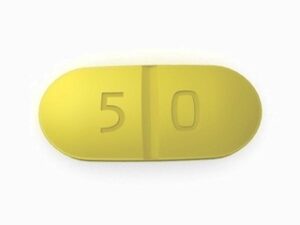
Important: Different brands and formulations may have different strengths (for example, 5 mg) and different instructions (tablets taken by mouth vs suppositories). Always follow the leaflet supplied with your exact product.
How bisacodyl works (mechanism of action)
Bisacodyl is a stimulant laxative. After it reaches the lower part of the gut, it helps trigger bowel movements. The key effects include:
- Stimulation of the intestinal lining: It increases activity in the colon and promotes movement of contents forward.
- Reduced water absorption: It may help reduce how much water is reabsorbed from stool, making it softer and easier to pass.
- Improved bowel motility: The result is increased bowel contractions that encourage evacuation.
What to expect: Bisacodyl can work relatively quickly compared with some other laxatives. The onset depends on how and when it’s taken.
Pharmacokinetics (what the body does to it)
Pharmacokinetics describes how your body absorbs, processes, and eliminates a medicine. Bisacodyl has features that explain its practical timing:
- Activation in the gut: Bisacodyl is converted to its active form in the bowel. Some tablet types are designed to be released in the colon.
- Limited systemic absorption: In many people, only a small amount reaches the bloodstream. The main action is local in the intestines.
- Excretion: The medicine and its metabolites are mainly eliminated through faeces, with some elimination through urine.
Because bisacodyl works locally in the bowel, factors such as constipation type, gut transit time, and the specific formulation can influence how quickly it works.
Typical uses and indications in the UK
Bisacodyl is used for constipation where you need a bowel movement. In practice, it is often used for:
- Relief of constipation (including occasional constipation)
- Short-term treatment when quick laxative effect is needed
- Situations where stool needs to be passed more easily (for example, following advice from a healthcare professional)
In some cases, bisacodyl may also be used as part of bowel preparation regimens for procedures. Your product label or local guidance will specify whether this applies to your formulation and how it should be taken.
When does bisacodyl work? Timing guide
Timing is one of the most important practical aspects of bisacodyl use.
- Oral tablets: Depending on the formulation, they may work within 6–12 hours. Some people take them in the evening for a bowel movement the next morning.
- Suppositories (if available on your product): Often work more quickly than tablets (commonly within 15–60 minutes), but follow your specific product instructions.
Common approach for tablets (example): Many people take bisacodyl tablets in the evening for morning relief. However, you should follow the exact directions in the leaflet provided with your medicine.
Tip: If you don’t get the result you expected, check whether you took it with or without food (see food interaction section below), and confirm you’re using the correct formulation.
Food interactions and “when to take” advice
Bisacodyl tablets are affected by food—particularly meals taken close to dosing. This is due to how the tablets are coated and activated in the bowel.
- Avoid taking tablets with food, especially if your product instructions say to take them without food.
- Do not take with milk or dairy products close to the dose, if the leaflet advises against it.
- Take with water as directed.
Practical example: If you intend the medicine to work by morning, it’s often taken in the evening, when you are typically not eating. Taking it right after a meal may delay or reduce the effect.
Alcohol and medicine interactions
Alcohol: There is no specific “direct” interaction that applies to all situations, but alcohol may worsen dehydration or constipation in some people and can irritate the gastrointestinal tract. Since stimulant laxatives can cause fluid loss, it’s wise to avoid heavy alcohol intake while using bisacodyl.
Medicine interactions: Bisacodyl can affect bowel function and, in some cases, the balance of electrolytes (salts) in the body. This is more relevant if you use it repeatedly or at higher doses.
- Other stimulant laxatives: Combining may increase the risk of diarrhoea, abdominal cramps, and dehydration.
- Diuretics (“water tablets”): In prolonged or high-dose use, there may be an increased risk of low potassium (hypokalaemia).
- Cardiac glycosides (e.g., digoxin): If potassium levels fall, effects on the heart rhythm may be increased.
- Medicines that can affect heart rhythm: Low potassium may increase sensitivity to certain arrhythmia risks.
- Corticosteroids (e.g., prednisolone): Repeated laxative use may increase the risk of low potassium.
General safety principle: Try not to use bisacodyl regularly unless a clinician has advised it. If you are taking medicines for heart conditions, diuretics, or you have kidney disease, speak with a pharmacist for personalised advice.
Dose and how to take bisacodyl (general guidance)
Because bisacodyl products vary, dosing must be based on your exact formulation and the leaflet that comes with it. The information below is general and may not match your brand’s wording.
Adults and older adolescents
- Typical starting dose: Often 5 mg at night for constipation relief (for tablets), but follow your product instructions.
- Maximum: Do not exceed the maximum dose stated in the leaflet.
Children
Age limits vary by product. Some bisacodyl products are not suitable for younger children, or have different dosing. Always check the leaflet and, if unsure, ask a pharmacist.
How to take it
- Swallow with water (unless your product leaflet instructs otherwise).
- Take without food if your leaflet states to do so—especially when dosing for morning effect.
- Stay hydrated while treating constipation.
Duration of use
- Use for short-term relief.
- If constipation persists or returns, don’t keep repeating stimulant laxatives—seek advice for the underlying cause.
Safety profile: who should be careful or seek advice
Bisacodyl is generally well tolerated when used correctly for short periods. However, certain situations require caution or medical advice.
Common side effects
- Abdominal cramps or discomfort
- Diarrhoea
- Nausea (sometimes)
- Dehydration if diarrhoea is significant
Serious warnings — stop and get help
Seek urgent medical advice if you have:
- Severe or persistent abdominal pain
- Vomiting or a swollen abdomen
- Blood in stool or black/tarry stools
- Signs of severe dehydration (e.g., dizziness, very dry mouth, fainting)
- Constipation that does not improve after using the product as directed
Do not use (or seek advice first) if you have
- Obstruction of the bowel (intestinal blockage) or suspected blockage
- Severe inflammatory bowel conditions (follow product advice; seek professional input)
- Severe dehydration or significant fluid/electrolyte problems
- Unexplained symptoms such as sudden constipation with weight loss, or a change in bowel habits that persists
Pregnancy and breastfeeding: Many people ask whether laxatives are safe during pregnancy. While bisacodyl is used for constipation, the safest choice depends on your situation and trimester. Speak with a pharmacist or clinician for advice tailored to you.
Practical use tips for best results
- Ensure you’re treating constipation correctly: If constipation is recent and severe, or if you have red-flag symptoms (pain, vomiting, blood), seek advice rather than self-treating.
- Consider hydration: Drink water regularly, especially if you’re taking a stimulant laxative.
- Review your diet: Fibre can help over time (but fibre alone may not give quick relief).
- Don’t overuse: Repeated use may increase the risk of diarrhoea and electrolyte imbalance.
- Give it the right timing: For tablets, consider taking according to the leaflet instructions, often in the evening for morning effect.
- Stop once you’re back to normal: Use only as needed for relief.
Alternative options for constipation
If bisacodyl isn’t suitable or doesn’t suit your situation, there are other laxatives and non-medicine options. The best choice depends on stool consistency, urgency, and how long the constipation has been present.
Common alternatives
- Bulk-forming laxatives (e.g., ispaghula/psyllium): useful for longer-term regularity, but may take longer to work.
- Osmotic laxatives (e.g., macrogol): draw water into the bowel; often gentler for repeated use under guidance.
- Stool softeners / lubricants: may help if stool is hard and dry.
- Other stimulant laxatives (e.g., senna): similar class effect; may cause cramps for some people.
- Rectal options (suppositories/enemas): can be faster for specific situations, depending on the product.
Non-medicine options: Gradually increasing fibre, regular fluids, gentle exercise, and routine bowel habits (e.g., allowing time after meals) can improve constipation over time.
Pharmacovigilance and UK market/legal context
In the United Kingdom, laxatives such as bisacodyl are regulated medicines. Depending on the product and strength, they may be classified as pharmacy or general sale medicines. This affects where and how they can be sold.
Reporting side effects: If you experience unexpected effects, you can report them. UK medicines safety reporting helps improve information on medicine risks and benefits.
Quality and sourcing: Online pharmacies in the UK should provide products that are legally supplied and correctly labelled with batch information and patient leaflets. Always check that the product listing includes clear strength, form, and instructions.
Recent guidance and practical constipation advice (UK context)
Across healthcare messaging in the UK, there is consistent emphasis on:
- Using laxatives as short-term “rescue” while addressing underlying causes.
- Not ignoring persistent constipation, especially if you have new or worsening symptoms.
- Considering red flags such as unexplained weight loss, blood in stool, severe abdominal pain, or sudden change in bowel habits.
- Starting with the gentlest effective option for many people (for example, osmotic laxatives), especially for those who need repeat treatment.
- Hydration and fibre as part of ongoing management.
Your personal best approach may differ—especially if constipation is caused by medications (for example, opioids), reduced mobility, or bowel conditions.
Delivery, availability, and product information (UK)
Bisacodyl products are commonly stocked by UK pharmacies and may be available for delivery depending on local regulations and supply. When ordering online, check:
- Exact form: Tablets versus suppositories.
- Strength and pack size: Often 5 mg tablets, but verify.
- Age suitability: Ensure the product is appropriate for the person using it.
- Storage instructions: Store as per the label (typically at room temperature, away from moisture and heat).
Delivery expectations: Delivery times can vary by provider and location across the UK. Reputable online pharmacies clearly state dispatch and delivery estimates at checkout. If delivery is urgent (for example, symptoms are severe), check the delivery options available before ordering.
Availability: Bisacodyl is often available year-round, but specific brands or strengths may occasionally be out of stock.
FAQ: Bisacodyl
1) How quickly does bisacodyl work?
For oral tablets, it often takes around 6–12 hours for effect. Many people take a dose in the evening for a morning bowel movement. Suppositories (if used) can work faster, often within 15–60 minutes. Exact timing depends on the formulation and whether it was taken with food.
2) Can I take bisacodyl every day?
Bisacodyl is intended for short-term relief. If you need laxatives regularly, it’s best to discuss options with a pharmacist or clinician to find a safer long-term plan, such as osmotic or bulk-forming approaches.
3) What should I do if it doesn’t work?
If you’ve taken it exactly as instructed and you still don’t get results, avoid escalating the dose yourself. Consider speaking to a pharmacist for advice, especially if constipation is ongoing or you have severe symptoms.
4) Is bisacodyl safe for children?
Only if the specific product is approved for the child’s age and dosing. Many formulations have age restrictions. Always follow the leaflet and consult a pharmacist if you’re unsure.
5) Can I take bisacodyl with food?
Some bisacodyl tablet instructions advise taking it without food, because food can delay or reduce the effect. Check your leaflet and, for best timing, take it as directed with water.
6) Will bisacodyl cause cramps?
Abdominal cramps can occur, particularly with stimulant laxatives. If cramps are severe, or if you develop significant abdominal pain, stop and seek medical advice.
7) What if I’m pregnant or breastfeeding?
Constipation is common, but medicine choice should be individual. Ask a pharmacist or clinician for guidance before using bisacodyl during pregnancy or breastfeeding.
8) Can I drink alcohol while using bisacodyl?
It’s best to limit alcohol. While there isn’t always a direct interaction, alcohol can contribute to dehydration and gastrointestinal irritation, and stimulant laxatives can increase fluid loss—so avoid heavy drinking while using bisacodyl.
9) Are there interactions with other medicines?
Potential interactions are mainly relevant if laxatives are used repeatedly or in high doses, and may involve diuretics, heart medicines, corticosteroids, or other laxatives. If you take regular medicines—especially for the heart or with diuretics—ask a pharmacist for a check.
10) When should I seek medical help for constipation?
Get medical advice promptly if you have severe or worsening abdominal pain, vomiting, blood in stool, black/tarry stool, sudden constipation with significant change in bowel habits, or constipation that persists despite using the medicine as directed.
Summary
Bisacodyl is a stimulant laxative used in the United Kingdom for short-term relief of constipation. It works by stimulating the bowel and helping move stool along. Timing matters—especially for tablets—so follow the leaflet regarding taking with or without food. When used correctly and for the recommended duration, bisacodyl can be effective and convenient. If constipation persists, returns frequently, or is accompanied by warning symptoms, seek advice to identify the underlying cause and consider alternative treatment options.
| Topic | What to know |
|---|---|
| Type | Stimulant laxative (bisacodyl) |
| How it works | Stimulates bowel activity and helps soften stool for easier passage |
| Typical onset | Tablets often 6–12 hours; suppositories (if used) can be faster |
| Food interaction | Tablets may be less effective if taken with food—follow leaflet instructions |
| Alcohol | Avoid heavy drinking; stay hydrated |
| Use length | Short-term rescue use only unless advised otherwise |
| Seek help | Severe pain, vomiting, blood in stool, dehydration, or no improvement |