Cartia Xt (Diltiazem Hydrochloride) — Patient Information (UK)
Cartia Xt contains diltiazem hydrochloride, a medicine used to treat certain heart and blood vessel conditions. It is designed to release diltiazem slowly over time (an “extended-release” medicine), helping to maintain steady levels in the body throughout the day.
This guide is written to be patient-friendly and tailored for the United Kingdom. It explains how Cartia Xt works, when it’s used, how to take it safely, interactions to watch for, and what to do if you miss a dose.
Quick Facts
- Medicine: Cartia Xt (diltiazem hydrochloride)
- Type: Calcium channel blocker (extended-release)
- How it works: Slows heart rate and relaxes blood vessels
- Typical uses: High blood pressure, angina (chest pain), and certain heart rhythm problems
- How it’s taken: Usually once daily with an extended-release formulation
- Common considerations: May cause dizziness, swollen ankles, headache, or slow heart rate
- Important interactions: Some heart medicines, medicines affecting CYP3A4, and grapefruit products
Basic Product Information
Cartia Xt is an extended-release form of diltiazem. The “Xt” formulation is designed to release the medicine gradually, which can help smooth out the effect over the day and reduce fluctuations compared with immediate-release preparations.
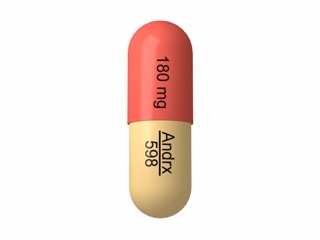
- Strengths: Available in different strengths depending on the product presentation in the UK market (commonly 120 mg, 180 mg, and 240 mg). Your pharmacist or prescriber will confirm your exact strength.
- Form: Extended-release tablets/capsules (follow the packaging instructions for your specific product).
- Route: Oral use.
Always check the label for your exact dose and formulation.
How Cartia Xt Works (Mechanism of Action)
Diltiazem is a calcium channel blocker. It works mainly on calcium entry into heart and smooth muscle cells. By reducing calcium movement through these channels:
- Heart rate control: It can slow conduction through the AV node (the electrical “relay” that helps coordinate heartbeats).
- Vessel relaxation: It helps relax blood vessel walls, reducing vascular resistance.
- Lower oxygen demand: In angina, relaxing vessels can reduce the workload on the heart and improve blood flow balance.
Overall effects: Lower blood pressure, improved chest pain control, and better control of certain abnormal rhythms by slowing the heart rate.
Pharmacokinetics (How the Body Handles the Medicine)
Pharmacokinetics describes how the body absorbs, distributes, metabolises, and eliminates a medicine.
Absorption & release
- Cartia Xt is formulated for extended release, so diltiazem is released gradually.
- With once-daily dosing, the goal is to maintain a steady therapeutic level over 24 hours.
Distribution
- Diltiazem distributes throughout the body and acts on heart and vascular tissues.
Metabolism
- Diltiazem is primarily metabolised by the liver (CYP enzymes), especially CYP3A4.
- This is why some medicines and foods can change its levels.
Elimination
- Metabolites are eliminated mainly through renal and biliary pathways.
- In some people (e.g., with liver impairment), drug levels may rise; extra monitoring may be needed.
Why this matters: Interactions that affect CYP3A4 or liver metabolism may increase side effects or reduce effect.
Typical Uses in the UK
Cartia Xt is used for several cardiovascular conditions. The exact reason you take it will depend on your diagnosis and clinical assessment.
Common indications
- Hypertension (high blood pressure): Helps reduce blood pressure by relaxing blood vessels.
- Angina pectoris: Helps reduce frequency/severity of chest pain by improving the balance between oxygen supply and demand.
- Rate control in certain arrhythmias: Particularly when a slower heart rate is needed (for example, some supraventricular tachycardias or rhythm-related rate issues).
Note: Management of arrhythmias and angina often involves other medicines (e.g., statins, antiplatelets, nitrates, or beta-blockers). Your plan may be tailored to your situation.
When to Take Cartia Xt (Timing & Routine)
Cartia Xt is commonly taken due to its extended-release design. However, follow your own prescribed/dispensed directions.
Practical timing tips
- Choose a consistent time each day (e.g., morning or evening).
- Try not to switch times frequently, as this may affect how steady your levels remain.
- If you feel dizzy, some people find taking it at night helps, but discuss changes with your clinician/pharmacist.
With or without food
Cartia Xt can typically be taken with or without food. See the section below for more details on food interactions (including grapefruit).
How to Take Cartia Xt (Dosing Guidance)
Important: Dosing must be individualised. Use the strength on your dispensing label and the schedule advised by your healthcare professional.
Typical starting and dose adjustment
- Doses are often started at a lower level and adjusted gradually based on response and side effects.
- Because Cartia Xt is extended-release, dosing schedules are usually simpler (often once daily).
Do not alter the tablet/capsule
- Do not crush, chew, or break extended-release tablets/capsules unless your specific product instructions say otherwise.
- Breaking may change the release pattern and increase side effects.
Missed dose
- If you miss a dose, take it when you remember unless it is close to your next dose.
- If close, skip the missed dose and continue as normal.
- Do not take a double dose to make up for the missed one.
Stopping Cartia Xt
- Do not stop suddenly without advice. Stopping abruptly may worsen underlying symptoms (e.g., blood pressure control or angina).
- Seek medical advice if you want to stop or switch medicines.
Food Interactions (Including Grapefruit)
Food can affect drug absorption or metabolism. With diltiazem, grapefruit products are particularly important because they can increase diltiazem levels by affecting drug-metabolising enzymes (commonly CYP3A4).
- Avoid or limit grapefruit: Grapefruit juice and grapefruit may increase exposure and side effects.
- General food: Many people take Cartia Xt with or without meals without issue, but follow the guidance from your pharmacist and the leaflet for your specific product.
If you’re unsure about specific foods or supplements, ask your pharmacist. Herbal products can also interact.
Alcohol Interactions
Alcohol may increase the chance of dizziness or light-headedness, especially at the start of treatment or after dose changes. It may also compound low blood pressure effects.
- Moderate alcohol use may be tolerated by some people, but keep it low and see how you react.
- Avoid binge drinking and be cautious if you stand up quickly.
- If you feel faint, avoid alcohol and contact a clinician for advice.
Medicine Interactions (What to Tell Your Pharmacist)
Diltiazem can interact with other medicines by affecting heart conduction, blood pressure, and liver enzyme metabolism. Always provide a full list of your medicines, including over-the-counter products and supplements.
Medicines that may increase diltiazem levels
Because diltiazem is metabolised by CYP3A4, medicines that inhibit this pathway can increase diltiazem exposure.
- Some antifungals: e.g., ketoconazole, itraconazole
- Some antibiotics: e.g., clarithromycin (and others that inhibit CYP3A4)
- Some HIV medicines (protease inhibitors)
- Some medicines for acid suppression may influence levels (your pharmacist can check)
- Grapefruit (food interaction)
Medicines that can add to effects on heart rate or blood pressure
- Beta-blockers (e.g., bisoprolol, metoprolol): may further slow the heart rate or affect conduction.
- Other rate-slowing medicines: may increase risk of bradycardia (slow pulse).
- Nitrates may be used for angina; combined effects may lower blood pressure.
- Other antihypertensives may increase the chance of low blood pressure.
Medicines affecting cardiac rhythm
- Antiarrhythmics and certain rhythm medicines may require careful monitoring to avoid excessive effects on conduction.
Statins and cholesterol medicines
Some statins are metabolised via CYP pathways and can interact with diltiazem. Your clinician may advise which statin is safest or lower doses may be needed.
Other medicines
- Anti-epileptics, rifampicin, and other strong enzyme inducers may reduce diltiazem effectiveness.
- Non-steroidal anti-inflammatory drugs (NSAIDs) are not a classic direct interaction, but any medication affecting kidney function or blood pressure should be discussed, especially if you have comorbidities.
Always check: If you start a new medicine (including over-the-counter products), inform the pharmacy so they can check compatibility.
Safety Profile: Common and Serious Side Effects
Most people tolerate Cartia Xt well when monitored appropriately. However, it can cause side effects in some individuals.
Common side effects
- Dizziness or light-headedness
- Headache
- Swollen ankles/feet (peripheral oedema)
- Fatigue
- Palpitations (sometimes awareness of heartbeat)
- Nausea
Less common but important effects
- Slow heart rate (bradycardia)
- Low blood pressure
- Changes in heart conduction (e.g., AV block)
- Shortness of breath or worsening exercise tolerance (seek advice)
Seek urgent help if you have
- Fainting, severe dizziness, or collapse
- Chest pain that is new, severe, or worsening
- Breathing difficulties or swelling of face/lips (possible allergic reaction)
- Very slow pulse with weakness or symptoms
Who needs extra caution?
- People with significant heart conduction problems (e.g., certain degrees of AV block)
- People with very low blood pressure or a tendency to faint
- People with liver impairment (may require dose adjustment/monitoring)
- Older adults or those taking multiple cardiovascular medicines (higher interaction risk)
Driving & machinery: If Cartia Xt makes you dizzy or fatigued, avoid driving or operating machinery until you know how it affects you.
Practical Use Tips
- Monitor your pulse and blood pressure if advised by your healthcare professional, especially after starting or changing dose.
- Stand up slowly to reduce dizziness (particularly in the morning or after sitting/lying).
- Keep a symptom diary (e.g., frequency of chest pain, breathlessness, or palpitations) to help evaluate effectiveness.
- Stay hydrated unless you’ve been told to restrict fluids.
- Don’t double up if you miss a dose.
- Tell every healthcare professional you see that you take Cartia Xt.
- Check “new medicine” interactions before taking antibiotics, antifungals, or herbal supplements.
Alternative Options (Discuss With Your Clinician)
If Cartia Xt isn’t suitable, alternatives depend on the reason it’s being used (blood pressure, angina, or rhythm control) and your medical history.
Other calcium channel blockers
- Amlodipine (often for hypertension/angina)
- Nifedipine (various formulations)
Other heart-rate and blood pressure medicines
- Beta-blockers (e.g., bisoprolol, metoprolol)
- ACE inhibitors / ARBs (e.g., ramipril, losartan) for hypertension
- Diuretics for blood pressure or fluid retention
Antianginal options
- Nitrates (for acute relief or prevention in some regimens)
- Other antianginal medicines depending on your diagnosis
Your clinician can help weigh benefits and side effects, including interaction risk and suitability for your heart rhythm and blood pressure.
UK Market and Legal / Safety Context
In the United Kingdom, medicines like Cartia Xt are regulated under the Medicines and Healthcare products Regulatory Agency (MHRA) and are supported by national guidance from bodies including NICE and clinical cardiology and hypertension pathways.
- Quality standards: UK-registered products must meet manufacturing and quality requirements.
- Safety updates: Medicines may have periodic safety communications (for example, warnings about interactions, dosing in specific populations, or product formulation changes).
- Pharmacist role: Pharmacists help ensure safe supply by checking your medicine history and advising on interactions and safe use.
Recent guidance (how to interpret it)
In recent years, UK clinical practice has continued to emphasise:
- Individualised dosing based on response and side effects
- Monitoring for heart rate, blood pressure, and symptoms
- Awareness of interactions, particularly with CYP3A4 inhibitors and other rate-slowing agents
- Patient education on recognising warning signs such as fainting or significant bradycardia
Because guidance can evolve, always follow the advice provided with your medicine and consult healthcare professionals if you have questions.
Delivery and Availability (Online Pharmacy in the UK)
Cartia Xt availability may vary by strength and pack size. Online pharmacies in the UK typically offer:
- Home delivery using standard or tracked services (depending on your location and provider)
- Transparent stock status shown at checkout
- Packaging designed to protect tablets during transit
Delivery times can depend on whether the item is in stock locally and the courier network. If you need Cartia Xt regularly, it’s a good idea to reorder before you run out.
Important: Check that the medicine you receive matches your required strength and formulation.
FAQ — Common Questions About Cartia Xt
1. What is Cartia Xt used for?
Cartia Xt (diltiazem) is used to treat conditions such as high blood pressure, angina (chest pain), and certain heart rhythm problems by slowing heart conduction and relaxing blood vessels.
2. How quickly will it work?
Some effects on symptoms like angina may be noticed soon after starting, while stable blood pressure and rhythm control may take days to weeks. Your clinician may adjust dose based on your response.
3. How do I take Cartia Xt?
Typically, it is taken once daily as an extended-release medicine. Swallow tablets/capsules whole and follow the instructions on the packaging or dispensing label.
4. Can I take it with food?
It’s commonly taken with or without food. However, avoid grapefruit and grapefruit juice, as they can raise diltiazem levels and increase side effects.
5. Can I drink alcohol?
Small amounts may be tolerated, but alcohol can increase dizziness and worsen low blood pressure. Use caution and avoid heavy drinking.
6. What side effects are common?
Common side effects include dizziness, headache, swollen ankles, and fatigue.
7. What side effects are serious?
Seek urgent help for symptoms such as fainting, severe dizziness, significant breathing difficulty, or allergic reaction signs (e.g., swelling of the face/lips).
8. Can Cartia Xt interact with other medicines?
Yes. Tell your pharmacist about all medicines you take, especially beta-blockers, certain antibiotics, antifungals, and medicines that affect CYP3A4. Always check before starting new medicines.
9. What if I miss a dose?
Take it when you remember unless it’s close to your next dose. Do not take a double dose.
10. Are there alternatives if I can’t tolerate it?
Yes. Alternatives may include other calcium channel blockers or different classes of cardiovascular medicines depending on your diagnosis. Discuss options with your clinician or pharmacist.
Summary
Cartia Xt (diltiazem hydrochloride) is an extended-release calcium channel blocker used in the UK for conditions such as hypertension, angina, and certain arrhythmias. It works by relaxing blood vessels and slowing heart conduction. For safe and effective use, take it at the same time each day, avoid grapefruit, and be mindful of interactions—especially with medicines that affect CYP3A4 or other rate-slowing drugs.
If you have concerns about side effects, interactions, or your dosing schedule, contact your pharmacist or healthcare professional promptly.
| Cartia Xt at a Glance | |
|---|---|
| Active ingredient | Diltiazem hydrochloride |
| Medicine class | Calcium channel blocker (extended-release) |
| Main benefits | Helps control blood pressure, angina symptoms, and certain rhythm-related heart rate issues |
| Typical dosing pattern | Often once daily (follow your label/dispensing instructions) |
| Key food interaction | Avoid grapefruit/grapefruit juice |
| Key interaction risk | CYP3A4 inhibitors; other heart-rate and blood pressure medicines |
| Common side effects | Dizziness, headache, swollen ankles, fatigue |
| Seek urgent help for | Fainting, severe dizziness, breathing difficulty, or signs of allergic reaction |