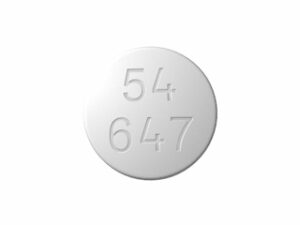
Cilostazol: Patient-Friendly Guide (UK)
Cilostazol is a medicine used to improve symptoms related to reduced blood flow to the legs, most commonly in people with intermittent claudication (pain/discomfort in the legs brought on by walking and relieved by rest). It works by helping blood circulate more easily and by reducing the tendency of blood platelets to clump together.
This guide explains what cilostazol is, how it works, how it behaves in the body, how it is commonly taken, and what to consider to use it safely alongside other medicines and everyday habits. It also includes UK-specific context and practical tips.
1. Basic product information
| Category | Details |
|---|---|
| Generic name | Cilostazol |
| Medicinal use | Improves walking distance in intermittent claudication |
| How it works | Antiplatelet effects + vasodilation (via phosphodiesterase inhibition) |
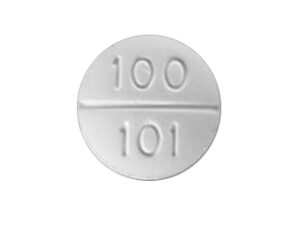
| Typical form | Tablets (strengths vary by brand/supplier) |
| Common dosing frequency | Often twice daily (exact regimen depends on prescriber advice and product strength) |
2. How cilostazol works (mechanism of action)
Cilostazol belongs to a class of medicines known as phosphodiesterase (PDE) inhibitors. It works in two key ways:
- Improves blood flow: Cilostazol increases levels of a chemical messenger inside blood vessel cells, which leads to vasodilation (widening of blood vessels). This can improve circulation to working muscles in the legs during walking.
- Helps prevent platelet clumping: It also has antiplatelet activity, meaning it reduces the likelihood that platelets will stick together to form clots. This effect may contribute to better microcirculation.
By combining these effects, cilostazol aims to reduce the pain/discomfort that limits walking and to increase walking distance.
3. Pharmacokinetics (how the body processes cilostazol)
Pharmacokinetics describes what happens after you take a medicine—how it is absorbed, distributed, metabolised, and removed from the body.
Absorption
Cilostazol is absorbed after oral dosing. Peak drug levels in the body typically occur a few hours after taking a tablet. Individual absorption can vary depending on factors such as stomach contents and overall health.
Distribution
The drug distributes throughout the body and is present in blood at therapeutic levels. It is partly bound to blood proteins.
Metabolism
Cilostazol is primarily metabolised by the liver, with involvement of important drug-metabolising enzymes. This matters because some medicines can increase or decrease cilostazol levels by affecting these enzymes.
Elimination
Cilostazol and its metabolites are cleared mainly through kidney and/or bile pathways. The half-life (the time for drug levels to reduce by about half) influences how often it is taken.
Clinical takeaway: Because metabolism is enzyme-dependent, other medicines (and some lifestyle factors) can influence cilostazol exposure and therefore safety and effectiveness.
4. Typical use in the UK
In the UK, cilostazol is used mainly for people with intermittent claudication, a symptom of peripheral arterial disease (PAD). Intermittent claudication commonly causes:
- Cramping, aching, or pain in the calf, thigh, or buttock during walking
- Relief after resting
- Reduced walking ability and quality of life
Cilostazol is used as part of a broader approach that also includes lifestyle measures such as stopping smoking (if applicable), exercise programmes, and optimal management of cardiovascular risk factors.
5. Timing: when to take it and how to build a routine
Many people take cilostazol twice daily, but the exact schedule depends on the product and your healthcare advice. A common approach is to take tablets about 12 hours apart.
- Consistency helps: Try to take your doses at the same times each day.
- If a dose is missed: Take it when you remember, unless it is close to the next dose. Do not take a double dose to make up for a missed tablet.
- Stop and seek advice if severe bleeding occurs: unusual bruising, blood in urine/stool, vomiting blood, or coughing blood need urgent medical review.
6. Food interactions and what to watch for
Food can affect how quickly medicines are absorbed. For cilostazol, food may influence the timing of peak levels, but the medicine is generally taken orally according to the labelled instructions.
Practical guidance:
- Follow the product instructions: Some patients find it easier to take cilostazol consistently with or shortly after meals.
- Avoid sudden changes: If your regimen is working, keep meals consistent day to day.
- If you experience stomach upset: taking with food may help. If symptoms persist, speak to a healthcare professional.
Key point: Always check the specific instructions on your package or label, since formulations and guidance may differ.
7. Alcohol and medicine interactions
Alcohol can worsen side effects such as dizziness, headaches, and indigestion in some people. While moderate alcohol may not be an automatic contraindication, it can increase the chance of feeling unwell—particularly when starting treatment.
Alcohol: practical advice
- Consider avoiding or limiting alcohol, especially at the start of treatment.
- Be cautious driving or operating machinery if you feel light-headed.
- If you drink heavily or regularly, discuss this with a clinician before continuing cilostazol.
Important medicine interactions (examples)
Cilostazol can interact with several types of medicines, especially those affecting liver enzymes involved in drug metabolism. Interactions may increase the risk of side effects or alter effectiveness.
Tell your clinician or pharmacist if you take any of the following:
- Other medicines that affect platelet function (increasing bleeding risk), such as antiplatelet drugs
- Anticoagulants (blood thinners), which can raise bleeding risk
- Enzyme inhibitors or enzyme inducers that change cilostazol levels
- Medicines for high blood pressure or heart conditions (risk of dizziness/low blood pressure)
- Some antifungals and antibiotics (potential enzyme-related interactions)
Do not stop or start other medicines without advice. If you begin any new medication (including over-the-counter products), ask whether it is safe to use alongside cilostazol.
8. Indications: when cilostazol may be used
The main indication is:
- Intermittent claudication (symptomatic peripheral arterial disease) to improve walking distance and symptoms in suitable patients.
Cilostazol is not a general “heart medicine” for everyone with cardiovascular disease, and it is not used for all types of leg pain. The right diagnosis is important.
If your symptoms are due to a different cause (for example, nerve pain, joint problems, or spinal conditions), cilostazol may not help.
9. Dosing: how much is usually taken
Dose schedules vary depending on age, kidney or liver function, tolerability, and local product guidance. A commonly used regimen involves:
- Adults: typically taken twice daily (for example, morning and evening).
- Dose adjustment: may be required in certain populations, including those with specific organ impairment or if side effects occur.
Always follow the exact instructions on your medicine label. If you are unsure about your dosing schedule, speak to a healthcare professional or pharmacist.
Missed dose guidance
- If you miss a dose and it is close to the next, skip the missed dose.
- Do not take two doses at once.
10. Safety profile: what to know before and during use
Like all medicines, cilostazol can cause side effects. Many people experience mild effects that settle with time, while others need a review or dose adjustment.
Common side effects
- Headache
- Dizziness or light-headedness
- Palpitations (awareness of heartbeat)
- Swelling of the lower legs (oedema) in some cases
- Diarrhoea or stomach upset
- Nausea
- Flushing
Serious side effects: seek urgent help
Contact urgent medical services or seek emergency assessment if you develop:
- Signs of bleeding: vomiting blood, coughing blood, black/tarry stools, blood in urine, or severe/unexplained bruising
- Chest pain or severe shortness of breath
- Fainting or severe dizziness
- Severe allergic reaction: swelling of face/lips, trouble breathing, or widespread rash
Who should be extra cautious
Cilostazol may not be suitable for everyone. Extra caution is needed if you have:
- Heart failure or reduced heart pumping function (some patients may be advised not to use cilostazol)
- High risk of bleeding or current bleeding conditions
- Significant liver disease
- Use of interacting medicines (especially those affecting bleeding risk)
Important: Always review your full medication list with a healthcare professional, including herbal products and supplements.
Monitoring
Routine laboratory monitoring may be recommended in some circumstances, especially if you have pre-existing liver problems or if side effects occur. Your clinician will advise what’s needed.
11. Practical use tips for best results
Cilostazol can help symptoms of claudication, but it works best when combined with overall PAD management. The following tips can improve outcomes and reduce frustration during the early phase of treatment.
- Use an exercise plan: Structured walking improves function. Many patients benefit from a supervised or planned programme that alternates walking with rest. Ask about local PAD exercise services in the UK.
- Track your walking ability: Note how far you can walk before pain and how quickly it settles after resting. This helps you and your clinician assess whether cilostazol is helping.
- Be consistent with dosing: Set reminders if necessary, especially if you take two daily doses.
- Move slowly if dizzy: If you feel light-headed, sit down and stand up carefully.
- Watch for bleeding symptoms: Tell your pharmacist or clinician promptly if you bruise more easily or notice bleeding.
- Keep your medicines list updated: Bring it to appointments, including over-the-counter products.
12. Alternative options for intermittent claudication (UK)
Depending on your individual case, several options may be considered alongside or instead of cilostazol. Alternatives may include medication choices and non-drug approaches.
Medication and non-medication alternatives
- Supervised exercise therapy (often a cornerstone of treatment)
- Optimising cardiovascular risk factors (for example, smoking cessation, blood pressure control, cholesterol management, diabetes care)
- Antiplatelet therapy may be used for overall cardiovascular protection in PAD (your clinician will advise)
- Other anti-claudication strategies may be considered based on local availability and suitability
- Referral for procedures if symptoms are severe or if there is significant blockage amenable to intervention
Your best option depends on your artery blockage pattern, symptom severity, and overall health. Discuss with a vascular specialist or your GP.
13. Market & legal context for the UK
In the UK, medicines are regulated and supplied under national frameworks designed to ensure safety, quality, and appropriate use. Availability of specific products can depend on licensing, classification, and prescribing/dispensing arrangements.
Important: When buying medicines online in the UK, ensure you use a reputable UK-registered pharmacy site. Check that you receive the correct information leaflet and that the product is properly labelled.
UK healthcare pathways for PAD may involve your GP and referral routes. Ongoing guidance emphasises assessment of:
- the severity of symptoms
- overall cardiovascular risk
- appropriate use of medication alongside exercise
- when specialist referral is appropriate
Note on guidance: Clinical recommendations can be updated over time. Always follow advice from your current healthcare professional and the most recent NHS or specialty guidance relevant to PAD and intermittent claudication.
14. Recent guidance (how it influences real-world use)
In recent years, guidance across the UK has continued to emphasise a structured approach to PAD: symptom relief, cardiovascular risk management, and appropriate referral when needed. While cilostazol may be used in suitable patients to improve walking distance, clinicians typically also prioritise:
- diagnostic confirmation of PAD and assessment of severity
- smoking cessation and exercise therapy
- optimisation of lipid lowering and other cardiovascular measures
- review of concurrent therapies to reduce risk and interactions
If you’re starting or changing treatment, your clinician may set a timeframe to assess response (for example, whether walking distance improves) and to review tolerability.
15. Delivery and availability (UK online pharmacy)
Availability of cilostazol products can vary by supplier and stock levels. A reliable online pharmacy should provide:
- Clear product details (strength, formulation, pack size)
- Up-to-date stock status and expected dispatch times
- Secure packaging and appropriate delivery options
- Standard and tracked delivery methods where available
Delivery tips:
- Choose a delivery option that ensures someone can receive the package if needed.
- Check storage instructions when the medicine arrives (for example, room temperature and protecting from moisture).
- Keep the medicine in its original packaging to aid identification and for expiry information.
If you need your medicine urgently, contact the pharmacy’s customer service to discuss delivery options.
16. Frequently Asked Questions (FAQ)
How long does cilostazol take to work?
Some people notice improvements in walking symptoms within the first few weeks, but meaningful benefit may take longer. Your clinician may review your response after a defined period. If there is no improvement and side effects occur, treatment may need reassessment.
Can I take cilostazol if I have leg pain but not diagnosed PAD?
Cilostazol is intended for intermittent claudication related to peripheral arterial disease. Other causes of leg pain may not respond. If your diagnosis is uncertain, seek medical advice to confirm the cause of symptoms.
What should I do if I get headaches or dizziness?
Headache and dizziness are common early side effects. If symptoms are mild, take your doses as directed and rise slowly from sitting/lying. If dizziness is severe, persistent, or you feel faint, contact a healthcare professional promptly.
Is cilostazol safe to take with aspirin or other blood-thinning medicines?
Cilostazol has antiplatelet activity and may increase bleeding risk when combined with other medicines that affect blood clotting. Do not combine without clinical review. If you already take aspirin or other blood-thinning therapy, your pharmacist or clinician should assess whether the combination is suitable for you.
Can I drink alcohol while taking cilostazol?
It’s often best to limit alcohol. Alcohol may increase dizziness or upset your stomach. If you plan to drink, start cautiously and avoid heavy drinking. Seek advice if you drink regularly or heavily.
Does cilostazol affect driving or using machinery?
Dizziness can occur. If you feel light-headed, avoid driving or operating machinery until you know how cilostazol affects you.
Should I take cilostazol with food?
Some people find taking it with food helps reduce stomach discomfort. Follow the instructions on your medicine label or leaflet. Aim for consistency to avoid large day-to-day changes.
What if I miss a dose?
Take it when you remember unless it is almost time for the next dose. Do not take a double dose.
Are there any warning signs that mean I should stop and get medical help?
Seek urgent advice for signs of significant bleeding (such as blood in stools/urine, vomiting blood, black tarry stools), severe chest pain, severe breathlessness, fainting, or symptoms of a serious allergic reaction.
Are there alternatives if cilostazol doesn’t help?
Yes. Treatment can include supervised exercise therapy, optimisation of PAD cardiovascular risk factors, and in some cases other medication strategies or referral for procedures. Your clinician can help decide based on your symptoms and scan results.
17. Summary
Cilostazol is a medicine commonly used for intermittent claudication in PAD to help improve walking distance by improving blood flow and reducing platelet clumping. It is typically taken twice daily, with important considerations around drug interactions, bleeding risk, and side effects such as headache or dizziness. For best results, combine medicine with structured exercise and comprehensive cardiovascular risk management—this holistic approach is strongly emphasised across UK PAD care.
If you have questions about whether cilostazol is suitable for you or how it fits with your current medicines, speak to a healthcare professional or pharmacist.