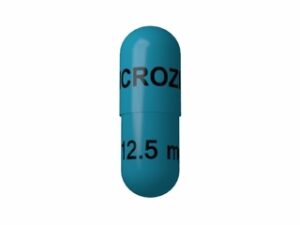
Lozol (Indapamide) — Patient Information (UK)
Lozol contains indapamide, a medicine used to help manage high blood pressure and, in some cases, fluid build-up related to heart failure. It is a “water tablet” (a diuretic) that helps the kidneys remove extra salt and water from the body while supporting healthier blood pressure levels.
This page explains how Lozol works, how to take it, common safety information, and what to expect. It is written for patients in the United Kingdom.
Quick Facts
- Medicine: Lozol (indapamide)
- Type: Thiazide-like diuretic (often described as a “water tablet”)
- Main uses: High blood pressure; fluid management in selected patients
- How it works: Helps reduce blood pressure and fluid retention
- Common side effects: Low potassium, dizziness, dehydration, frequent urination
- Important risks: Electrolyte imbalance, low blood pressure, kidney issues in some situations
What is Lozol?
Lozol is the brand name for indapamide. Indapamide is used to lower blood pressure and to help reduce fluid build-up by affecting kidney function.
In the UK, you may see different strengths or formulations depending on availability. Always check the exact product strength on your packaging and follow the dose instructions provided for your specific situation.
How Lozol Works (Mechanism of Action)
Indapamide belongs to the class of thiazide-like diuretics. It works primarily in the kidneys, where it helps:
- Reduce sodium (salt) reabsorption in the kidney tubules
- Increase excretion of sodium and water, which can lower blood volume and help reduce blood pressure
- Support blood vessel health by contributing to long-term blood pressure reduction (beyond just fluid removal)
As the body loses salt and water, blood pressure may fall. The medicine can also affect levels of minerals (electrolytes), such as potassium and sodium.
Pharmacokinetics: How Your Body Handles Indapamide
Pharmacokinetics describes what the body does with the medicine—how it is absorbed, distributed, metabolised, and eliminated.
- Absorption: Indapamide is absorbed from the gut after taking a tablet.
- Onset of effect: Blood pressure effects occur within hours, with continued benefit over days.
- Duration: Many patients take it once daily (depending on the specific formulation/strength).
- Protein binding: Like many medicines, it can bind to proteins in the blood.
- Metabolism: It is metabolised mainly in the liver.
- Elimination: It is excreted in urine and partly via other routes.
Practical takeaway: Consistent daily use is important for stable blood pressure control.
Typical Uses in the UK
Lozol may be used for:
- Hypertension (high blood pressure): To help reduce blood pressure and lower long-term cardiovascular risk.
- Fluid-related symptoms in selected patients: Sometimes used in conditions where fluid retention occurs, as advised by a healthcare professional.
It is not intended for fast “emergency” blood pressure lowering. Its benefits are based on regular dosing over time.
Indications and When It May Be Considered
Indapamide may be considered when:
- Blood pressure remains above target despite lifestyle measures, and additional medicines are needed.
- A diuretic effect is helpful for fluid management (in selected clinical situations).
- Your clinician determines that a thiazide-like diuretic fits your overall treatment plan.
Important: The right medicine depends on your individual health history (for example, kidney function, electrolyte levels, and other medications).
Dosing and Timing
Always follow your prescribed dosing instructions and the label on your specific product. Doses can vary depending on the strength of the tablet and your medical condition.
For many patients, indapamide is taken once daily. Because it can increase urination, timing matters.
How to take Lozol
- Typical schedule: Once daily, usually in the morning.
- With or without food: It can often be taken with water and may be taken with or without food (follow your product directions).
- Do not double up: If you miss a dose, take it when you remember unless it is close to the next dose. Do not take two doses together.
If urination is bothersome
- Try taking the dose earlier in the day.
- Avoid taking it late in the evening to reduce night-time trips to the toilet.
- Contact a healthcare professional if side effects become severe.
Food Interactions
In general, indapamide can be taken with or without food. However, certain food and drink patterns can affect how safe and comfortable treatment is.
- Salt intake: Since indapamide affects sodium balance, diets high in salt may make blood pressure harder to control.
- Potassium-rich foods: Indapamide can lower potassium in some people. Eating foods such as bananas, oranges, beans, lentils, and leafy greens may help, but do not drastically change potassium intake without guidance—especially if you have kidney problems or are taking potassium-influencing medicines.
- Grapefruit: Grapefruit interactions are not usually a major concern for indapamide, but it may interact with other medicines you take. Check your full medication list.
Alcohol and hydration: See the section below for alcohol guidance.
Alcohol Interactions and Safety
Combining indapamide with alcohol can increase the likelihood of certain effects, particularly:
- Dizziness or light-headedness (blood pressure may drop)
- Dehydration (alcohol can affect fluid balance)
- Reduced ability to recognise symptoms of low blood pressure or electrolyte problems
Advice:
- If you drink alcohol, consider keeping intake moderate.
- Be extra cautious when standing up quickly.
- Avoid binge drinking, especially when starting treatment or adjusting dose.
Medicine Interactions (Important)
Lozol can interact with other medicines, particularly those that affect blood pressure, electrolytes, and kidney function.
Common categories to discuss
- Other blood pressure medicines: may increase the risk of low blood pressure (dizziness, fainting).
- NSAIDs (for example ibuprofen, naproxen): may reduce kidney effects and may affect blood pressure control.
- Lithium: can have increased toxicity with diuretics.
- Digoxin: low potassium increases risk of abnormal heart rhythms.
- Other medicines that lower potassium (some steroids, certain asthma medicines like salbutamol used frequently, laxatives): combined effect may increase risk of hypokalaemia.
- Medicines that raise potassium (potassium supplements, potassium-sparing diuretics, some heart medicines): may need careful monitoring.
- Diabetes medicines: may require monitoring because diuretics can affect blood sugar control in some people.
Tell your pharmacist or prescriber
It helps to inform them about all medicines you take, including:
- Over-the-counter remedies (including painkillers)
- Herbal products and supplements
- Any recent changes to your medicines
Practical note: If you start a new medicine (including an over-the-counter product), ask whether it affects electrolytes or kidney function.
Safety Profile: Side Effects and Risks
Most people tolerate indapamide well, but like all medicines it can cause side effects. Some effects relate to fluid balance and electrolyte changes.
Common side effects
- Frequent urination (especially early in treatment)
- Dizziness, especially when standing up
- Headache
- Fatigue
- Muscle cramps or weakness (may be linked to electrolyte changes)
Less common but important side effects
- Low potassium (hypokalaemia): can cause muscle weakness, cramps, abnormal heart rhythms
- Low sodium (hyponatraemia): may lead to confusion, headaches, unusual tiredness
- Dehydration: symptoms include thirst, dry mouth, reduced urine, dizziness
- Changes in kidney function: especially in those with existing kidney disease or dehydration
- Rash or allergic reactions: seek urgent advice if swelling of face/lips or breathing difficulty occurs
Seek urgent medical help if you experience
- Fainting, severe dizziness, or chest pain
- Severe allergic reaction (swelling, difficulty breathing)
- Severe weakness, confusion, or worsening symptoms of dehydration
Monitoring
Depending on your health, your clinician may monitor:
- Blood pressure
- Blood electrolytes (sodium, potassium)
- Kidney function (creatinine/urea)
- Metabolic parameters where appropriate (for example glucose in diabetes)
Practical takeaway: Monitoring helps catch electrolyte problems early.
Practical Use Tips (How to Get the Best Results)
- Take it at the same time each day to maintain steady effect.
- Stand up slowly during the first days of treatment, or if your dose has changed.
- Hydration matters: drink fluids normally unless you’ve been told to restrict fluids due to another condition.
- Watch for side effects like dizziness, unusual tiredness, muscle cramps, or palpitations.
- Keep an eye on blood pressure if you monitor at home. If readings become too low (for example causing symptoms), speak to your healthcare professional.
- Don’t stop suddenly unless advised—blood pressure may rise again.
When to use extra caution
Be especially careful if you have:
- Kidney disease or reduced kidney function
- Dehydration risk (vomiting/diarrhoea, overheating, fasting)
- History of electrolyte imbalance
- Conditions or medications that affect potassium or sodium levels
- Older age (higher likelihood of dizziness or electrolyte changes)
Guidance for Common Situations
Vomiting or diarrhoea (“sick day” risk)
If you have significant vomiting or diarrhoea, you may become dehydrated and more prone to kidney or electrolyte problems. Contact your healthcare professional for advice on whether to temporarily adjust your medicines during illness.
Heat, heavy exercise, and dehydration
- In very hot weather or after intense exercise, dehydration can worsen dizziness and electrolyte imbalance.
- Ensure adequate fluid intake (within any restrictions you’ve been given).
Before surgery or dental procedures
Tell the clinician or dentist you are taking indapamide, particularly if they are adjusting medicines around the time of procedures.
Alternative Options
High blood pressure and fluid retention can be treated with various medicine classes and lifestyle changes. Alternatives depend on your individual condition and other medications.
Other medicine options for high blood pressure
- ACE inhibitors (for example ramipril, lisinopril)
- ARBs (for example losartan, candesartan)
- Calcium-channel blockers (for example amlodipine)
- Beta-blockers (for example bisoprolol)
- Other diuretics (for example bendroflumethiazide, furosemide in selected cases)
Lifestyle measures that support treatment
- Reducing salt intake
- Maintaining a healthy weight
- Regular physical activity (as advised)
- Limiting alcohol and stopping smoking
- Managing stress and sleep
Important: Do not switch medicines without professional advice, as dosing and monitoring requirements differ.
Market and Legal Context in the UK
In the UK, medicines are regulated by MHRA (Medicines and Healthcare products Regulatory Agency) and overseen within the broader framework of the NHS and UK medicines legislation. Medicines must be licensed/authorised for supply, and pharmacies follow strict rules regarding supply, labelling, and patient safety.
Lozol (indapamide) is an established medicine used in clinical practice. Availability can vary between pharmacies and suppliers depending on stock and product strengths.
Safety responsibilities for pharmacies: UK pharmacies typically check that a supply is appropriate for the patient, provide instructions and safety information, and advise on monitoring and side effects.
Recent Guidance and Ongoing Safety Monitoring (UK Context)
Blood pressure management in the UK is guided by national and professional recommendations, typically emphasising:
- Using evidence-based medicines
- Regular monitoring of blood pressure
- Appropriate monitoring of kidney function and electrolytes when diuretics are used
- Reviewing medicine regimens periodically (especially in older adults and those with multiple conditions)
In recent years, there has also been increased attention to:
- Medication safety in older adults and those at dehydration risk
- Electrolyte monitoring for diuretics
- Optimising blood pressure targets and individualising care
Your pharmacist or prescriber may advise additional blood tests if you have kidney issues, are on multiple interacting medicines, or develop symptoms suggestive of electrolyte imbalance.
Delivery and Availability (Online Pharmacy in the UK)
Online pharmacy availability depends on stock levels and your selected delivery method. In the UK, pharmacies may offer:
- Home delivery by courier or tracked post
- Standard and express delivery options (where offered)
- Delivery timeframes that vary by region and supplier dispatch schedules
For best results, ensure you enter:
- Your correct address
- Any delivery instructions (for example safe place)
- A reliable contact number/email if required
Storage: Keep tablets in the original packaging, at room temperature, away from moisture and direct heat. Keep out of reach of children.
FAQ — Lozol (Indapamide)
1) How long does Lozol take to work?
Blood pressure effects can begin within hours, but noticeable benefit and stable control typically develop over days as your body adjusts. Continue taking it daily as directed for best results.
2) Why do I feel dizzy when starting Lozol?
Dizziness may occur because blood pressure can fall and because fluid balance changes. This is more likely at the start of treatment or after a dose change. Stand up slowly and contact a healthcare professional if dizziness is severe or persists.
3) Will Lozol make me pee more?
Yes. Indapamide increases urine output, particularly in the early days. Taking your dose in the morning may help reduce night-time trips to the toilet.
4) What blood tests might be needed?
Your clinician may monitor electrolytes (sodium, potassium) and kidney function. The exact schedule depends on your medical history and other medications.
5) Can I take Lozol with food?
Often, yes. Many patients can take indapamide with or without food. Always follow the instructions on your product label or provided medicines information.
6) Can I drink alcohol while taking Lozol?
Moderate alcohol may be possible for some people, but alcohol can increase dizziness and dehydration risk. If you choose to drink, avoid excessive amounts and stay hydrated.
7) What should I do if I miss a dose?
Take it when you remember unless it is close to the next scheduled dose. Do not take two doses at once. If you are unsure, ask your pharmacist for advice.
8) Are there foods I should avoid?
There’s no single forbidden food for everyone. However, very high salt intake can make blood pressure control harder. If you are at risk of electrolyte imbalance, discuss dietary potassium and salt changes with your pharmacist or clinician.
9) Who should be extra careful with indapamide?
Extra caution is needed if you have kidney disease, a history of electrolyte problems, are prone to dehydration, are elderly, or take multiple medicines that affect blood pressure, kidney function, or potassium.
10) What alternatives are there if I can’t tolerate Lozol?
Alternatives may include other blood pressure medicines (ACE inhibitors, ARBs, calcium-channel blockers, or other diuretics) depending on your situation. Your clinician can recommend the best fit.
Summary
Lozol (indapamide) is a thiazide-like diuretic used to manage high blood pressure and selected cases involving fluid retention. It works by helping the kidneys remove salt and water, supporting healthier blood pressure levels. Because it can affect electrolytes and kidney function, it’s important to take it consistently—often once daily in the morning—and to follow monitoring guidance if your clinician advises blood tests.
If you notice symptoms such as severe dizziness, weakness, palpitations, confusion, or signs of dehydration, seek prompt medical advice. For personalised advice about interactions and suitability, speak to a pharmacist.
| Category | Key Information (Patient-Friendly) |
|---|---|
| Medicine | Lozol (indapamide) |
| Class | Thiazide-like diuretic (“water tablet”) |
| Main uses | High blood pressure; selected fluid-related conditions |
| How it works | Helps kidneys remove salt/water and supports long-term blood pressure reduction |
| Typical timing | Often once daily in the morning to reduce night-time urination |
| Common side effects | More urination, dizziness, headache, fatigue |
| Main safety considerations | Electrolyte imbalance (sodium/potassium), dehydration, kidney effects, low blood pressure symptoms |
| Food/drink notes | Usually with or without food; limit high salt intake; alcohol may increase dizziness/dehydration |
| Interactions | May interact with other blood pressure medicines, NSAIDs, lithium, digoxin, and medicines affecting potassium/sodium |
| Monitoring | Blood pressure and possibly blood tests for electrolytes and kidney function |