
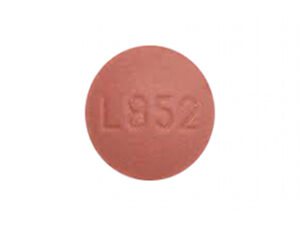
Ranexa (Ranolazine) — Patient-Friendly Guide
Ranexa is a medicine containing ranolazine, used to treat certain types of long-term chest pain caused by reduced blood flow to the heart (angina). It can help some people experience fewer angina attacks and improved exercise tolerance. This guide explains how Ranexa works, how it’s usually taken, what to watch for, and practical tips for safe use in the United Kingdom.
Important: If you feel chest pain that is severe, new, or different from usual, seek urgent medical help right away (for example, call 999 in the UK). Ranexa is not used to treat sudden attacks of angina.
At a Glance
- Medicine name: Ranexa (ranolazine)
- Used for: Long-term symptomatic chronic angina (stable angina) in adults
- How it may help: Can reduce frequency of angina and raise the threshold for symptoms
- Not for: Relief of sudden angina attacks
- Common tablet strengths: Often 375 mg and 500 mg (depending on brand packaging in the UK) and other dose presentations depending on product availability
What Ranexa Is and Basic Product Information
Ranexa is an oral medicine used for chronic angina. It is typically taken as modified-release tablets designed to release ranolazine over time. The exact strength and tablet appearance can vary by product presentation.
In the UK, Ranexa is supplied through standard pharmacy channels. Availability may depend on local supply, prescriber requirements, and manufacturer stock.
How Ranexa Works (Mechanism of Action)
Ranolazine works in a different way from many other anti-angina treatments.
Key mechanism: Ranolazine helps improve how heart muscle cells use energy by affecting electrical activity and ionic currents. Specifically, it inhibits late inward sodium current (INa) in cardiac cells, which can reduce intracellular sodium overload. This can, in turn, lower calcium overload through the sodium-calcium exchange process, contributing to improved electrical stability.
Clinical result: The heart can work more efficiently under stress, which may reduce symptoms of angina without significantly changing heart rate or blood pressure in many people.
Pharmacokinetics (How the Body Handles Ranexa)
Understanding pharmacokinetics can help you take Ranexa correctly.
- Absorption: Ranolazine is absorbed after oral dosing. Modified-release tablets are designed for sustained release.
- Time to peak: Levels typically rise and reach peak concentration several hours after dosing (timing may vary between individuals).
- Steady state: Steady levels are usually reached after repeated dosing over a few days, depending on dose and patient factors.
- Metabolism: Ranolazine is primarily metabolised in the liver, with involvement of CYP3A enzymes (and transport-related pathways). This is why interactions with certain medicines are important.
- Half-life: Ranolazine has an elimination half-life that supports twice-daily dosing in most patients.
- Excretion: Metabolites are eliminated mainly via the liver/bile route and through kidneys.
What Ranexa Is Used For (Indications)
In the UK, Ranexa is used in adults for the treatment of chronic (stable) angina.
It is typically considered when:
- Symptoms persist despite other anti-anginal medicines, or
- Other medicines are unsuitable or insufficient, or
- A combination approach is needed to improve symptom control.
Not for: Rapid relief of acute angina attacks. If you feel angina symptoms, follow your clinician’s advice and use your prescribed rescue treatment (often glyceryl trinitrate/similar) for sudden attacks.
Typical Timing and How to Take Ranexa
Ranexa is usually taken twice daily (morning and evening), with roughly 12 hours between doses unless your healthcare professional has instructed otherwise.
Starting dose (common approach)
- Your prescriber may start at a lower dose and increase after a period, depending on tolerability and safety considerations.
- Follow your own dose schedule carefully.
How to take the tablets
- Swallow tablets whole with water.
- Do not crush, break, or chew modified-release tablets unless your specific product guidance allows it.
- Take at similar times each day to maintain steadier blood levels.
If you miss a dose
- Take it when you remember unless it is close to the time of your next dose.
- If it is near your next dose, skip the missed dose and continue as normal.
- Do not take a double dose to make up for a missed one.
If you frequently miss doses or have questions about your schedule, speak to a pharmacist for personalised advice.
Food and Drink Interactions
Food: Ranolazine can be taken with or without food for many patients. However, for best routine adherence and consistent absorption, many people prefer taking it with meals or at the same time relative to meals each day.
Grapefruit and grapefruit juice: It’s often recommended to avoid grapefruit products while taking medicines like ranolazine because they may increase drug levels by affecting CYP3A.
General advice: Maintain a consistent routine. If you make major changes to diet or use herbal products, check for interactions.
Alcohol and Medicine Interactions
Alcohol
Moderate alcohol may be tolerated by some people, but alcohol can worsen dizziness, low energy, or unsteadiness in certain individuals. Because Ranexa can occasionally cause side effects such as dizziness or light-headedness, it’s sensible to:
- Limit alcohol intake, especially when starting therapy or adjusting the dose.
- Avoid binge drinking.
- Do not drive or operate machinery if you feel unwell or dizzy.
Medicine interactions (very important)
Ranolazine levels are affected by liver enzymes and transporters. Some interactions can increase ranolazine concentration and raise the risk of side effects, including effects on the heart’s electrical activity (QT prolongation).
Medicines that may be particularly important to discuss:
- CYP3A inhibitors (can raise ranolazine levels), including certain antifungals (e.g., ketoconazole/itraconazole), some antibiotics (e.g., clarithromycin), and some HIV medicines.
- CYP3A inducers (can reduce ranolazine levels), such as rifampicin and some seizure medicines.
- Other medicines affecting heart rhythm or QT interval.
- Medicines that may lower potassium or magnesium (e.g., some diuretics), which can increase risk of rhythm problems.
- Some medicines used for erectile dysfunction (e.g., sildenafil or similar), or other cardiac drugs—interaction potential depends on the specific product and dose.
Always tell your pharmacist or healthcare professional about:
- All prescription medicines
- Over-the-counter medicines
- Herbal products and supplements
- Any planned new treatments
Safety Profile: Who Should Be Cautious?
Most people tolerate Ranexa, but it can cause side effects in some individuals. Safety depends on dose, kidney and liver function, other medicines, and individual risk factors.
Common side effects
- Dizziness
- Headache
- Nausea
- Constipation
- Asthenia (tiredness/weakness)
Less common but important risks
- Heart rhythm changes (QT prolongation): Ranolazine can affect the electrical system of the heart. The risk may be higher in people with certain pre-existing conditions or when combined with interacting medicines.
- Low blood pressure symptoms: Some people feel faint or light-headed.
- Drug interactions: Increased ranolazine blood levels may heighten side effect risk.
Seek urgent help if you experience
- Fainting or severe dizziness
- Palpitations with feeling unwell
- Symptoms of significant abnormal heart rhythm
- Severe allergic reaction (e.g., swelling of face/lips, trouble breathing)
Special caution groups
Extra care is often needed if you have:
- Significant liver problems
- Severe kidney impairment
- Known QT prolongation or a history of certain heart rhythm problems
- Uncontrolled electrolyte issues (e.g., low potassium/magnesium)
- Multiple interacting medications
Dosing: How Much Is Usually Taken?
Dose is individualised. Your clinician may select the starting dose and titrate depending on symptoms and side effects, including how your heart’s electrical activity and overall condition respond.
Typical pattern (general): Ranexa is often taken as a twice-daily regimen, starting at a lower strength and increasing if needed.
| Topic | Typical approach (general UK practice) |
|---|---|
| How often | Usually twice daily (morning and evening) |
| Starting dose | May begin at a lower dose to improve tolerability |
| Dose adjustment | May be increased based on symptom control and side effects |
| Heart rhythm monitoring | May be considered in people with risk factors or when starting interacting medicines |
Follow your specific label directions. Do not adjust your dose without speaking to a healthcare professional.
Practical Tips for Safe Use
- Keep a routine: Take your tablets at consistent times. Use alarms or blister packs to help.
- Review your medicine list: When starting Ranexa, ensure your pharmacist checks interactions with all your medicines, including antibiotics, antifungals, heart rhythm medicines, and herbal products.
- Know your angina plan: Ranexa helps with chronic symptoms; it does not replace rescue treatment for sudden attacks.
- Be careful when standing: If you feel dizzy, rise slowly from sitting or lying positions.
- Avoid grapefruit: Unless your pharmacist confirms it is safe for you.
- Don’t stop suddenly without advice: If you plan to stop, discuss with your prescriber to avoid worsening symptoms.
- Check if you need monitoring: If you have heart rhythm concerns or are on multiple medicines, ask whether any ECG or blood tests are appropriate.
Alternative Options
Angina management can involve several medicine classes and lifestyle measures. The most suitable alternative depends on your medical history, blood pressure, heart function, and other medications.
Common alternative anti-angina options (examples):
- Beta-blockers (reduce heart workload)
- Calcium channel blockers (dilate coronary arteries; different types may be used)
- Nitrates (for symptom relief and prevention; short-acting rescue nitrates for sudden attacks)
- Other anti-anginal add-ons depending on availability and guidance
- Risk-factor management such as statins, antiplatelet therapy, blood pressure and diabetes control (these are important for overall cardiovascular risk reduction)
Non-medicine options can also be considered, such as cardiac rehabilitation and procedures if anatomy or symptoms warrant. If you’re exploring alternatives, ask your pharmacist or cardiology team what best fits your angina type and current treatment plan.
Market and Legal/Guidance Context in the UK
In the UK, Ranexa (ranolazine) is a recognised prescription-only medicine in line with medicines legislation and safety monitoring frameworks. Availability and use are guided by national and local clinical policies, along with manufacturer information and safety updates.
Clinical guidance considerations typically include:
- Choosing appropriate therapy for stable chronic angina
- Reviewing the patient’s overall cardiovascular risk and comorbidities
- Assessing medicine interactions and contraindications
- Considering electrocardiogram (ECG) monitoring where relevant
Because safety can depend on patient risk factors and co-medication, ongoing adherence to updated product information and clinician guidance is important.
Recent Guidance and Safety Updates (How to Stay Informed)
Medication safety guidance can change as new data becomes available. For the UK, relevant updates may include:
- Changes to SmPC (Summary of Product Characteristics) or patient information
- New interaction alerts based on post-marketing reports
- Refinements in prescribing practices for particular patient groups
Practical step: If you have been on Ranexa for a while, periodically review your medication list with your GP or pharmacist, especially after any new prescriptions or hospital visits.
Delivery and Availability in the UK
Online availability can vary by pharmacy and current stock. Delivery timelines depend on:
- Whether items are in local or national warehouse stock
- Carrier schedules and address eligibility
- Prescription and verification processes required by UK pharmacy regulations (where applicable)
When ordering online, ensure you provide accurate delivery details and be available to receive the parcel, especially for deliveries requiring signature or when stock is limited. If you are unsure whether Ranexa is currently available, contact the pharmacy’s customer support for up-to-date information.
FAQ: Frequently Asked Questions
1) What is Ranexa used for?
Ranexa is used in adults for the treatment of chronic (stable) angina to help reduce symptoms such as chest pain episodes and improve exercise tolerance.
2) Does Ranexa treat sudden chest pain attacks?
No. Ranexa is for long-term symptom control. If you have sudden chest pain, follow your urgent action plan and use your recommended rescue treatment.
3) How long does it take to work?
Some people notice improvement over time after starting treatment, while others may require dose adjustment and weeks of consistent use for best effect. Your prescriber can advise what to expect based on your situation.
4) Can I take Ranexa with food?
It’s generally possible to take Ranexa with or without food. For everyday consistency, take it at the same times relative to meals each day.
5) What should I avoid while taking Ranexa?
Common recommendations include avoiding grapefruit/grapefruit juice and being cautious with medicines that may interact via CYP3A pathways or affect heart rhythm/QT interval.
6) Can I drink alcohol?
Alcohol may increase dizziness in some people. If you choose to drink, keep it moderate and avoid drinking when you feel unwell or dizzy.
7) What interactions are most important to tell my pharmacist about?
Tell your pharmacist about all medicines, especially those that inhibit or induce liver enzymes (particularly CYP3A), medicines that affect heart rhythm, and medicines that lower potassium/magnesium.
8) Are there warning signs that mean I should stop and seek help?
Seek urgent medical advice for severe dizziness, fainting, palpitations with feeling unwell, or symptoms of an allergic reaction. For any worrying side effects, contact a healthcare professional promptly.
9) What if I miss a dose?
Take it when you remember unless it’s nearly time for your next dose. Do not take a double dose.
10) Is Ranexa suitable for everyone with angina?
Suitability depends on your heart rhythm risk, liver and kidney function, current medicines, and overall clinical profile. Your clinician/pharmacist can assess whether ranolazine is appropriate.
Summary
Ranexa (ranolazine) is a long-term treatment for chronic stable angina that works by improving certain electrical and energy processes in the heart. It is typically taken twice daily and may help reduce angina symptoms without strongly affecting heart rate in many patients.
Because ranolazine can interact with other medicines and may affect heart rhythm in some cases, it’s important to take it as directed, avoid known interacting substances (such as grapefruit), and keep your healthcare team informed about all medicines and supplements you use.
For personalised advice, speak to a pharmacist or clinician—especially if you have liver/kidney problems, known rhythm issues, or you’re starting or stopping other medicines.