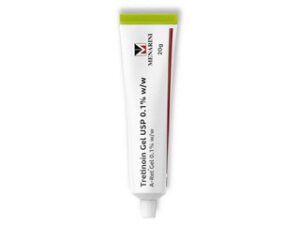
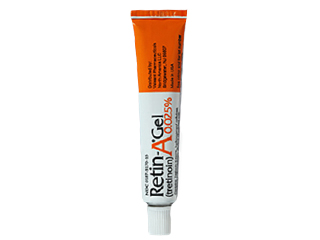
Retin-A Gel (Tretinoin) – Patient Information
Retin-A Gel contains tretinoin, a vitamin A–derived medicine used mainly for acne and certain skin conditions. It works by helping skin cells renew more normally, reducing clogged pores, and supporting clearer-looking skin over time. This page explains how it works, how to use it safely, what to expect, and important precautions relevant to the United Kingdom.
Quick Overview
- Active ingredient: Tretinoin (retinoid)
- Medicine form: Gel for topical use
- Common uses: Acne (including inflammatory acne and comedones)
- How it works: Speeds up cell turnover and reduces clogging in pores
- When to apply: Usually in the evening or at night
- Key safety points: Can cause irritation; use sunscreen and moisturiser
Basic Product Information
| Category | Details |
|---|---|
| Brand | Retin-A Gel |
| Generic name | Tretinoin |
| Type of medicine | Topical retinoid (vitamin A derivative) |
| Route of administration | On the skin (topical) |
| Typical strengths | Available in different strengths depending on product/market availability |
| Best time to use | Evening/night |
How Retin-A Gel Works (Mechanism of Action)
Tretinoin is a topical retinoid. It influences how skin cells develop and shed. In acne, pores can become blocked with oil (sebum) and dead skin cells, leading to comedones (blackheads/whiteheads) and inflammatory spots (red, tender acne).
Retin-A Gel helps by:
- Normalising shedding of skin cells inside pores, which helps reduce blockage.
- Promoting faster skin turnover, gradually improving the surface of the skin.
- Reducing formation of comedones, which are the “starts” of many acne lesions.
- Supporting a clearer-looking complexion over time as the skin remodels.
During the first weeks, some people experience an initial increase in redness or breakouts (“purging”). This can be temporary, but irritation should be managed carefully.
Pharmacokinetics (What the Body Does to the Medicine)
With topical tretinoin, only a small amount is absorbed through intact skin. Absorption can be higher if the skin barrier is damaged (for example, through excessive irritation, eczema flare-ups, cuts, or sunburn).
In general:
- Absorption: Limited systemic absorption from the skin.
- Distribution: Any absorbed medicine is distributed via normal body pathways.
- Metabolism and elimination: Metabolism occurs primarily in the liver; excretion occurs through normal routes (exact rates vary between individuals).
Because systemic levels are typically low with correct topical use, side effects are usually local (skin-related).
Typical Use in the UK (Indications)
Retin-A Gel is commonly used to treat acne. Depending on the product strength and local clinical practice, it may be used for:
- Comedonal acne (blackheads and whiteheads)
- Inflammatory acne (papules and pustules)
- Acne prone skin as part of a longer-term skin routine
Your pharmacist or clinician may advise combination treatment where appropriate. Many acne regimens pair a topical retinoid with other products (for example, benzoyl peroxide or topical/oral antibiotics) to improve results.
Dosing and How Often to Apply
Retin-A Gel is for use on the skin. The “right dose” is usually described as the amount of medicine applied and how frequently you start, rather than a measured pill-like dose.
Typical starting schedule (patient-friendly approach)
- Week 1–2: Apply a pea-sized amount (or enough to cover the affected area thinly) to the skin 2–3 nights per week.
- Week 3–4: If skin tolerates it, increase gradually to alternate nights.
- After 4–6 weeks: Some people may use it once nightly if irritation is well controlled.
Apply only to the affected areas (or the acne-prone areas if advised). Using more does not clear acne faster; it usually increases irritation and dryness.
How much to use
- Use a thin layer.
- A pea-sized amount is often enough for the whole face (avoid eyes, lips, and corners of the nose).
- If you are treating smaller areas (e.g., cheeks only), use less.
Timing: When to Apply Retin-A Gel
Tretinoin is typically used in the evening or at night. This is partly practical—skin is less exposed to sunlight at night—and because some patients are more sensitive when using retinoids.
A practical routine for many people is:
- Evening: Cleanse gently, let skin dry, apply Retin-A Gel.
- Later (if needed): Apply a moisturiser to reduce dryness/irritation.
- Morning: Use a gentle cleanser and sunscreen (important).
Food Interactions
Because Retin-A Gel is applied to the skin, food interactions are not expected to play a significant role. Systemic absorption is typically low with correct use.
If you are taking other medications and have specific concerns, ask your pharmacist for personalised advice.
Alcohol and Medicine Interactions
Alcohol
There are generally no direct interactions between topical tretinoin and alcohol in standard use. However, alcohol can worsen dehydration or skin sensitivity in some people. If you notice your skin becomes drier after alcohol consumption, consider moisturising more and reducing irritation triggers.
Other medicines and topical products
The most important “interactions” with Retin-A Gel relate to other topical skincare products that may increase irritation.
Talk to a pharmacist before combining tretinoin with:
- Other exfoliating acids (e.g., strong AHA/BHA products) used on the same night
- Harsh cleansers or medicated scrubs
- Products containing alcohol, fragrance, or strong actives that irritate your skin
- Other retinoids (topical or oral retinoids) unless advised as part of a supervised plan
- Waxing, chemical peels, or laser treatments on treated areas until your skin is fully settled (timing should be discussed with a professional).
When used together appropriately, some combinations can work well (for example, benzoyl peroxide with a retinoid), but reactions vary. If you develop significant burning, swelling, blistering, or worsening rash, stop and seek advice.
Practical Use Tips (How to Get the Best Results)
Before applying
- Cleanse gently: Use a mild, non-abrasive cleanser.
- Let skin dry: Wait about 10–20 minutes after washing before applying. Applying to very damp skin can increase irritation.
- Use a pea-sized amount: Avoid over-application.
Where to apply
- Apply to clean, dry acne-prone areas.
- Avoid eyes, eyelids, corners of the nose, lips, and any broken or eczema-damaged skin.
- If it gets near sensitive areas, rinse with water.
Moisturiser strategy (often helps tolerance)
If your skin feels dry or tight, moisturiser can help. Two common approaches:
- Moisturiser before: apply moisturiser, wait a few minutes, then apply tretinoin.
- Moisturiser after: apply tretinoin first, then moisturise to reduce dryness.
Choose whichever your skin tolerates best. Avoid applying thick occlusive creams directly on top immediately if they make you feel irritated; if unsure, start with a light moisturiser.
Sunscreen is essential
Retin-A Gel can make skin more sensitive. In the UK, daylight is present year-round. Use a broad-spectrum sunscreen in the morning and reapply when outdoors.
What to Expect: Timeline of Results
Acne treatments often take time. Typical expectations:
- First 2–6 weeks: redness, dryness, peeling, or “purging” may occur.
- 6–12 weeks: gradual reduction in clogged pores and fewer new spots.
- 3–6 months: longer-term improvement in overall texture and acne control.
Consistency matters more than increasing frequency too quickly. If you are very irritated, reduce application frequency rather than stopping entirely unless advised.
Safety Profile and Side Effects
Most side effects are skin-related and occur during the initial period of use. Everyone’s skin is different—some people tolerate tretinoin well from the start, while others need a slower “ramp-up.”
Common skin side effects
- Dryness
- Redness
- Peeling or flaking
- Burning, stinging, or itching (mild to moderate)
- Temporary increased sensitivity to sunlight
Less common but more serious reactions
Stop using and seek urgent medical advice if you experience:
- Severe swelling of the face, lips, or eyelids
- Blistering, weeping, or intense skin pain
- Widespread rash or signs of an allergic reaction
When to be extra cautious
- Active eczema or very sensitive skin
- Sunburn or strong sun exposure
- Using multiple irritating skincare products
- Overusing or applying too frequently
Pregnancy and Breastfeeding (Important UK safety consideration)
Tretinoin is a retinoid. Retinoids taken orally are associated with serious birth defects. With topical tretinoin, systemic absorption is usually low, but it is still important to consider safety carefully.
If you are pregnant, trying to conceive, or breastfeeding, discuss your situation with a healthcare professional before using Retin-A Gel. Avoid use unless you have clear guidance for your specific circumstances.
Alcohol, Sun, and Lifestyle Tips
While alcohol does not have a direct chemical interaction with tretinoin, skin comfort can vary. The biggest lifestyle factors affecting tretinoin tolerance are sun exposure and other irritation triggers.
- Use sunscreen daily and seek shade during peak sun.
- Avoid tanning beds and strong sun exposure on treated skin.
- Be gentle with cleansing: no scrubs or rough cloths.
- Limit other actives (especially on the same nights) if you are sensitive.
- Protect your skin barrier with moisturiser.
Recent Guidance and Clinical Practice Notes (UK context)
Acne treatment guidance in the UK typically focuses on stepwise management: educating patients, reducing inflammation, preventing comedone formation, and managing skin irritation. Topical retinoids such as tretinoin are widely used in acne care because they target the underlying process of clogged pores.
Many clinicians emphasise:
- Slow titration (gradually increasing frequency)
- Gentle skincare and moisturising strategies
- Sun protection
- Considering combination therapy if needed (for example, with benzoyl peroxide) to improve acne control while managing irritation.
If your acne is severe, scarring, or not improving after a reasonable trial period, a clinician may recommend a different treatment plan.
Alternative Options
If Retin-A Gel doesn’t suit your skin or your acne type, several alternatives may be considered. Availability and suitability depend on your situation and how your skin responds.
Other topical retinoids
- Adapalene (often better tolerated by some people)
- Tretinoin alternatives in different formulations/strengths
Non-retinoid acne treatments
- Benzoyl peroxide (targets acne bacteria and inflammation)
- Salicylic acid (helps with exfoliation and clogged pores)
- Azelaic acid (anti-inflammatory and helps with pigmentation in some people)
- Topical antibiotics may be used in selected regimens (guided by clinician/pharmacist advice)
A pharmacist can help you compare options and suggest a compatible routine, especially if you have sensitive skin.
Delivery and Availability in the United Kingdom
Retin-A Gel is typically supplied through pharmacy channels. Availability can vary by strength and formulation, and stock levels may change.
- Delivery: Many online pharmacies offer home delivery within the UK; delivery times depend on the selected service and local logistics.
- Product availability: Some tretinoin strengths/formulations may be seasonal or limited in supply.
- Packaging: Medicines are supplied in appropriate containers to protect from light and ensure safe handling.
If a specific strength is temporarily unavailable, your pharmacy may suggest an alternative strength or formulation that is clinically suitable.
How to Store Retin-A Gel
- Store at appropriate room temperature as indicated on the package.
- Keep the gel tightly closed.
- Protect from excess heat and direct sunlight.
- Keep out of the sight and reach of children.
- Do not use after the expiry date on the packaging.
FAQ – Retin-A Gel (Tretinoin)
1) How long does it take to work?
Many people notice some improvement within 6–12 weeks, with greater benefits after 3–6 months. Early irritation or temporary “purging” can occur in the first few weeks.
2) Should I use Retin-A Gel every night?
Usually, you should start gradually (e.g., 2–3 nights per week) and increase only if your skin tolerates it. Overuse commonly increases dryness and burning without improving results.
3) Can I wear makeup?
Yes, but apply after the gel has had time to absorb. Use non-comedogenic, gentle makeup if possible. Avoid makeup removal products that sting or irritate.
4) Can I combine Retin-A Gel with benzoyl peroxide?
Some regimens combine a retinoid with benzoyl peroxide, often with careful timing to reduce irritation. If you plan to combine products, consider alternating nights or ask a pharmacist for a compatible routine.
5) Why is my skin peeling and red?
Tretinoin can cause irritation—especially when starting. This often improves with time and by using moisturiser and a slower application schedule. If irritation is severe, reduce frequency or pause and seek advice.
6) Can I shave, use hair removal, or apply facial masks?
If your skin is irritated, avoid aggressive treatments. Wait until your skin has calmed down before using strong exfoliating masks, waxing, or chemical peels. Shaving is usually fine if it doesn’t cause irritation, but be gentle.
7) Is it safe to use in summer?
It can be used year-round, but sunscreen is essential. Try to avoid prolonged direct sun on treated areas and seek shade when possible. Consider extra moisturiser if the weather dries your skin.
8) What should I do if I miss a dose?
Apply at the next scheduled time. Do not apply extra gel to “catch up.”
9) Can I use Retin-A Gel on my body?
Some people use topical tretinoin on areas such as the chest or back for acne, but suitability depends on the product and your condition. Use only on intended areas and avoid sensitive skin.
10) When should I stop and seek help?
Stop using and seek medical advice if you develop severe irritation, blistering, swelling, a widespread rash, or worsening symptoms that do not improve after adjusting your routine.
Summary
Retin-A Gel (tretinoin) is a topical retinoid widely used in the UK for acne. It works by helping prevent clogged pores and supporting normal skin cell turnover. With gradual use, moisturising support, and daily sunscreen, many people achieve clearer, smoother-looking skin over several months.
If you have questions about whether Retin-A Gel suits your skin type, or how to combine it with other products safely, ask your pharmacist for tailored guidance.