
Valparin (Valproic Acid) — Patient Information
Valparin is the brand name commonly used for medicines containing valproic acid (also available in related forms such as sodium valproate/valproate semisodium depending on the product). Valproic acid is an anti-epileptic medicine used to help control seizures and, in some situations, to treat specific mood conditions. This page explains how it works, how it is used, and important safety information for people in the United Kingdom.
| Medicine | Valparin (Valproic Acid / Valproate) |
|---|---|
| What it’s used for | Epilepsy (various seizure types); sometimes bipolar disorder under strict conditions |
| How it works | Increases calming activity in the brain and changes neurotransmitter balance |
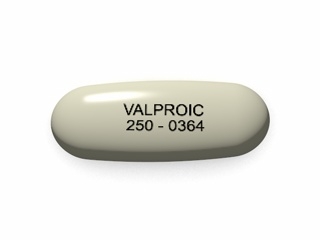
| Typical forms | Syrup, capsules/sprinkles, tablets and modified-release options (varies by product) |
| How it’s taken | Usually once or multiple times daily depending on formulation and your regimen |
| Key safety topics | Liver health, blood/platelets, pancreatitis risk, and strong pregnancy prevention requirements for people who can become pregnant |
Basic product information
Active ingredient: Valproic acid (valproate).
Medicine type: Antiepileptic (antiepileptic drug, AED) and mood-stabilising medicine (in some indications).
Common brand name: Valparin.
Who it may be suitable for: People with epilepsy and, depending on circumstances and local guidance, selected patients for mood stabilisation.
Important note: Valproate is associated with significant risks in pregnancy. In the UK, strict prescribing controls and pregnancy prevention programmes apply to help reduce fetal risk.
How Valparin works (mechanism of action)
Valproic acid helps reduce the likelihood of seizures by affecting electrical activity in the brain and the balance of chemical signals (neurotransmitters). Exact mechanisms can vary by seizure type, but key actions include:
- Increasing GABA activity: Valproate increases the availability/effect of gamma-aminobutyric acid (GABA), a natural calming neurotransmitter.
- Reducing abnormal neuronal firing: It can stabilise nerve cell membranes and reduce excessive electrical activity.
- Influencing sodium channels and signalling: It may also affect neuronal signalling pathways involved in seizure generation.
Because of these combined effects, valproate is effective for several seizure types, often including epilepsy syndromes that respond well to valproate.
Pharmacokinetics (how the body handles the medicine)
Pharmacokinetics describes absorption, distribution, metabolism, and elimination—how the body processes valproate.
Absorption
- Absorption can be rapid for immediate-release formulations.
- Modified-release forms are designed to release the medicine more slowly.
- Food can affect how quickly absorption occurs, depending on the formulation, but total absorption is often less affected than timing.
Distribution
- Valproate is highly protein-bound (mainly to albumin). Low albumin states can increase the active (free) fraction.
- It can cross into the brain and, for people who are pregnant, crosses the placenta.
Metabolism
- Valproate is primarily metabolised in the liver.
- It undergoes various metabolic pathways and produces metabolites that may have limited or no seizure-controlling activity.
Elimination
- Elimination is mainly via the kidneys (through urine) as metabolites.
- Kidney function generally affects metabolites more than the parent medicine, but overall monitoring may still be needed.
Why blood levels may be monitored
Depending on your situation, clinicians may measure valproate blood levels to ensure the dose achieves effective control while reducing side effects. Levels can be influenced by other medicines, liver function, and changes in absorption.
Typical use in the UK
In the UK, valproate-containing medicines are used mainly for:
- Epilepsy — for different seizure types and epilepsy syndromes where valproate is an appropriate option.
- Bipolar disorder — in selected cases when it is considered suitable and other options may not be appropriate. Strict safety measures apply.
Your exact treatment plan depends on your age, seizure type, response to therapy, and medical history.
Indications (what it is used to treat)
Valproate products are indicated for:
- Epilepsy: including partial seizures, generalised seizures, and mixed seizure patterns (exact indications depend on the product licence and formulation).
- Bipolar disorder: mood stabilisation in adults in certain circumstances (subject to stringent criteria and pregnancy prevention requirements).
Check your specific packaging leaflet for exact licensed indications for your Valparin formulation.
Dosing and how to take Valparin
Dose requirements vary widely between individuals. Healthcare professionals typically start at a low dose and adjust gradually to achieve seizure control with the fewest side effects. Dose also depends on:
- Your seizure type and response
- Age, body weight, and formulation
- Whether you are taking other anti-epileptic medicines
- Liver function and blood test results
- Therapeutic drug monitoring results (when used)
Timing
Most people take valproate once or multiple times daily, depending on the formulation (e.g., immediate-release vs modified-release). To support steady levels:
- Try to take doses at consistent times each day.
- If you have a twice-daily regimen, leaving roughly equal intervals between doses can help.
- If switching between formulations, timing and dose adjustments may be required.
How to take with or without food
Valproate can often be taken with or without food. Food may reduce stomach upset for some people. Your product leaflet may include specific advice based on your formulation.
Swallowing and special formulation instructions
- Swallow capsules/tablets whole if instructed. Do not crush or chew unless the leaflet permits.
- For products with modified-release technology, do not alter them (e.g., splitting or chewing) unless the leaflet allows it.
Missed dose
If you miss a dose:
- Take it when you remember if it is not close to the next dose.
- If it is nearly time for the next dose, skip the missed dose.
- Do not double up to make up for missed tablets/syrup.
If you are unsure, follow the guidance in your product leaflet or seek advice from your pharmacist.
Stopping suddenly
Do not stop valproate abruptly without medical advice. Sudden withdrawal can increase the risk of seizure recurrence.
Food interactions
Valproate can generally be taken with food. However, food may affect the speed of absorption depending on the formulation. Key practical points:
- If you notice that taking it without food causes nausea, consider taking it with a meal or snack (if your leaflet allows).
- Try to keep your routine consistent day-to-day, so absorption patterns remain stable.
Do not change your diet dramatically or introduce supplements that affect liver metabolism without discussing it with a clinician or pharmacist.
Alcohol interactions
Alcohol may increase side effects such as dizziness, drowsiness, impaired coordination, and in some cases may increase health risks (including liver strain). With valproate, it is generally recommended to:
- Avoid or minimise alcohol, especially when starting treatment or increasing dose.
- Do not drink to the point of intoxication, as safety could be affected.
If you have liver disease, alcohol use should be discussed urgently with a healthcare professional.
Medicine interactions (other medicines and supplements)
Valproate can interact with many medicines. These interactions may change valproate levels, the levels of other medicines, or the risk of side effects. Examples include:
- Other anti-epileptic medicines: Some can increase valproate levels or alter metabolism, affecting seizure control and side effect risk.
- Carbapenem antibiotics (a class used for serious infections): may substantially reduce valproate blood levels and should generally be avoided unless specifically directed.
- Warfarin and other anticoagulants: Valproate may influence coagulation pathways; monitoring may be required.
- Aspirin (high doses) and some other medicines: may affect protein binding and increase free valproate levels.
- Mefloquine (an antimalarial): may affect seizure threshold and interact with epilepsy management.
- Some antidepressants and antipsychotics: may increase sedation or affect metabolism.
- Medicines that affect liver enzymes (e.g., some enzyme-inducing anti-epileptics): can alter valproate levels.
Always tell your pharmacist about all medicines you take, including over-the-counter products, vitamins, herbal remedies (such as St John’s wort), and new prescriptions.
Safety profile and important risks
Like all medicines, valproate can cause side effects. Many people tolerate it well, but some risks require particular attention.
Serious risks (seek urgent advice if you notice warning signs)
- Liver problems: Risk may be higher in young children and in certain high-risk patients. Watch for unusual tiredness, weakness, loss of appetite, vomiting, abdominal pain (especially upper right side), yellowing of eyes/skin, or dark urine.
- Pancreatitis: Symptoms include severe abdominal pain, nausea, vomiting, and feeling very unwell. This can be an emergency.
- Severe blood disorders: Such as unusual bruising, bleeding, persistent sore throat/fever, or infections. Seek medical advice promptly.
- Allergic reactions: Rash, swelling of face/lips, difficulty breathing—seek emergency help.
Common or less serious side effects
- Nausea, stomach upset
- Drowsiness, dizziness
- Tremor
- Weight gain
- Hair thinning (in some people)
- Changes in appetite
Monitoring and check-ups
Clinicians may recommend blood tests to monitor:
- Full blood count (e.g., platelets)
- Liver function
- Valproate blood levels in selected circumstances
Keep follow-up appointments, especially early in treatment, after dose changes, or if you develop symptoms suggesting liver or blood issues.
Pregnancy, contraception, and the UK legal/safety context
Valproate is strongly linked to risks to unborn babies, including an increased chance of:
- Major congenital malformations (physical birth defects)
- Developmental disorders (including learning and neurodevelopment difficulties)
- Other pregnancy-related complications
In the UK: Valproate prescribing is tightly regulated, particularly for people who can become pregnant. There are strict requirements intended to ensure valproate is only used when clearly necessary, and that effective contraception and specialist review arrangements are in place.
Key practical steps if you can become pregnant (or your partner is affected):
- Discuss your treatment plan early if you plan pregnancy or could become pregnant.
- Do not stop valproate on your own, but seek timely advice about the safest approach.
- Use contraception consistently as advised by your specialist team.
- Ask about pregnancy prevention and risk discussions at routine reviews.
Practical use tips for everyday life
- Use a medication organiser (pill box) or set phone alarms for dose times.
- Keep a consistent routine with meals if you find it helps reduce nausea.
- Avoid missing doses—missed doses can trigger loss of seizure control.
- Be cautious with driving and machinery if you feel drowsy or dizzy, especially when starting or increasing dose.
- Check before starting new medicines (including antibiotics and painkillers) and ask your pharmacist about interactions.
- Keep an up-to-date medicine list for hospital visits and emergency care.
Recent guidance and UK availability considerations
Over recent years, regulators and professional bodies in the UK have tightened approaches to valproate use—particularly for pregnancy prevention. Many initiatives focus on:
- Ensuring valproate is used at the lowest effective dose when necessary.
- Reviewing treatment regularly and considering alternatives where appropriate.
- Implementing robust risk awareness and contraception/pregnancy prevention arrangements for people who can become pregnant.
Availability can also be influenced by supply chain factors. If you find a particular Valparin formulation is unavailable, your pharmacist may advise alternative valproate formulations or other treatment options depending on your clinical circumstances.
Delivery and availability in the United Kingdom
Valparin-containing medicines may be available through community pharmacies and online pharmacy services in the UK, depending on local supply and the specific formulation (e.g., syrup versus capsules, immediate-release versus modified-release).
What to expect:
- Delivery options typically include standard or express service depending on the pharmacy provider.
- Stock may vary by strength and formulation, so availability can differ from one day to the next.
- Some products may require additional verification steps due to regulated safety measures.
If you need help choosing the right formulation strength or scheduling deliveries to avoid running out, speak to your pharmacist. It is often safer to plan refills in advance—especially if you take multiple daily doses.
Alternative options
Whether an alternative is appropriate depends on your seizure type, previous treatment history, and personal risk factors (including pregnancy risk for people who can become pregnant). Alternatives may include:
Other anti-epileptic medicines
- Levetiracetam
- Lamotrigine
- Carbamazepine
- Oxcarbazepine
- Topiramate
- Zonisamide (depending on local licensing and patient profile)
Mood stabilisation alternatives
- Some patients may be managed with other mood-stabilising treatments depending on their diagnosis and risks.
Switching medicines typically requires careful planning and gradual changes to maintain seizure control or mood stability. A pharmacist can explain general considerations, but decisions should be made by your specialist team.
FAQ — Valparin (Valproic Acid)
1. Is Valparin the same as valproate?
“Valparin” is a brand name for medicines containing valproic acid / valproate. Different products may use slightly different chemical forms but are part of the same valproate medicine group.
2. How long does it take to work?
Some seizure control may be noticed within days, but steady improvement and dose optimisation can take longer. If your regimen is being adjusted, it may take time to reach the most effective dose level.
3. Can I take it with food?
Often yes. Food may reduce stomach upset for many people. Keep your routine consistent. Always follow instructions in your leaflet for your specific Valparin formulation.
4. What should I do if I feel unusually sleepy?
Drowsiness can occur, particularly after starting or increasing dose. Avoid driving or operating machinery. Contact your pharmacist or clinician promptly for advice, especially if sleepiness is severe or worsening.
5. Are blood tests necessary?
Monitoring may be recommended, particularly early in treatment or if symptoms suggest liver/blood problems. Tests may include liver function and full blood count, and sometimes valproate levels.
6. Can I drink alcohol while taking Valparin?
It’s best to minimise or avoid alcohol because it may increase side effects and can add strain to the liver. If you drink, discuss it with a pharmacist, especially if you have any liver concerns.
7. What are the signs of a serious problem?
Seek urgent medical help if you notice signs of liver issues (yellowing eyes/skin, dark urine, severe fatigue), symptoms of pancreatitis (severe abdominal pain with nausea/vomiting), severe bruising/bleeding, or allergic reactions (swelling, breathing difficulty).
8. Can I stop Valparin suddenly?
Generally, no. Stopping abruptly can increase the risk of seizures returning. If you want to stop or change dose, contact your pharmacist or clinician for safe guidance.
9. Who should be extra careful about pregnancy risks?
People who can become pregnant should treat valproate as a high-risk medicine in pregnancy. In the UK, strict pregnancy prevention measures apply. Seek specialist advice well before planning pregnancy.
10. Can Valparin interact with antibiotics?
Yes. Some antibiotics—particularly carbapenems—may strongly reduce valproate levels and can affect seizure control. Always check with a pharmacist when starting new medicines for infection.
Summary
Valparin (valproic acid) is an effective medicine for epilepsy and, for selected patients, mood stabilisation. It works by enhancing calming brain signalling and reducing abnormal nerve activity. While many people tolerate valproate well, it requires careful safety awareness—especially regarding liver health, blood counts, and the major risks in pregnancy. Following dosing instructions consistently, attending monitoring, and discussing interactions with a pharmacist can help you get the safest benefit from treatment.