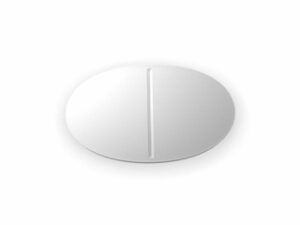
Valproic Acid (Valproate) — Patient Information
Valproic Acid is a medicine used to treat certain seizure disorders and to prevent episodes of mood instability in some people. It is available in different formulations (for example, delayed-release tablets, extended-release tablets, or liquid). This page explains how valproic acid works, how it’s used, what to expect, and the key safety information you should know as a person in the United Kingdom.
Important: Medicines containing valproate can cause serious harm in pregnancy. If you are a woman who could become pregnant, you must follow the pregnancy prevention programme requirements described by UK health authorities. Always discuss your personal situation with your healthcare professional.
Basic product information
| Item | Details |
|---|---|
| Active ingredient | Valproic Acid (also known as valproate/valproate semisodium in some products) |
| Common uses | Epilepsy (seizures) and prevention of mood episodes in bipolar disorder |
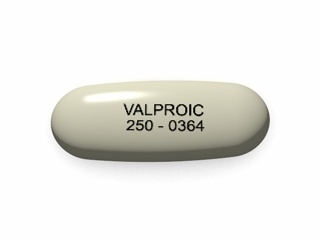
| Formulations | Delayed-release/extended-release tablets, granules, or syrup (availability varies by product) |
| How it’s taken | By mouth, typically in divided doses depending on the formulation |
| Brand examples | May vary; your pharmacy can confirm the exact brand and formulation |
| Availability in the UK | Widely available through community pharmacies (stock depends on brand/formulation) |
How valproic acid works (mechanism of action)
Valproic acid helps stabilise brain activity. The exact mechanism is complex, but it is thought to:
- Increase the availability of GABA, a natural brain messenger that reduces abnormal electrical activity.
- Modulate sodium and calcium channels, helping to reduce the spread of seizure activity.
- Influence neurotransmitter release and neuronal signalling, contributing to both seizure control and mood stabilisation in selected patients.
For many people, it takes time to find the correct dose. Seizures and mood symptoms may improve gradually over days to weeks, while blood levels are monitored in some situations.
Pharmacokinetics (how the body processes the medicine)
“Pharmacokinetics” describes how valproic acid is absorbed, distributed, metabolised, and eliminated.
- Absorption: Valproic acid is absorbed after swallowing. The speed and amount absorbed can vary by formulation (immediate vs delayed/extended release).
- Distribution: It widely distributes in the body and binds to proteins in the blood (protein binding can be reduced in some conditions).
- Metabolism: It is mainly metabolised by the liver. Breakdown products are then eliminated.
- Elimination: Most is excreted through the kidneys as metabolites, with some unchanged drug eliminated to a smaller extent.
- Half-life: The time for the body to eliminate half the dose varies between individuals and can be affected by other medicines, age, and liver function.
- Monitoring: Clinicians sometimes check valproate levels, especially when switching formulations, adjusting doses, during pregnancy, in children, or if side effects occur.
Typical uses in the UK
Valproic acid is used for the treatment and prevention of specific conditions, including:
- Epilepsy: Used for various seizure types, including generalised seizures and some focal/combined seizure patterns (depending on the specific clinical situation).
- Bipolar disorder: Prevention of manic episodes (and sometimes mood stabilisation in selected cases), when appropriate.
Your prescriber will decide the best option based on your diagnosis, age, medical history, and other medicines.
When to take it (timing and missed doses)
The timing depends on the formulation and the dose schedule recommended for you. Many regimens involve one to two doses daily, sometimes more for certain products.
General timing tips
- Take your medicine at the same times each day to keep blood levels steadier.
- If you’re on a delayed-release or extended-release formulation, it’s important not to crush or split tablets unless the specific product instructions allow it.
- Do not stop suddenly. Stopping suddenly can increase seizure risk.
What if you miss a dose?
- If you remember soon after missing a dose, take it unless your next dose is close.
- If it’s almost time for the next dose, skip the missed dose and continue as normal.
- Do not double up to make up for a missed dose.
If you miss multiple doses or are unsure what to do, contact a healthcare professional or your pharmacy for advice.
Food interactions and what to eat
Valproic acid can usually be taken with food, and food typically does not prevent absorption in a clinically significant way.
- If the medicine upsets your stomach, taking it with or after meals may help.
- For extended-release or delayed-release products, always follow the product-specific instructions closely.
- Avoid making major changes to your routine (such as switching timing consistently from morning to bedtime) unless advised.
Your healthcare professional may also advise you regarding diet if you have liver disease, pancreatitis risk, or other relevant issues.
Alcohol interactions and safety
Alcohol can increase the risk of side effects such as drowsiness, dizziness, and liver strain. It may also affect seizure control.
- It is generally recommended to limit or avoid alcohol unless your healthcare professional says it is safe for you.
- If you drink alcohol, do so cautiously and monitor how you feel (for example, sleepiness or imbalance).
- Seek urgent medical advice if you develop severe abdominal pain, persistent vomiting, unusual bruising, or signs of liver problems.
If you have a history of alcohol misuse or liver disease, discuss this with your clinician before continuing valproic acid.
Medicine interactions (important)
Valproic acid can interact with many other medicines. These interactions may change valproate levels, increase side effects, or reduce effectiveness. Always tell your healthcare team about all medicines you take, including over-the-counter products and herbal remedies.
Notable interaction examples
- Other anti-epileptic medicines: Some can increase or decrease valproate levels (and vice versa), requiring dose adjustments and monitoring.
- Carbapenem antibiotics (e.g., imipenem, meropenem, ertapenem): these can significantly reduce valproate levels and may lead to seizure breakthrough. Medical guidance is required if these antibiotics are considered.
- Warfarin and medicines affecting blood clotting: valproate can influence clotting risk in some people. Monitoring may be needed.
- Medicines affecting the liver: combining multiple liver-metabolised drugs may increase the risk of liver injury.
- Some antipsychotics and antidepressants: may increase side effects such as sedation or affect other risks.
- Aspirin (high dose) and other salicylates: can affect valproate protein binding and increase free drug levels in certain situations.
- Hormonal contraceptives: may have interactions indirectly; valproate is not usually expected to reduce contraceptive effectiveness, but pregnancy prevention is still essential.
This is not a complete list. Your pharmacist can check interactions for your specific regimen.
Dosing: what’s typical and how it’s adjusted
Dose should be individualised. The “right dose” depends on your age, seizure type, diagnosis, formulation, liver function, and response. Typical starting doses are often low and increased gradually.
General principles
- Start low, go slow: many people begin with a small dose and increase over time.
- Monitoring: blood tests (including liver function and sometimes valproate blood level) may be used to guide therapy.
- Formulation matters: delayed-release and extended-release products are not interchangeable on a mg-for-mg basis without clinician guidance.
- Children and adolescents: dosing is usually weight-based and requires specialist oversight.
Common dosing patterns (general information)
While exact doses vary widely, clinicians often consider:
- Epilepsy: gradual titration to achieve seizure control with the lowest effective dose.
- Bipolar disorder: dose selection aims for mood stabilisation while limiting adverse effects.
Because dosing varies and must be tailored to the individual, this page provides general guidance only. Your pharmacy label and accompanying instructions are the most reliable source for your specific dose schedule.
Safety profile and side effects
Like all medicines, valproic acid can cause side effects. Many are mild and improve as your body adjusts, while others require prompt medical attention.
Common side effects
- Feeling drowsy, dizzy, or less alert
- Nausea, vomiting, stomach discomfort
- Tremor
- Headache
- Weight gain
- Changes in appetite
Less common but important risks
- Liver problems: the risk is higher in young children, people with liver disease, and those taking multiple anti-epileptic medicines.
- Pancreatitis: can be serious. Report severe abdominal pain, especially with vomiting.
- Blood cell changes: such as low platelets (easy bruising/bleeding).
- Hyperammonaemia: raised ammonia can cause confusion, unusual sleepiness, or vomiting (seek advice promptly).
- Hair changes: some people report temporary hair thinning or changes in texture.
Seek urgent medical help if you notice
- Signs of liver injury: yellowing of the skin/eyes (jaundice), dark urine, severe fatigue, loss of appetite
- Severe abdominal pain (possible pancreatitis), especially with vomiting
- Unexplained bruising or bleeding, rash with fever, or persistent infections
- Sudden confusion, worsening drowsiness, or difficulty staying awake
- Seizures that become significantly worse or more frequent
Practical use tips for everyday life
- Use a daily routine: pick times you can reliably remember (for example, breakfast and evening routine).
- Keep track: consider a pill organiser or phone reminder. This helps avoid missed doses.
- Don’t stop suddenly: if you feel the medicine isn’t working or you feel unwell, contact a healthcare professional before changing your dose.
- Watch for drowsiness: until you know how valproate affects you, take care when driving, cycling, or using machinery.
- Follow formulation instructions: extended-release products should not be crushed or altered unless your product information specifically allows it.
- Stay hydrated and eat sensibly: it may help reduce stomach upset. If nausea happens, taking with food can help.
Valproate and pregnancy: UK legal and health context
Valproate is high risk in pregnancy. Exposure can cause serious birth defects and long-term developmental problems. For this reason, UK guidance requires strict measures to prevent pregnancy in people who can become pregnant.
- You should use effective contraception as advised by your healthcare team.
- You should have regular reviews of your treatment to confirm it remains the best option.
- If you plan a pregnancy, discuss well in advance so that your treatment can be reviewed and a safe plan made.
If you think you might be pregnant, or if pregnancy is possible, contact your healthcare professional promptly. Don’t stop your medicine without medical advice, because sudden stopping can be dangerous.
Recent UK guidance and safety messages (overview)
In the UK, valproate is managed with additional safeguards compared with many other anti-epileptic medicines. This includes:
- Stricter prescribing and review processes for people who are or may become pregnant.
- Clear counselling about risks and contraceptive requirements.
- Reassessment if alternative treatments could be suitable.
Your pharmacy can also provide advice on how to identify your formulation and help you keep track of your medicines for reviews.
Alternative options
If valproic acid isn’t suitable due to side effects, interactions, or specific safety concerns, there may be alternative medicines depending on your diagnosis.
For epilepsy
- Levetiracetam
- Lamotrigine
- Carbamazepine
- Oxcarbazepine
- Topiramate
For bipolar disorder
- Lithium
- Some atypical antipsychotics (as determined by your clinician)
- Other mood-stabilising approaches
Alternatives depend on your medical history, seizure type, other medicines, and overall risk profile. Don’t switch without clinician guidance.
Delivery and availability in the UK
Valproic acid products are commonly available through UK pharmacies. Availability can vary by formulation (for example, delayed-release versus extended-release) and brand.
- Stock status: many pharmacies can obtain products quickly if not immediately in stock.
- Delivery options: home delivery may be available depending on your local service area and the product you order.
- Packaging and labelling: products are supplied in original packaging with clear instructions.
If you need a specific formulation, check with your pharmacy if substitutions are permitted for your prescribed regimen. Your pharmacy team can advise on the closest matching option if supply issues occur.
Common questions (FAQ)
1) Is valproic acid the same as sodium valproate?
Many UK products are based on valproate salts. “Valproic acid” and “valproate” are closely related forms used clinically. They are not always interchangeable without dose adjustment, so always follow the exact product you have been given.
2) How long does it take to work?
Some people notice benefits within days, while seizure control or mood stabilisation may take longer—often weeks—especially during dose titration. It depends on your condition and formulation.
3) Can I take it with food?
Usually, yes. If you experience stomach upset, taking with or after meals may help. Keep consistent with your usual routine for best tolerance.
4) Can I drink alcohol while taking valproic acid?
Alcohol may increase drowsiness and dizziness and can stress the liver. It’s generally safest to avoid or strictly limit alcohol and discuss your situation with a healthcare professional.
5) What should I do if I feel very sleepy or dizzy?
Avoid driving or hazardous activities. Contact your healthcare professional or pharmacist, especially if the sleepiness is severe, worsening, or accompanied by confusion or vomiting.
6) Are there any special warnings for children?
Children require careful dosing and monitoring. The risk of certain serious side effects (including liver-related complications) is higher in some paediatric situations, particularly with combinations of medicines.
7) What monitoring might I need?
Clinicians may monitor liver function tests, blood counts, and sometimes valproate blood levels, particularly during dose changes, when symptoms appear, or in higher-risk groups.
8) Can valproic acid be stopped if I feel better?
Do not stop suddenly. Stopping can worsen seizures or destabilise mood. Any change should be planned with your healthcare team, with gradual adjustments if appropriate.
9) Does valproic acid affect contraception?
Valproate can be used alongside contraception, but pregnancy must be prevented due to the high risks to a developing baby. Your healthcare team will advise on the safest contraception plan for you.
10) If I miss a dose, should I take two next time?
No. If you miss a dose, take it only if you remember with enough time before the next dose. Otherwise, skip it and continue normally. Do not double up.
Summary
Valproic acid is an established medicine for specific seizure types and for preventing mood episodes in selected people with bipolar disorder. It works by affecting brain signalling that helps stabilise abnormal electrical activity. Because it can interact with other medicines and can cause serious side effects in some situations—particularly involving the liver, pancreas, and in pregnancy—safe use requires careful dosing, monitoring when needed, and attention to warning signs. If you have concerns or questions about your individual regimen, your pharmacist can help you understand your product, schedule, and interactions.