Exelon (Rivastigmine Tartrate) – Patient Information
Exelon is a medicine used to treat certain types of dementia. It contains rivastigmine tartrate, a medicine that works by increasing the level of natural brain chemicals involved in memory and thinking.
This page explains how Exelon works, how it is used in the UK, what to expect, key safety information, and practical tips to help you use the medicine confidently.
Quick facts
- Medicine: Exelon (rivastigmine tartrate)
- Common uses: Alzheimer’s dementia and dementia associated with Parkinson’s disease
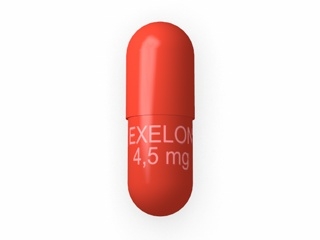
- How it’s taken: Capsules or Exelon patches (depending on your prescribed form)
- How it works: Helps improve or stabilise symptoms in some people by supporting brain acetylcholine activity
- Important: Dose is usually built up gradually to reduce side effects
Basic product information
| Category | Details |
|---|---|
| Active ingredient | Rivastigmine tartrate |
| Brand | Exelon |
| Medicine type | Cholinesterase inhibitor |
| Forms commonly available | Oral capsules and transdermal patches (strengths vary) |
| Use in the UK | For Alzheimer’s dementia and Parkinson’s disease dementia in appropriate patients |
What Exelon does (mechanism of action)
Rivastigmine is a cholinesterase inhibitor. In the brain, the chemical messenger acetylcholine helps with memory, attention, and learning. Acetylcholine is broken down by enzymes called acetylcholinesterase and butyrylcholinesterase.
Exelon inhibits these enzymes, which helps to increase the amount of acetylcholine in the brain. This may lead to improved symptoms or, in some people, slowing of decline over time.
Important: Exelon does not cure dementia. Its goal is to help manage symptoms and support day-to-day function.
When Exelon is typically used (indications)
In the UK, Exelon is used for:
- Alzheimer’s disease dementia (mild to moderate severity, depending on assessment)
- Dementia associated with Parkinson’s disease (mild to moderate severity, depending on assessment)
The specific suitability of Exelon depends on a clinician’s assessment of your symptoms, stage of dementia, and overall health.
How Exelon works in the body (pharmacokinetics)
Understanding timing can help you know what to expect. Pharmacokinetics describes how the body absorbs, distributes, breaks down, and removes a medicine.
Oral capsules (general overview)
- Absorption: Rivastigmine is absorbed from the gut after swallowing.
- Onset: Effects begin after absorption; symptom improvement is usually assessed over weeks to months.
- Metabolism: Rivastigmine is rapidly broken down, including into metabolites, mainly by pathways in the body that do not rely heavily on liver enzymes.
- Elimination: The medicine and its metabolites are removed mainly via the kidneys.
Transdermal patches (general overview)
- Absorption: The medicine passes through the skin at a controlled rate.
- Steady levels: Patches help maintain a more consistent level of medicine over time.
- Skin handling: Correct patch use is important to avoid under- or over-exposure.
Note: Individual response varies. Some side effects are more noticeable early on, which is why doses are usually increased gradually.
Dose and timing: what you should know
Follow your prescribed dosing schedule. Exelon is typically started at a low dose and increased gradually to improve tolerability.
Typical dosing approach (general guidance)
- Start low, go slow: This helps reduce common side effects such as nausea, vomiting, loss of appetite, and dizziness.
- Regular review: Your clinician will review benefits and side effects during dose changes.
- If treatment is interrupted: Restarting may require going back to a lower dose, depending on how long you stopped.
Timing with capsules
- Capsules are usually taken twice daily.
- Many people are advised to take doses with food (see “Food interactions” below), which can improve tolerability.
- Keep to consistent times each day.
Timing with patches
- Patches are typically applied once daily (replace according to the product schedule provided with your patch).
- Apply to clean, dry, hairless skin (avoid irritation areas).
- Rotate application sites (see practical tips).
Food interactions
Food may affect tolerability more than it affects how Exelon works in the body.
- Capsules: Taking with food can help reduce nausea, vomiting, and indigestion in many people. If you experience stomach upset, discuss whether to adjust timing with meals (within your clinician’s guidance).
- Overeating or large meals: Large meals may worsen gastrointestinal effects for some people. Smaller, balanced meals may help.
- Patches: Food does not directly interact with skin absorption.
General tip: Stay hydrated, especially if you are prone to nausea or poor appetite.
Alcohol interactions
There is no simple “never drink alcohol” rule for everyone taking Exelon, but alcohol can increase certain risks that matter for dementia patients, such as dizziness, falls, dehydration, and reduced eating.
- Possible concerns: Nausea, stomach irritation, sedation, and increased risk of falls.
- If you choose to drink: Keep amounts small, drink with food, and avoid binge drinking.
- Seek advice: If you have had fainting episodes, frequent vomiting, or significant dizziness, avoid alcohol and ask your healthcare professional.
Medicine interactions (common and important considerations)
Exelon can interact with medicines that affect the digestive system, heart rate, or other pathways in the body.
Medicines that may increase side effects
- Other medicines that increase cholinergic effects (may increase gastrointestinal symptoms or bradycardia risk).
- Medicines that slow the heart rate (e.g., some beta-blockers or other rate-limiting drugs) may increase risk of slow pulse or dizziness.
- Anticholinergic medicines (used for bladder overactivity or some allergies) may reduce Exelon’s effectiveness by opposing effects.
Medicines that may be affected by reduced appetite
- If Exelon reduces appetite, it can indirectly affect how you tolerate other medicines.
- Ensure you are eating enough and taking medicines as directed.
Always check before starting new products
Before starting any new medication, including over-the-counter products, herbal remedies, or supplements, ask a healthcare professional or pharmacist. Keep a list of your medicines and review it regularly.
Safety profile: what to watch for
Like all medicines, Exelon can cause side effects. Many are more common at the start or during dose increases and may improve as your body adjusts.
Common side effects
- Nausea
- Vomiting
- Diarrhoea or stomach upset
- Loss of appetite
- Dizziness
- Headache
- Weight loss (can occur if appetite decreases)
- Fatigue or weakness
Skin reactions (patches)
- Redness, irritation, or itching where the patch is applied
- These are usually mild and manageable by correct patch rotation and site care
Serious side effects: get urgent medical help
Seek urgent medical advice if you experience:
- Fainting or severe dizziness (possible slow heart rate)
- Severe persistent vomiting, signs of dehydration, or inability to keep fluids down
- Allergic reaction such as swelling of the face/lips, rash with breathing difficulty
- Chest pain, severe breathlessness, or a markedly irregular heartbeat
Practical use tips (helpful for day-to-day routines)
Starting and dose increases
- Expect adjustment: Side effects may be strongest after starting or increasing the dose.
- Start-of-treatment plan: Plan for toilet access and easier meals in the first couple of days after a dose change.
- Report concerns early: If you cannot tolerate a dose, contact your pharmacist/clinician promptly. Do not stop suddenly unless advised.
Tips for capsules
- Take doses at consistent times.
- Consider taking with food if you get nausea.
- Swallow whole with water (do not crush unless specifically instructed).
Tips for patches (if prescribed)
- Apply to clean, dry, intact skin—avoid irritated or broken areas.
- Rotate sites (for example, alternate between left and right upper arm or chest area as advised).
- Wash hands after applying and before touching eyes.
- If a patch becomes loose, replace it only as instructed by your product guidance.
- Do not cut patches.
Managing appetite and weight
- Offer smaller, frequent meals.
- Choose calorie-dense foods if appetite is reduced.
- Monitor weight if possible, especially during early months.
When to review your treatment
Exelon requires ongoing assessment of benefits and side effects. Your clinician may review progress such as:
- Memory and attention
- Daily functioning (e.g., ability to perform routine tasks)
- Behaviour changes (e.g., agitation)
- Tolerability (nausea, weight loss, dizziness, heart rate)
If side effects are troublesome or you notice worsening symptoms, seek advice rather than simply continuing indefinitely.
Alternatives to Exelon
There are other treatments used for dementia, depending on the type and stage of illness.
Other cholinesterase inhibitors
- Donepezil
- Galantamine
NMDA receptor antagonist
- Memantine (commonly used in moderate to severe Alzheimer’s disease, depending on clinical judgement)
Non-drug support
- Supportive therapies (carer education, routine planning, cognitive and behavioural strategies)
- Exercise programmes where safe
- Hearing/vision optimisation and treating contributing factors such as pain or infection
Your healthcare team can help determine which option is most suitable for your situation and whether combining medicines is appropriate.
UK market and legal context (what to expect when buying in the UK)
In the UK, medicines such as Exelon are regulated by UK medicines law and must be supplied through appropriate channels. Supply may vary based on formulation and strength, and availability can be influenced by manufacturing schedules and distribution.
Pharmacy availability: Stock can fluctuate for some strengths or patch sizes. If a specific strength is temporarily unavailable, pharmacies may be able to advise on ordering options or alternative strengths/forms where clinically appropriate.
Safety note: Only use products that are sourced through legitimate UK supply routes and are labelled correctly.
Recent guidance and ongoing monitoring (UK-focused)
For dementia medicines, UK practice generally emphasises:
- Careful patient selection before starting or increasing a dose
- Regular review of benefit versus side effects
- Monitoring for tolerability, including gastrointestinal effects, appetite/weight, and symptoms that may suggest a slow heart rate
- Informing carers so they can recognise early side effects and report them promptly
Guidance can evolve through updates from health authorities and clinical bodies. Your local NHS services or pharmacist can provide the latest practical advice for current UK care pathways.
Delivery and availability (online pharmacy information)
Online pharmacies in the UK typically offer ordering with secure packaging and discreet delivery. Delivery options and timeframes depend on your location and stock levels.
- Stock availability: Some strengths may be in higher demand; if out of stock, you may be offered alternatives or notified of expected restock dates.
- Delivery timing: Dispatch times vary by provider; tracked delivery is common.
- Storage: Keep medicines as directed on the package, usually at room temperature and away from moisture. Keep out of reach of children.
Cold chain: Exelon typically does not require freezing. Always check your specific product label for storage instructions.
FAQ
1) What is Exelon used for?
Exelon (rivastigmine tartrate) is used to treat dementia symptoms in people with Alzheimer’s disease and dementia associated with Parkinson’s disease, depending on severity and clinical assessment.
2) How long does it take to work?
Some people notice changes in functioning or symptoms over weeks, but benefits are usually assessed over several weeks to months. If no benefit is seen and side effects are significant, treatment may be reviewed.
3) Can Exelon be taken with food?
For capsules, taking with food often helps reduce nausea or stomach upset. Patches are not directly affected by meals.
4) What should I do if I miss a dose?
If you miss a capsule dose or patch change, follow the instructions from your product information or pharmacy advice. Avoid taking extra doses to “catch up” unless explicitly directed.
5) What side effects are most common?
The most common side effects include nausea, vomiting, diarrhoea, loss of appetite, and dizziness. These often occur early or after dose increases.
6) Will Exelon cause weight loss?
It can. Reduced appetite may lead to weight loss in some people. Monitoring weight and appetite is important, especially during early treatment and after dose changes.
7) Is it safe to drink alcohol while taking Exelon?
Small amounts may be tolerated by some people, but alcohol can worsen dizziness, dehydration, and eating problems. If you experience frequent nausea or faintness, it is best to avoid alcohol and seek advice.
8) Are there important interactions with other medicines?
Yes. Medicines that affect the heart rate, digestion, or have opposing effects to cholinesterase inhibitors may matter. Always tell your pharmacist about all medicines, including over-the-counter and herbal products.
9) Can I use Exelon patches if I have sensitive skin?
Some people get skin irritation from patches. Correct application and rotating sites can help. If skin reactions are severe or persistent, consult your pharmacist or clinician for advice.
10) Are there alternatives if Exelon doesn’t suit me?
Depending on diagnosis and stage, options may include other cholinesterase inhibitors (such as donepezil or galantamine) and, in some cases, memantine. Non-drug support also plays an important role.
11) Where can I get up-to-date UK information?
Your pharmacist and NHS dementia services can provide current UK guidance. Product leaflets included with your medication also contain the latest safety and usage instructions.
Important safety statement: If you are unsure about how to take Exelon, or if you experience significant side effects such as persistent vomiting, fainting, or signs of allergy, seek medical advice promptly. Always follow the guidance provided with your specific product and dose strength.