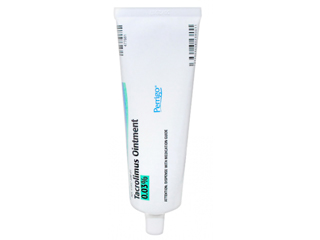
Tacrolimus
Medicine overview for patients in the United Kingdom
Tacrolimus is an immunosuppressant medicine used to help control overactivity of the immune system. Depending on the condition, it may be used as an oral treatment (capsules/prolonged-release capsules or granules), or applied to the skin in ointment form.
This page explains how tacrolimus works, how it is taken, likely side effects, and practical tips to help you use it safely. Always follow the advice provided with your specific product and any instructions from your healthcare team.
Basic product information
- Generic name: Tacrolimus
- Medicines may be available as: oral capsules/prolonged-release capsules or granules; skin ointment
- Therapeutic class: Calcineurin inhibitor (immunosuppressant)
- Common brands: Brand names vary by country and formulation (e.g., oral and topical preparations). Ask your pharmacist for the specific brand you have.
- Who it’s for: People needing immune suppression for transplant-related or inflammatory/dermatological conditions (depending on formulation).
Tacrolimus is a medicine where small changes in blood levels can matter. This is especially true for oral tacrolimus. Monitoring is often used to help ensure the dose is appropriate.
How tacrolimus works (mechanism of action)
Tacrolimus belongs to a group of medicines called calcineurin inhibitors. It works inside immune cells to reduce the activity of specific signalling pathways that normally activate immune responses.
In practice, tacrolimus helps to:
- Decrease activation of T-lymphocytes (a type of white blood cell)
- Reduce immune-mediated inflammation
- Help prevent the immune system from attacking a transplanted organ (oral use)
For topical tacrolimus (skin ointment), the medicine acts locally in the skin to help reduce immune-driven inflammation and symptoms of certain skin conditions.
Pharmacokinetics: absorption, distribution, and metabolism
Pharmacokinetics describes how your body absorbs, processes, and eliminates a medicine. For tacrolimus, these characteristics can vary between individuals.
Oral tacrolimus (capsules/prolonged-release)
- Absorption: Tacrolimus is absorbed through the gut. Absorption can be affected by food and other medicines.
- Metabolism: Primarily metabolised by liver enzymes (notably CYP3A4/3A5) and transported by proteins such as P-gp.
- Half-life: Varies; it can take many hours for levels to fall, and steady patterns are important.
- Blood levels: Blood monitoring is commonly used to check tacrolimus exposure in transplant and some other settings.
Topical tacrolimus ointment
- Systemic absorption: Generally much lower than oral tacrolimus, but it can still occur.
- Skin action: The medicine reduces immune-related inflammation in the affected area.
- Application site matters: Extent of skin area treated, skin condition, and use of occlusive dressings can influence absorption.
Because tacrolimus can be influenced by other medicines and certain foods, consistency in how you take it (timing and meals) can be important.
Typical use in the UK
Tacrolimus is used in the UK for two main categories of conditions:
- Transplant-related care (oral tacrolimus): Used to help prevent organ rejection and to manage immunosuppression regimens.
- Skin conditions (topical tacrolimus ointment): Used for certain inflammatory skin disorders, often when steroids are not suitable or for steroid-sparing strategies.
Your exact indication, target dose, and monitoring schedule depend on your clinical situation, kidney/liver function, and the formulation you use.
When to take tacrolimus (timing guidance)
Oral tacrolimus
Timing can vary depending on whether you have immediate-release or prolonged-release tacrolimus and what your healthcare plan is. In many cases:
- Take it at the same times each day.
- Use the prescribed schedule for morning and evening doses (or once-daily regimen for prolonged-release, depending on product).
- Do not change between immediate-release and prolonged-release preparations unless instructed.
Consistency is key. If you usually take it with food, keep the routine consistent, unless your clinician advised a change.
Topical tacrolimus ointment
- Apply a thin layer to the affected skin only.
- Follow the frequency and duration in your treatment plan.
- Wash your hands before and after applying.
Food interactions and what to avoid
Food can affect tacrolimus absorption, particularly for oral preparations. The effect may differ between formulations, so your plan should be consistent with your product.
Common practical guidance
- Avoid sudden changes in meal timing or meal composition.
- If you are told to take tacrolimus with or without food, follow that advice exactly.
- Be cautious with grapefruit/grapefruit juice, as it can interact with medicines metabolised by CYP enzymes.
If you notice your symptoms worsening or you have results from blood tests that change significantly, speak to your pharmacist or prescriber promptly. They can advise whether your routine or medicine interactions may be involved.
Alcohol and medicine interactions
Tacrolimus can interact with many medicines, potentially increasing or decreasing its blood level. These interactions can raise the risk of side effects or reduce effectiveness.
Alcohol
- General advice: Avoid heavy or binge drinking. If you drink alcohol, keep it modest and consistent.
- Reason: Alcohol can affect liver function and may change how your body handles medicines, especially if you are also taking other drugs that affect the liver.
Important medicine interactions (examples)
Please note: this is not an exhaustive list. Always check with a pharmacist or prescriber before starting, stopping, or changing medicines, including over-the-counter products and supplements.
| Type of interacting medicine | Why it matters with tacrolimus | What to do |
|---|---|---|
| Antifungal medicines (e.g., azoles) | May increase tacrolimus levels | Do not start without checking; may require monitoring and dose adjustment |
| Macrolide antibiotics (some types) | May increase tacrolimus levels | Seek advice if prescribed or if symptoms of toxicity occur |
| Rifampicin/rifamycins | May reduce tacrolimus levels | Monitoring is often needed to maintain effectiveness |
| Anticonvulsants (certain types) | May change tacrolimus metabolism | Discuss any new anticonvulsants with your healthcare team |
| HIV antivirals | Many can strongly affect CYP pathways | Check interactions carefully; blood level monitoring may be necessary |
| Herbal products (e.g., St John’s wort) | Can reduce tacrolimus levels | Avoid St John’s wort unless your clinician advises otherwise |
| NSAIDs (painkillers like ibuprofen in some situations) | May affect kidney function or increase risk of side effects | Use under guidance, especially if you have kidney concerns |
If you are unsure whether a medicine interacts with tacrolimus, ask a pharmacist. Bring a list of all your medicines (including supplements) to appointments.
Indications: what tacrolimus is used for
Oral tacrolimus
- Prevention of organ rejection in transplant recipients (used as part of an immunosuppressive regimen).
- Management of immunosuppression strategies in certain transplant settings, depending on the specialist protocol.
Topical tacrolimus ointment
- Atopic eczema (dermatitis) in appropriate patient groups where topical anti-inflammatory treatment is required.
- Other inflammatory skin conditions where tacrolimus ointment is indicated by local product licensing and clinician judgement.
Product licensing and approved indications can differ by formulation and age group. For accurate details, refer to the leaflet included with your specific tacrolimus product.
Dosing: how much tacrolimus to take or apply
Dosing depends on the condition, the formulation, and your individual response. Do not adjust your dose unless your healthcare team advises you to.
Oral tacrolimus dosing (general overview)
- Transplant care: Doses are individualised and may be adjusted according to blood tacrolimus levels and clinical status.
- Monitoring: Blood tests are often used to help maintain appropriate exposure and reduce risk.
- Adherence: Taking doses consistently helps maintain stable levels.
Your prescription instructions will specify the number of capsules/sachets and the timing. If you miss a dose, follow the specific advice provided with your medicine.
Topical tacrolimus dosing (skin)
- Apply a thin layer to the affected skin.
- Frequency is condition- and severity-dependent (commonly twice daily initially, then adjusted according to response, depending on product guidance).
- Use as directed for the duration recommended by your clinician.
Special populations
- Kidney or liver impairment: May influence tacrolimus handling; monitoring and caution may be needed.
- Children: Topical and oral use may have different age licensing and monitoring requirements.
- Elderly: Dosing and monitoring may be adjusted based on overall health and medicines used.
Safety profile: side effects and when to seek help
Common side effects (may vary by formulation)
- Oral tacrolimus: may cause headache, tremor, dizziness, gastrointestinal upset (nausea/diarrhoea), and changes in blood tests (e.g., kidney or electrolyte changes).
- Topical tacrolimus: may cause burning or stinging at the application site, redness, or irritation, especially at the start of treatment.
Serious risks to know
Because tacrolimus reduces immune activity, it may increase susceptibility to infections. It can also affect kidney function and may influence blood pressure and blood sugar in some people.
Seek urgent medical help if you experience:
- Signs of a severe infection (high fever, severe chills, or rapid worsening illness)
- Shortness of breath, swelling of the face/throat, or signs of a serious allergic reaction
- Severe weakness, confusion, or unusual neurological symptoms
- Severe reduction in urination, marked swelling, or sudden breathlessness (possible kidney-related or fluid balance issues)
Contact your healthcare team promptly if you notice:
- Persistent vomiting, severe diarrhoea, or dehydration
- New or worsening skin symptoms where topical tacrolimus is applied
- Unusual bruising, bleeding, or persistent unusual tiredness
- Changes in blood test results (if you receive them)
Long-term safety considerations
- Infection risk: Tell your healthcare team about fever or infection symptoms early.
- Skin cancer risk (topical): Discuss sun protection and follow-up with your clinician.
- Kidney and blood chemistry (oral): Regular blood monitoring is often used in transplant care.
Do not stop tacrolimus suddenly without medical advice, particularly in transplant settings, as this can increase rejection risk.
Practical use tips (patient-friendly)
Oral tacrolimus
- Keep a medication routine: Use reminders or a pill organiser (if appropriate for your product) to help you avoid missed doses.
- Consistency with meals: If your instructions are to take with food or without food, stick to that routine.
- Do not switch brands or formulations: Immediate-release vs prolonged-release products are not interchangeable without guidance.
- Attend blood test appointments: Monitoring helps your team balance effectiveness and safety.
- Stay hydrated: Dehydration can affect kidney function and may influence tacrolimus effects.
Topical tacrolimus ointment
- Apply only to affected skin: Use a thin layer; avoid eyes, lips, and inside the nose unless instructed.
- Wash hands: Prevent accidental contact with eyes.
- Sun protection: Tacrolimus may affect sensitivity to sunlight; consider using sunscreen and protective clothing.
- Moisturiser routine: You can usually apply moisturiser before or after, but ask your pharmacist about spacing and order if you use multiple topical products.
Missed dose guidance (general)
If you miss a dose, refer to the leaflet for your product or ask your pharmacist for advice. Avoid doubling up unless instructed. In transplant care, the consequences of missed doses can be serious, so prompt guidance is especially important.
Alternative options
Alternatives depend on the condition and whether you are using oral or topical tacrolimus. Your clinician may consider different immunosuppressants or non-tacrolimus skin therapies.
For oral use (immunosuppression in transplant)
- Other calcineurin inhibitors: e.g., ciclosporin (used in transplant settings in certain regimens).
- Other immunosuppressants: regimens can include combinations such as antimetabolites and corticosteroids, depending on your transplant protocol.
For skin conditions (topical inflammatory disorders)
- Topical corticosteroids (steroid-sparing may be preferred for some long-term plans)
- Topical anti-inflammatory alternatives used for eczema, as advised locally
- Emollients and skincare approaches to reduce flares and improve barrier function
Your pharmacist or clinician can explain which alternatives are suitable for your situation and how their risks and monitoring differ.
UK market and legal context (what to expect when buying)
Medicines in the UK are regulated by the Medicines and Healthcare products Regulatory Agency (MHRA) and comply with medicines legislation. Tacrolimus products must be supplied according to their regulatory status and the applicable prescribing and supply requirements.
Many tacrolimus preparations—particularly oral formulations used in transplant care—are intended for specialist-led management and may involve monitoring of blood levels. This means supply may be planned and coordinated with your clinical team to support continuity of therapy.
Important: If you are switching between formulations or strengths, confirm the product you receive matches your intended regimen. Your pharmacist can help prevent mix-ups.
Recent guidance and monitoring approach
In the UK, healthcare professionals typically emphasise:
- Therapeutic drug monitoring where appropriate for oral tacrolimus
- Careful management of drug–drug interactions (especially with antifungals, antibiotics, and other CYP3A-related medicines)
- Consistency with dosing schedules and food routines
- Patient education to help with adherence and early reporting of infection symptoms
Guidance can evolve as new evidence becomes available. For the most current advice, rely on your clinician, pharmacist, or the official medicine information provided with your product.
Delivery and availability
Tacrolimus availability can vary by formulation and strength. Your online pharmacy may need to check stock levels or arrange sourcing where required.
- Lead times: Most orders dispatch quickly when items are in stock; ordering may take longer for less common strengths or topical variants.
- Packaging: Medicines are supplied in original packaging with patient information leaflets.
- Storage: Follow storage instructions on the pack (commonly room temperature guidance for unopened products).
If you require repeat supply, keep track of your remaining stock so you can reorder in advance—especially important for oral tacrolimus regimens.
FAQ
1) Is tacrolimus a steroid?
No. Tacrolimus is not a corticosteroid. It is a calcineurin inhibitor that reduces immune activation. Topical tacrolimus ointment can be used as an alternative or supplement to steroid treatment depending on your plan.
2) Can I drink alcohol while using tacrolimus?
If you choose to drink, keep it modest and consistent. Avoid binge drinking and seek advice if you have liver disease, kidney issues, or you are taking interacting medicines. If you are unsure, ask your pharmacist.
3) Why do I need blood tests with oral tacrolimus?
Tacrolimus blood levels can vary between individuals and can be affected by other medicines, food, and illness. Blood monitoring helps your healthcare team adjust the dose to reduce rejection risk while limiting side effects.
4) What should I do if I miss a dose of tacrolimus?
Check the leaflet for your product or ask your pharmacist for guidance. In general, do not double up. If you are taking oral tacrolimus for a transplant, contacting your pharmacist promptly is advisable to maintain continuity.
5) Does tacrolimus interact with grapefruit?
Grapefruit can interact with medicines metabolised by liver enzymes and transporters, potentially increasing tacrolimus exposure. Many clinicians advise avoiding grapefruit and grapefruit juice unless specifically cleared for you.
6) Can I use topical tacrolimus on broken skin?
Tacrolimus may sting on application, and application on very inflamed or broken skin can be more uncomfortable. Follow your clinician’s instructions. If you have signs of infection in the area (e.g., spreading redness, pus, fever), seek medical advice.
7) What infections should I watch for?
With immunosuppressants, watch for fever, chills, persistent cough, painful urination, worsening skin lesions, or any rapidly worsening symptoms. Early contact with your healthcare team can be important.
8) Are vaccinations safe?
Vaccine advice can vary depending on your level of immunosuppression and the type of vaccine. Discuss vaccination plans with your healthcare team before receiving vaccines.
9) Can I stop tacrolimus if my symptoms improve?
Do not stop tacrolimus suddenly unless your prescriber advises it. Even if symptoms improve, the medicine may be controlling the underlying immune activity. Stopping oral tacrolimus in transplant patients can be dangerous.
10) What if I feel unwell after starting tacrolimus?
Mild effects can occur, but serious symptoms should not be ignored. Seek urgent advice if you have severe illness, signs of infection, allergic symptoms, or you feel significantly worse.
Key takeaways
- Tacrolimus is an immunosuppressant used for transplant care (oral) and certain inflammatory skin conditions (topical).
- Oral tacrolimus often requires blood monitoring due to variability and interaction potential.
- Be consistent with timing and (where advised) food routines; avoid grapefruit unless cleared for you.
- Because tacrolimus affects immune function, infections may occur more easily—report symptoms early.
- Check interactions with any new medicine, including over-the-counter products and herbal supplements.