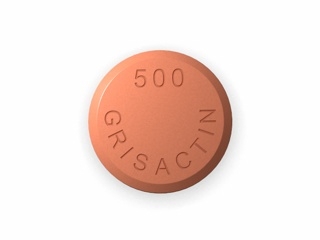
Grisactin (Griseofulvin) – Patient Guide (UK)
Grisactin contains griseofulvin, an antifungal medicine used to treat certain fungal infections of the skin, scalp, and nails. This guide explains how it works, how it’s taken, common interactions, practical tips, and what to expect while you’re using it.
Always read the patient information leaflet (PIL) that comes with your medicine. If anything in this page doesn’t match your product label or leaflet, follow the leaflet.
Basic product information
- Medicine name: Grisactin
- Active ingredient: Griseofulvin
- Type: Antifungal (for dermatophyte/fungal skin infections)
- Common conditions treated: tinea infections affecting skin/scalp and some nail infections (depending on product and severity)
- Availability: Supplied in different strengths/forms depending on brand and manufacturer
In the UK, Griseofulvin is used in clinical practice for specific fungal infections, particularly where dermatophytes are involved, and where alternative treatments may be unsuitable.
How Grisactin works (mechanism of action)
Griseofulvin targets the way fungal cells build their structure.
- It binds to fungal microtubules (structures involved in cell division).
- This interferes with fungal growth and reproduction.
- As skin and nail layers grow, the infected areas gradually replace themselves with healthy tissue.
Key point: Because nails and some skin structures grow slowly, improvement can take weeks, even when the infection is already being controlled.
Pharmacokinetics (what the body does to the medicine)
Understanding absorption and distribution can help explain why eating and timing matter.
- Absorption: Griseofulvin absorption can improve when taken with food, especially a meal containing fat. Products vary, so follow the leaflet for your specific formulation.
- Distribution: It tends to concentrate in keratin-containing tissues (skin, hair, nails). This is important for treating fungal infections in these areas.
- Metabolism: It is metabolised mainly in the liver (using drug-metabolising enzymes).
- Elimination: Metabolites are eliminated largely via the kidneys (in urine) and to a lesser extent via other routes.
- Long treatment effect: Even after doses are started, it may take time for enough medicine to reach affected tissues and for damaged tissue to be replaced.
Typical uses and indications
Grisactin is used for infections caused by dermatophyte fungi (the common fungi responsible for ringworm and related conditions). Typical indications include:
- Tinea corporis (ringworm of the body)
- Tinea capitis (fungal infection of the scalp)
- Tinea pedis (athlete’s foot, in selected cases)
- Tinea cruris (jock itch, in selected cases)
- Onychomycosis (fungal nail infection) when appropriate, particularly for certain patterns and when other treatments aren’t suitable
Not for all fungal infections: Griseofulvin is not generally the first choice for every type of fungal infection (for example, some yeasts and deeper fungal infections may require different medicines).
Before starting: practical checks
Discuss suitability with a clinician or pharmacist if you have any of the following:
- Liver problems or a history of abnormal liver tests
- Porphyria
- Allergies to griseofulvin or related medicines
- Unusual bleeding or bruising or significant blood disorders
- Pregnancy, breastfeeding, or trying to conceive (individual guidance is essential)
It may be advisable to arrange baseline monitoring in some cases, especially if treatment is prolonged (for example for scalp or nail infections).
Dose and timing: what to expect
Important: Dose depends on the type of infection, age, weight (in children), and the specific product strength. Always follow the instructions provided with your medicine.
General dosing principles
- Griseofulvin dosing is often weight-based in children.
- For many dermatophyte skin and scalp infections, treatment is taken for a number of weeks, not days.
- Nail infections require longer courses because nails grow slowly.
How to take Grisactin
- Take it at the same time(s) each day.
- Follow once-daily or split dosing instructions exactly as stated in your product information.
- If you miss a dose, take it when you remember unless it’s close to the next dose—then skip the missed dose and continue as normal. Do not double up.
Food and timing (including fat)
Food can significantly affect griseofulvin absorption. In many cases, taking it with meals improves absorption.
- Take with a meal (especially one that includes some fat), unless your leaflet advises otherwise.
- Try not to take doses entirely on an empty stomach.
Example timing (illustrative only): If you’re prescribed once daily, take it with breakfast or the evening meal. If twice daily, take one dose with breakfast and one with the evening meal.
Food interactions and lifestyle considerations
Because absorption may be enhanced by food, the most important “interaction” is consistency with eating.
- Take with food as directed.
- Very large changes in diet timing (for example, regularly taking doses fasting) may affect effectiveness.
- Stay hydrated and maintain good skin/nail hygiene to support healing.
Alcohol and medicine interactions
Alcohol
There is no single “universal” rule, but combining alcohol with medicines that are processed by the liver can increase the burden on the liver. If you drink alcohol:
- Keep alcohol minimal during treatment.
- Avoid heavy or binge drinking.
- If you notice nausea, abdominal pain, dark urine, or yellowing of the skin/eyes, seek medical advice promptly.
Practical advice: If you’re concerned about alcohol use, speak to a pharmacist for personal guidance.
Important medicine interactions
Griseofulvin can interact with other medicines because it may affect liver enzymes (enzymes involved in drug metabolism). This can change levels of some drugs and reduce or increase effects.
Always check your current medicines with a pharmacist, especially:
- Warfarin (and other vitamin K antagonists): may change clotting control.
- Oral contraceptives (including combined pills): enzyme interactions may reduce effectiveness, increasing pregnancy risk.
- Antiepileptics (e.g., phenytoin, carbamazepine, etc.): levels may be affected.
- Other liver-metabolised medicines: such as some antidepressants, antiretrovirals, and immunosuppressants (depending on regimen).
- Medicines that affect liver function: may increase risk of liver-related side effects.
Supplements and herbal products: Some herbal remedies can affect liver enzymes and drug levels. Tell your healthcare professional about everything you take, including supplements.
Tip: Keep a written list of your medicines and show it to a pharmacist when starting Grisactin.
How long does it take to work? (expected timing and results)
Fungal infections improve as healthy tissue grows in. Because skin and especially nails regenerate slowly, timing matters.
- Skin infections: You may notice improvement in 1–2 weeks, but full clearance may take longer depending on the infection and site.
- Scalp infections: Treatment often needs several weeks. Your clinician may assess response over time.
- Nail infections: It can take months to see clearly healthy new nail, because the infected nail must grow out.
Even if symptoms improve: continue the full course as directed to reduce the chance of relapse.
Safety profile: side effects and when to seek help
Like all medicines, Grisactin can cause side effects. Many people experience none or only mild effects, but some require urgent medical attention.
Common side effects
- Headache
- Nausea, stomach upset, or indigestion
- Diarrhoea or abdominal discomfort
- Dizziness or tiredness
- Skin rash (sometimes)
Serious side effects (seek prompt medical advice)
Stop and seek urgent advice if you develop:
- Signs of liver problems:
- yellowing of the skin or eyes (jaundice)
- dark urine
- severe or persistent abdominal pain
- unusual fatigue or persistent vomiting
- Severe allergic reactions (e.g., facial swelling, difficulty breathing)
- Severe skin reactions (blistering, peeling, or widespread rash)
- Unexplained bruising or bleeding
Monitoring
For prolonged treatment (particularly nail or scalp infections), clinicians sometimes consider liver function monitoring and reviewing any symptoms that could indicate liver stress.
Driving and operating machinery
If you feel dizzy, tired, or unwell, avoid driving or using machinery until you know how Grisactin affects you.
Practical use tips to improve outcomes
Fungal infections are treatable, but success depends on consistent medicine use and hygiene to prevent re-infection.
- Take doses with meals as directed to improve absorption.
- Don’t stop early when symptoms settle—finish the course.
- Keep the area clean and dry. Moisture can worsen fungal growth.
- Change towels and underwear regularly, especially for tinea corporis/cruris.
- For nails: trim nails and keep them dry (avoid aggressive filing if painful or bleeding).
- For scalp infections: follow any hair/scalp hygiene advice provided by your clinician.
- Check close contacts: if multiple household members are affected, everyone may need evaluation to stop spread.
- Don’t share combs, hats, towels, socks, or nail tools.
If there’s no improvement: If symptoms are not improving after the expected time, seek advice. The diagnosis could be incorrect (for example, eczema or psoriasis may mimic fungal infection), or resistance/incorrect organism may be involved.
Alternative options
Depending on your infection site and severity, alternatives may include other oral antifungals or topical treatments.
Topical antifungals
- Often used for mild or limited skin infections.
- Examples include topical azole or allylamine antifungals (availability and suitability vary by product and infection type).
Other oral antifungals
- In some cases, clinicians may use different oral medicines depending on the fungus, site, and patient factors.
- Choice depends on liver safety, drug interactions, the likely organism, and the duration of treatment needed.
Supportive measures
- Reducing sweating where possible, using breathable clothing, and managing skin conditions that weaken the skin barrier can help recovery.
Note: Your clinician or pharmacist will guide the best option for your specific situation.
Grisactin in the UK: market/legal context and recent guidance
Regulatory and prescribing context: Grisactin (griseofulvin) is an established antifungal medicine used in the UK for specific dermatophyte infections. Like all medicines, it is regulated by UK medicines authorities and supplied in line with current product information and safety updates.
Recent clinical approach: UK practice generally emphasises:
- Confirming the diagnosis (when appropriate), especially for scalp and nail infections.
- Choosing treatment based on the fungus type, infection location, and patient factors.
- Careful consideration of drug interactions and liver safety for oral antifungals.
- Minimising recurrence through hygiene measures and treating close contacts if needed.
If you’re using other long-term medicines: it’s particularly important to review interaction potential before starting.
Delivery, availability, and pharmacy supply (UK)
Availability can vary by strength and formulation. Online pharmacies in the UK may offer:
- Standard delivery options (timing depends on courier and location)
- Order tracking and confirmation updates
- Packaging designed to protect medicines during transit
What to check when ordering:
- Confirm you’re selecting the correct strength and form you were advised to use.
- Check expected delivery time at checkout.
- Keep the medicine in its original packaging until you start using it.
Storage: Follow the storage instructions on the product label and leaflet (commonly: keep at room temperature, protect from excessive heat, and keep out of reach of children).
Frequently Asked Questions (FAQ)
Is Grisactin used for ringworm?
Yes. Grisactin is commonly used for fungal infections caused by dermatophytes, including tinea (ringworm), particularly when the infection involves the scalp or widespread areas where topical treatment may be insufficient.
How quickly will I feel better?
Many people begin to notice improvement within 1–2 weeks for skin infections. However, full resolution can take longer. Nails and scalp often require longer treatment and follow-up because tissue grows slowly.
Can I stop once symptoms improve?
No—generally you should complete the full course. Stopping early increases the risk of relapse because the fungus may still be present in deeper layers or in keratin structures.
Should I take it with food?
In many cases, taking griseofulvin with meals improves absorption. Follow the instructions in your leaflet for your exact product.
What happens if I miss a dose?
Take it when you remember unless it’s nearly time for the next dose. Then skip the missed dose and continue. Do not double the dose.
Can I drink alcohol while taking Grisactin?
It’s best to keep alcohol minimal during treatment, because both alcohol and griseofulvin are processed by the body and may affect the liver. If you develop symptoms suggestive of liver issues, seek medical advice promptly.
Does Grisactin interact with other medicines?
Yes. Griseofulvin can interact with several medicines due to its effects on liver enzyme activity. This includes medicines such as warfarin and some hormonal contraceptives, as well as certain antiseizure medicines and other commonly used drugs. Always check your full medication list with a pharmacist.
Can children take Grisactin?
Griseofulvin may be used in children for appropriate fungal infections, but dosing is typically adjusted for weight and age, and the safety profile must be considered carefully. Follow the leaflet and clinician/pharmacist guidance.
What if my skin looks worse before it gets better?
Sometimes redness and itching can take time to settle even as the fungus is being treated. However, if the condition rapidly deteriorates, spreads significantly, or you develop fever or severe pain, seek medical advice to confirm the diagnosis and ensure appropriate management.
Are there any signs that mean I should get urgent help?
Yes. Get urgent medical advice for symptoms such as yellowing eyes/skin, severe rash, difficulty breathing, facial swelling, or severe persistent abdominal pain.
What if the infection keeps coming back?
Recurrence can occur if the fungus is not fully eradicated, if there is ongoing exposure from household items, or if reinfection happens. Ensure full adherence to the course and consider treating or checking close contacts and hygiene measures (towels, clothing, footwear, and nail tools).
Summary
Grisactin (griseofulvin) is an antifungal medicine used for certain dermatophyte infections affecting skin, scalp, and nails. It works by disrupting fungal cell division and is stored in keratin-rich tissues, which helps target infections in hair, skin, and nails. Because the medicine and outcomes can take time—especially for nails—consistent dosing, taking it with meals (as directed), and completing the full course are essential. Always review possible drug interactions and seek advice promptly if you develop symptoms that could indicate liver problems or a serious allergic reaction.