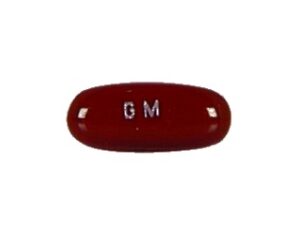


Famciclovir (Famciclovir tablets) — Patient-Friendly Guide (UK)
Famciclovir is an antiviral medicine used to treat infections caused by certain viruses in the herpes family. It is commonly used for conditions such as shingles (herpes zoster) and genital herpes. This page explains how famciclovir works, how it is usually taken, what to expect, and important safety information for people in the United Kingdom.
Always follow the instructions provided with your medicine. If you are unsure about suitability for you, speak to a healthcare professional or pharmacist.
1) Basic product information
- Medicine name: Famciclovir
- Common form: Tablets (strengths vary by product)
- Drug type: Antiviral (nucleoside analogue prodrug)
- Target viruses: Herpes viruses such as Varicella zoster (shingles) and Herpes simplex (cold sores/genital herpes)
- How it’s used: To treat episodes and, in some cases, to help prevent recurrences
In the UK, famciclovir is available under different branded and generic presentations depending on local supply. Your pharmacy will supply the specific brand/strength that matches your needs.
2) How famciclovir works (mechanism of action)
Famciclovir is a prodrug, meaning it becomes active after the body converts it. After you take famciclovir by mouth, it is converted mainly to penciclovir.
Penciclovir works by interfering with viral DNA replication:
- It is taken up and activated within infected cells.
- Once activated, it blocks the virus’s ability to copy its genetic material.
- This slows viral multiplication and helps the immune system clear the infection more effectively.
In shingles and genital herpes, earlier treatment is associated with improved outcomes, including a better chance of reducing symptom duration and complications.
3) Pharmacokinetics (how the body handles the medicine)
Pharmacokinetics describes how the medicine is absorbed, processed, and eliminated. While exact values can vary between individuals and products, the general behaviour of famciclovir is as follows:
- Absorption: Famciclovir is absorbed after oral dosing and converted to penciclovir.
- Conversion to active form: The main active metabolite is penciclovir.
- Distribution: Penciclovir distributes into tissues where viral activity occurs.
- Metabolism: Penciclovir is formed from the prodrug.
- Elimination: Clearance is largely through the kidneys (important for people with kidney problems).
- Dosing frequency: The recommended dosing schedule is designed to maintain effective antiviral levels.
If you have reduced kidney function, your clinician/pharmacist may adjust your dose or schedule. This is important to reduce the risk of side effects.
4) Typical uses in the UK
Famciclovir is used for infections caused by susceptible herpes viruses. Commonly, it may be prescribed for:
- Shingles (herpes zoster): Treats outbreaks of painful rash and helps reduce the duration of symptoms.
- Genital herpes (herpes simplex): Treatment of an acute episode.
- Recurrent genital herpes: In some circumstances, prevention of future outbreaks may be considered.
- Cold sores (herpes simplex): Depending on local guidance and your clinical situation, antivirals may be considered for certain episodes.
Your prescriber/clinician will determine the most appropriate use based on your symptoms, medical history, and the type of virus suspected.
5) Timing: when to start for best results
Timing is a key factor with antivirals for herpes infections. In general:
- Shingles: Starting treatment as soon as possible after the rash appears is typically recommended (often within 72 hours, though decisions may vary for later presentation).
- Genital herpes: Starting during the early phase of an outbreak (as soon as symptoms begin) is usually best.
- Recurrent episodes: Prompt treatment at the earliest signs (tingling, itching, burning, or pain) can help limit severity.
If you are unsure when your symptoms began or how soon to start, seek advice promptly.
6) Food interactions and taking famciclovir
Famciclovir can generally be taken with or without food. Food is not usually expected to significantly reduce effectiveness, but individual absorption can vary.
Practical tips:
- Choose a routine you can stick to (for example, taking with meals to help remember).
- Swallow tablets with water.
- If you miss a dose, take it when you remember unless it’s close to the next scheduled dose—then skip the missed dose and continue normally.
7) Alcohol and medicine interactions
Alcohol
Famciclovir is not typically known for a direct, dangerous interaction with alcohol. However, alcohol can worsen dehydration, sleep, and immune function, and may aggravate symptoms. If you choose to drink alcohol, keep it moderate and consider avoiding alcohol during acute illness or if you feel unwell.
Other medicines
Famciclovir can interact with certain medicines, mainly where kidney function is affected or where medicines influence renal elimination. Tell your pharmacist or clinician about all medicines you take, including:
- Medicines for kidney problems
- Probenecid (used for gout)
- Other antivirals or medications that affect the immune system
- Over-the-counter medicines and herbal products
If you have complex health conditions or take multiple medicines, it’s especially important to check interactions. Your pharmacist can quickly review your medicine list for potential issues.
8) Indications (what famciclovir is used to treat)
Indications means the specific conditions where famciclovir may be recommended. In the UK, this commonly includes:
- Herpes zoster (shingles): Treatment of acute shingles in eligible adults.
- Genital herpes (herpes simplex): Management of episodes and, in some cases, reduction of recurrence.
- Herpes simplex infections: Certain episodes may be treated depending on local protocols and your clinical profile.
Famciclovir does not treat bacterial infections and is not used for colds and flu (which are typically caused by viruses not in the herpes family, and antivirals like this are generally not suitable).
9) Dosing: typical schedules and how to follow them
Dosing depends on the condition being treated and your kidney function. The schedules below are common adult regimens used in practice; however, your prescriber’s instructions are the final guide.
Important: If your kidney function is reduced, your dose or interval may be adjusted.
| Condition | Typical adult dosing schedule (examples) | Notes on timing |
|---|---|---|
| Shingles (herpes zoster) | Often taken three times daily for a set number of days (varies by clinician and local guidance) | Start as soon as possible after rash appears |
| Genital herpes — acute episode | Often taken twice daily or three times daily depending on the episode and product guidance | Start at the earliest signs of an outbreak |
| Recurrent genital herpes — suppression or prevention | Lower-dose schedules may be used once or twice daily for longer periods | Used for people with frequent recurrences as agreed with a clinician |
Kidney impairment: If you have chronic kidney disease or have been told your kidneys do not work as well as expected, dose adjustment may be necessary. Ask your pharmacist if you are unsure what dose is suitable.
10) Safety profile: side effects and when to seek help
Most people tolerate famciclovir well, but like all medicines it can cause side effects. Side effects can vary by dose, kidney function, and individual health.
Common side effects
- Nausea or upset stomach
- Headache
- Diarrhoea
- Dizziness
Less common but important
- Allergic-type reactions (rash, swelling, itching)
- Breathing difficulties (seek urgent care if severe)
- Confusion or unusual neurological symptoms (more likely in severe kidney impairment)
Seek urgent medical advice if
- You develop signs of a serious allergic reaction (facial swelling, trouble breathing, widespread hives).
- Symptoms are severe, rapidly worsening, or you feel very unwell.
- You notice reduced urine output or other signs suggesting kidney problems (especially if you have known kidney disease).
Who should be extra cautious
- People with kidney impairment
- People who are elderly (may be more likely to have reduced kidney function)
- People who are pregnant or breastfeeding—discuss with a clinician before use
- People taking multiple medicines that may affect kidney function
11) Practical use tips (to get the best benefit)
- Start early: Begin treatment promptly when symptoms suggest shingles or an outbreak.
- Keep dosing regular: Take each dose at the recommended times to maintain antiviral activity.
- Complete the course: Even if you feel better, finish the prescribed schedule unless you’re advised otherwise.
- Hydrate: Drinking water helps support kidney function, particularly if you’re ill.
- Reduce transmission risk: For genital herpes and cold sores, practice safer sex and avoid contact during outbreaks.
- Manage symptoms: Consider supportive measures such as pain relief (where appropriate) for shingles pain, and keep the affected area clean and comfortable.
If you have shingles, avoid contact with people who are at higher risk (for example, pregnant people who have not had chickenpox and people with weakened immune systems) until the rash has fully crusted over.
12) Alternative treatment options
Depending on the diagnosis and your individual needs, alternatives may include other antiviral medicines or different approaches for symptom relief. Options commonly considered for herpes viruses include:
- Acyclovir: An antiviral sometimes used for shingles or herpes infections.
- Valaciclovir: Another antiviral often used for shingles and genital herpes.
- Topical treatments: For cold sores, some episodes may be managed with creams/gels, though oral antivirals are often preferred for faster systemic control in eligible cases.
- Supportive care: Pain relief and wound care (especially for shingles), plus advice to reduce spread.
The “best” alternative depends on your condition, severity, timing, kidney function, and how quickly you can start treatment. Your healthcare professional can guide you on the most suitable option.
13) UK market and legal context (overview)
In the United Kingdom, famciclovir is regulated by the Medicines and Healthcare products Regulatory Agency (MHRA). Like other prescription-only and regulated medicines (depending on current classification and product), availability in online pharmacies is typically handled through appropriate checks and compliance with UK regulations.
Online pharmacies serving the UK follow UK pharmacy standards and data protection requirements. To ensure safe supply, they typically require:
- Verification of the medicine type requested
- Appropriate patient information checks
- Clear instructions on how to use the product
- Advice on when to seek medical help
If you are purchasing online, ensure the website is reputable and offers transparent service information. If a site asks for health details, it’s usually to improve safety and ensure the medicine is appropriate.
14) Recent guidance (UK context)
Antiviral use for herpes infections is based on clinical guidance that emphasises:
- Prompt initiation for shingles and herpes outbreaks when antivirals are appropriate
- Clinical judgement for later presentation of shingles
- Adjustments for kidney function and consideration of risk factors
- Patient education about transmission prevention and symptom monitoring
Guidance may evolve over time and can vary by condition severity, age group, and local NHS pathways. If you want the most up-to-date advice for your situation, speak to a clinician or pharmacist.
15) Delivery and availability in the UK
Availability of famciclovir can vary by brand and strength. Online pharmacies generally aim to dispatch orders quickly once processed and validated.
Delivery expectations (typical):
- Dispatch time: often within 1–2 working days (varies by order and stock availability)
- Delivery services: standard and express options may be offered
- Packaging: medicines are usually packaged securely and discreetly
- Cold-chain: not typically required for tablets
If your order is time-sensitive (for example, shingles symptoms are progressing), choose services with faster dispatch and keep your contact details up to date for any pharmacy queries.
16) FAQ about famciclovir (UK)
How soon will famciclovir start working?
Many people begin to notice improvement within a few days, especially when treatment starts early. Shingles pain and blister formation may still take time to settle even with antiviral treatment.
Can I take famciclovir if I have kidney disease?
You may be able to, but the dose often needs adjustment. Tell your pharmacist or clinician about your kidney function and any kidney-related diagnoses.
Does famciclovir cure herpes viruses?
Famciclovir controls viral replication during an episode and can reduce duration/severity. Herpes viruses remain in the body and may reactivate later. For recurrent cases, prevention strategies may be discussed.
Is famciclovir used for shingles only?
No. It is also used for herpes simplex infections, including genital herpes, and may be used for other herpes-related conditions depending on your diagnosis and clinical situation.
What should I do if I miss a dose?
Take it as soon as you remember unless it is close to the next dose. Do not double up to make up for a missed dose. If you have frequent missed doses, speak to a pharmacist.
Can I take famciclovir with painkillers?
In many cases, people take antivirals alongside pain relief. The safest choice depends on your medical history (for example, stomach ulcers or kidney issues). Ask a pharmacist if you’re unsure which painkiller is suitable for you.
Can I drive or operate machinery?
Famciclovir is not commonly associated with major impairment, but dizziness or headache can occur in some people. If you feel unwell or dizzy, avoid driving until you feel normal again.
What precautions reduce the risk of passing it to others?
For genital herpes and cold sores, avoid sexual contact during outbreaks and use safer-sex measures as recommended. For shingles, avoid contact with people at higher risk—especially until lesions have fully crusted.
Are there any foods I should avoid?
There are no widely recognised food restrictions for famciclovir for most people. Taking with or without food is generally acceptable. However, if you notice stomach upset with a particular routine, consider taking it with food.
Can I drink alcohol while taking famciclovir?
There is no universal requirement to stop alcohol, but moderate intake is advisable. If you feel unwell or dehydrated, avoid alcohol and focus on fluids. Also check any other medicines you are taking to ensure they don’t interact with alcohol.
17) Summary
Famciclovir is an oral antiviral used in the UK to treat herpes-family infections such as shingles and genital herpes. It works by slowing viral replication in infected cells, and starting treatment early is often important for best outcomes. It can generally be taken with or without food, but dosing schedules may be adjusted for kidney function.
If you have questions about suitability, side effects, or interactions with your other medicines, speak to a pharmacist. If symptoms become severe or you suspect an allergic reaction, seek urgent medical advice.