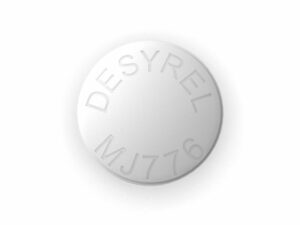


Fluoxetine (SSRIs) – Patient-Friendly Guide
Fluoxetine is a widely used antidepressant belonging to the medicine class known as selective serotonin reuptake inhibitors (SSRIs). It is commonly prescribed for depression and several other conditions, and it may also help with obsessive-compulsive symptoms and certain anxiety-related disorders. This guide explains what fluoxetine is, how it works, how the body handles it, what to expect when starting, and important safety considerations for adults in the United Kingdom.
Note: This page is for general information. Individual treatment plans vary, particularly for children, older adults, and people with other medical conditions.
Basic Product Information
- Active ingredient: Fluoxetine
- Medicine class: SSRI (selective serotonin reuptake inhibitor)
- Common forms: Oral capsules or tablets; liquid formulations may also be available
- Typical brand names: Examples include Prozac (brand availability can vary)
- How it works: Increases serotonin signalling in the brain
- Also used for: Depression, obsessive-compulsive disorder, and some anxiety-related conditions
How Fluoxetine Works (Mechanism of Action)
Fluoxetine helps improve mood and reduce certain distressing symptoms by affecting serotonin, a natural chemical messenger in the brain.
- Fluoxetine blocks the serotonin transporter, reducing the reuptake of serotonin back into nerve cells.
- This increases serotonin activity between brain cells, which is thought to improve communication networks involved in mood, anxiety, and obsessive-compulsive symptoms.
- Improvements may take time because brain signalling systems adapt gradually, even though the medicine begins acting immediately at the transporter level.
Unlike older antidepressants (some of which affect multiple chemical systems), fluoxetine primarily targets serotonin reuptake, which is why it is classified as an SSRI.
Pharmacokinetics: How the Body Handles Fluoxetine
Understanding pharmacokinetics can help you predict timing, side-effect patterns, and what happens if you miss a dose. Fluoxetine is known for having a long-lasting presence in the body.
| Topic | What to know |
|---|---|
| Absorption | Fluoxetine is absorbed after oral administration; levels rise gradually to a steady state with repeated dosing. |
| Metabolism | It is processed mainly in the liver by enzymes such as CYP2D6 and converted into an active metabolite: norfluoxetine. |
| Half-life | Fluoxetine and norfluoxetine remain in the body for an extended time. This long half-life can mean steadier effects and possibly fewer abrupt withdrawal symptoms compared with shorter-acting SSRIs. |
| Elimination | The medicine and its metabolites are eliminated through normal body clearance pathways, including renal (kidney) and other routes. |
| Steady state | With consistent daily use, blood concentrations gradually stabilise. Full therapeutic effect may still take weeks. |
Typical Uses and Indications in the UK
Fluoxetine is used for a range of mental health conditions. Exact indications can vary by age group and licensing details. In the United Kingdom, it is commonly used for:
- Depression (including major depressive episodes)
- Obsessive-compulsive disorder (OCD)—often at doses higher than those used for depression
- Bulimia nervosa (in some situations, fluoxetine may be considered to help reduce binge-eating and purging)
- Some anxiety-related conditions depending on age and clinical judgement
Treatment choice depends on your symptom pattern, previous response to antidepressants, medical history, and potential drug interactions. Always follow the plan recommended by your healthcare professional.
When to Expect Benefits (Timing)
Fluoxetine does not usually work instantly. Many people notice changes in the first couple of weeks, but the full effect can take longer.
- First days to 1–2 weeks: Some people experience early effects such as improved sleep, reduced agitation, or (in some) temporary side effects.
- 2–4 weeks: Mood and anxiety symptoms may begin to improve more clearly.
- 4–6+ weeks: For depression and OCD in particular, assessment of benefit often continues over several weeks.
If symptoms worsen early on—particularly feelings of restlessness, unusual agitation, or severe anxiety—seek medical advice promptly. Early behavioural changes should not be ignored.
Dosing: General Principles
Dosing varies depending on the condition, age, and individual response. The goal is to find the lowest effective dose that provides benefit while minimising side effects.
- Start low, go slow: Many people begin with a lower dose to improve tolerability, then it may be increased if needed.
- Typical dosing frequency: Usually once daily.
- OCD may require higher doses: Clinicians often use dosing strategies specific to OCD severity.
- Do not adjust abruptly: Changes should be guided by healthcare professionals.
Important: This page does not provide personal dosing instructions. If you are starting or changing fluoxetine, confirm the exact dose and schedule on your medicine label and follow your clinician’s advice.
Food Interactions and Eating Habits
Fluoxetine can generally be taken with or without food. Food is unlikely to significantly reduce its effectiveness. However, your personal experience matters—taking it with a meal may help some people reduce nausea or stomach upset.
- Nausea / stomach discomfort: If this occurs, taking fluoxetine with food may be helpful.
- Alcohol-related nausea: Alcohol can worsen side effects; consider avoiding or limiting alcohol (see below).
If you experience persistent stomach problems, weight changes, or appetite loss, talk to a healthcare professional.
Alcohol and Medicine Interactions
Alcohol
Fluoxetine can be used alongside many treatments, but combining SSRIs and alcohol may increase side effects such as:
- sleepiness or sedation
- reduced concentration and reaction time
- worsening mood or anxiety
- increased nausea or dizziness
While occasional small amounts may not be dangerous for every person, the safest approach is to avoid alcohol or keep it minimal and discuss your pattern of drinking with a healthcare professional.
Key Medicine Interactions
Fluoxetine has meaningful drug interaction potential because it affects liver enzymes and can change serotonin levels. Some combinations may raise the risk of serotonin syndrome or other adverse effects. Always check with a pharmacist or clinician before starting new medicines or supplements.
Common interaction categories to be aware of:
- Other serotonergic medicines (e.g., some migraine medicines, certain pain medicines, and other antidepressants) — may increase the risk of serotonin syndrome.
- Monoamine oxidase inhibitors (MAOIs) — the combination is generally avoided due to serious interaction risk.
- Linezolid and methylene blue — can increase serotonin-related risks.
- St John’s wort (herbal) — may increase serotonin effects.
- Other drugs affecting bleeding risk (e.g., some pain relievers such as NSAIDs, antiplatelets, or anticoagulants) — SSRIs may increase bleeding tendency in some people.
- CYP2D6-related medicines — fluoxetine can raise levels of drugs metabolised by CYP2D6, potentially increasing side effects.
If you take medicines for migraine, pain, heart rhythm issues, epilepsy, or attention-related conditions, speak with your pharmacist so they can check compatibility.
Safety Profile: What to Watch For
Fluoxetine is generally well tolerated by many people, but like all medicines it can cause side effects. Many side effects improve over time, particularly during the first 1–2 weeks.
Common side effects
- nausea
- headache
- sleep disturbance (insomnia or sometimes sleepiness)
- dry mouth
- increased sweating
- reduced appetite
- sexual dysfunction (e.g., reduced libido, delayed orgasm)
- feeling restless or “on edge” (sometimes early on)
Less common but important warnings
- Serotonin syndrome (rare): may present with symptoms such as agitation, confusion, fever, sweating, diarrhoea, tremor, and muscle stiffness. Seek urgent medical care if this occurs.
- Mania/hypomania: people with a history of bipolar disorder may develop elevated mood, irritability, and increased energy. Contact a clinician promptly if you notice signs of mania.
- Suicidal thoughts in early treatment: antidepressants can be associated with increased risk of suicidal thinking and behaviour in some young people early in treatment. Close monitoring is important.
- Bleeding risk: SSRIs may slightly increase bleeding tendency, especially with other medicines that affect clotting.
- Hyponatraemia (low sodium): more likely in older adults or people taking certain diuretics—symptoms may include headache, weakness, confusion, or unsteadiness.
When to seek urgent advice
Contact emergency services or seek urgent medical care if you experience:
- severe allergic reaction (swelling of face/lips, breathing difficulty)
- signs of serotonin syndrome (high fever, severe agitation, muscle stiffness, confusion)
- thoughts of self-harm that feel urgent or unsafe
- uncontrolled bleeding or vomiting blood / black stools
Practical Tips for Taking Fluoxetine
- Be consistent: take fluoxetine around the same time each day.
- Choose the best time for you: if it makes you drowsy, take in the evening; if it causes insomnia, take in the morning. (Your clinician may advise a specific timing based on your symptoms.)
- Don’t stop suddenly: changes to dosing should be gradual and guided by your healthcare professional. Fluoxetine’s long half-life can reduce abrupt withdrawal for some people, but it still can cause troublesome symptoms if stopped suddenly.
- Track effects: consider noting sleep, appetite, anxiety level, and mood so you can report changes at follow-up.
- Watch for early behavioural changes: increased agitation, restlessness, or worsening mood early on should be discussed promptly.
- Use a medication organiser: especially when daily routines fluctuate.
Missed Dose Guidance
If you miss a dose, take it when you remember unless it is close to the time of your next dose. Do not take a double dose to make up for the missed one.
Because fluoxetine has a long duration of action, missing one dose may be less likely to cause immediate problems than with shorter-acting medicines. However, consistency matters for best symptom control.
Alternatives to Fluoxetine
If fluoxetine is not suitable, not tolerated, or not effective, clinicians may consider other options. Alternatives may include:
Other SSRIs
- Sertraline
- Escitalopram
- Citalopram
- Paroxetine
Other antidepressant classes
- Serotonin-noradrenaline reuptake inhibitors (SNRIs) such as venlafaxine or duloxetine
- Other options depending on your symptoms and history (your clinician will tailor the choice)
Switching medicines may require careful timing to minimise interaction risks—particularly when changing between SSRIs or from an SSRI to another serotonergic medicine. Always follow healthcare advice for cross-tapering or washout periods.
UK Market and Legal Context (What to Expect)
In the United Kingdom, fluoxetine is regulated as a prescription-only medicine in most situations, with availability and labelling controlled by UK medicines regulation. Supply depends on the specific product strength, form, and licensing arrangements.
Online pharmacies must operate under the relevant UK regulations and verification requirements to ensure that medicines are supplied safely. Look for medicines supplied by regulated services and ensure any provided information (including patient details and instructions) is clear.
Important: Only take fluoxetine if it is prescribed or otherwise supplied through appropriate regulated channels for your situation.
Recent Guidance and Monitoring Considerations (UK)
Antidepressant prescribing and monitoring practices in the UK are supported by evidence-based mental health guidance. While exact updates change over time, common themes include:
- Regular follow-up: especially during the first weeks of starting or changing dose.
- Risk assessment: monitoring for increasing suicidal thoughts, particularly in younger people or those at higher risk.
- Side-effect review: checking sleep, agitation, appetite changes, and sexual side effects.
- Individualised dosing: using response and tolerability to guide dose adjustments.
- Careful switching: safe transitions between antidepressants when clinically required.
If you have a complex medical history, are on multiple medicines, or have a bipolar disorder history, monitoring is especially important.
Delivery and Availability
Availability varies by product type and strength, but fluoxetine is commonly stocked in the UK. Online pharmacies may offer:
- Standard delivery: typically within a few working days (service levels depend on the supplier).
- Next-day delivery: may be available for selected orders and locations.
- Packaging: medicines are supplied in tamper-evident outer packaging with labelling for safe use.
Delivery timelines can be affected by prescription processing steps, stock status, public holidays, and delivery region. If you need your medicine urgently, check the pharmacy’s service information before placing an order.
Questions You May Have (FAQ)
1) How long does fluoxetine take to work?
Some people notice changes within 1–2 weeks, but full benefits often take 4–6 weeks (sometimes longer), especially for depression and OCD.
2) What side effects are most common when starting?
Common early effects include nausea, headache, sleep changes, sweating, and feeling restless. These often improve with time, but persistent or severe symptoms should be discussed with a clinician.
3) Can I take fluoxetine with food?
Yes. Fluoxetine can usually be taken with or without food. Taking it with a meal may reduce stomach upset for some people.
4) Can I drink alcohol while taking fluoxetine?
It’s best to avoid or minimise alcohol. Alcohol may worsen mood and increase side effects such as drowsiness, dizziness, and nausea. Discuss your situation with a healthcare professional if you plan to drink.
5) Will fluoxetine cause withdrawal symptoms if I stop?
Fluoxetine has a long half-life, so some people experience fewer abrupt withdrawal effects than with shorter-acting SSRIs. However, stopping suddenly can still cause symptoms. Any changes should be gradual and guided by a healthcare professional.
6) Is fluoxetine safe for everyone?
Fluoxetine may not be suitable for everyone, depending on medical history, other medicines, and individual risk factors. People with bipolar disorder history, seizure disorders, bleeding risk, or certain medication combinations require careful assessment.
7) What medicines should I avoid with fluoxetine?
Avoid combinations that increase serotonin or bleeding risk without medical advice. Examples include MAOIs, certain migraine/pain medicines, linezolid, methylene blue, and herbal products like St John’s wort. Your pharmacist can check specific interactions with your list of medicines.
8) What if I forget a dose?
Take it when you remember unless it’s close to your next dose. Do not take a double dose. If you frequently forget doses, discuss solutions with your healthcare team.
9) Can fluoxetine affect sleep?
Yes. Some people find it causes insomnia, while others feel more sleepy. Adjust timing (morning vs evening) under clinical guidance if needed.
10) How do I know if it’s working?
Track changes in mood, anxiety, sleep, appetite, and daily functioning. Follow-up assessments over several weeks help determine whether to continue, adjust dose, or consider an alternative.
Summary: Key Points to Remember
- Fluoxetine is an SSRI antidepressant commonly used for depression and other conditions such as OCD.
- It works by increasing serotonin signalling and can take several weeks for full benefit.
- It has a long-lasting presence in the body due to active metabolites, which can influence timing and missed-dose effects.
- It can generally be taken with or without food.
- Be cautious with alcohol and avoid unsafe drug interactions; discuss your full medication list.
- Monitor side effects, especially early on, and seek help urgently for severe reactions or safety concerns.