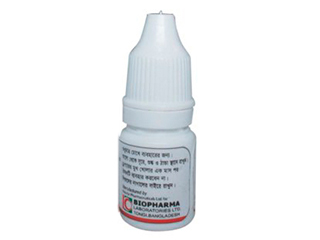
Ocuflox (Ofloxacin) Eye Drops — Patient Information (UK)
Ocuflox is an antibiotic medicine containing ofloxacin, used to treat certain bacterial infections of the eye. This guide explains how it works, when it’s used, how to use it safely, and what to consider with other medicines and lifestyle factors. It is written for patients and is suitable for use on an online pharmacy website in the United Kingdom.
If you are unsure whether Ocuflox is right for your condition, speak to a pharmacist or eye care professional. If symptoms worsen quickly, or you develop severe pain or vision changes, seek urgent medical advice.
Basic product information
| Item | Information |
|---|---|
| Medicine name | Ocuflox (ofloxacin) |
| Medicine type | Antibiotic (fluoroquinolone) |
| Formulation | Eye drops |
| How it is used | Applied to the affected eye(s) |
| Common uses | Bacterial infections affecting the eye (as advised by a clinician) |
| Country context | Available via UK healthcare pathways; online availability subject to local regulations |
What Ocuflox is used for
Ocuflox (ofloxacin) eye drops are used to treat eye infections caused by susceptible bacteria. Antibiotics work against bacteria, but they do not treat infections caused by viruses (such as many cases of viral conjunctivitis) or allergies.
Typical indications (examples)
- Infective conjunctivitis when a bacterial cause is suspected or confirmed
- Corneal infections (keratitis) where prescribed and appropriate
- Other bacterial eye infections as advised by an eye specialist or healthcare professional
Your clinician will choose the right treatment based on your symptoms, eye examination, and local guidance. If there is no improvement within the expected timeframe, treatment may need reassessment.
How it works (mechanism of action)
Ofloxacin belongs to the fluoroquinolone antibiotic group. It works by interfering with key bacterial enzymes needed for DNA replication:
- DNA gyrase inhibition
- Topoisomerase IV inhibition
These actions prevent bacteria from multiplying, helping the infection to clear. As with many antibiotics, effectiveness depends on the bacteria being susceptible and the medicine being used correctly and consistently.
Pharmacokinetics (how the body handles it)
When used as eye drops, ofloxacin is applied locally to the eye. The medicine can be absorbed through the ocular tissues and may reach measurable levels in the eye surface and surrounding tissues.
Key points
- Local action: The main target is infection on the eye surface and cornea.
- Absorption: Some ofloxacin may drain through the tear ducts and be absorbed systemically, particularly if used frequently.
- Elimination: Like other antibiotics, any systemically absorbed fraction is eliminated mainly via the kidneys.
The exact blood levels after eye use can vary between individuals depending on the severity of inflammation, the frequency of dosing, and whether you perform tear-duct occlusion (see “Practical use tips”).
Typical timing and how often to use
Dosing schedules can vary depending on the type and severity of infection, and on the specific instructions provided with your medicine. The sections below give common patterns seen in clinical practice, but always follow the dosing instructions given by your clinician.
Typical dosing examples (may vary)
- Common short-term regimen: A number of drops per day for several days, then adjusted based on response.
- More severe infections: Often require more frequent dosing initially, sometimes with a gradual reduction.
If you miss a dose, apply it as soon as you remember unless it is close to the next scheduled dose. Do not double the dose.
Food interactions
Because Ocuflox is an eye drop, food interactions are generally not expected to be clinically significant. The medicine acts locally in the eye, and only small amounts are likely to enter the bloodstream compared with tablet forms.
If you are taking other medicines by mouth, consider interactions with those medicines separately. For most patients, eating normally while using Ocuflox is fine.
Alcohol and medicine interactions
There are usually no direct, clinically important interactions between alcohol and ofloxacin eye drops. However, it’s sensible to consider the broader picture:
- Systemic absorption: While low, some absorption may occur with frequent dosing or severe inflammation.
- Other medicines: If you are taking medicines that can affect the nervous system or cause drowsiness, avoid alcohol or keep it minimal.
If you take regular medicines or have complex medical conditions, ask your pharmacist to review potential interactions.
Dosing instructions (patient-friendly)
Correct technique helps the drops reach the eye and reduces contamination risk. Follow these steps each time you use Ocuflox.
How to apply Ocuflox eye drops
- Wash your hands with soap and water.
- Shake gently if your product instructions say to do so (some eye drops require this; many do not).
- Prepare the bottle: Avoid touching the dropper tip to your eye, eyelids, fingers, or any surface.
- Open the eye: Tilt your head back slightly, or look up.
- Pull down the lower eyelid to form a small pocket.
- Instil the drops: Place the prescribed number of drops into the pocket. Avoid blinking immediately after instilling if you can.
- Close your eye gently and keep it closed for about 1 minute.
- Press the inner corner (tear-duct occlusion) for about 30–60 seconds (see tips below).
- Repeat for the other eye only if prescribed for both eyes.
Using with other eye medicines
If you use more than one type of eye product (e.g., lubricant drops/ointment, antihistamine drops, steroid eye drops), spacing helps reduce wash-out.
- Wait 5–10 minutes between different eye drops unless your clinician advises otherwise.
- Ointments are often applied last, because they can delay absorption of drops.
Mechanism-related notes: what to expect
Antibiotics typically begin to reduce symptoms within 1–2 days for some bacterial infections, but improvement may take longer depending on severity and the organism. Continue the full course as directed, even if you feel better.
If there is no improvement after 48–72 hours (or sooner if you feel significantly worse), seek advice. The infection may be resistant, non-bacterial, or require a different approach.
Safety profile and side effects
Most people tolerate ofloxacin eye drops well. However, any medicine can cause side effects. Below are potential effects and when to stop and seek help.
Common side effects
- Temporary stinging or burning in the eye
- Redness or mild irritation
- Tearing (watering)
- Dryness or grittiness feeling
- Blurred vision for a short time after instilling (usually clears)
Less common but important effects
- Allergic reaction (itching, swelling of eyelids, hives, worsening redness)
- Severe eye pain or sudden worsening symptoms
- Light sensitivity beyond what you’d expect from the infection
- Persistent or significant vision changes
- Signs of worsening infection (increasing discharge, swelling, or inability to open the eye)
When to seek urgent help
Stop using the drops and seek urgent medical advice if you experience:
- Severe pain that does not settle
- Marked decrease in vision
- Severe swelling of eyelids/face or breathing difficulties
- Suspected chemical or severe traumatic injury (requires immediate care)
Practical use tips for safer, more effective treatment
1) Use good hygiene to prevent reinfection
- Wash hands before and after use.
- Don’t share towels, eye makeup, or contact lenses.
- Replace eye makeup if it could have been contaminated.
2) Tear-duct occlusion to reduce drainage
After applying the drop, gently press the inner corner of your eye (near the nose) for 30–60 seconds. This can reduce drainage into the tear duct and may lower the amount absorbed systemically.
3) Contact lenses: generally avoid while infected
If you wear contact lenses, remove them during treatment unless you have been specifically advised otherwise by a clinician. Don’t wear lenses again until your eye has fully healed.
4) Don’t touch the dropper tip
Touching the tip can contaminate the bottle and increase the risk of further infection.
5) Store properly
- Keep the bottle closed tightly.
- Store at the temperature stated on the pack.
- Check expiry dates and discard if the product is out of date or contaminated.
6) Avoid driving if your vision blurs temporarily
Some people experience transient blurred vision after using eye drops. If this happens, wait until your vision is clear before driving or operating machinery.
Alternative options (when antibiotics may not be suitable)
Alternatives depend on the cause of eye symptoms. Since Ocuflox treats bacterial infections, other treatments may be more appropriate for different causes:
Non-bacterial causes
- Viral conjunctivitis: supportive care is often used (e.g., lubricating drops, hygiene measures). Antibiotics don’t usually help.
- Allergic conjunctivitis: antihistamine/mast cell stabiliser eye drops may be considered.
Different antibiotic choices
In bacterial infections, clinicians may choose other antibiotics depending on the infection site, likely organisms, resistance patterns, and patient factors. Examples (not exhaustive) may include:
- Other fluoroquinolone eye drops
- Other antibiotic classes used for ocular infections
Your eye care professional can advise on the best option for your situation.
Recent UK guidance and antimicrobial stewardship (important)
In the UK, antibiotic use is guided by principles of antimicrobial stewardship—meaning antibiotics should be used only when there is a clear need, the suspected cause is likely bacterial, and the correct duration is used to limit resistance.
For eye infections, this approach helps ensure antibiotics like ofloxacin are reserved for situations where benefits outweigh risks. If symptoms appear mild, viral, or allergic, supportive care or targeted therapies may be recommended rather than immediate antibiotic drops.
If your symptoms do not improve as expected, clinicians may reassess the diagnosis, consider cultures in certain circumstances, and/or change therapy.
Market and legal context for the United Kingdom
Medicines containing ofloxacin are regulated in the UK and are typically supplied through authorised channels. Availability online may depend on the product’s classification, stock status, and the pharmacy’s compliance requirements.
- Online pharmacies in the UK must follow legal and regulatory requirements for sale and supply.
- Only purchase eye medicines from reputable suppliers with proper product sourcing.
- Check packaging and leaflets for the correct concentration and expiry date before use.
If you have any doubts about authenticity or product details, ask the pharmacy team before instilling the drops.
Delivery and availability (online pharmacy)
Ocuflox eye drops may be available online from UK pharmacies depending on current supply. Delivery options can vary by supplier and location within the UK.
What you can expect
- Packaging: Medicines are usually shipped in protective, tamper-evident packaging.
- Dispatch: Orders are typically processed during business hours.
- Tracking: Some services provide tracking and delivery updates.
- Storage instructions: Keep the drops according to the pack guidance.
If you need the medicine urgently for an eye infection, consider contacting customer support to confirm estimated delivery times.
FAQ about Ocuflox (ofloxacin) eye drops
1) How long does it take for Ocuflox to work?
Many people notice improvement within 1–2 days, but it can take longer depending on the infection. If there is no improvement after 48–72 hours, or symptoms worsen, seek advice.
2) Can I wear contact lenses while using Ocuflox?
It’s generally recommended to avoid contact lenses during infection and while you are being treated, unless your clinician says otherwise. Use of lenses can worsen irritation and may interfere with healing.
3) What should I do if I miss a dose?
Instil the missed dose as soon as you remember. If it’s nearly time for the next dose, skip the missed dose and continue your normal schedule. Don’t use extra drops to make up for a missed dose.
4) Is Ocuflox safe for children?
Use in children should follow specific dosing advice based on age and condition. Ask a pharmacist or clinician for dosing instructions suitable for your child.
5) Can I use Ocuflox if I’m pregnant or breastfeeding?
Tell your clinician if you are pregnant, trying to conceive, or breastfeeding. Eye drops have limited systemic absorption compared with oral antibiotics, but it’s still important to get individual advice.
6) Will it affect my other medicines?
Eye drop antibiotics usually have fewer interactions than oral medicines, but interactions can still be relevant depending on your overall treatment. Check with your pharmacist if you take multiple medicines, particularly other eye drops.
7) Can I drink alcohol while using Ocuflox?
Alcohol is not typically known to have a direct interaction with ofloxacin eye drops. If you feel unwell or your treatment is alongside other medicines, keep alcohol moderate and seek advice if you have concerns.
8) What if I get burning after instilling the drops?
Mild stinging or burning can be common and temporary. If the discomfort is severe, persistent, or accompanied by swelling, stop using the drops and seek advice.
9) Should I stop Ocuflox when symptoms improve?
Avoid stopping early unless a clinician tells you to. Completing the course helps reduce the risk of incomplete treatment and recurrence.
10) What should I avoid while using Ocuflox?
Avoid:
- Touching the dropper tip to avoid contamination
- Wearing contact lenses during infection (unless advised)
- Using the bottle beyond expiry or if contaminated
- Driving if your vision becomes temporarily blurred
Summary
Ocuflox (ofloxacin) eye drops are an antibiotic used to treat certain bacterial eye infections. It works by stopping bacterial DNA replication, helping the infection clear. When used correctly—at the right times, with good hygiene, and with appropriate spacing from other eye medicines—it can be an effective treatment option.
If you have severe pain, worsening symptoms, allergic signs, or vision changes, seek urgent medical advice. For best results, follow dosing instructions carefully and contact a pharmacist or clinician if you’re unsure.