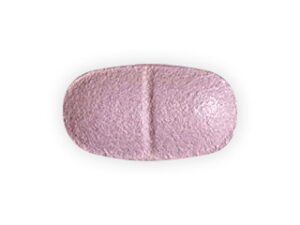
Anaprox (Naproxen) – Patient Information Guide (UK)
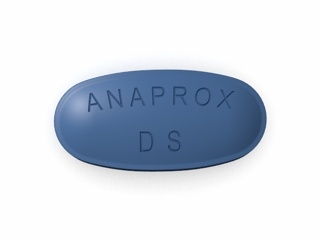
Anaprox contains the active ingredient naproxen, a non-steroidal anti-inflammatory drug (NSAID). It is used to relieve pain and inflammation associated with a range of musculoskeletal conditions. This guide is written to help you understand how Anaprox works, how to take it safely, what to expect, and when to seek medical advice.
Note: Always read the package leaflet supplied with your specific product and follow the directions given by your healthcare professional. If you are unsure about anything, speak to a pharmacist.
Quick facts
- Active ingredient: Naproxen (NSAID)
- What it helps with: Pain, inflammation, and stiffness (e.g., arthritis, tendon pain, period pain)
- Common side effects: Indigestion, stomach pain, nausea, heartburn
- Main safety concerns: Stomach irritation/ulcers, kidney problems, increased cardiovascular risk in some people
- Best practice: Take with food and at the lowest effective dose for the shortest duration
What is Anaprox?
Anaprox is a brand of naproxen used for the relief of pain and inflammation. Naproxen belongs to the group of medicines called NSAIDs. NSAIDs work by reducing the production of certain natural substances in the body that contribute to pain and inflammation.
In the UK, naproxen products may be supplied in different strengths and formulations depending on the product and retailer. Your pack will clearly state the dose, strength, and instructions for use.
How Anaprox works (mechanism of action)
Naproxen works mainly by blocking cyclo-oxygenase (COX) enzymes, which help your body produce chemicals called prostaglandins. Prostaglandins contribute to:
- Pain by sensitising nerves
- Inflammation by promoting swelling and inflammatory responses
- Fever (less commonly a focus for Anaprox)
By reducing prostaglandins, naproxen can reduce pain, stiffness, and inflammation—particularly in conditions affecting joints and soft tissues.
Pharmacokinetics: how the body handles naproxen
Understanding how naproxen behaves in the body may help you appreciate the timing of effects and the need for consistent dosing. While individual responses vary, the general pharmacokinetic behaviour is:
- Absorption: Naproxen is absorbed from the gastrointestinal tract. Taking it with food may slow absorption slightly, but can reduce stomach upset.
- Onset of effect: Many people notice pain relief within a few hours, with clearer benefits as inflammation settles.
- Distribution: Naproxen distributes into tissues including sites of inflammation.
- Metabolism: It is processed mainly in the liver.
- Elimination: It is removed from the body through metabolism and excretion, including via the kidneys.
Naproxen is often chosen because it can provide sustained symptom relief over the dosing interval, depending on the formulation and prescribed schedule.
What is Anaprox used for? (indications)
Anaprox is used to relieve pain and inflammation in conditions such as:
- Rheumatoid arthritis and other inflammatory joint conditions
- Osteoarthritis (joint pain and stiffness)
- Inflammatory disorders affecting joints, tendons, or surrounding tissues
- Back pain and musculoskeletal pain (where appropriate)
- Period (menstrual) pain in some circumstances
- Soft tissue injuries where inflammation and pain are present (e.g., tendonitis)
Your exact suitability depends on your medical history, current medications, and the nature of your symptoms.
Typical dosing and timing
The exact dose depends on your age, the condition being treated, and the strength of your Anaprox product. Your pack will provide the recommended dosing schedule. Do not exceed the stated maximum dose.
General guidance (always follow your pack)
- Take with food: This may help reduce indigestion and stomach irritation.
- Space doses evenly: If your regimen is split (e.g., morning/evening), aim to keep timing consistent.
- Lowest effective dose: Use the smallest dose that controls symptoms.
- Shortest duration: Use for the minimum time needed.
Example timing
If you are taking naproxen more than once a day, a common approach is to take doses at regular intervals, often morning and evening. For formulations that allow less frequent dosing, follow the pack instructions.
If you miss a dose, take it when you remember unless it is close to the next scheduled dose. Do not take a double dose.
Taking Anaprox with food and drink
Food interactions: Taking naproxen with food can help protect your stomach and improve tolerability. However, food does not “neutralise” the overall stomach risk associated with NSAIDs—it mainly helps reduce irritation.
- Best practice: Take with a meal or with milk/food if your pack advises this.
- Avoid taking on an empty stomach: This may increase the likelihood of indigestion, nausea, or stomach pain.
- Hydration: Drink water regularly, especially if you are prone to dehydration.
Alcohol and medicine interactions
Combining naproxen with alcohol can increase the risk of stomach irritation and bleeding. Alcohol also may worsen side effects like dizziness or upset stomach.
- Recommendation: Limit alcohol while taking Anaprox, and avoid heavy drinking.
- Seek advice: If you drink regularly or have a history of stomach ulcer or bleeding, talk to a pharmacist before using naproxen.
Medicines interactions: NSAIDs can interact with other medicines, sometimes increasing side effects or reducing effectiveness. Tell your pharmacist about all medicines you take, including non-prescription products.
Common interaction categories
- Other NSAIDs: Avoid taking naproxen with ibuprofen, diclofenac, or additional NSAIDs unless advised.
- Blood thinners (anticoagulants): Warfarin and similar medicines can increase bleeding risk.
- Antiplatelets: Aspirin or clopidogrel may increase bleeding risk.
- Corticosteroids: Increased risk of stomach ulcer/bleeding.
- SSRIs/SNRIs (antidepressants): May increase bleeding risk when combined with NSAIDs.
- Diuretics and blood pressure medicines: NSAIDs may affect kidney function and reduce antihypertensive effect in some people.
- Lithium: NSAIDs may raise lithium levels.
- Methotrexate: NSAIDs may increase methotrexate toxicity.
- Some medicines for heart failure: Interactions may occur; discuss with a pharmacist.
- Kidney-impacting medicines: Combining with other medicines that affect kidney function can increase risk.
If you are taking multiple medicines, a pharmacist can help you check for interactions before you start Anaprox.
Safety profile and who should take extra care
Like all NSAIDs, naproxen can cause side effects. Many are mild, but serious reactions can occur. You should take extra care (or seek advice) if you have any of the following:
- History of stomach ulcers or bleeding
- Older age (higher risk of NSAID side effects)
- Heart disease, stroke history, or high cardiovascular risk
- Kidney disease or reduced kidney function
- Liver disease
- Asthma (especially if you previously reacted to NSAIDs)
- Uncontrolled high blood pressure
- Dehydration (e.g., vomiting/diarrhoea)
Common side effects
- Indigestion, heartburn
- Nausea
- Stomach pain or discomfort
- Headache or dizziness
- Swelling of ankles/feet (less common)
Serious warning signs (get urgent medical help)
Contact urgent medical services or seek prompt medical advice if you experience any of the following:
- Signs of stomach bleeding: vomiting blood, black/tarry stools, or blood in stools
- Severe allergic reaction: swelling of face/lips, breathing difficulties, wheezing, or rash
- Severe skin reactions: blistering, peeling, or widespread rash
- Chest pain, sudden breathlessness, or weakness on one side (possible cardiovascular or clot-related event)
- Reduced urination or sudden swelling (possible kidney problem)
- Yellowing of skin/eyes (possible liver issue)
Pregnancy and breastfeeding considerations
NSAIDs are generally not recommended in later pregnancy (especially after 20 weeks) and may have risks for the unborn baby. If you are pregnant, planning pregnancy, or breastfeeding, ask a pharmacist or healthcare professional before using naproxen.
Practical use tips for better safety and comfort
- Start low and stay short: Use the lowest effective dose for the shortest period.
- Take with food: Reduces stomach upset for many people.
- Avoid doubling up: Do not combine with other NSAIDs.
- Check your other products: Many cold/flu remedies and headache medicines contain NSAIDs—read labels carefully.
- Watch for dehydration: If you’re unwell with vomiting/diarrhoea, consider avoiding NSAIDs unless advised.
- Monitor side effects: If indigestion occurs, stop and seek advice—do not simply continue increasing the dose.
- Consider a stomach-protecting approach if advised: Some people may need additional protection, depending on risk.
Alternative options to consider
Depending on your symptoms and medical history, your pharmacist may suggest alternatives. Options commonly considered in the UK include:
- Paracetamol (acetaminophen): Helps pain relief and is gentler on the stomach, but it does not reduce inflammation in the same way as NSAIDs.
- Other NSAIDs: Some people respond better to different NSAIDs (e.g., ibuprofen). However, the stomach/kidney/cardiovascular risks are similar across NSAIDs.
- Topical anti-inflammatories: Gels/creams (e.g., topical diclofenac) can be helpful for localised joint or soft tissue pain and may have fewer whole-body side effects.
- Non-drug measures: Heat/cold therapy, gentle stretching, activity modification, and physiotherapy can be effective alongside pain relief.
- Condition-specific approaches: In some inflammatory diseases, other medicines may be used to target the underlying condition (this is decided by a healthcare professional).
If you need ongoing pain relief, it’s important to discuss long-term strategies rather than relying on NSAIDs continuously.
Market and legal context in the UK
In the UK, the availability of medicines such as naproxen can depend on formulation and strength, along with safety classification and regulatory requirements. Some NSAID products are available from pharmacies (or under specific conditions), while others may be restricted.
Online pharmacies in the UK must operate in line with medicines regulations and professional standards, including appropriate checks on suitability and patient safety. Always provide accurate information during ordering, including allergies, medical history, and current medicines.
Current practice in the UK emphasises careful NSAID use due to known risks, especially in people with gastrointestinal, kidney, or cardiovascular risk factors.
Recent guidance and safety messages (UK context)
UK safety messages and clinical guidance generally reinforce the following points for NSAIDs like naproxen:
- Use the lowest effective dose for the shortest time necessary.
- Avoid combining NSAIDs unless a clinician instructs it.
- Do not drink excessive alcohol while taking NSAIDs to reduce the risk of gastrointestinal bleeding.
- Seek advice if you have risk factors (ulcer/bleeding history, kidney issues, cardiovascular disease, or asthma triggered by NSAIDs).
Guidance may also encourage reviewing medication lists, because NSAIDs can interact with common drugs used for blood pressure, mood, heart health, and blood thinning.
Delivery and availability
Availability of Anaprox (naproxen) products may vary by retailer and the specific strength/formulation. Many online pharmacies offer delivery across the UK, with estimated delivery times displayed at checkout.
- Stock updates: Stock can change, so current availability will be shown on the product page.
- Packaging: Medicines are supplied in manufacturer packaging with patient information and expiry details.
- Delivery: Courier delivery times depend on your location and order processing time.
If you have urgent symptoms or are unsure whether an NSAID is appropriate, consider speaking to a pharmacist or seeking medical advice rather than waiting for delivery.
Dosing overview (at a glance)
| Topic | Patient-friendly guidance |
|---|---|
| How to take | Swallow tablets whole with water. Take with food to reduce stomach upset. |
| Timing | Use a regular schedule if taking more than once daily. Follow your pack’s instructions. |
| Missed dose | Take when remembered unless close to next dose. Do not take a double dose. |
| Maximum dose | Do not exceed the maximum daily dose stated on your pack. |
| Duration | Use the shortest time needed to control symptoms. If pain persists, seek advice. |
| Stop and seek advice | If you develop stomach bleeding signs, severe rash, breathing issues, or worsening side effects. |
Frequently Asked Questions (FAQ)
1) How quickly does Anaprox (naproxen) work?
Many people feel some pain relief within a few hours. In inflammatory conditions, improvements may be more noticeable over the first day or two as inflammation settles. Individual responses vary depending on the condition and formulation.
2) Should I take Anaprox on an empty stomach?
It’s usually better to take naproxen with food to reduce the chance of indigestion, nausea, or stomach irritation. If your pack advises otherwise for your specific product, follow that guidance.
3) Can I take Anaprox with other painkillers?
Avoid combining naproxen with other NSAIDs (such as ibuprofen or diclofenac) unless a healthcare professional advises it. Paracetamol is sometimes used alongside NSAIDs for pain, but check your pack and ask a pharmacist if you’re unsure.
4) Are there foods I should avoid?
There are no specific “forbidden” foods, but taking with meals is often recommended. Avoid excessive alcohol, which can increase stomach bleeding risk. If a certain food triggers your indigestion, consider adjusting your meal routine.
5) What should I do if I get heartburn or stomach pain?
Stop and seek advice promptly if symptoms are persistent or severe. If you have risk factors such as a previous ulcer, it is especially important to contact a pharmacist or healthcare professional before continuing.
6) Can I drink alcohol while taking Anaprox?
It’s best to limit alcohol. Combining NSAIDs with alcohol can increase gastrointestinal irritation and bleeding risk. Heavy drinking should be avoided.
7) Who should avoid naproxen?
People with a history of NSAID-related allergic reactions, active stomach ulcer or bleeding, severe kidney disease, or those who have been told to avoid NSAIDs should not take naproxen unless specifically advised. If you have cardiovascular risk factors or kidney problems, you may still be able to use it, but you should seek advice first.
8) Is naproxen safe for everyone with arthritis?
Many people use NSAIDs for arthritis safely when taken correctly. However, safety depends on age, medical history, and other medicines. If you require long-term pain relief, consider discussing a tailored plan with a pharmacist or healthcare professional.
9) What if my symptoms don’t improve?
If pain or inflammation persists despite taking naproxen as directed, consult a pharmacist or healthcare professional. Ongoing pain can require assessment for underlying causes and possible adjustments to treatment.
10) How do I store Anaprox?
Store in the packaging provided, away from moisture and heat, and out of reach of children. Keep to the temperature and storage instructions on your pack.
When to seek urgent help
Contact urgent medical services or seek immediate advice if you experience symptoms that could indicate bleeding, severe allergy, or serious organ problems—especially: black stools, vomiting blood, shortness of breath, swelling of the face/lips, or a severe rash.
Important: This information is designed to help you understand Anaprox (naproxen) and use it more safely. It does not replace the patient information leaflet that comes with your medicine. If you have questions about suitability for your personal circumstances, ask a pharmacist.