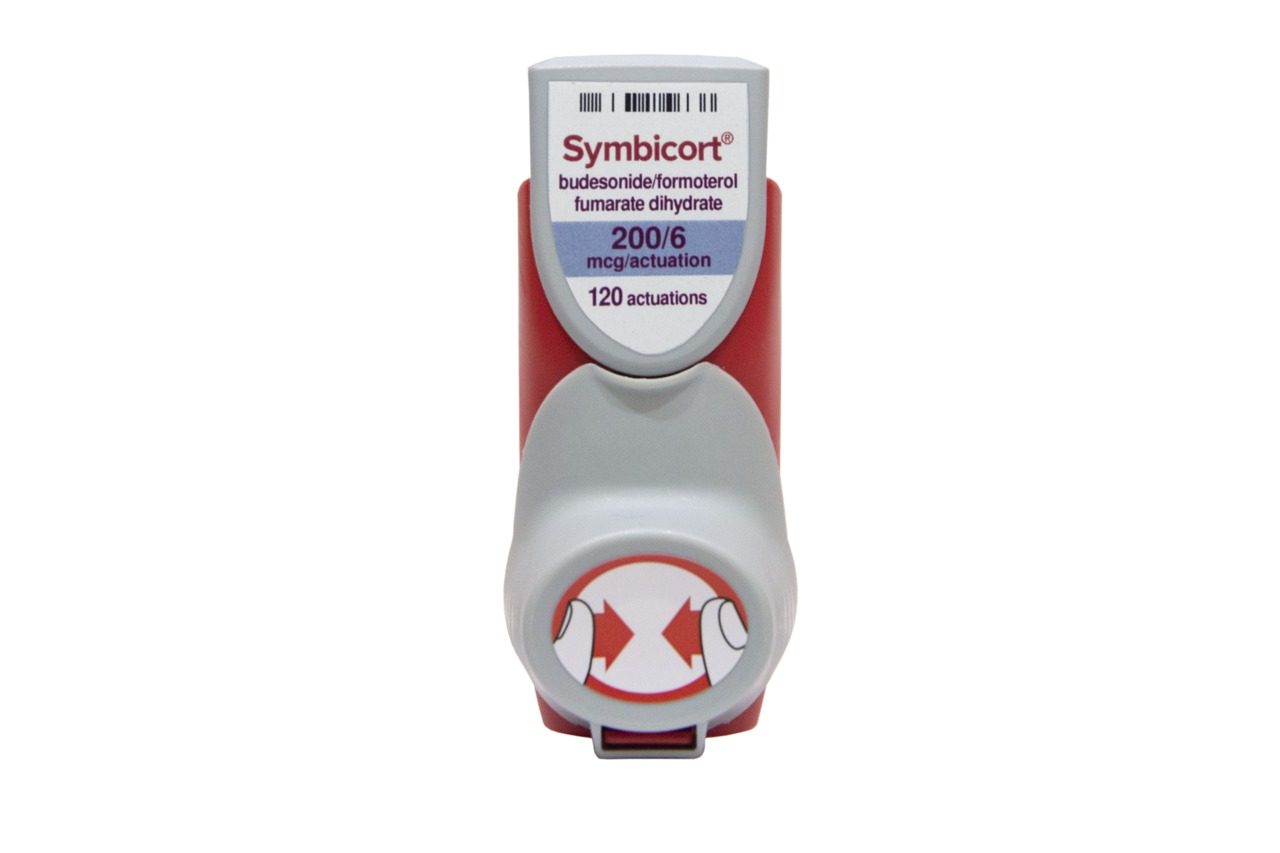
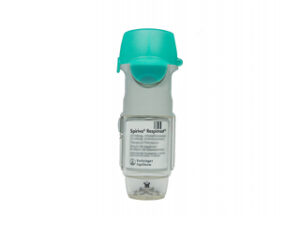

Symbicort (Powder Form) — Budesonide / Formoterol Fumarate Dihydrate
Symbicort is a combination inhaler used in the treatment of asthma and, in some forms, chronic obstructive pulmonary disease (COPD). It contains two medicines: budesonide (an inhaled corticosteroid) and formoterol fumarate dihydrate (a fast-acting long-acting bronchodilator). Together, these help reduce airway inflammation and improve breathing.
This page explains how Symbicort (Powder Form) works, when and how it is used, important safety information, and practical tips for effective inhaler technique—tailored for customers in the United Kingdom.
Basic product information
Note: Symbicort comes in different strengths and dosing options, so always follow the specific instructions on your product packaging and the directions provided for your individual inhaler.
How Symbicort works (mechanism of action)
Symbicort combines two complementary actions in the airways:
1) Budesonide (inhaled corticosteroid)
- Reduces airway inflammation and swelling.
- Helps decrease mucus production and improves airway responsiveness over time.
- Contributes to prevention of flare-ups (exacerbations).
2) Formoterol (long-acting bronchodilator)
- Relaxes the muscles around the airways so they open more easily.
- Improves airflow and reduces symptoms such as wheeze, breathlessness and chest tightness.
- Has a relatively rapid onset compared with some other long-acting bronchodilators.
The combination is designed for both symptom relief and ongoing control, depending on the regimen chosen for your asthma or COPD plan.
Pharmacokinetics (how the body processes the medicines)
After inhalation, budesonide and formoterol act mainly in the lungs. Some portion is swallowed and later absorbed. The medicines are then distributed and metabolised in the body.
Budesonide (inhaled corticosteroid)
- Absorption: Inhaled budesonide is absorbed through the lungs; some is swallowed and absorbed from the gut.
- Metabolism: Metabolised primarily in the liver.
- Elimination: Excreted mainly as metabolites via the kidneys (and partly via other routes).
Formoterol (bronchodilator)
- Absorption: Absorbed through the lungs after inhalation, and some may be swallowed.
- Metabolism: Metabolised in the body (primarily via hepatic pathways).
- Elimination: Excreted mainly as metabolites; small amounts may be eliminated unchanged.
Individual absorption and metabolism can vary. Liver conditions and other medicines may influence overall exposure. If you have significant liver disease, follow medical advice carefully.
Typical uses in the UK
Symbicort is used as part of asthma management to help:
- Provide maintenance (regular) control of symptoms.
- Reduce exacerbations (flare-ups).
- Improve day-to-day breathing and reduce night symptoms.
Depending on the exact product and strength, Symbicort may also be used for certain patients with COPD where an inhaled corticosteroid/long-acting bronchodilator combination is appropriate. Your clinician will determine whether it is suitable for you.
In asthma, common regimen approaches include
- Maintenance therapy (regular dosing) to keep symptoms controlled.
- Reliever use for some patients under specific “single inhaler” approaches (varies by country guidance and product label).
The exact dosing schedule and whether your inhaler is intended for regular use only, reliever use, or both depends on the regimen prescribed for you.
When to take Symbicort (timing and adherence)
For best results, use Symbicort consistently as directed. In asthma, regular use helps control inflammation. Inhaled formoterol provides bronchodilation and can improve symptoms quickly, but it does not replace the need for an ongoing anti-inflammatory strategy.
Typical timing (general guidance)
- Maintenance use: Often twice daily (morning and evening). Some regimens differ.
- Symptom relief/extra doses: Only if your prescribed plan includes reliever dosing with Symbicort.
- Consistency matters: Missing doses may reduce effectiveness and increase flare risk.
If you are unsure which dosing plan you are on, check your prescription label or the patient instructions that came with your inhaler.
Food interactions
Symbicort is inhaled, and food effects are generally minimal. The medicines act primarily in the lungs. However, some swallowed medicine may be absorbed after inhalation.
In most patients, there is no need to avoid specific foods when using Symbicort. If you notice worsening symptoms after eating or have reflux-related asthma triggers, it may be helpful to discuss lifestyle and symptom-management strategies with a healthcare professional.
Alcohol and medicine interactions
Alcohol
There is no universal requirement to avoid alcohol with Symbicort. However, alcohol can worsen asthma symptoms in some people by triggering reflux, affecting breathing patterns, or increasing susceptibility to infections. If you notice that alcohol makes your breathing worse, consider limiting intake and speak to a clinician.
Interactions with other medicines (important)
Some medicines may interact with either component (budesonide or formoterol). Always tell your pharmacist or clinician about all medicines you use, including over-the-counter products.
Common interaction categories
- Beta-blockers (including some eye drops) can reduce the effect of formoterol and may worsen breathing in asthma.
- Other medicines that lower potassium (e.g., certain diuretics) may increase the risk of low potassium, especially with high doses of beta-agonists.
- Medicines affecting liver enzymes (particularly CYP3A4 inhibitors) may increase blood levels of budesonide.
- Other bronchodilators or inhaled beta-agonists: increased risk of side effects if used excessively.
If you regularly take medicines for heart conditions, infections, or fungal/viral treatments, ask your pharmacist to check potential interactions.
Indications (when Symbicort is considered appropriate)
Symbicort is indicated for:
- Asthma in patients who require maintenance inhaled corticosteroid treatment and a bronchodilator.
- COPD in selected patients where combination therapy with an inhaled corticosteroid and long-acting bronchodilator is suitable.
The choice of inhaler and dosing strength depends on severity, symptom pattern, and prior treatment response. Only use Symbicort when it is appropriate for your diagnosis and plan.
Dosing (how much to take)
Dosing varies by product strength and the regimen chosen for your asthma or COPD plan. Always follow the specific dose instructions for your inhaler.
General dosing principles
- Use the lowest effective dose that controls symptoms.
- Do not exceed the prescribed maximum doses in a day.
- Seek advice if symptoms are not improving or if you are needing frequent doses.
Common regimen patterns (example structures)
The below is intended to help you understand how dosing plans are commonly organised—not to replace your individual instructions.
| Regimen type | Typical structure | What to watch for |
|---|---|---|
| Maintenance-only | Regular scheduled doses (often morning and evening) plus a separate reliever inhaler if prescribed | Persistent symptoms despite regular use may indicate inadequate control |
| Maintenance + reliever (single inhaler approach) | Regular doses and additional inhalations for symptoms up to a defined maximum per day | Increasing reliever use can be a sign of worsening asthma control |
| COPD (if applicable to your product) | Maintenance dosing as directed by your healthcare professional | Breathlessness or flare-ups may require reassessment of treatment |
If your symptoms worsen, do not simply increase the dose beyond your instructions. Worsening asthma can require urgent review and a tailored treatment adjustment.
Practical use tips (getting the best from your inhaler)
Proper inhaler technique is essential for Symbicort to work effectively. Even when medicines are correct, poor technique can reduce the amount reaching the lungs.
Step-by-step technique (general)
- Read your specific device instructions (each powder inhaler has its own operating steps).
- Prepare correctly: Load or prepare the dose exactly as described for your inhaler.
- Breathe out gently: Before inhaling the dose, breathe out away from the device.
- Inhale strongly and deeply: To draw the powder into your lungs.
- Hold your breath: For a few seconds (or as directed), then breathe out slowly.
- Close/secure the device: Store it properly to keep it dry and clean.
Rinse and protect your mouth
Because Symbicort contains an inhaled steroid (budesonide), it can sometimes cause thrush (oral candidiasis) or hoarseness. To reduce this risk:
- Consider rinsing your mouth with water after inhalation (spit out—do not swallow).
- Brush your teeth if appropriate.
- If you develop persistent mouth symptoms, seek advice promptly.
Keeping track of symptoms
- Monitor morning/night symptoms, activity limitation, and rescue medicine use (if applicable).
- Keep your Asthma Action Plan (if you have one) and follow its steps during flare-ups.
- Attend regular reviews—control can change over time.
Safety profile and side effects
Most people tolerate Symbicort well when used as directed. However, all medicines can cause side effects. The likelihood and type of side effects can depend on dose, technique, and individual factors.
Common side effects
- Throat irritation or cough after inhalation
- Hoarseness (dysphonia)
- Oral thrush (especially if mouth is not rinsed)
- Headache
- Palpitations or mild shakiness (formoterol-related) in some people
Less common but important side effects
- Low potassium (hypokalaemia), particularly at higher doses or with other medicines that lower potassium
- Chest discomfort or increased heart rate
- Worsening breathing if an inhaler is used incorrectly
- Systemic steroid effects are less likely with inhaled therapy, but can occur with high doses or long-term use
Seek urgent medical help if
- Your breathing suddenly worsens despite using your inhaler as directed
- You have severe chest tightness, bluish lips, confusion, or are struggling to speak in full sentences
- You experience signs of an allergic reaction such as swelling of the face/throat, hives, or severe rash
Long-term safety considerations
- Inhaled steroids are designed to target the lungs, which helps reduce whole-body exposure compared with tablets.
- Regular follow-up helps ensure the dose remains appropriate and minimal for control.
What to do if you miss a dose
If you miss a dose, take it as soon as you remember unless it is close to your next scheduled dose. Do not take a double dose to make up for the missed one.
If you are using Symbicort as both maintenance and reliever, follow your asthma plan for symptom dosing and maximum daily limits.
Alternative options (other therapies you may be offered)
Depending on your symptoms and diagnosis, alternative treatments may include:
- Single inhaled corticosteroids (for anti-inflammatory control alone)
- Other inhaled steroid/LABA combinations (different devices/strengths)
- Reliever inhalers such as short-acting beta-agonists (SABA) for some asthma regimens
- For specific asthma types: add-on therapies like leukotriene receptor antagonists or biologic medicines (selected cases)
- For COPD: other long-acting bronchodilator combinations and, when relevant, inhaled corticosteroids
Your healthcare professional will select options based on your control level, exacerbation history, inhaler preference, and risk factors. If you switch inhalers, technique and dose equivalence may differ.
UK market and legal context (plain-English overview)
In the United Kingdom, inhaled medicines for asthma and COPD are widely used in community care. Symbicort is a branded medicine with regulatory approval and is made available through pharmacy channels according to the relevant UK medicines regulations.
For online pharmacy availability, products are supplied in line with applicable UK frameworks for safe supply, including identity checks, product integrity requirements, and guidance on proper use.
Always ensure that the inhaler strength and dosing instructions match what you need. If a product looks different (device type or strength), do not assume it is interchangeable.
Recent guidance considerations (UK practice)
UK asthma management typically emphasises personalised assessment, regular inhaler technique review, and stepwise treatment adjustments. For COPD, management often prioritises smoking cessation, vaccination, inhaler optimisation, and appropriate pharmacotherapy based on symptoms and exacerbation risk.
Clinical practice encourages:
- Reviewing inhaler technique at routine contacts
- Using the minimum effective dose for control
- Monitoring symptoms and flare-ups closely
- Considering action plans for asthma exacerbations
Delivery and availability (UK online pharmacy)
Availability can vary depending on stock levels and the specific Symbicort strength/device you choose. Online pharmacies in the UK typically deliver within standard delivery windows and may offer tracked shipping options.
How to order smoothly
- Confirm the strength and inhaler device match what you need.
- Check packaging details before confirming your order.
- Store the inhaler as recommended (typically in a dry place away from excessive heat or moisture).
If you have questions about compatibility with your existing device plan, contact customer support before purchase.
FAQ — frequently asked questions
1) Is Symbicort used for quick relief?
Symbicort contains formoterol, which can have a relatively rapid onset. Some patients use Symbicort as both maintenance and reliever, but this depends on your individual plan and the product regimen. If your plan uses a separate reliever, Symbicort may be for regular control only.
2) How soon will Symbicort start to work?
Many people feel bronchodilation benefits relatively quickly due to formoterol. Full control of inflammation from budesonide usually develops over days, and regular use helps maintain long-term stability.
3) Can I stop Symbicort when I feel better?
Do not stop Symbicort suddenly without medical advice. In asthma, stopping inhaled corticosteroids may increase flare risk. If dose adjustments are needed, they should be planned as part of a stepwise management approach.
4) What if my inhaler tastes unpleasant or I feel no effect?
Taste can vary. If you feel you are not getting benefit, check inhaler technique first and ensure the device is ready and used correctly. If symptoms persist, seek advice—your dose or device may need reassessment.
5) How do I reduce the risk of thrush?
Rinse your mouth after inhalation (spit out), and maintain good oral hygiene. If you develop persistent white patches in the mouth, soreness, or worsening hoarseness, contact a healthcare professional.
6) Can I use Symbicort with other inhalers?
Often yes, but it depends on your regimen. Some people use a separate reliever inhaler; others use Symbicort as part of a single-inhaler approach. Always follow your inhaler plan and confirm any combination with your pharmacist or clinician.
7) Are there special precautions for children or teenagers?
Children and teenagers should use Symbicort only as directed for their age group and strength. Adult supervision may be needed to ensure correct inhaler technique.
8) What should I do if I accidentally take extra doses?
Taking more than the prescribed dose can increase side effects related to bronchodilation and steroid exposure. If you have taken more than instructed, seek advice from a healthcare professional or NHS services (e.g., NHS 111) for guidance.
9) Is Symbicort safe during pregnancy or breastfeeding?
Many inhaled asthma treatments are used during pregnancy and breastfeeding when benefits outweigh risks. If you are pregnant, planning pregnancy, or breastfeeding, discuss your treatment with a clinician so the safest effective plan can be agreed.
10) Does Symbicort affect driving or operating machinery?
Symbicort is not generally associated with impairment of driving ability. However, individual reactions (such as palpitations or tremor) may occur. If you feel unwell or dizzy, avoid risky activities.
Summary
Symbicort (Powder Form) is a combination inhaled medicine containing budesonide and formoterol fumarate dihydrate. Budesonide helps reduce airway inflammation, while formoterol opens the airways to make breathing easier. Used correctly and consistently, it can improve asthma control and reduce the likelihood of flare-ups. Always follow your dosing instructions, use good inhaler technique, and seek help promptly if symptoms worsen significantly.