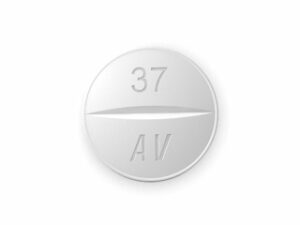
Actos (Pioglitazone) — Patient Information (UK)
Actos contains pioglitazone, a medicine used to improve blood sugar control in adults with type 2 diabetes. It belongs to a group of medicines called thiazolidinediones (TZDs). This page explains how Actos works, how it is used, key safety information, interactions, and practical tips for day-to-day use in the United Kingdom.
Important: Individual advice may differ depending on your medical history (for example, heart problems, bladder concerns, liver function, or other medicines). Always follow the instructions given by your healthcare professional and read the leaflet supplied with your medicine.
1) Basic product information
- Brand name: Actos
- Generic name: Pioglitazone
- Medicine type: Anti-diabetic (thiazolidinedione)
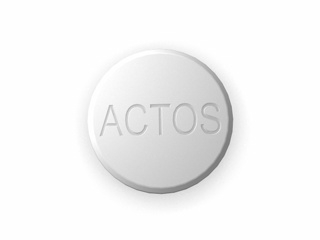
- How it is supplied: Tablet (strength varies by product presentation)
- Who it’s for: Adults with type 2 diabetes, usually as part of a combination plan
- Where it is used: United Kingdom (UK) healthcare system
Typical strengths: Common strengths include 15 mg, 30 mg, and 45 mg tablets (availability can vary).
2) What Actos does (mechanism of action)
In type 2 diabetes, the body’s tissues become less sensitive to insulin (so-called insulin resistance). Pioglitazone improves insulin sensitivity, particularly in the liver and peripheral tissues.
Mechanism in simple terms:
- Actos activates a cellular regulator called PPAR-γ (peroxisome proliferator-activated receptor gamma).
- This helps the body use insulin more effectively.
- As insulin sensitivity improves, blood glucose levels can decrease.
- It also tends to affect fat distribution and metabolism, which contributes to improved glucose control.
What Actos does not do: Actos is not an insulin substitute. It works by improving how the body responds to its own insulin.
3) Typical uses in the UK
Actos is used to treat type 2 diabetes mellitus in adults. It is commonly used when blood sugar is not controlled enough with diet and exercise alone, or when used alongside other glucose-lowering medicines.
Common scenarios where Actos may be considered include:
- As an add-on to metformin when additional control is needed.
- As part of combination therapy with other oral medicines, where appropriate.
- In some circumstances, when other options are not suitable.
Non-insulin purpose: Actos is indicated for type 2 diabetes. It is not used for type 1 diabetes.
4) How to take Actos (timing and dosing)
Your prescriber will decide the dose that suits you. Dosing often depends on your current diabetes regimen, response, and any risk factors (for example, heart failure history).
Typical starting and adjustment approach
- Starting dose: Often begins at the lower strength and may be increased gradually.
- Maintenance dose: Common maintenance doses vary (for example, 15 mg, 30 mg, or 45 mg daily depending on individual response).
- Dose changes: Usually adjusted after checking blood glucose (and sometimes other measures) over time.
When to take it
Actos is usually taken . Try to take it at the same time each day to help you remember.
Timing with meals: It can generally be taken with or without food. Food does not significantly change the overall effectiveness, although taking it at a consistent time can help with adherence.
Missed dose
- If you miss a dose, take it as soon as you remember unless it is almost time for the next dose.
- Do not take a double dose to make up for a missed tablet.
- If you are unsure, check the patient leaflet or ask a pharmacist.
Stopping the medicine
Do not stop Actos suddenly without medical advice. Stopping can worsen blood glucose control.
5) Food interactions
Pioglitazone has no major interaction with food. It can be taken with or without meals. However, diabetes management is more than tablets—consistent eating patterns and overall lifestyle measures remain important.
Practical tip: If you find it easier to remember medication with a routine, take Actos with your usual morning or evening routine.
6) Alcohol and medicine interactions
Alcohol: Alcohol can affect blood sugar levels and may increase the risk of side effects for some people. Moderate alcohol intake may be acceptable for some patients, but alcohol is not recommended if it worsens glucose control or affects liver health.
Talk to your healthcare professional if you:
- Drink alcohol regularly or heavily
- Have liver problems
- Have a history of low blood sugar episodes (particularly if taking other diabetes medicines)
Important interaction concept:
- Actos by itself is not usually associated with causing low blood sugar.
- However, when used with other medicines (especially insulin or sulfonylureas), the risk of hypoglycaemia can increase.
7) Pharmacokinetics (how the body processes pioglitazone)
Pharmacokinetics describes what the body does to a medicine—absorption, distribution, metabolism, and elimination.
- Absorption: Pioglitazone is absorbed after oral administration; peak concentrations occur after several hours.
- Distribution: It is extensively bound to plasma proteins.
- Metabolism: It is metabolised mainly in the liver.
- Elimination: Metabolites are cleared primarily through bile and the digestive tract.
- Onset and duration: Glycaemic effects typically develop gradually. Improvement is often seen over days to weeks, with fuller effects taking longer (commonly several weeks).
Clinical implication: If you start Actos, do not expect an immediate drop in glucose like some other medicines. Your prescriber will usually review progress over time.
8) Indications (when Actos is used)
In the UK, Actos is indicated for the treatment of type 2 diabetes mellitus in adults, particularly where glucose levels are not adequately controlled by:
- diet and exercise alone, and/or
- other oral diabetes medicines (as part of combination therapy, depending on your circumstances).
Use is guided by your overall diabetes plan, including targets for blood glucose and consideration of risks such as heart failure, liver function, and fluid retention.
9) Safety profile: what to watch for
Like all medicines, pioglitazone can cause side effects. Many people experience none or only mild effects, but you should know what to look for.
Common side effects
- Fluid retention (oedema): Swelling of feet/ankles, weight gain
- Weight gain
- Reduced haemoglobin (anaemia) in some people
- Headache or general aches (varies by person)
- Changes in liver blood tests (usually monitored)
Serious warnings (seek urgent advice)
-
Heart failure risk / worsening heart failure:
- Actos can cause or worsen fluid retention, which may aggravate heart failure.
- Seek urgent medical help if you develop shortness of breath, rapid weight gain, swelling, or worsening tiredness.
-
Bladder concerns:
- There has been discussion about a possible association between pioglitazone and bladder cancer risk.
- Contact medical help promptly if you notice blood in the urine, painful urination, or persistent urinary urgency/frequency.
-
Liver problems:
- Pioglitazone is metabolised in the liver. Liver tests may be checked.
- Get medical advice if you develop yellowing of the skin/eyes (jaundice), dark urine, severe fatigue, or unexplained nausea.
Risk factors that require extra caution
Discuss your suitability for Actos if you have any of the following:
- A history of heart failure or significant heart disease
- Known liver disease or elevated liver enzymes
- A history of bladder cancer or significant urinary symptoms
- Unexplained fluid retention or rapid weight changes
- Diabetic eye problems (retinopathy) — your clinician may monitor more closely
10) Practical use tips (getting the best results)
1) Give it time
Actos works gradually. Your blood glucose may not show the full benefit immediately. Follow your monitoring schedule and do not adjust dose on your own.
2) Monitor weight and swelling
- Check your weight regularly (for example, weekly or as advised).
- Look for swelling in ankles, legs, or hands.
- Report rapid weight gain or breathlessness promptly.
3) Keep up with diabetes monitoring
- Follow HbA1c checks as advised.
- If you use home glucose testing (if recommended), keep a log to discuss with your clinician.
4) Be mindful of hypoglycaemia risk when combined
Pioglitazone alone rarely causes hypoglycaemia. But if used with other medicines that can lower blood sugar (for example, insulin or sulfonylureas), hypoglycaemia becomes a greater consideration.
5) Liver and safety checks
Your healthcare professional may monitor liver blood tests and other parameters. Attend appointments even if you feel well.
11) Pharmacology notes: interactions with other medicines
Interaction potential depends on the full list of medicines you take. Always tell your pharmacist or prescriber about all medicines, including herbal products.
Key interaction concepts commonly considered:
- Insulin and sulfonylureas: May increase the risk of low blood sugar. Dosing adjustments may be needed.
- Medicines affecting liver enzymes: Pioglitazone is metabolised in the liver; some medicines may affect levels of pioglitazone. Your clinician will take this into account if needed.
- Other fluids/heart-related medicines: Because of fluid retention risk, review your overall cardiovascular medicines.
Always check: your pharmacist can confirm interactions for your specific combination.
12) Alternative options (UK)
Depending on your diabetes profile and personal circumstances, alternatives to Actos may include other oral agents and injectable therapies. Options are chosen based on effectiveness, side effects, kidney/liver function, weight considerations, cardiovascular risk, and patient preference.
Common alternative classes include
- Metformin (first-line in many people)
- Sulfonylureas (can be effective but may increase hypoglycaemia risk)
- DPP-4 inhibitors
- SGLT2 inhibitors (often considered in people with particular cardiovascular or kidney profiles)
- GLP-1 receptor agonists (injectable therapies)
- Insulin where needed
Discussion point: If Actos causes oedema, weight gain, or concerns about heart function, your clinician may consider switching to another option.
13) UK market and legal context
In the United Kingdom, diabetes medicines including Actos are regulated and made available under the NHS and pharmacy supply chain with strict governance around safe use. Prescribing and ongoing monitoring follow national clinical practice and local commissioning decisions.
Actos is included within the broader UK framework for diabetes care, which aims to balance glycaemic control with safety, patient comorbidities, and cost-effectiveness.
Medicines regulation: Products are authorised and monitored by the UK medicines regulatory system. Safety concerns, including those related to bladder and heart-related risks, are reflected in product information and clinical guidance.
14) Recent guidance and clinical practice notes (UK)
Clinical guidance for type 2 diabetes in the UK generally emphasises:
- Individualised treatment targets based on risk and overall health
- First-line use of lifestyle measures and metformin in appropriate patients
- Considering medicines with proven benefits for cardiovascular and kidney outcomes in relevant patients
- Reviewing safety concerns and contraindications, including heart failure and fluid retention
- Regular monitoring of glycaemia (often HbA1c), weight, kidney function, and relevant safety parameters
What this means for you: If Actos is recommended, it’s usually because it fits your personal balance of benefits and risks. If your health status changes (e.g., heart symptoms or urinary changes), your clinician may re-evaluate.
15) Delivery, availability, and ordering in the UK
Availability can vary by pharmacy and tablet strength. Online pharmacies typically check stock levels before dispatch. Delivery options and timelines depend on the supplier and your delivery location within the UK.
Before ordering:
- Confirm the strength and tablet quantity match what your clinician advised.
- Check whether you need to supply any documentation your pharmacy requires under UK regulations.
- Plan ahead for ongoing medication use so you don’t run out.
Packaging and storage: Keep tablets in the original packaging and store at room temperature (unless your leaflet states otherwise). Keep out of reach of children.
16) FAQ
Is Actos the same as insulin?
No. Actos (pioglitazone) improves your body’s response to insulin. It is not insulin and does not replace insulin injections.
How long does it take for Actos to work?
Actos tends to work gradually. Some improvement may be seen within days, but meaningful glucose improvements often take weeks. Your clinician will review progress over time (for example, with HbA1c testing).
Will Actos cause weight gain?
Weight gain is a known possible side effect. It may relate to fluid retention and changes in fat distribution. Monitoring your weight and reporting rapid changes is important.
Can I take Actos with food?
Yes. Actos can generally be taken with or without food. Choose a time you can consistently remember.
Does Actos cause low blood sugar?
Actos alone has a low risk of causing hypoglycaemia. The risk increases when combined with medicines that lower blood glucose more strongly, such as insulin or sulfonylureas.
What should I do if I miss a dose?
Take it when you remember unless it’s almost time for the next dose. Do not take a double dose. If unsure, ask your pharmacist.
Who should not take Actos or should discuss it carefully?
Discuss carefully with your clinician if you have a history of heart failure, significant heart problems, liver disease, or previous bladder cancer, or if you have urinary symptoms. Your prescriber will weigh risks and benefits for you.
Can Actos increase the risk of bladder cancer?
There has been concern based on available evidence. If you develop blood in the urine, painful urination, or persistent urinary symptoms, seek medical advice promptly.
Is Actos safe for everyone with type 2 diabetes?
Not necessarily. Actos may be unsuitable depending on your medical history and current health status, especially regarding heart failure, fluid retention risk, liver function, and bladder concerns. Suitability is individual.
What happens if I stop taking Actos?
Stopping may cause blood sugar control to worsen. If you want to stop or switch, discuss it with your healthcare professional first.
17) Quick summary
- Actos (pioglitazone) improves insulin sensitivity in type 2 diabetes.
- It is typically taken once daily and works gradually.
- Food does not significantly affect it; take it consistently with or without meals.
- Key safety issues include fluid retention/weight gain, potential heart failure worsening, and bladder-related concerns.
- Always seek prompt medical advice for symptoms like shortness of breath, swelling, rapid weight gain, or blood in urine.
Disclaimer: This information is for general guidance for UK patients and does not replace advice from your healthcare professional. For personalised advice, contact your prescriber or pharmacist.