
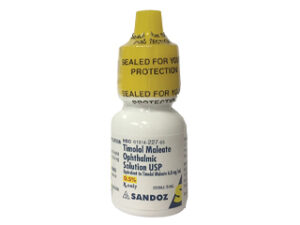
Lumigan + Applicators (Bimatoprost) – Patient Guide (UK)
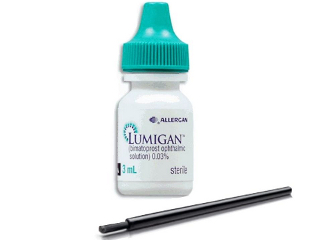
Lumigan is an eye medicine used to treat certain conditions that affect the eye’s pressure. In the UK, Lumigan + Applicators contains bimatoprost and comes with a dosing aid (“applicators”) designed to help you place a precise drop accurately.
This page explains how Lumigan works, how it is used, what to expect, and important safety information. Always follow the instructions provided with your medicine and seek advice from a healthcare professional if you are unsure.
Quick facts
- Active ingredient: Bimatoprost
- What it’s used for: Lowering increased pressure in the eye and treating specific eye conditions
- Typical dosing frequency: Usually once daily in the evening
- Form: Eye drops/solution used with provided applicators (depending on presentation)
- Common effects: Temporary or mild eye redness/irritation, changes around the eye (e.g., lashes)
Basic product information
Lumigan + Applicators is a topical ophthalmic medicine. “Applicators” are designed to support accurate dosing and consistent application. The active ingredient, bimatoprost, is a prostaglandin-related medicine used to reduce pressure inside the eye.
Your exact strength and presentation may vary depending on the product supplied. Check the label/box for the exact details.
What is bimatoprost and how does it work?
Mechanism of action (how it lowers eye pressure)
Bimatoprost helps reduce intraocular pressure (IOP), which is the fluid pressure inside the eye. It works mainly by increasing outflow of aqueous fluid (the fluid that nourishes the eye) and may also help improve the balance of fluid production and drainage.
In simple terms: by improving fluid drainage, the medication can lower eye pressure over time. This is important because elevated eye pressure can damage the optic nerve in conditions such as glaucoma and ocular hypertension.
Pharmacokinetics (absorption, distribution, and elimination)
Bimatoprost is applied to the eye surface. After instillation, some of the medicine can be absorbed through eye tissues. Systemic (whole-body) absorption is generally low compared with medicines taken by mouth. Most relevant effects are local (in the eye).
- Absorption: Primarily local absorption through ocular tissues.
- Systemic exposure: Low in typical use, but small amounts may reach the bloodstream.
- Distribution: If absorbed, bimatoprost may distribute to tissues; however, clinical relevance is limited due to low exposure.
- Metabolism and elimination: The body metabolises the active substance and eliminates it mainly via normal clearance pathways.
Factors that can influence exposure include eye irritation, how well drops are placed, and whether excess solution drains from the eye into the nose and throat.
What is Lumigan used for?
Lumigan is used to treat conditions associated with increased eye pressure, especially where reducing IOP helps protect the optic nerve.
Indications (common uses in the UK)
- Primary open-angle glaucoma
- Ocular hypertension
- Other glaucoma/ocular hypertension conditions as advised by your healthcare professional
Your clinician will choose an appropriate treatment based on your eye condition, IOP level, and individual risk factors.
How to use Lumigan + Applicators (timing and technique)
Typical dosing frequency
The usual regimen is one drop in the affected eye(s once daily, preferably in the evening. Many patients are advised to use it at about the same time each day.
If your clinician has given different instructions, follow those instead.
When to apply it
- Best time: Evening (consistent timing is helpful).
- Missed dose: If you miss a dose, apply it when you remember if it is still close to your usual time. If it’s nearly time for the next dose, skip the missed dose and continue as normal.
- Do not double up: Avoid using extra drops to “catch up”.
Step-by-step practical use tips
- Wash hands before use.
- Check the applicator and solution for any damage or unusual appearance.
- Position: Look up slightly, gently pull down the lower eyelid to create a small pocket.
- Place the drop: Use the applicator/dosing aid as directed and place the drop into the lower eyelid pocket. Avoid touching the eye or eyelids with the applicator tip.
- Close the eye gently for about 1–2 minutes.
- Reduce drainage to the nose: You may gently press a finger at the inner corner of the closed eye for a short period (often called punctal occlusion). This can reduce systemic absorption and improve local effect.
- Remove excess liquid with a clean tissue if it spills onto the skin.
- If using other eye drops: Wait between different medicines (see “Interactions” section below).
If you have difficulty applying the drops accurately, ask a pharmacist or nurse to demonstrate technique. The app/pack insert for your specific product may include additional instructions.
Can you take it with food?
Food typically does not directly affect bimatoprost eye drops because the medicine is applied to the eye. Therefore, food interactions are not expected to be clinically significant.
However, if you’re taking other medicines that might affect sedation, dry eyes, or general health, always inform your healthcare professional. If you feel unwell after using drops, review technique and contact advice rather than changing diet alone.
Alcohol interactions
There are no well-established direct interactions between alcohol and bimatoprost eye drops. That said, alcohol can cause eye dryness or increase irritation in some people.
- Limit alcohol if you notice eye discomfort or dryness after drinking.
- Stay hydrated and consider preservative-free lubricating drops if recommended.
Medicine interactions (including contact lens considerations)
Other eye medicines
Using multiple eye drops requires careful timing to avoid washing one medicine out with another. A common approach is: wait at least 5 minutes between different eye drops unless your clinician advises otherwise.
If you use other glaucoma drops (for example, beta-blockers, carbonic anhydrase inhibitors, or combination products), your clinician may have selected a specific regimen. Do not stop or change medicines without advice.
Contact lenses
If you wear contact lenses, check the product leaflet for guidance. Many eye drops contain preservatives that may be absorbed by contact lenses. In practice, you may be told to:
- Remove lenses before applying the drops
- Wait an interval after dosing before reinserting lenses
Follow the leaflet directions or your pharmacist’s advice to avoid corneal irritation.
Systemic medicines
Because systemic absorption from eye drops is generally low, interactions with medicines taken by mouth are less common. Still, it’s important to tell your healthcare professional about all medicines you use, including:
- Eye drops and ointments
- Tablets and capsules
- Herbal products and supplements
- Recent changes to medication
Safety profile: side effects and when to seek help
Common or expected side effects
Many people tolerate Lumigan well. Reported side effects often relate to local eye effects. Some may appear after the first few weeks and can sometimes lessen with time.
- Eye redness or mild irritation
- Itching or a feeling of grittiness
- Dry eyes
- Increased tear production (sometimes)
- Changes to eyelashes (e.g., longer, darker, thicker eyelashes)
- Changes in the colour of the iris (often gradual)
- Periorbital skin changes (around the eyes) in some patients
Less common but serious side effects
Seek urgent medical advice if you experience:
- Severe eye pain or rapidly worsening symptoms
- Marked vision changes (e.g., blurred vision that doesn’t improve, sudden loss of vision)
- Significant swelling of the eyelids or face
- Severe allergic reaction (e.g., widespread rash, breathing difficulty)
- Signs of inflammation inside the eye (your clinician can advise what to watch for)
Special caution groups
- Previous eye inflammation (inflammatory eye conditions may require closer monitoring)
- Eye surgery history (tell your clinician if you’ve had procedures on the eye)
- People with cystoid macular oedema risk (your clinician may assess whether bimatoprost is suitable)
- Pregnancy and breastfeeding: discuss with a healthcare professional before use
Managing discomfort
- Use drops at the same time each day and ensure correct technique.
- A short course of lubricating eye drops may help dryness, but ask for suitable options and check compatibility with your drops.
- Avoid rubbing the eyes, which can worsen irritation.
Dosing guide (typical regimen)
Typical dose: One drop of Lumigan in the affected eye(s) once daily, usually in the evening.
- Do not exceed the recommended dosing frequency. Using it more often does not usually improve pressure control and may increase side effects.
- Use consistently: IOP control often depends on regular daily use.
- Follow-up: eye pressure checks may be scheduled to confirm effectiveness.
If you are using multiple glaucoma medicines, the schedule is usually planned to avoid wash-out and to maximise effect. Keep a note of your daily timetable.
Practical tips for best results
- Don’t touch the tip: Touching the applicator to the eye or eyelid can contaminate the solution and cause irritation.
- Be consistent with timing: Many patients find that using it in the evening produces more stable control.
- Consider punctal occlusion: Gently pressing the inner corner after instillation may reduce drainage into the nose.
- Track changes: If you notice eyelash or iris colour changes, mention it at your next appointment.
- Keep appointments: Eye pressure monitoring and optic nerve assessment are essential.
Alternative options (if Lumigan isn’t suitable)
There are several types of medicines used to lower eye pressure. Which one is right for you depends on your diagnosis, response to treatment, side-effect preferences, and other health factors.
Common alternative classes
- Prostaglandin analogues (similar to bimatoprost, used once daily)
- Beta-blockers (often twice daily, sometimes once daily formulations)
- Carbonic anhydrase inhibitors
- Alpha-agonists
- Combination eye drops (two medicines in one)
If you experience side effects or your eye pressure is not adequately controlled, your clinician may recommend: switching to a different active ingredient, adjusting frequency, or combining therapies.
UK market and legal context (how it is supplied)
In the United Kingdom, ophthalmic medicines like Lumigan are regulated and supplied according to UK medicines legislation. Availability may differ between product strengths and presentations.
Online pharmacies typically provide patient information, dispensing details, and delivery options in line with UK requirements. Always verify that the product you receive matches what you intended to order (name, strength, and form).
Recent guidance (general principles)
- Regular monitoring: Eye pressure control usually requires periodic review by an optometrist or ophthalmology team.
- Adherence matters: Many guidelines emphasise consistent daily dosing to maintain IOP reduction.
- Safety awareness: Clinicians commonly monitor for local effects (redness, eyelash/skin changes) and for signs of inflammation.
For the most up-to-date NHS or professional recommendations, you can consult NHS resources or ask your healthcare team.
Delivery and availability in the UK
Lumigan + Applicators may be available through licensed online pharmacies and retail distribution channels depending on stock. Availability can vary by strength and batch.
- Dispatch: Orders are typically processed on working days.
- Delivery times: Courier and postal options may vary; check the retailer’s delivery estimates at checkout.
- Packaging: Medicines are usually supplied in tamper-evident packaging with patient information included.
If a product is temporarily unavailable, a pharmacy may offer alternatives or notify you of options. Confirm the correct product before delivery, especially if you’re switching between brands or strengths.
FAQ
1) How long does it take for Lumigan to work?
Some people notice changes in eye comfort or pressure control within the first days, but consistent daily use is usually required. Your eye pressure is typically checked during follow-up appointments to confirm effectiveness.
2) Can I use Lumigan twice a day instead of once?
Do not increase the dosing frequency unless your clinician advises it. More frequent use can increase side effects without providing better overall pressure control.
3) What if I miss a dose?
Apply it when you remember if it’s still close to your usual evening time. If it’s nearly time for the next dose, skip the missed dose and continue your regular schedule. Do not double up.
4) Will Lumigan change my eyelashes or iris colour?
It can. Some patients experience eyelash darkening/lengthening and changes around the eyes. Gradual iris colour change has been reported. If you observe changes, discuss them at your next appointment.
5) Can I wear contact lenses?
Follow the specific product leaflet instructions. Many patients are advised to remove contact lenses before applying eye drops and to wait before reinserting them. This helps reduce irritation and preservative absorption.
6) What should I do if my eyes sting after using the drops?
Mild stinging can happen, especially at first. Check that you are using the applicator correctly and that the drop contacts the eye (not the eyelids/skin). If stinging is persistent or severe, or if you notice pain or vision changes, seek advice promptly.
7) Are there food or alcohol restrictions?
Food interactions are not expected. Alcohol isn’t known to directly interact with bimatoprost, but alcohol may worsen dryness or irritation in some people. Use your judgement and seek advice if symptoms occur.
8) Can Lumigan be used with other eye drops?
Often yes, but timing is important. Wait between different eye drops (commonly at least 5 minutes) unless your clinician advises otherwise. Keep a written schedule to avoid mixing medicines up.
9) When should I contact a healthcare professional urgently?
Contact urgent medical help if you have severe eye pain, significant swelling, allergic symptoms, or notable vision changes.
10) Is Lumigan suitable for everyone?
Not always. Your eye history (e.g., inflammatory eye disease, past eye surgery), other eye conditions, and general health can affect suitability. Always follow professional advice and report your full medical and eye history.
Final reminders
- Use Lumigan once daily in the evening unless you were told otherwise.
- Apply carefully using clean hands and avoid touching the eye tip.
- Attend eye checks so your clinician can monitor response and safety.
- If you experience severe pain, significant swelling, or vision changes, seek advice urgently.