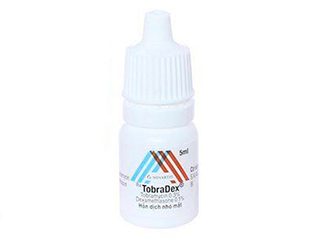
Tobradex (Obramycin/Dexamethasone) Eye Drops & Ointment
Tobradex is a medicine used for certain eye conditions where both bacterial infection and inflammation occur. It combines two active ingredients: tobramycin (an antibiotic) and dexamethasone (a corticosteroid).
This page explains how Tobradex works, what it’s used for, how to use it safely, and what to consider in everyday life in the United Kingdom (UK). Always follow the instructions supplied with your medicine and consult a qualified healthcare professional if you are unsure.
Basic product information
| Item | Details |
|---|---|
| Medicine name | Tobradex (Obramycin/Dexamethasone) |
| Active ingredients | Tobramycin (obramycin) + dexamethasone |
| Medicinal form | Eye drops and/or eye ointment (varies by product pack) |
| Class / purpose | Antibiotic + corticosteroid combination for eye inflammation with suspected or confirmed bacterial involvement |
| Route of administration | Topical in the eye (not for mouth or injection) |
How Tobradex works (mechanism of action)
Tobradex contains two medicines that act in different ways:
- Tobramycin (obramycin): an aminoglycoside antibiotic. It works by interfering with bacterial protein production, which helps stop bacterial growth. It is effective against a range of susceptible bacteria that may cause eye infections.
- Dexamethasone: a corticosteroid that reduces inflammation. It helps decrease redness, swelling, pain associated with inflammatory processes, and it can reduce certain immune reactions in the eye.
Because Tobradex includes a steroid, it is important to use it only for the conditions it is intended for and for the advised duration. Steroids can sometimes worsen infections that are viral or fungal rather than bacterial, so correct diagnosis matters.
Pharmacokinetics (what happens in the body)
Tobradex is applied to the surface of the eye. After topical administration:
- Tobramycin is absorbed through ocular tissues to a limited extent. Most of the drug acts locally at the eye surface. Any systemic absorption is generally low when used as directed.
- Dexamethasone also acts primarily locally within ocular tissues. Small amounts may enter systemic circulation, but systemic levels are typically low.
- Elimination: When absorbed systemically, drug elimination occurs primarily via renal pathways for tobramycin. Steroids follow metabolic pathways in the body.
In practice, because it is a local eye medicine, the most important “pharmacokinetic” considerations are local effects such as changes in intraocular pressure and the risk of infections increasing when a steroid is used.
Typical uses in the UK
Tobradex is commonly used in eye conditions where there is: bacterial infection or suspected bacterial involvement together with significant inflammation.
Examples may include (depending on clinician assessment):
- Inflammatory conditions of the eye with evidence or strong suspicion of bacterial infection
- Post-operative eye inflammation where an antibiotic-steroid combination is considered appropriate
- Some cases of blepharitis or conjunctivitis where bacterial cause is suspected and inflammation is prominent
Your exact indication depends on your symptoms and exam findings. If your eye condition is not clearly bacterial, a steroid-containing product may not be appropriate.
Timing and how to use Tobradex
When to apply
Follow the dosing schedule provided by your prescriber or pharmacist. Many steroid-antibiotic eye products are used several times daily at first. The frequency may reduce over time if improvement occurs.
A practical approach is to choose times that you can keep consistently, for example:
- Early morning
- Midday
- Evening
- Bedtime (if advised)
How long to use
Steroids are generally used for the shortest duration needed to control inflammation. Prolonged use can increase risks (including raised eye pressure and infection complications). Always complete the course exactly as instructed and attend follow-up if required.
Application instructions (practical steps)
- Wash your hands thoroughly.
- If using eye drops, shake if the leaflet instructs you to do so. Keep the bottle tip away from your eye and eyelids to avoid contamination.
- Gently pull down the lower eyelid to create a small pocket.
- Apply the prescribed number of drops into the pocket without touching the eye with the tip.
- Release the eyelid and close your eye gently. Try to avoid blinking too rapidly.
- For better local absorption, you may press lightly on the inner corner of the eye (near the nose) for about 1 minute after applying the medicine, if you are able to do so comfortably.
- If using ointment, apply a small ribbon along the lower eyelid pocket as directed. Ointment may blur vision temporarily—plan for this.
- Replace the cap immediately and wash your hands again.
Missing a dose
If you miss a dose, apply it as soon as you remember unless it is close to the next dose. Do not apply double the amount to make up for a missed dose.
Food interactions
Tobradex is used in the eye, so it is unlikely to have direct interactions with food. There are no well-known specific dietary restrictions associated with the local ocular use of tobramycin/dexamethasone.
However, if you are taking other medicines by mouth, or if you have conditions affecting immunity (such as uncontrolled diabetes), always discuss your full medication list with a healthcare professional.
Alcohol and medicine interactions
Alcohol
There are no commonly reported direct alcohol interactions with Tobradex because systemic absorption is generally low when used appropriately in the eye. Still, alcohol can worsen eye dryness, irritation, or general recovery—so moderation may help comfort.
Interactions with other medicines
When you use multiple eye medicines, spacing matters. You should generally:
- Wait at least 5–10 minutes between different eye drops/solutions unless your pharmacist advises otherwise.
- Use ointments after drops if both are prescribed, to reduce the chance that ointment blocks absorption.
Systemic drug interactions are unlikely with Tobradex, but you should still inform a healthcare professional if you:
- Use other antibiotics or steroids
- Have had complications with eye pressure or glaucoma
- Have a history of eye fungal or viral infections
- Are taking medicines that affect immune function
If you wear contact lenses, do not use them unless specifically advised. Steroid/antibiotic treatment may require removal of lenses to reduce risk of corneal complications.
Indications and why accurate diagnosis matters
Tobradex is intended for ocular inflammation alongside bacterial infection or when bacterial infection is a likely cause. The combination is not suitable for all red or painful eyes.
Seek urgent medical advice if you have symptoms such as:
- Severe eye pain
- Marked sensitivity to light
- Reduced or blurred vision that is worsening
- Significant swelling around the eye
- Suspected injury or chemical exposure
Steroids can mask symptoms and may worsen infections caused by viruses (e.g., herpes simplex) or fungi. If you have a history of eye herpes or corneal disease, tell a healthcare professional before using a steroid-containing eye medicine.
Dosing (general guidance)
Dosing varies between individuals and between formulations (drops vs ointment). Use only the instructions given for your specific product. Below is general information to help you understand typical schedules—your actual dose may differ.
Common dosing patterns (examples)
- Eye drops: often used multiple times per day initially (for example, 4 times daily), with adjustment as symptoms improve.
- Eye ointment: may be used fewer times per day (sometimes at night) due to longer contact time on the eye surface.
Always check your pack or the instruction leaflet for the exact number of drops/amount of ointment and the frequency.
Duration
Steroid-containing eye medicines are typically not used longer than necessary. Your clinician may review your progress and decide whether to stop or taper.
Safety profile and possible side effects
Like all medicines, Tobradex can cause side effects. Many people tolerate it well, but it is important to know what to watch for.
Common effects
- Mild burning or stinging after application
- Temporary blurred vision (especially with ointment)
- Redness or irritation of the eye
- Tearing or discomfort
Important risks with steroid-containing eye medicines
- Increased intraocular pressure (IOP): prolonged use can raise pressure in the eye, potentially contributing to glaucoma. People with glaucoma or a family history may be at higher risk.
- Eye infection worsening: steroids can reduce inflammation even if infection is progressing, particularly for viral or fungal infections.
- Delayed wound healing: in some circumstances, steroids may delay healing of the cornea or surface tissues.
- Corneal effects: in rare cases, issues such as corneal thinning or worsening may occur, especially if underlying viral/fungal infection exists.
Allergic reactions
Allergic reactions can occur with any medicine. Get urgent medical help if you develop signs such as:
- Swelling of the eyelids or face
- Severe redness or worsening itching
- Breathing difficulties (this requires emergency attention)
When to stop and seek medical advice
Contact a clinician promptly (or seek urgent eye care) if:
- Your symptoms do not improve within the expected time (often within a few days, depending on condition)
- Your vision worsens
- You experience significant pain, light sensitivity, or new swelling
- You suspect you may have herpes infection in the eye
Practical use tips
- Avoid touching the drop/ointment tip to your eye or eyelids to reduce contamination.
- Remove contact lenses before use (unless your healthcare professional has said you may continue). Lenses can trap medication and increase irritation and infection risk.
- Plan for blurred vision if using ointment—use before bedtime or when you don’t need to drive.
- Don’t stop early if you are improving, unless your healthcare professional advises you to. However, steroid medicines should not be continued longer than necessary.
- Keep follow-up appointments if you are using it for more than a short course, especially if you are at risk of raised eye pressure.
- Hygiene: wash hands before and after applying, and avoid sharing eye products.
Alternative options
The best alternative depends on the cause of your eye problem (bacterial vs viral vs allergic vs inflammatory). If you cannot use Tobradex, or if your clinician decides it’s not appropriate, alternatives may include:
- Antibiotic-only eye products (for bacterial infection without the need for steroid)
- Steroid-only anti-inflammatory drops (for inflammation where infection is ruled out)
- Artificial tears or lubricating drops (for dryness/irritation)
- Anti-allergy eye drops (if symptoms are due to allergic conjunctivitis)
- Antiviral treatments (if herpes simplex is suspected or confirmed)
Because Tobradex includes a steroid and an antibiotic, it is not interchangeable with simpler treatments. Always get advice if you are unsure which type of eye problem you have.
Market and legal context in the UK
In the UK, access to medicines is regulated to support safe use. Availability and classification can vary by formulation, strength, and pack size. Eye medicines containing antibiotics and/or steroids may be categorised in ways that require appropriate guidance and patient suitability checks.
For UK customers:
- Always check the product page for the specific Tobradex presentation available from the pharmacy.
- Pharmacies typically provide medicine information and may request basic health details to ensure safe use.
- Regulatory standards and manufacturing quality checks are applied through the UK medicines framework.
Recent guidance and key reminders (UK-relevant)
Eye care guidance across the UK consistently emphasises that:
- Red painful eyes should be assessed promptly, particularly if vision changes, there is significant light sensitivity, or pain is severe.
- Steroid-containing eye medicines should be used with caution and for the shortest appropriate duration because they can aggravate some infections and raise eye pressure.
- Contact lens wearers require extra caution. Corneal infections can be serious; lenses should not be used unless advised.
- Follow-up may be needed when steroid-containing treatments are used beyond short periods.
If your symptoms are not improving or are worsening, don’t “wait it out” indefinitely—seek eye care advice.
Delivery and availability
Tobradex may be available as eye drops and/or ointment depending on the pharmacy’s stock. Delivery options can vary by supplier and your location within the UK.
- Availability: stock levels can change, particularly for specific presentations or strengths.
- Delivery times: many online pharmacies deliver via tracked services. Delivery estimates appear at checkout or on the product page.
- Cold chain: Tobradex eye formulations generally do not require refrigeration unless the leaflet instructs otherwise.
For the most accurate details, check the online pharmacy’s product listing for current dispatch times and delivery options.
FAQ
1. What is Tobradex used for?
Tobradex is used for eye inflammation associated with bacterial infection or when bacterial infection is suspected. It combines an antibiotic (tobramycin) with a steroid (dexamethasone) to reduce inflammation and treat susceptible bacteria.
2. How quickly should I see improvement?
Many people notice improvement within a few days, but it depends on the cause and severity. If you do not improve within the expected timeframe or you worsen at any point, seek medical advice.
3. Can I wear contact lenses with Tobradex?
Usually, contact lenses should be removed during treatment because they can increase the risk of corneal complications and can trap medication. Follow the instructions provided with your medicine or by your healthcare professional.
4. Is it safe to use Tobradex for a “common cold” type red eye?
Red eye can have many causes, including viral infection and allergy. Tobradex contains a steroid, which may be inappropriate for some viral or fungal causes. If your symptoms are mild and improving, it can still be important to get appropriate advice—especially if pain, light sensitivity, or vision changes occur.
5. Can I drive after using Tobradex?
If you use eye drops, vision is usually only briefly affected. With ointment, blurred vision is more likely and can last longer—avoid driving until your vision is clear.
6. What if I forget a dose?
Apply it when you remember unless it is near the time of the next dose. Do not double up.
7. Are there food or alcohol restrictions?
No specific food interactions are expected with ocular use. Alcohol is not known for direct interactions with Tobradex, but it may worsen dryness or irritation—so moderation is sensible.
8. What are the most important side effects to watch for?
Watch for worsening pain, light sensitivity, vision changes, or lack of improvement. With steroid-containing eye products, also be aware of raised eye pressure risk, particularly with longer use.
9. Can Tobradex be used long-term?
Steroids are generally used for the shortest duration necessary. Prolonged use may raise intraocular pressure and increase risks related to infections and corneal health. Follow the recommended duration and attend any follow-up appointments.
10. What should I do if my symptoms are getting worse?
Stop using and seek prompt eye care advice. Worsening symptoms can indicate that the condition isn’t suitable for a steroid-containing product or that a different treatment is needed.
Final reminders
Tobradex can be effective for the right eye condition, but the combination of antibiotic and steroid means it should be used carefully. If you have any doubts—especially if you have severe pain, reduced vision, significant light sensitivity, or a history of eye herpes—seek professional advice promptly.