Betapace (Sotalol) — Patient Information (UK)
Betapace contains sotalol, a medicine used to help treat certain types of irregular heartbeats (arrhythmias). This page explains how Betapace works, what it’s used for, how it’s taken, common safety considerations, and practical tips for everyday use in the United Kingdom.
Important: Heart medicines can be very individual—your dose and monitoring plan should be based on your specific heart rhythm, kidney function, and overall risk factors.
1. Basic product information
- Medicine name: Betapace
- Active ingredient: Sotalol
- Medicinal class: Antiarrhythmic (Class II/III effects)
- How it is used: For specific rhythm disturbances such as ventricular arrhythmias and atrial arrhythmias (depending on clinical context)
- Who should be careful: People with slow heart rate, certain ECG abnormalities, electrolyte imbalances, or reduced kidney function
In the UK: Sotalol-containing brands may be supplied in different strengths depending on availability. Your pharmacy will provide the relevant strength and formulation for your prescription.
2. How Betapace works (mechanism of action)
Sotalol is a beta-blocker with additional antiarrhythmic (Class III) effects.
- Beta-blocking action (Class II): Slows the heart rate and reduces the effect of adrenaline on the heart. This can reduce abnormal rapid beats.
- Potassium channel blocking action (Class III): Helps stabilise the heart’s electrical signals by prolonging the heart’s electrical recovery phase.
By combining these actions, Betapace can help reduce episodes of irregular rhythm and improve rhythm regularity in suitable patients.
3. Pharmacokinetics (how the body handles sotalol)
Understanding pharmacokinetics helps explain why timing and monitoring matter.
- Absorption: Sotalol is absorbed after taking by mouth, with peak levels often reached a few hours after a dose.
- Distribution: It distributes throughout the body, including into tissues involved in cardiac electrical activity.
- Metabolism: Sotalol is not extensively metabolised by the liver.
- Elimination: It is primarily cleared by the kidneys. Reduced kidney function can lead to higher blood levels and increased risk of side effects.
- Half-life: The duration of action depends strongly on kidney function; the medicine may stay in the body longer when kidneys work less well.
Why this matters: Doses may need adjustment if you have kidney impairment, and your clinician may check kidney function and ECG readings regularly.
4. What Betapace is used for (indications)
Betapace is used to treat certain rhythm disorders—often where the goal is to suppress or prevent recurrent arrhythmias.
In clinical practice, sotalol may be used for:
- Ventricular arrhythmias (abnormal rhythms originating from the heart’s lower chambers), depending on severity and patient factors.
- Atrial arrhythmias such as atrial flutter or atrial fibrillation in selected patients (treatment choice depends on individual risk, heart function, and ECG factors).
Selection is key: Not everyone with an irregular rhythm is suitable for sotalol. Doctors consider ECG findings (especially QT interval), heart rate, symptoms, other medicines, and kidney function.
5. Timing and how to take Betapace
How you time doses depends on the exact regimen prescribed.
Typical dosing schedule
- Sotalol is usually taken two times a day (morning and evening) for many patients, but your specific plan may differ.
- Try to take it at consistent times each day.
With or without food
- Many people can take sotalol with or without food, but consistent daily practice helps maintain stable absorption.
- If you find it upsets your stomach, taking it with food may be more comfortable.
Do not suddenly stop
If you want to stop Betapace, speak with a clinician first. Stopping suddenly may lead to worsening rhythm control or other issues related to beta-blocker activity.
Missed dose:
- Take it as soon as you remember unless it is near the time for your next dose.
- If close to the next dose, skip the missed one and continue as normal.
- Do not take a double dose to make up for a missed tablet.
6. Food interactions
Food effects with sotalol are generally considered manageable, but a few points are useful:
- Consistency helps: Take sotalol the same way each day (with or without food).
- Hydration: Stay well-hydrated, especially if you have conditions that can affect kidney function (such as vomiting/diarrhoea).
Electrolytes and diet: Some diets or supplements can affect potassium or magnesium levels. Low potassium or magnesium increases the risk of abnormal rhythms. Let your healthcare team know about supplements (e.g., diuretics-related supplements, electrolyte tablets) and significant dietary changes.
7. Alcohol and medicine interactions
Alcohol: Alcohol can increase side effects such as dizziness, light-headedness, and fatigue—particularly when combined with beta-blocking medicines. It can also worsen dehydration, which may indirectly affect kidney function.
- General advice: Keep alcohol modest and see how your body responds.
- Avoid binge drinking: Higher alcohol intake may increase risks, including falls and irregular heartbeat symptoms.
Alcohol-related “watch-outs”
- Dizziness or faintness after drinking could indicate low heart rate or blood pressure effects.
- If you feel palpitations or chest discomfort after alcohol, seek medical advice promptly.
8. Medicine interactions (important)
Betapace can interact with medicines that affect the heart’s electrical activity (particularly the QT interval) or that influence heart rate, blood pressure, or kidney clearance.
Always tell your pharmacist or clinician about:
- All prescription and over-the-counter medicines
- Herbal products and supplements
- Any recent changes (including antibiotics or antifungals)
Common interaction categories to discuss
- Other medicines that prolong QT: Combining may increase the risk of dangerous rhythm disturbances.
- Medicines that slow the heart: Examples include certain rate-slowing drugs; combined effects may cause too-slow pulse or dizziness.
- Medicines affecting electrolytes: Diuretics and laxatives may reduce potassium or magnesium (raising risk).
- Kidney-affecting medicines: Anything that changes kidney function can alter sotalol levels.
- Medicines that can affect drug levels: Some medicines can change how drugs are cleared from the body, increasing or decreasing sotalol exposure.
Do not start new medicines (including “non-prescription” products) without checking for interactions.
9. Dosing information (general guidance for UK patients)
Dose is tailored to the rhythm being treated, ECG response, heart rate, and kidney function. Clinicians typically use careful titration and monitoring.
- Kidney function matters: Because sotalol is cleared by the kidneys, you may need a reduced dose if you have kidney impairment.
- ECG monitoring matters: Dose increases may be guided by ECG results (including QT interval) and heart rate.
- Starting dose can be different from maintenance dose: Many patients begin with a safer lower dose and adjust if appropriate.
Practical note: If you have been prescribed Betapace for a new rhythm, your clinician may plan more frequent ECG checks during initiation or dose changes.
Exact dosing schedules should follow your prescriber’s instructions and the product packaging provided by your UK pharmacy.
10. Safety profile: side effects and what to watch for
Like all medicines, Betapace can cause side effects. Some are mild; others are more serious, particularly those related to the heart’s electrical stability.
Seek urgent medical help if you have
- Fainting or near-fainting
- Severe dizziness or sudden collapse
- New or worsening chest pain
- Strong palpitations with feeling unwell
- Breathing difficulties or swelling with worsening shortness of breath
Common or expected side effects
- Fatigue
- Dizziness
- Slow heart rate (bradycardia)
- Low blood pressure symptoms (light-headedness)
- Shortness of breath or reduced exercise tolerance in some people
- Headache
Serious risks to understand
- QT prolongation: Sotalol can prolong the QT interval on an ECG. Excessive QT prolongation increases the risk of a serious abnormal rhythm (sometimes called torsades de pointes).
- Electrolyte imbalance: Low potassium or magnesium increases risk of abnormal rhythms.
- Heart block: Some patients may develop conduction problems leading to very slow heart rate.
Medication and monitoring reduce risk: Regular ECG and electrolyte checks (as advised) are an important part of safe use.
11. Practical use tips (to help you stay safe)
- Keep appointments: Especially any planned ECG or blood tests.
- Know your pulse: If you are told to monitor heart rate, do so and record readings (and note symptoms).
- Watch for dehydration: Vomiting, diarrhoea, or heavy sweating can affect electrolytes and kidney function—seek advice if you become unwell.
- Avoid sudden changes in supplements: Don’t start electrolyte, potassium, or magnesium supplements without checking first.
- Inform other healthcare professionals: Mention Betapace before procedures or when prescribed new medicines.
- Carry medication details: Consider keeping a list of your medicines or a pharmacy card on your phone.
Driving and operating machinery
Sotalol may cause dizziness or fatigue in some people, particularly when starting or increasing dose. If you feel unsteady, avoid driving and seek advice.
12. Alternative options (discuss with your clinician)
Depending on the rhythm problem, severity, and your health profile, other treatment approaches may be considered.
Medication alternatives
- Other antiarrhythmics (choice depends on ECG/QT considerations and heart function)
- Rate-control approaches for atrial arrhythmias (to control heart rate rather than restore rhythm), using different medicine classes
Non-medicine options
- Cardioversion (electrical or pharmacological rhythm conversion in selected cases)
- Catheter ablation for certain arrhythmias
- Addressing triggers such as thyroid imbalance, electrolyte issues, sleep apnoea, or excessive alcohol intake
Your clinician can explain why sotalol is (or isn’t) the best option for your specific situation.
13. Market and legal context in the United Kingdom
In the UK, medicines containing sotalol are regulated and supplied according to national medicines guidance and standard safety requirements. Availability may vary by strength and formulation, and supply can change over time due to manufacturing or distribution issues.
Good to know:
- UK healthcare providers follow established cardiology and medicines-safety standards.
- Risk-management measures for antiarrhythmics generally include ECG monitoring and attention to interacting medicines and electrolyte balance.
- Patients are typically advised to have reviews after dose changes and to report symptoms promptly.
14. Recent guidance and monitoring approach (UK-focused themes)
While specific guidance can evolve, several key monitoring themes are widely emphasised for sotalol and similar antiarrhythmics:
- ECG monitoring for QT interval and heart rate, especially during initiation and dose changes.
- Electrolyte checks where relevant—particularly potassium and magnesium—because imbalance increases arrhythmia risk.
- Kidney function assessment to guide dose due to renal clearance.
- Review of interacting medicines to reduce the chance of additive QT prolongation or excessive heart-rate slowing.
If you have been recently started on Betapace or your dose changed, these checks are particularly important. Always follow your clinician’s plan for tests and follow-up.
15. Delivery, availability, and what to expect from a UK online pharmacy
When ordering Betapace via a UK online pharmacy, you can typically expect:
- Strength and quantity confirmation: The exact product strength you need should be clearly stated on your order and in the dispatch information.
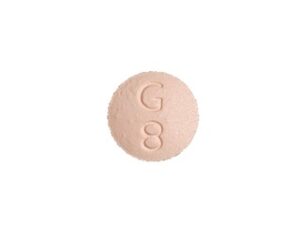
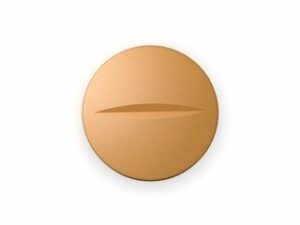
- Packaging designed for safe handling: Tablets are supplied in appropriate packaging for dispensing.
- Delivery timeframe: Delivery speed depends on your location and the pharmacy’s dispatch schedule.
- Stock status updates: If a specific strength is temporarily unavailable, the pharmacy may contact you about alternatives (where appropriate and clinically suitable).
To reduce delays: Ensure your contact details are correct and keep an eye on messages from the pharmacy regarding order status.
16. Betapace — product overview table
| Topic | What to know |
|---|---|
| Active ingredient | Sotalol |
| Type of medicine | Antiarrhythmic with beta-blocker effects |
| How it helps | Stabilises heart rhythm by slowing rate and affecting electrical recovery |
| Key safety focus | QT prolongation, slow heart rate, electrolyte imbalance |
| Monitoring commonly used | ECG (including QT interval), heart rate, kidney function, electrolytes as needed |
| How it’s cleared | Primarily by the kidneys (dose may depend on kidney function) |
| Interactions to watch | Medicines that prolong QT, slow heart rate, or affect potassium/magnesium |
| Typical dosing pattern | Often taken twice daily (exact regimen depends on your clinician’s plan) |
17. FAQ (Frequently asked questions)
1) Is Betapace used for atrial fibrillation?
It can be used for atrial arrhythmias in selected patients, depending on your specific rhythm, ECG findings, and risk factors. Your clinician will choose the most suitable strategy for you (rhythm control vs rate control).
2) Why do I need ECG monitoring while taking Betapace?
Sotalol can prolong the QT interval. ECG monitoring helps detect changes that might increase the risk of serious rhythm disturbances. Monitoring is especially important when starting treatment or changing the dose.
3) What should I do if I feel light-headed or faint?
If you faint or feel severely unwell, seek urgent medical help. If you feel light-headed, check your symptoms and heart rate if advised. Contact a clinician promptly—do not ignore warning signs.
4) Can I take Betapace with other heart medicines?
Some combinations may be unsafe due to additive effects on heart rate or QT interval. Always review all your medicines with your pharmacist or clinician before taking them together.
5) Does food affect Betapace?
Many people can take sotalol with or without food. For best consistency, take it the same way each day and follow any specific instructions you were given.
6) Can I drink alcohol while taking Betapace?
It’s best to keep alcohol moderate. Alcohol may worsen dizziness and fatigue and can contribute to dehydration. If alcohol triggers palpitations or you feel unwell, avoid it and seek advice.
7) What about supplements like potassium?
Do not start potassium or magnesium supplements without professional advice. Incorrect dosing can also be harmful. Your clinician may recommend supplements if you have confirmed low levels.
8) Why might my dose be reduced in kidney problems?
Sotalol is cleared mainly by the kidneys. Reduced kidney function can lead to higher drug levels and increased side-effect risk. Dose adjustments help keep levels safer.
9) What if I miss a dose?
Take it when you remember unless it’s near the time for your next dose. Do not take a double dose to catch up.
10) Are there alternatives if Betapace isn’t suitable?
Yes. Alternatives may include other antiarrhythmics, rate-control strategies, or non-drug options like ablation—depending on your heart rhythm and overall health.
Further help: If you have questions about your specific situation—such as ECG results, interacting medicines, or side effects—speak with a qualified healthcare professional or your pharmacist.