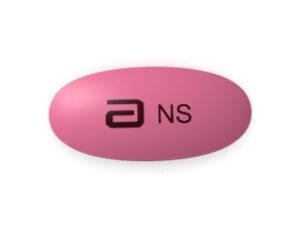
Detrol (Tolterodine) – Patient-Friendly Guide (UK)
Detrol is a medicine containing tolterodine, used to help control symptoms of an overactive bladder (OAB). If you find yourself needing to pass urine frequently, urgently, or experiencing urge incontinence (leakage after a sudden urge), Detrol may help reduce those symptoms.
This guide explains how Detrol works, how it’s typically used, what to expect, key safety information, common interactions (including alcohol and other medicines), and practical tips for getting the best results. It also includes UK-specific information on availability and guidance.
1. Basic product information
- Active ingredient: Tolterodine
- Brand: Detrol
- Common form: Oral tablets (availability may vary by brand strength and formulation)
- Type of medicine: Antimuscarinic / anticholinergic
- Main use: Overactive bladder (urinary frequency/urgency ± urge incontinence)
In the UK, tolterodine products may be supplied in different strengths and formulations. Always check the strength on the pack and follow the instructions provided with your specific product.
2. How Detrol works (mechanism of action)
The bladder is controlled by nerves that use a chemical messenger called acetylcholine. When these signals act on muscarinic receptors, they help drive bladder muscle contraction. In overactive bladder, the bladder may become “too active”, causing sudden urgency and frequent urination.
Tolterodine works by blocking muscarinic receptors in the bladder. This reduces involuntary bladder contractions and increases bladder filling capacity. As a result, you may experience:
- Fewer urgent trips to the toilet
- Less frequent urination
- Reduced urge incontinence episodes
3. Typical use and what symptoms it treats
Detrol is indicated for symptoms of overactive bladder, commonly including:
- Urinary urgency: a sudden, hard-to-delay need to pass urine
- Urinary frequency: passing urine more often than normal
- Urge incontinence: leaking urine after feeling sudden urgency
It is generally used when lifestyle measures alone are not enough. Many people also benefit from bladder training and fluid management alongside medication.
4. Timing: when to take Detrol and when it helps
How you should take Detrol depends on the exact formulation and strength on your pack. Follow your product label directions and the advice given by your healthcare professional.
General timing principles:
- Try to take it at the same times each day to keep symptom control consistent.
- Give it time: some people notice improvement within days, but meaningful symptom reduction may take several weeks.
- If you miss a dose, do not take a double dose to make up for it. Check your pack instructions or seek advice.
If symptoms are not improving or side effects are troublesome, speak to a healthcare professional for adjustment or alternative options.
5. Food interactions
Tolterodine can be taken with or without food for many patients. However, individual product instructions may differ slightly. If your pack indicates “with food” or “without food”, follow that advice.
Practical points:
- If you experience stomach discomfort, taking the dose with food may help some people.
- Maintain a consistent routine (for example, always with breakfast or always at the same time of day) to reduce variability.
Avoid making large changes to your diet suddenly (particularly if you have conditions such as kidney or liver impairment) and discuss relevant dietary restrictions with a professional.
6. Alcohol interactions
Alcohol can increase the likelihood or intensity of side effects from antimuscarinic medicines such as tolterodine. In particular, alcohol may worsen:
- Dizziness or light-headedness
- Blurred vision or sleepiness
- Dry mouth and constipation
If you drink alcohol, consider starting with smaller amounts and observe how you feel. Avoid alcohol if you notice worsening drowsiness or confusion.
7. Medicine interactions (important)
Detrol (tolterodine) can interact with other medicines, either by increasing anticholinergic effects (leading to side effects) or by affecting how tolterodine is broken down in the body. Always tell a healthcare professional about all medicines you use, including medicines from pharmacies and over-the-counter products.
7.1 Medicines that may increase anticholinergic effects
Taking tolterodine with other “antimuscarinic” or anticholinergic medicines may increase side effects such as dry mouth, constipation, blurred vision, and confusion.
- Some medicines for allergies (certain antihistamines)
- Some medicines for Parkinson’s disease or tremor
- Other medicines used for urinary symptoms or bladder spasm
- Some medicines for motion sickness
7.2 Medicines affecting liver enzymes (CYP)
Tolterodine is metabolised by liver enzymes, including pathways involving CYP systems. Certain medicines can alter tolterodine levels, which may affect effectiveness and side effects.
- Some strong enzyme inhibitors may increase tolterodine exposure (risk of side effects).
- Some enzyme inducers may decrease exposure (risk of reduced effect).
Examples of medicines often discussed include certain antifungals and antibiotics, as well as some antidepressants and cardiovascular medicines. Specific combinations depend on your personal medication list.
7.3 Medicines that can affect heart rhythm
Like other medicines with effects on the nervous system and metabolism, tolterodine may influence aspects of heart rhythm in susceptible individuals. This is more important if you take other medicines known to affect rhythm or have pre-existing heart rhythm problems.
- If you have known QT prolongation, relevant heart rhythm history, or low potassium/magnesium, discuss with a clinician.
- Take extra care when starting interacting medicines.
8. Indications and patient selection
Detrol is used for overactive bladder symptoms. It may be considered when:
- Urinary urgency and frequency are affecting daily activities
- Urge incontinence occurs
- Non-drug strategies have not provided sufficient relief
It may not be suitable for everyone. Some people need extra caution or alternative treatments, for example those with certain bladder outlet obstruction, severe constipation, or specific risk factors for urinary retention.
9. Dosing: how much to take
Dosing varies by formulation and by your individual situation (including age, kidney function, liver function, and tolerance). Always check the dose stated on your pack and confirm with a healthcare professional if you are unsure.
General guidance (typical approach):
- Start with the recommended dose for your product strength.
- Some patients may be advised a reduced dose if they have kidney or liver impairment.
- If side effects occur, the prescriber may adjust the dose or consider an alternative.
Do not exceed the prescribed dose. Taking more will not necessarily improve symptoms and may increase risk of anticholinergic side effects.
10. Safety profile and side effects
Like all medicines, Detrol can cause side effects. Many are related to its antimuscarinic action. Side effects often reduce as your body adjusts, but some may require dose adjustment or stopping the medicine.
10.1 Common side effects
- Dry mouth
- Constipation
- Blurred vision
- Headache
- Indigestion or abdominal discomfort
- Decreased sweating (heat intolerance in some)
10.2 Less common but important effects
- Urinary retention (difficulty passing urine)
- Drowsiness, dizziness, or confusion (more likely in older adults)
- Palpitations or awareness of heartbeats (seek advice if persistent)
10.3 When to seek urgent help
Contact urgent medical help or seek prompt advice if you experience:
- Signs of an allergic reaction (swelling of face/lips, difficulty breathing)
- Severe constipation (especially with pain or vomiting)
- Inability to pass urine
- Marked confusion, hallucinations, or severe drowsiness
11. Practical use tips (to improve comfort and results)
11.1 Manage dry mouth
- Use sugar-free chewing gum or lozenges
- Keep water nearby and take sips regularly
- Maintain good oral hygiene and consider saliva substitutes if needed
11.2 Prevent constipation
- Increase fibre in your diet (unless you’ve been advised otherwise)
- Stay well hydrated
- Keep active if possible
- If constipation develops, discuss suitable remedies early—don’t wait until it becomes severe
11.3 Reduce night-time disruption
- Take the dose as advised on your product label (timing matters for sleep).
- If symptoms are worse at night, talk to a clinician about timing adjustments or alternative treatments.
11.4 Bladder training alongside medication
Antimuscarinic medicine can reduce urgency, but combining it with behavioural strategies can improve long-term control. Helpful strategies include:
- Scheduled toilet visits
- Gradually increasing time between visits
- Relaxation techniques when urges occur
12. Pharmacokinetics: how the body processes tolterodine (overview)
Pharmacokinetics describes how a drug moves through the body—absorption, distribution, metabolism, and elimination. Below is a patient-friendly overview.
12.1 Absorption
Tolterodine is absorbed after oral administration. The exact absorption rate can vary with formulation and individual factors.
12.2 Distribution
After absorption, tolterodine distributes into body tissues. It can cross into tissues involved in bladder function.
12.3 Metabolism
Tolterodine is metabolised mainly in the liver. One metabolite (often discussed in clinical use) can also contribute to the overall effect. Factors that influence liver enzyme activity (including certain interacting medicines) may change tolterodine exposure.
12.4 Elimination
The drug and its metabolites are eliminated primarily through the kidneys and to some extent via other routes. For this reason, kidney impairment may require dose adjustments.
If you have kidney or liver impairment, clinicians commonly consider reduced dosing and closer monitoring for side effects.
13. Conditions requiring extra caution
Detrol should be used with caution, or alternative options may be needed, if you have any of the following:
- Urinary retention or a bladder outlet obstruction
- Severe constipation or bowel obstruction risk
- Glaucoma (especially narrow-angle glaucoma)
- Myasthenia gravis or conditions involving reduced muscle function
- Significant liver impairment
- Kidney impairment (may need dose adjustment)
- Increased risk of falls due to dizziness or blurred vision
If you are unsure whether any of these apply to you, speak to a healthcare professional before starting.
14. Alternative options for overactive bladder (UK)
Overactive bladder can be treated using several approaches. The “best” option depends on symptom severity, side effect tolerance, medical history, and personal preference.
14.1 Non-medicine options
- Bladder training
- Pelvic floor muscle exercises (for suitable patients)
- Fluid and caffeine management
- Weight management if relevant
14.2 Other medicine options
Besides tolterodine, other medicines may be considered, including other antimuscarinic drugs or other classes such as:
- Beta-3 adrenoceptor agonists (commonly used in UK practice for some patients)
14.3 Additional specialist options
- In some cases, referral for further treatments may be considered (e.g., specialist bladder therapies).
If Detrol doesn’t work for you or side effects are limiting, a clinician may switch to an alternative medicine or adjust the treatment plan.
15. UK market, legal and guidance context
In the United Kingdom, tolterodine-based treatment for overactive bladder is part of routine clinical care. Medicines used for OAB are generally managed under UK prescribing and supply processes, and clinicians often follow national and professional guidance.
Ongoing medical advice and guidance can evolve. For the most up-to-date information on overactive bladder management in the UK, you can discuss with a healthcare professional or consult reputable sources such as:
- National clinical guidance from UK professional bodies
- Medicines information services
- Patient information leaflets (pack inserts)
If you’re already taking Detrol, do not change your dose without advice. If you’re considering starting, your suitability should be assessed based on your symptoms and medical history.
16. “Recent guidance” note (how patients should respond)
Overactive bladder management in the UK typically emphasises a stepwise approach:
- Start with behavioural strategies (e.g., bladder training, fluid/caffeine adjustments)
- Consider medication if symptoms persist
- Review response and side effects and adjust treatment if needed
- Take into account safety concerns in older adults, constipation risk, and urinary retention risk
This reflects common, current clinical practice. Local formularies and clinician preferences may influence which medicine is chosen first.
17. Delivery and availability (UK online pharmacy)
Availability of Detrol depends on the product strength and formulation. Online pharmacy suppliers in the UK may carry tolterodine brands in different sizes and dosing options.
- Dispatch times: typically vary by supplier and stock availability.
- Delivery: most UK deliveries use tracked services; delivery times may differ between standard and express options.
- Stock checks: if your chosen strength is temporarily unavailable, you may be offered an alternative option or notified when restocked.
For the most accurate delivery estimate, check the product page and checkout delivery options. If you need a specific strength, confirm it matches the one you use or were advised.
18. FAQ
How long does it take for Detrol to work?
Some people notice symptom improvement within days, but it often takes several weeks to see the full effect. If there’s no meaningful benefit after a reasonable trial, ask a healthcare professional about review and alternatives.
Will Detrol cure overactive bladder?
Detrol helps manage symptoms by reducing bladder overactivity. It does not “cure” the underlying tendency, but many people achieve good control with ongoing treatment and behavioural strategies.
What should I do if I miss a dose?
Do not take a double dose. Use your pack instructions for missed doses, or speak to a healthcare professional/pharmacist for advice tailored to your schedule.
Can I drive or operate machinery?
Detrol may cause dizziness, drowsiness, or blurred vision in some people. Avoid driving or hazardous activities until you know how it affects you.
Why do I have a dry mouth on Detrol?
Dry mouth is a common antimuscarinic side effect. Staying hydrated, using sugar-free lozenges or gum, and maintaining oral care can help. If it becomes severe, seek advice.
Can I take Detrol with other bladder medicines?
Combining bladder antimuscarinics can increase the risk of side effects. Always check with a healthcare professional before using other medicines for urinary symptoms at the same time.
Does alcohol make Detrol less effective?
Alcohol may not directly reduce effectiveness for everyone, but it can increase side effects such as dizziness, sleepiness, constipation, and dry mouth. Keep alcohol intake modest and monitor how you feel.
What if I get constipation?
Constipation is common with tolterodine. Increase fluid and fibre intake, remain active, and consider early advice for suitable bowel management. Seek urgent advice if constipation becomes severe, painful, or you cannot pass stool/gas.
When should I stop and seek help?
Seek prompt medical advice if you develop severe allergic symptoms, cannot pass urine, become significantly confused, or experience severe constipation with pain/vomiting.
Are there alternatives if I cannot tolerate Detrol?
Yes. Depending on your symptoms and medical history, clinicians may suggest other antimuscarinic medicines or different medicine classes, as well as non-medicine therapies such as bladder training or pelvic floor exercises.
Summary
Detrol (tolterodine) is an antimuscarinic medicine used to treat overactive bladder symptoms such as urgency, frequency, and urge incontinence. It works by blocking muscarinic receptors in the bladder to reduce involuntary contractions. Common side effects include dry mouth and constipation, and extra caution is needed for people at risk of urinary retention or with certain medical conditions.
If you’re considering Detrol—or already taking it—follow your pack instructions, review your response after a few weeks, and speak to a healthcare professional if side effects become problematic or if symptoms aren’t improving.