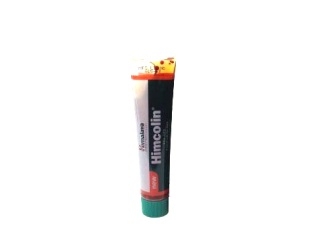
Himcolin (How it Works, Uses, Dosing & Safety) – UK Pharmacy Guide
Himcolin is a medicine used to help relieve symptoms related to digestive and gastrointestinal conditions. This page explains what Himcolin is, how it works, how it is typically taken, and important safety information—written in a patient-friendly way for people in the United Kingdom.
Always read the patient information leaflet supplied with your medicine and follow the advice of your healthcare professional if you are unsure. Information below is general and may not replace personalised medical guidance.
Quick Overview
- Medicine name: Himcolin
- What it’s for: Helps manage certain gastrointestinal symptoms (commonly associated with spasm, cramps, or discomfort).
- How it works: Acts on smooth muscle activity in the gut to reduce cramping/spasm.
- Typical use: Symptom relief for eligible digestive conditions, usually for short-term or as directed.
- Availability: Depending on formulation and regulation, may be sold in pharmacies or through permitted channels.
Basic Product Information
In the UK, Himcolin is sold under the brand name Himcolin. The exact strength, dosage form, and active ingredients may vary by product presentation (for example, tablets vs capsules). For the most accurate details, check:
- The strength listed on the pack
- The active ingredient(s)
- The expiry date and storage instructions
- Any specific instructions on how to take (e.g., with water, after food)
If you have questions about your specific pack, consult a pharmacist or your medicines information.
How Himcolin Works (Mechanism of Action)
Many digestive discomforts involve spasm (sudden tightening) of smooth muscle in the gastrointestinal tract. Himcolin works by helping to reduce spasm and cramp-like pain, supporting more comfortable gut function.
In practical terms, this can mean:
- Less “twinging” or cramping sensation
- Improved comfort during periods when symptoms flare
- Better tolerability of meals when discomfort is linked to gut spasm
Note: If your symptoms are caused by infection, inflammation, or another condition, Himcolin may not address the root cause. Persistent or severe symptoms require medical assessment.
Pharmacokinetics (What the Body Does to the Medicine)
Pharmacokinetics describes how the body absorbs, distributes, metabolises, and eliminates a medicine. Exact values can vary by formulation and individual patient factors. In general, medicines like Himcolin are:
- Absorbed through the gastrointestinal tract after taking a dose
- Distributed throughout the body, including to tissues where smooth muscle activity occurs
- Metabolised primarily in the liver (or via normal body metabolic pathways)
- Eliminated largely through the kidneys and/or bile, depending on the active ingredient
Factors that can affect how you respond include age, liver or kidney function, other medicines, and whether you take the dose with food. If you have liver or kidney problems, ask a pharmacist whether any dose adjustment is needed.
Typical Use & Indications
Himcolin is typically used for symptom relief of certain gastrointestinal conditions where spasm and cramping are part of the picture.
Indications may include:
- Cramp-like abdominal discomfort
- Gastrointestinal spasm symptoms
- Episodes of bowel discomfort where your clinician has advised an antispasmodic approach
If you are unsure whether your symptoms match the intended use of Himcolin, it’s best to ask a pharmacist. Seek medical help urgently if you have:
- Severe or worsening abdominal pain
- Blood in vomit or stools
- Persistent vomiting
- High fever
- Signs of dehydration (e.g., dizziness, reduced urination)
- Unexplained weight loss
- Symptoms lasting longer than advised for self-care
When to Take Himcolin (Timing & Treatment Rhythm)
Follow the instructions on the pack or the directions given by your healthcare professional. Many patients take doses at regular intervals during symptom episodes.
If you take Himcolin as directed for spasm-related discomfort, timing guidance commonly follows patterns such as:
- Start when symptoms begin, rather than waiting until discomfort is severe.
- Space doses evenly across the day if multiple doses are recommended.
- If symptoms improve, some people continue for the advised course length—avoid taking longer than recommended without advice.
Missed dose: If you miss a dose, take it when you remember unless it is close to the next scheduled dose. Do not take a double dose to make up for a missed one.
Dosing (How Much to Take)
The correct dose depends on the specific Himcolin presentation and your age/health status. Because formulations can differ, always follow your pack strength and instructions.
General dosing principles:
- Use the lowest effective dose for the shortest time needed.
- Do not exceed the maximum daily dose stated on the pack.
- If symptoms are not improving as expected, stop self-treatment and seek advice.
Children and adolescents: Dosing for younger age groups must be guided by the pack instructions and professional advice. Many medicines have age limits or require weight-based dosing.
Older adults: Older patients may be more sensitive to side effects. If you are elderly, consider speaking to a pharmacist before starting.
Food Interactions (Can You Take Himcolin With Meals?)
Food interactions can affect absorption and how quickly a medicine begins to work. With medicines like Himcolin, the practical question is whether it should be taken with or without food.
In many cases, gastrointestinal medicines can be taken with water and may be taken:
- With food if it helps reduce stomach discomfort
- On an empty stomach if the product leaflet recommends it
Best approach: Check the instructions for your exact product. If the leaflet states “take after food” or “take before meals,” follow that guidance.
If you notice that symptoms flare after certain foods, consider discussing a diet approach with a pharmacist or clinician. Do not change multiple variables at once—keep notes so you can identify triggers.
Alcohol and Medicine Interactions
Alcohol may worsen stomach irritation and can increase dizziness or drowsiness with some medicines. Although a direct interaction depends on the active ingredient, a cautious approach is recommended.
- Avoid or limit alcohol while taking Himcolin, especially if you feel light-headed or unwell.
- If you drink alcohol regularly, discuss with a pharmacist—especially if you take other medicines.
- Do not use alcohol to “test” your tolerance; some side effects are delayed.
Other medicines: Always tell your pharmacist about all medicines you take, including:
- Over-the-counter treatments (including herbal products)
- Antacids, acid reducers, or laxatives
- Antidepressants, antihistamines, or sleep medicines
- Antibiotics or antifungals
Interactions can occur even when medicines treat different conditions. Your pharmacist can check for suitability.
Safety Profile (Side Effects & Who Should Be Cautious)
Like all medicines, Himcolin can cause side effects, although not everyone gets them. The side effects below are general examples—always refer to your pack leaflet for the complete list.
Common Side Effects
- Mild stomach-related effects (e.g., bloating or digestive changes)
- Headache
- Dry mouth or altered comfort in the mouth (depending on the active ingredient)
Less Common / Serious Side Effects
Stop taking the medicine and seek urgent advice if you develop:
- Allergic reaction symptoms (e.g., swelling of face/lips, rash, breathing difficulty)
- Severe constipation, inability to pass stools or wind with worsening pain
- Confusion or marked drowsiness (especially in older adults)
- Heart rhythm symptoms (e.g., palpitations, fainting)
Who Should Be Extra Careful
- People with a history of bowel obstruction or severe constipation
- People with certain bowel motility disorders
- Those with glaucoma (if relevant to the active ingredient)
- People with urinary retention or prostate-related urinary issues
- Anyone with significant liver or kidney impairment
If any apply to you, speak with a pharmacist before starting Himcolin.
Practical Use Tips (Getting the Best Results Safely)
- Start at the right time: Take Himcolin when symptoms begin, as advised—avoid waiting until pain is extreme.
- Use a symptom diary: Note what you ate, stress level, bowel habits, and when you take each dose. This helps identify patterns.
- Stay hydrated: If you have diarrhoea or vomiting, dehydration can worsen symptoms.
- Check your triggers: Fatty foods, large meals, and certain drinks can worsen cramps for some people.
- Don’t combine indiscriminately: Avoid taking multiple antispasmodic or pain-relief products at the same time unless advised.
- Monitor improvement: If you’re not improving within the expected timeframe (as described in the leaflet), seek advice.
If you are using Himcolin alongside dietary changes, keep those changes simple and gradual. Rapid changes can confuse what helped.
Alternative Options (Depending on Your Symptoms)
Depending on the cause of your digestive discomfort, alternative approaches may include:
- Other antispasmodics: Different active ingredients can be used for spasm-related symptoms.
- Acid-related therapies: If discomfort is linked to reflux or acidity, medicines targeting acid may be more appropriate.
- Laxatives or stool softeners: If symptoms are linked to constipation, a constipation-focused plan may work better.
- Simple self-care: Hydration, smaller meals, avoiding known triggers, and oral rehydration solutions for gastroenteritis.
- Condition-specific care: For IBS, inflammatory bowel disease, or infections, treatment may be tailored.
Because the “right” alternative depends heavily on the cause, it’s wise to consult a pharmacist— especially if symptoms are recurring or you have warning signs.
UK Market & Legal Context (What to Expect in the United Kingdom)
Medicines in the UK are regulated to ensure quality, safety, and appropriate supply. Depending on the product’s classification:
- Some medicines are supplied by pharmacies under pharmacist supervision.
- Some are available from registered online pharmacies after identity and medicines checks.
- Safety requirements may include additional information gathering, age checks, and advice for suitable use.
For online purchasing, reputable UK pharmacy websites typically require:
- Customer details and delivery address
- Medicines history information (where needed)
- Confirmation you understand how to use the medicine safely
If you are unsure about eligibility to buy Himcolin online, contact the pharmacy’s customer support or a pharmacist.
Recent Guidance & When to Get Help
While guidance can change, common UK safety principles for digestive medicines include:
- Do not self-treat long-term: If symptoms persist or recur frequently, seek medical advice.
- Look for red flags: Blood, severe pain, fever, significant weight loss, or dehydration require prompt assessment.
- Check age and comorbidities: Side effects risk can be higher in older adults and those with certain medical conditions.
- Medication review: Review all current medicines to avoid avoidable interactions.
If you have persistent abdominal pain, frequent bowel changes, or symptoms that interfere with daily life, a clinician can help determine the underlying cause.
Delivery & Availability (UK Online Pharmacy)
Availability of Himcolin may vary depending on demand, the exact formulation, and supply logistics. When ordering from an authorised UK pharmacy:
- Delivery: Typically made by tracked courier or standard post, depending on the service selected at checkout.
- Packaging: Delivered in secure, tamper-evident packaging where required.
- Cold-chain: Not usually required for typical tablet/capsule products, but always check the pack instructions.
On most online pharmacy sites you may see:
- Stock status (in stock / limited stock)
- Estimated delivery window
- Tracking information after dispatch
If you need your medicine urgently, choose the fastest delivery option offered, and check any cut-off times for dispatch.
FAQs About Himcolin
1) What is Himcolin used for?
Himcolin is used to relieve symptoms related to gastrointestinal discomfort, particularly where spasm or cramping is involved. If your symptoms are caused by something else (such as infection or inflammation), you may need different treatment.
2) How fast does Himcolin work?
Many people notice improvement within a short time after taking a dose, but timing varies by person and by formulation. Follow the dosing schedule on the pack and seek advice if there is no improvement as expected.
3) Can I take Himcolin with food?
It depends on the instructions for your specific product. Some people take it with food to reduce stomach discomfort, while others take it before meals. Check the leaflet directions and follow them.
4) Can I drink alcohol while taking Himcolin?
It’s generally best to avoid or limit alcohol while using Himcolin. Alcohol can worsen stomach irritation and may increase side effects like dizziness in some people. If you want to drink, discuss your situation with a pharmacist.
5) What should I do if I miss a dose?
Take it when you remember unless it is near the time of your next dose. Do not take a double dose to compensate for a missed one.
6) Are there any side effects?
Side effects can occur. Common effects may include mild digestive changes or headache, while serious symptoms (such as allergic reactions, severe constipation, or breathing difficulties) require urgent medical attention. Always read the leaflet for the full list.
7) Who should not take Himcolin or should ask first?
People with certain bowel problems, urinary retention, glaucoma (depending on active ingredient), or significant liver/kidney issues should get pharmacist advice before use. If you are unsure, ask before taking.
8) Can I use Himcolin for long periods?
Himcolin is intended for symptom relief. If symptoms continue, recur frequently, or you need it for longer than the recommended timeframe, consult a clinician to investigate the underlying cause.
9) Is Himcolin safe in pregnancy or breastfeeding?
Safety in pregnancy and breastfeeding depends on the active ingredient and dose. Check the pack leaflet and speak with a pharmacist or clinician for advice tailored to your circumstances.
10) What if my symptoms are severe or getting worse?
If you have severe abdominal pain, blood in stools/vomit, high fever, persistent vomiting, or signs of dehydration, seek urgent medical care.
Summary
Himcolin may help relieve gastrointestinal discomfort associated with spasm and cramping. It works by supporting smoother gut muscle activity, and its dosing should follow your pack instructions. For best results:
- Take it at the right time and follow the recommended dose.
- Check guidance on food and alcohol use.
- Be alert for warning signs and seek help if symptoms are severe or persistent.
- Consider alternatives or further assessment if symptoms recur or do not improve.
If you’d like, tell us the symptoms you’re treating (e.g., cramping, bloating, bowel changes) and any other medicines you take, and a pharmacist can help you choose the safest option.