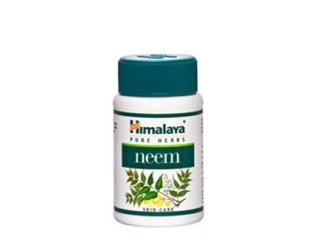
Neem (Azadirachta indica) – Patient-Friendly Guide
Neem is a plant-based product used traditionally for a wide range of health and hygiene purposes. In the UK, “Neem” is commonly sold as herbal products such as capsules, tablets, powders, or topical preparations, depending on the specific manufacturer and product type. This guide explains what neem is, what it may be used for, how it might work, typical dosing approaches, safety considerations, and practical tips for use in the United Kingdom.
Basic product information
- Product name: Neem (commonly derived from Azadirachta indica)
- Common forms in the UK: Capsules/tablets (powdered leaf extract), powders, teas/infusions, and some topical products
- Typical ingredient standard: The active content can vary by brand (e.g., leaf extract strength, standardised compounds such as azadirachtin)
- Origin: Neem is native to parts of South Asia and is now grown in many regions worldwide
Because different products use different extracts and strengths, always check the label for the exact amount of neem per dose and the recommended use instructions.
What neem may do: mechanism of action (how it works)
Neem contains multiple naturally occurring compounds. Although the precise “mechanism of action” depends on the product (leaf, seed, extract type, and standardisation), research suggests neem may influence several biological pathways, including:
- Antimicrobial activity: Neem compounds may help inhibit the growth of certain bacteria and fungi in laboratory studies.
- Anti-inflammatory effects: Some components may contribute to reducing inflammatory responses.
- Antioxidant properties: Neem contains plant antioxidants that help neutralise harmful oxidative stress markers.
- Skin and hygiene support (topical use): Some people use neem-containing preparations to support skin cleansing routines.
- Metabolic support (traditional use): In traditional medicine, neem has been used for “blood sugar” and general metabolic wellness, though evidence varies.
Importantly, neem’s effects can differ from one person to another and by product strength. Always follow the manufacturer’s instructions and speak to a pharmacist or clinician if you have health conditions or take other medicines.
Pharmacokinetics: absorption, distribution, metabolism and excretion
“Pharmacokinetics” describes what the body does to a medicine—how it is absorbed, how long it stays in the body, and how it is processed. For neem, detailed pharmacokinetic data in humans is limited and varies due to:
- Differences in formulations (leaf powder vs seed extract; standardised vs non-standardised extracts)
- Different dosages and ingredient concentrations across brands
- Limited large-scale, high-quality human studies
In general terms, when neem is taken orally:
- Absorption: Plant compounds are absorbed to varying degrees; some components may be poorly absorbed or metabolised quickly.
- Metabolism: Natural compounds are typically broken down in the liver and other tissues into metabolites.
- Excretion: Metabolites are eliminated mainly through the liver/bile and kidneys.
Because human pharmacokinetic profiles are not fully established for all neem products, the safest approach is to follow product-specific guidance, start at the lower end of the recommended range if appropriate, and stop if you experience adverse effects.
Typical uses of neem (UK context)
In the UK, neem is most commonly marketed as a herbal supplement or traditional health product. Typical intended uses can include:
- Skin and scalp hygiene (topical products): cleansing support as part of a routine (depending on product formulation)
- General wellness support: antioxidant and “traditional” support
- Wellbeing routines: some people use neem for general wellbeing, although claims can vary by product and must comply with regulations
- Oral hygiene routines (where applicable): certain tooth/gum products or mouth rinses may contain neem, usually aimed at hygiene support
If you are considering neem for a specific medical condition (for example, diabetes, infections, or inflammatory diseases), it’s important to discuss this with a healthcare professional. Supplements are not a substitute for evidence-based treatment.
Indications (what it is used for)
On UK shelves, neem products typically use wellness wording rather than treating diseases. Examples of common “indication-like” marketing phrases include:
- “Helps maintain healthy skin” (for topical products)
- “Supports immune health” (for certain supplement formulations)
- “Antioxidant support”
- “Traditional support for general wellbeing”
Exact permitted wording depends on product classification, evidence, and UK regulations. Always rely on the label information for the specific product you buy.
How to take neem: dosing and timing
Neem dosing depends strongly on the product form and concentration. Below is general guidance for oral supplements, but always follow your product label.
Typical oral dosing (generalised)
- Adults: Many neem capsules/tablets are taken once daily or divided doses (e.g., once or twice daily), often providing a range of leaf extract or powder per day.
- Start low: If you are new to neem, consider starting at the lower end of the recommended range to monitor tolerance.
- Duration: Many people trial neem for a limited period and reassess. Long-term use should be discussed with a pharmacist or clinician.
If your product includes a clearly stated daily amount (for example, “take X capsules daily”), use that exactly rather than trying to convert “milligrams” without label details.
Timing: when to take neem
Neem can be taken at different times of day depending on what suits you. A common approach for oral products is:
- With food or after meals to reduce the chance of stomach upset.
- Consistency: Take it at similar times each day.
For topical neem products, timing typically means applying at the recommended frequency on clean, dry skin or scalp, following the product instructions.
Food interactions: can neem be taken with meals?
For many neem supplements, food may improve tolerability. While specific interactions are not well characterised across all products, practical guidance is:
- Generally safe with food: Taking neem with a meal can help reduce nausea or stomach discomfort.
- Avoid taking on an empty stomach if you notice indigestion or reflux.
- Monitor if you take multiple supplements: Some products (herbal blends) can increase the chance of side effects.
If your neem product label lists specific “avoid” warnings regarding certain foods or dietary habits, follow those instructions.
Alcohol interactions and other medicine interactions
Because neem is a herbal product and products differ in composition, comprehensive interaction data is limited. Still, it is sensible to consider the following:
Alcohol
- Moderation is advised: If you drink alcohol, consider avoiding neem on heavy drinking days.
- Watch for liver stress symptoms: If you have liver concerns, avoid neem unless your healthcare professional advises otherwise.
- Stop if adverse effects occur: Seek advice if you get unusual fatigue, abdominal pain, yellowing of the skin/eyes, or dark urine.
Interactions with medicines
Neem may theoretically interact with medicines due to possible effects on inflammation pathways or metabolic processes. Reportedly, interactions of concern may include:
- Medicines affecting blood glucose: If neem is used for “blood sugar” support, it may theoretically affect glucose control.
- Medicines affecting blood pressure: Some herbal products can influence circulation; monitor if you are on antihypertensives.
- Blood-thinning medicines: If you take anticoagulants or antiplatelets, ask a pharmacist before starting neem.
- Immunosuppressants: If you are on medication that suppresses the immune system (e.g., after organ transplant), consult a clinician before using herbal supplements.
If you take any regular medicines, especially for chronic conditions, it’s best to check with a pharmacist and provide the exact product name and ingredient strength.
Safety profile: who should be cautious?
Neem is widely used, but it is not automatically “safe for everyone.” Safety depends on dose, product type, and individual health factors. Some forms of neem—particularly seed/skin/“high potency” preparations—may be more risky than leaf-based extracts, and quality varies between brands.
Common side effects (may occur)
- Stomach upset (nausea, cramps, diarrhoea)
- Headache or dizziness
- Skin irritation with topical products
- Allergic reactions (rare): rash, itching, swelling, wheezing
Serious warning signs (stop and seek help)
- Severe or persistent vomiting/diarrhoea
- Swelling of the face or throat, difficulty breathing
- Signs of liver issues: yellow skin/eyes, severe right-sided abdominal pain, dark urine
- Worsening of a pre-existing medical condition
People who should avoid or seek medical advice first
- Pregnancy and breastfeeding: Avoid unless your healthcare professional specifically advises use.
- Children: Only use if a qualified healthcare professional recommends a suitable product and dosing.
- People with liver disease: Extra caution is needed; consult a clinician before taking oral neem.
- People with planned surgery: Herbal supplements can affect bleeding or anaesthesia indirectly; discuss in advance.
- Those on multiple medications: The risk of interaction increases with polypharmacy.
If you are unsure about safety for your situation, speak to a pharmacist. For topical use, perform a patch test first.
Practical use tips (getting the best experience)
- Choose reputable brands: Prefer products with clear ingredient lists, batch information, and quality testing claims.
- Start slowly: Begin with the lower end of the recommended dose to assess tolerance.
- Be consistent: Take at the same time each day. If you forget, don’t double up.
- Pair with good hygiene routines: For skin/scalp products, combine with appropriate cleansing and moisturising.
- Track your response: Note any benefits and any side effects over 2–4 weeks.
- Stop if you feel unwell: If you experience stomach upset or allergic symptoms, stop and seek advice.
Remember: supplements can take time, and “more” is not always “better.” Follow label dosing.
Alternative options
Depending on what you are using neem for, there may be safer or more targeted options. Alternatives can include:
- For skin hygiene: ingredients such as salicylic acid (for oily/acne-prone skin), gentle cleansers, or products containing recognised moisturising agents
- For oral hygiene routines: products designed for gum/teeth health (e.g., fluoride-containing options)
- For general wellness: a balanced diet, adequate sleep, and evidence-based interventions (where relevant)
- For infection concerns: seek appropriate medical advice—supplements are not a substitute for treating infections
If you tell us your goal (e.g., skin concerns, general wellbeing), we can help you identify products that better match your needs and may be more appropriate based on your health profile.
Market and legal context in the United Kingdom
In the UK, herbal and plant-based products are generally regulated under food supplement and consumer product frameworks, depending on the exact type and claims made on the label. Key points include:
- Labelling and permitted claims: Supplement manufacturers must comply with rules around health claims and marketing wording.
- Product classification: Neem may be sold as a food supplement, herbal remedy, or cosmetic/topical product depending on formulation and intended use.
- Safety and quality expectations: Reputable manufacturers follow good manufacturing practice and provide traceable ingredients.
Always check the product description on the box and the manufacturer’s details. Avoid products with vague composition or missing batch/ingredient information.
Recent guidance and what to watch for
Guidance in the UK and across Europe continues to emphasise:
- Evidence-based claims: Health claims must be supported and phrasing must not mislead consumers.
- Safety monitoring: Consumers are encouraged to report suspected adverse effects to the relevant authorities and to discontinue use if harmful effects occur.
- Quality and contamination concerns: Herbal supplements can vary in quality; choose brands with clear sourcing and testing.
If you are using multiple herbal products, consider consolidating and simplifying your routine to help identify what may cause side effects.
Delivery and availability in the UK
Neem products are typically widely available through UK online pharmacies and specialist retailers, with delivery options varying by supplier. Availability may depend on:
- Product form (capsules vs powder vs topical)
- Brand and pack size
- Stock levels and seasonal demand
On this website, delivery times are usually shown at checkout. Shipping costs and estimated delivery windows vary by postcode and carrier service. If a product is temporarily out of stock, sign up for restock alerts where available.
Summary: who neem may suit and when to seek advice
- May suit: adults seeking plant-based supplement support and able to follow label directions.
- Use with caution: pregnancy/breastfeeding, children, liver conditions, and anyone taking regular medicines.
- Seek advice: if you have a medical condition, take multiple medicines, or experience adverse effects.
Quick reference table
| Category | What to know |
|---|---|
| What it is | Plant-based product from Azadirachta indica, used as a supplement or topical depending on the item. |
| How it may work | Antimicrobial, anti-inflammatory and antioxidant actions are proposed, varying by extract type. |
| How to take | Follow the label. Many people take oral products with meals to improve tolerability. |
| Key interactions | Interaction data is limited—extra caution if you take blood glucose, blood pressure, anticoagulants, or immunosuppressants. |
| Alcohol | Moderation advised. Stop and seek help for signs of liver problems or severe symptoms. |
| Common side effects | Stomach upset; skin irritation for topical products; rarely allergy. |
| Not suitable for | Pregnancy/breastfeeding and children unless advised; extra caution with liver disease. |
FAQ
1) Is neem the same as neem oil?
Not always. Neem oil is a specific oil extracted from neem seeds and can be much more concentrated. Many neem supplements use leaf powder or extracts rather than oil. Check the product label for the exact ingredient source and whether it is intended for oral use or topical use only.
2) How long does it take to notice benefits?
This depends on the reason for taking neem and the product form. For general wellness routines, some people notice changes within a few weeks, while others may notice nothing. For topical concerns, visible improvements (if any) may take days to weeks. Stop and seek advice if you experience adverse effects.
3) Can I take neem every day?
Many products are designed for daily use, but the safest approach is to follow the label and avoid exceeding the recommended dose. If you plan long-term use, consider discussing it with a pharmacist—particularly if you take other medicines.
4) What should I do if I miss a dose?
If you miss a dose, take it when you remember unless it is close to your next dose. Do not take a double dose to make up for the missed amount.
5) Can neem interact with my other supplements?
Yes, this is possible. Herbal blends can increase the total burden of active compounds and raise the risk of side effects. If you take multiple supplements, introduce them one at a time so you can identify what may cause problems.
6) Is neem safe for people with diabetes?
Neem is sometimes used traditionally for metabolic support, but it may theoretically affect glucose control. If you have diabetes or take glucose-lowering medicines, speak with a pharmacist or clinician before using neem to ensure safe monitoring.
7) Can I use neem on sensitive skin?
Some people tolerate neem-based topical products well, while others may develop irritation or allergy. Perform a patch test first: apply a small amount to a limited area and observe for 24–48 hours. Stop use if redness, itching, or swelling occurs.
8) Are there any storage or usage tips?
Keep products in a cool, dry place away from direct sunlight. For topical products, keep the container tightly closed and follow expiry dates. If the product changes colour, odour, or consistency, do not use it.
9) What’s the best way to choose a neem product in the UK?
Look for:
- Clear ingredient listing and the amount per serving
- Manufacturer information and batch/quality details
- A reputable brand with transparent sourcing
- Labelling that matches your intended use (oral vs topical)
10) When should I stop neem and seek help?
Stop use and seek medical advice if you experience severe diarrhoea/vomiting, signs of allergy, breathing difficulties, or symptoms suggestive of liver problems (e.g., jaundice, dark urine, persistent upper abdominal pain).
Important note: This information is general and does not replace advice from a healthcare professional. If you have any underlying condition, are pregnant/breastfeeding, or take regular medicines, check with a pharmacist before using neem.