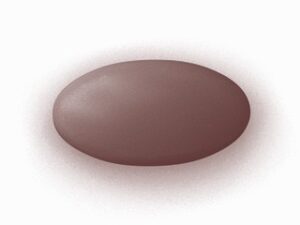
Cyproterone acetate + Ethinylestradiol (Combined oral contraceptive)
Cyproterone acetate and ethinylestradiol is a combined oral medicine used in the United Kingdom as a contraceptive and, in some circumstances, to help manage symptoms related to hormone imbalance. It contains two hormones: cyproterone acetate and ethinylestradiol.
This page explains what the medicine is, how it works, how the body processes it, how to take it, what to expect, and important safety information. Always read the patient information leaflet supplied with your medicine and follow the advice of a healthcare professional.
Key product information
| Category | Details |
|---|---|
| Medicinal components | Cyproterone acetate + Ethinylestradiol |
| Type | Combined oral hormonal medicine (combined oral contraceptive) |
| How it’s taken | By mouth, once daily |
| Common use | Contraception; sometimes for androgen-related conditions when appropriate |
| Typical regimen | Consecutive days followed by a hormone-free interval or placebo phase (depends on brand) |
| Availability in the UK | Prescription medicines in the UK; may vary by brand and strength |
How it works (mechanism of action)
Cyproterone acetate and ethinylestradiol work together to prevent pregnancy and can reduce hormone-driven symptoms. The combined hormones act in several ways:
- Prevents ovulation: Ethinylestradiol and cyproterone acetate help keep ovary hormone signalling at a level that suppresses ovulation.
- Thickens cervical mucus: This makes it harder for sperm to enter the uterus.
- Changes the uterine lining: The endometrium becomes less suitable for implantation.
- Reduces effects of androgens: Cyproterone acetate is an anti-androgen. By blocking androgen effects, it may help in conditions where symptoms are influenced by higher androgen activity (as advised by a clinician).
Pharmacokinetics (how the body handles it)
“Pharmacokinetics” describes absorption, distribution, metabolism, and elimination. Exact values can vary by person and formulation, but the key points are below:
Absorption
- After oral administration, both components are absorbed from the gastrointestinal tract.
- Food may modestly affect absorption; taking consistently at the same time each day helps maintain steady hormone levels.
Distribution
- Ethinylestradiol is highly bound to plasma proteins (particularly sex hormone-binding globulin).
- Cyproterone acetate is also protein-bound; binding influences how the hormones circulate in the body.
Metabolism
- Both hormones are metabolised mainly in the liver.
- They are processed by enzyme systems that can be influenced by other medicines, which is why some drug interactions are important (for example, certain anti-epileptics and some antibiotics/antifungals).
Elimination
- Metabolites are eliminated mostly through bile and faeces, with some cleared via urine.
- Because these hormones are processed over time, missed doses can reduce contraceptive reliability—particularly if misses happen early in a cycle or if vomiting/diarrhoea affects absorption.
Typical use and what it is prescribed for
In the UK, cyproterone acetate and ethinylestradiol may be used for:
- Contraception (to prevent pregnancy).
- Androgen-related conditions such as certain forms of acne or unwanted hair growth, when symptoms are influenced by androgen activity and when the medicine is considered appropriate by a healthcare professional.
Whether it’s suitable for you depends on your health history (for example smoking status, migraine history, clotting risk, blood pressure, and other medical conditions).
When and how to start (timing)
Timing depends on where you are in your menstrual cycle, whether you have switched from another contraceptive, and whether you have recently had a baby or stopped another method. In general, follow the specific instructions in your medicine leaflet.
Starting for contraception
- You may start on a particular day of your cycle (commonly within the first few days of bleeding) or on the day advised by your clinician.
- If you do not start at the recommended time, you may need extra contraception (such as condoms) for a period (the exact time can vary by regimen and when you start).
Consistency matters
Take one tablet each day. Consistent daily use helps keep hormone levels stable and improves contraceptive reliability.
Dosing (how to take it)
The dosing schedule depends on the specific brand and pack type. Most regimens follow a daily pattern across a set number of days. Many combined pills involve:
- One tablet daily for a defined period, then
- a break or placebo phase (or a hormone-free interval) that leads to bleeding, then
- starting a new pack at the scheduled time.
Important: Different products may have different hormone strengths and schedules. Always follow the dosing described on your specific pack and leaflet.
If you miss a dose
Missed doses can reduce effectiveness. The right action depends on how many tablets were missed and how late you are in the pack. If you’ve missed tablets:
- Check the leaflet “missed tablets” guidance for your specific product.
- Consider using condoms (extra barrier contraception) for the recommended time after missed tablets.
- If you have vomiting or severe diarrhoea shortly after taking a tablet, treat it like a missed dose (follow leaflet advice).
If you are unsure, seek advice from a pharmacist or clinician promptly.
Food interactions and lifestyle
Most people can take cyproterone acetate and ethinylestradiol with or without food. However:
- Taking it consistently at the same time each day can reduce missed-dose risk.
- If you experience vomiting soon after taking your tablet, hormone absorption may be reduced—see the leaflet guidance.
- There are no specific dietary “rules” for this medicine, but maintaining general health (hydration, balanced diet) supports wellbeing.
Alcohol and medicine interactions
Alcohol
Moderate alcohol use usually does not directly reduce contraceptive effectiveness. However, alcohol may indirectly affect outcomes by increasing the chance of missing doses or worsening side effects in some people.
- If you drink alcohol, try to keep your daily dosing routine steady.
- Seek medical advice if you have liver conditions or if alcohol use is heavy, as hormone medicines are processed by the liver.
Other medicines (key interaction concept)
Some medicines can reduce the effectiveness of combined oral contraceptives by increasing hormone metabolism, or they may increase side effects. Particularly important categories include:
- Anti-epileptics (some can lower hormone levels).
- Some antibiotics and antifungals (interaction potential varies; check your leaflet).
- Medicines for HIV or hepatitis C (complex interaction potential).
- St John’s wort (herbal remedy) can reduce contraceptive effectiveness.
Always tell your pharmacist about all medicines and supplements you use (including herbal products).
Indications and suitability (who it may be for)
This combined hormone product is suitable only for certain people. A clinician will consider:
- Your age and smoking status
- History of blood clots or clotting disorders
- History of migraine (especially migraine with aura)
- Blood pressure and cardiovascular risk factors
- Liver disease or jaundice history
- Other conditions and medicines that could increase risk or affect hormone levels
If any “risk” symptoms develop (see safety profile below), stop and seek urgent advice where appropriate.
Safety profile: important warnings
Like all combined hormonal medicines, cyproterone acetate and ethinylestradiol can be associated with serious but uncommon risks, including blood clots. It is important to understand the warning signs and to know when to get help.
Risk of blood clots (venous thromboembolism)
Combined oral contraceptives increase the risk of blood clots in the veins compared with not using them. Risk is higher in certain situations, such as:
- Smoking
- Older age
- Personal or family history of clots
- Prolonged immobility or major surgery
- Obesity
- Some clotting disorders
- During the postpartum period
Seek urgent medical help if you notice symptoms such as:
- Leg swelling or pain (especially one-sided), warmth, or redness
- Sudden shortness of breath, chest pain, coughing blood
- Sudden weakness or numbness on one side of the body, trouble speaking, sudden vision changes
- Severe sudden headache or dizziness/fainting
Arterial clot (stroke/heart attack) risk
The risk of arterial clots can be increased by factors such as smoking, uncontrolled hypertension, and migraine with aura.
Liver effects and jaundice
- If you develop yellowing of the skin or eyes, severe abdominal pain, or dark urine, seek medical advice promptly.
- Inform your clinician if you have liver conditions or a history of liver-related problems.
Other possible side effects
Common or non-serious side effects may include:
- Breast tenderness
- Nausea
- Headache
- Changes in bleeding pattern (spotting or irregular bleeding, particularly in the first months)
- Mood changes
- Water retention or bloating
Less common but important issues include persistent severe abdominal pain, significant mood changes, or signs of allergy.
When to stop and seek medical advice
- Any symptoms suggesting blood clots or stroke/heart attack
- New or worsening migraine, especially migraine with aura
- Severe or persistent abdominal symptoms
- Symptoms of liver problems (yellowing, severe pain, dark urine)
Don’t ignore warning symptoms. Combined pills are effective, but safety depends on recognising problems early.
Practical use tips
- Choose a consistent time: Many people find mornings or evenings help. Use a phone reminder if needed.
- Track your bleeding pattern: Spotting can be normal early on, but persistent heavy bleeding should be checked.
- Plan for illness: If you have vomiting/diarrhoea, follow the leaflet advice on temporary extra contraception.
- Managing missed tablets: Keep the leaflet accessible; it includes step-by-step actions for missed doses.
- Check medicine interactions: Before starting any new medicine or herbal remedy, ask a pharmacist.
- After travel or immobility: If you have long flights or bed rest, discuss clot risk—particularly if you have additional risk factors.
Alternative options
If cyproterone acetate and ethinylestradiol is not suitable, there are alternative contraceptive and hormone-related options. Your choice depends on your goals (contraception only vs acne/androgen symptoms), health background, and preferences.
Contraceptive alternatives
- Progestogen-only pill (different rules for missed pills)
- Long-acting reversible contraception such as implants or intrauterine systems (IUS)
- Injection contraceptives
- Barrier methods such as condoms (also help protect against sexually transmitted infections)
- Non-hormonal options including copper intrauterine devices
For androgen-related symptoms
- Some conditions may be managed with other hormonal regimens or non-hormonal treatments (for example, certain dermatology treatments).
- A clinician can recommend an approach based on severity, age, and risks.
If you’re considering alternatives, speak with a healthcare professional to balance effectiveness, benefits, and safety for your circumstances.
UK market and legal context (general overview)
In the United Kingdom, combined oral contraceptives containing cyproterone acetate and ethinylestradiol are regulated medicines. Their availability, brand names, and presentation can vary. Such medicines are typically supplied under healthcare guidance to ensure they are appropriate for individual risk profiles.
Healthcare providers and regulators in the UK monitor safety information related to hormonal contraceptives and may update advice as new evidence emerges. It’s important to keep your medicine leaflet and follow current clinician guidance.
Recent guidance and evolving safety considerations
Over recent years, European and UK regulators have issued updates and communications about the benefit–risk balance of hormone medicines, particularly regarding clotting risks and product-specific considerations.
- The general message remains: combined hormonal contraception is effective, but individual risk factors must be assessed before use and reviewed over time.
- If you develop new risk factors (for example, migraine with aura, uncontrolled high blood pressure, or new clot symptoms), you should seek medical review promptly.
- Always follow the latest advice in your medicine leaflet and on trusted UK health information sources.
If you have questions about whether the product remains suitable for you, a pharmacist or clinician can review your personal risk factors.
Delivery and availability in the UK
In the UK, access to medicines like cyproterone acetate and ethinylestradiol is governed by medicine regulation and healthcare pathways. Online pharmacies may provide information and facilitate supply where appropriate and permitted by law.
Availability may depend on:
- Brand and pack size
- Strength and dosing schedule
- Stock levels
- Your country/region within the UK
Delivery times can vary. Many online pharmacies offer options such as standard and tracked delivery. At checkout, you should see the estimated dispatch and delivery window.
Storage: Store at room temperature as indicated on the pack. Keep out of the sight and reach of children.
FAQ
Is cyproterone acetate and ethinylestradiol the same as other combined pills?
It is a combined oral medicine like other combined pills, but different products can contain different progestogens and have different regimens. Always use the leaflet for your specific brand and dose schedule.
How quickly does it work?
Effectiveness depends on when you start in relation to your menstrual cycle and whether you start within the recommended timing. Some people need extra contraception for a short period after starting. Check your leaflet for the correct guidance.
What should I do if I vomit or have severe diarrhoea after taking a tablet?
Vomiting or severe diarrhoea soon after taking your tablet can reduce absorption. Treat it as a missed tablet according to the guidance in your leaflet, and consider using extra contraception until you have taken enough tablets correctly.
Can I take it with food?
Usually yes. Food is not typically a major issue, but consistency and following leaflet advice are key—especially if you experience vomiting.
Can I drink alcohol while taking it?
Moderate alcohol use generally does not directly affect effectiveness. However, heavy drinking may increase the chance of missing doses or worsen side effects. Keep your daily tablet routine as steady as possible.
What interactions are most important?
Medicines that affect liver enzymes can reduce contraceptive effectiveness. Herbal products such as St John’s wort are also known to reduce effectiveness. Always check with a pharmacist when starting new medicines.
What if I miss tablets?
Follow the missed-tablet instructions in your leaflet for your specific product. The correct action depends on how many tablets were missed and when. In many cases, extra contraception is needed for a period, and you may need a pregnancy test if unprotected sex occurred.
Does this medicine help with acne or unwanted hair?
Cyproterone acetate has anti-androgen activity, so it can help androgen-related symptoms in some people when the product is considered appropriate. Management varies by condition severity and individual suitability.
Are there warning signs I should watch for?
Yes. Seek urgent medical advice for symptoms that could indicate a blood clot, stroke, or heart problem—such as sudden shortness of breath, chest pain, leg swelling, severe headache, or one-sided weakness.
Where can I get more help?
If you have questions about use, missed doses, side effects, or interactions, speak to a pharmacist. For emergency symptoms, use local emergency services.