

Methimazole (Antithyroid Medicine) — Patient Information (UK)
Methimazole is a medicine used to treat certain conditions caused by an overactive thyroid gland (hyperthyroidism). It helps reduce the amount of thyroid hormone your body produces, helping to relieve symptoms such as palpitations, weight loss, tremor and heat intolerance.
This guide is designed to be patient-friendly and to explain how methimazole works, how it is usually taken, what to expect, and what safety considerations apply in the United Kingdom.
1. Basic product information
- Active ingredient: Methimazole
- Common use: Hyperthyroidism due to conditions such as Graves’ disease and toxic goitre (as advised by a clinician)
- Medicine type: Antithyroid (thyroid hormone synthesis inhibitor)
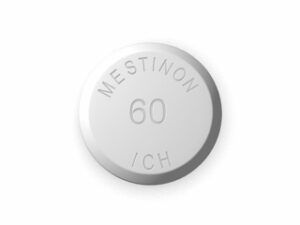
- Typical formulation: Tablets of different strengths (exact strengths vary by product)
- Availability in the UK: Generally available through pharmacies; stock and brand may vary
Note: Brand names and strengths vary. Always check the packaging for the specific strength and dosing instructions given with your product.
2. How methimazole works (mechanism of action)
Methimazole belongs to a group of medicines that reduce thyroid hormone production. It works mainly in the thyroid gland by interfering with the enzymes involved in hormone synthesis.
- Methimazole helps block thyroid peroxidase, an important enzyme needed for producing the thyroid hormones thyroxine (T4) and triiodothyronine (T3).
- By reducing T3 and T4 production, it allows the body’s thyroid hormone levels to return toward normal.
- As hormone levels fall, many symptoms gradually improve.
Important: Methimazole controls production of new thyroid hormones. It does not instantly remove already-formed hormones from the body, which is why effects can take time to become noticeable.
3. Pharmacokinetics (how the body handles methimazole)
Pharmacokinetics describes how a medicine is absorbed, distributed, metabolised and eliminated.
- Absorption: Methimazole is taken by mouth and is absorbed from the gastrointestinal tract.
- Distribution: It distributes through the body and reaches the thyroid gland to exert its effect.
- Metabolism: It is metabolised in the liver.
- Elimination: Methimazole and its metabolites are eliminated mainly via the kidneys and/or in urine.
Practical implication: Your clinician may adjust dose or monitoring frequency if you have liver or kidney problems, or if you are taking interacting medicines.
4. Typical uses and indications (what it treats)
Methimazole is used to treat hyperthyroidism, including conditions such as:
- Graves’ disease (an autoimmune cause of overactive thyroid)
- Toxic goitre (enlarged thyroid producing excess hormone)
- Other causes of thyrotoxicosis where antithyroid therapy is considered appropriate
In some treatment plans, methimazole may be used to manage thyroid levels before other interventions (for example, specialist procedures). Your exact plan depends on your diagnosis, age, severity, and response to therapy.
5. When it starts working and timing (what to expect)
How quickly methimazole works varies from person to person. In many cases:
- First days to 1–2 weeks: You may begin to notice gradual symptom improvement, though thyroid hormone levels may still be elevated initially.
- Weeks: Blood test results typically show improvement over several weeks as thyroid hormone production declines.
- Ongoing weeks to months: Dose adjustments may be needed to maintain thyroid hormones within the target range.
Symptom control: Some symptoms (such as fast heartbeat) may be managed separately in the short term by other medicines while methimazole begins to work. This depends on your individual situation.
6. How to take methimazole (dosing overview)
Dosing depends on your diagnosis, severity, age, and blood test results. Your dose may be changed as your thyroid levels stabilise.
General dosing principles
- Start low and adjust: Clinicians commonly start with a dose intended to bring thyroid hormone levels down, then adjust based on follow-up blood tests.
- Regular blood monitoring: Monitoring is crucial to ensure levels are neither too high nor suppressed too far.
- Follow the schedule: Take the medicine consistently at the times recommended.
Typical dosing schedule (examples)
There is no single universal dose. Common regimens in hyperthyroidism involve daily dosing, sometimes divided into multiple doses. Your exact dosing instructions should be based on your personal plan.
Do not change your dose without medical advice, even if symptoms improve—because thyroid hormone levels may still be adjusting.
7. Food interactions and taking with meals
Methimazole can generally be taken with or without food, but taking it with food may help reduce stomach upset for some people.
- If you experience nausea or discomfort, try taking methimazole with a light meal.
- Try to take your tablets at the same time each day to maintain consistency.
Seek advice if you have significant gastrointestinal problems, as absorption and tolerance may be affected.
8. Alcohol and medicine interactions
Alcohol
There is no universal rule that you must avoid alcohol completely while taking methimazole, but caution is recommended because:
- Methimazole may affect the liver in rare cases.
- Alcohol can also burden the liver.
Practical advice: If you drink alcohol, consider keeping intake moderate and discuss your situation with a healthcare professional—especially if you have existing liver disease.
Other medicines (important interaction themes)
Methimazole can interact with other medicines indirectly or by increasing the risk of side effects. Tell your pharmacist or clinician about all medicines you take, including over-the-counter products and herbal supplements.
- Blood tests and monitoring medicines: Some medicines can alter thyroid test results indirectly.
- Medicines affecting the immune system: Because methimazole may rarely reduce white blood cells, clinicians may take extra care when combined with other immunomodulating therapies.
- Other antithyroid and thyroid-related medicines: Avoid combining multiple thyroid-altering treatments unless directed in a specialist plan.
Always check for interactions when adding new medicines, including antibiotics, anti-inflammatory drugs, and supplements.
9. Safety profile and side effects
Like all medicines, methimazole can cause side effects. Many people tolerate it well, but some adverse reactions can be serious.
Common or expected side effects
- Skin reactions such as rash or itching (tell your clinician if these occur)
- Gastrointestinal symptoms such as nausea or upset stomach
- Headache (in some people)
- Changes in taste (uncommonly)
Serious side effects (seek urgent help)
Seek medical help promptly if you develop signs of a serious reaction, including:
- A sore throat, fever, or frequent infections — may indicate reduced white blood cells (agranulocytosis)
- Unexplained bruising or bleeding — may indicate problems with blood cells
- Yellowing of the skin or eyes, dark urine, or persistent severe fatigue — may indicate liver problems
- Severe rash, blistering, or swelling — may signal a serious skin reaction
Do not ignore these symptoms. If you experience them, contact urgent medical services or your healthcare provider immediately.
When safety concerns are higher
Some situations require extra care, such as:
- Known liver disease or elevated liver enzymes
- History of abnormal blood counts
- Previous serious reaction to antithyroid medicine
10. Practical use tips for day-to-day success
- Keep up with blood tests: Thyroid treatment relies on regular blood monitoring to guide dose adjustments.
- Track symptoms: Note changes such as heart rate, tremor, heat intolerance, weight changes, and energy levels.
- Adhere to timing: Taking your tablets consistently helps maintain stable control.
- Know red flags: Familiarise yourself with symptoms that require urgent medical attention (sore throat/fever; jaundice; severe rash).
- Inform professionals: Tell any healthcare professional you’re taking methimazole before procedures or if you’re prescribed new medicines.
- Pregnancy and breastfeeding: If you are pregnant, planning pregnancy, or breastfeeding, discuss treatment options and monitoring with a clinician promptly.
Note: Specific recommendations vary depending on pregnancy stage and individual risk factors. Always seek personalised advice.
11. Alternative options to methimazole
Depending on your diagnosis and individual circumstances, clinicians may consider other treatments for hyperthyroidism.
Other antithyroid medicines
- Carbimazole (commonly used in the UK; many clinicians choose between carbimazole and methimazole based on availability and patient factors)
Beta-blockers for symptom relief
- Propranolol or similar medicines may help control symptoms like palpitations and tremor, while methimazole works more slowly on hormone production.
Definitive treatments
- Radioactive iodine (in suitable patients)
- Surgery (thyroidectomy) in selected cases
Your specialist will consider factors such as severity, age, comorbidities, pregnancy plans, and thyroid size.
12. UK market and legal context (how methimazole is supplied)
In the United Kingdom, medicines are regulated by the Medicines and Healthcare products Regulatory Agency (MHRA) and are classified based on legal status (for example, prescription-only or other categories). Supply models for thyroid medicines and antithyroid therapies may vary.
Online pharmacy availability may depend on:
- Product licensing and stocking arrangements
- Whether the medicine is supplied under a particular legal category
- Patient eligibility checks and pharmacy policies
Important: Always follow the guidance provided by the pharmacy you order from. If you have questions about supply or suitability, contact the pharmacy team.
13. Recent guidance and monitoring themes
While individual clinical plans vary, ongoing UK and international guidance generally emphasises:
- Regular thyroid function monitoring to guide dosing and avoid overtreatment (which can lead to hypothyroidism)
- Awareness of rare but serious harms, particularly infections linked to low white blood cells and liver injury
- Patient education so people know when to seek urgent help
Guidelines and recommendations can be updated over time. Your clinician may tailor monitoring intervals and dose adjustments based on your response and blood results.
14. Delivery, availability and what to expect (UK online pharmacy)
Availability of methimazole tablets can vary by brand and strength. Online pharmacies typically aim to deliver within standard UK delivery windows depending on stock levels and carrier services.
What may affect delivery
- Stock status: Some strengths may be temporarily out of stock
- Order cut-off times: Orders placed after daily cut-offs may dispatch the next working day
- Address and delivery options: Standard and next-day services differ by location
Packaging and storage
- Keep tablets in their original packaging
- Store at appropriate room temperature as stated on the pack
- Keep out of sight and reach of children
If your order cannot be completed, reputable pharmacies will typically contact you or offer alternatives (subject to availability and suitability).
15. FAQ — Common questions about methimazole
How long does methimazole take to work?
Many people start to feel symptom improvement within days to 1–2 weeks, but thyroid blood levels usually take several weeks to normalise. Dose adjustments may occur as results come back.
Will I feel better immediately?
Not always. Methimazole reduces hormone production gradually. Symptoms may improve as thyroid hormones fall, but it can take time for noticeable changes.
Should I take methimazole with food?
It can usually be taken with or without food. If you get stomach upset, taking it with a meal may help.
What if I miss a dose?
If you miss a dose, take it as soon as you remember unless it is close to your next dose. In that case, skip the missed dose. Do not take a double dose. If you’re unsure, contact your pharmacy for advice based on your dosing schedule.
What side effects should I watch for?
Common mild effects include rash or stomach upset. Seek urgent medical help for severe symptoms such as sore throat with fever, signs of infection, yellowing of the skin/eyes, bruising/bleeding, or severe rash.
Can I drink alcohol while taking methimazole?
Moderation is advised, because both alcohol and methimazole can affect the liver in some circumstances. If you have liver problems or drink regularly, discuss alcohol use with your healthcare professional.
Are there interactions with other medicines?
Some medicines may increase risk or affect monitoring. Always tell your pharmacy about all products you take, including over-the-counter medicines and herbal supplements.
What happens if my thyroid levels go too low?
If methimazole is too strong for you at a given time, you may become hypothyroid. Symptoms can include tiredness, weight gain, cold intolerance and constipation. Blood tests guide dose adjustments to prevent this.
Can methimazole be used long-term?
Many treatment courses last months, with ongoing monitoring. Some people continue antithyroid treatment for longer depending on relapse risk, disease control, and specialist recommendations.
What are alternative treatments if methimazole isn’t suitable?
Alternatives can include other antithyroid medicines, symptom-relief medicines (like beta-blockers), radioactive iodine, or surgery, depending on your clinical situation.
Summary
Methimazole is a widely used antithyroid medicine for conditions caused by an overactive thyroid. It works by blocking thyroid hormone production, helping bring T3 and T4 levels down over time. While many people tolerate methimazole well, it’s important to be aware of rare but serious side effects—especially symptoms that could indicate infection-related blood changes or liver problems. Regular blood monitoring and clear communication with your healthcare team are key to safe, effective treatment.
Disclaimer: This information is for general guidance and does not replace advice from a healthcare professional. If you have concerns about side effects, dosing, or suitability, contact a pharmacist or clinician.
At-a-glance table (patient-friendly)
| Topic | What to know |
|---|---|
| What it treats | Hyperthyroidism such as Graves’ disease and toxic goitre |
| How it works | Reduces thyroid hormone production by blocking key enzymes in the thyroid gland |
| When it starts working | Symptoms may improve within days; blood tests often improve over weeks |
| Food | Usually can be taken with or without food; food may help reduce stomach upset |
| Alcohol | Moderation advised; discuss if you have liver problems or drink regularly |
| Serious warning signs | Sore throat/fever, jaundice, severe rash, bruising or bleeding |
| Monitoring | Regular thyroid blood tests to guide safe dose adjustments |