

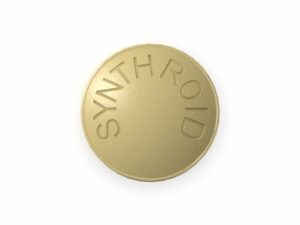
Levothyroxine (L-thyroxine) — Patient Information (UK)
Levothyroxine is a medicine used to replace or supplement thyroid hormone in people whose thyroid gland does not produce enough. It is widely used across the United Kingdom and is available in several strengths and formulations.
This page explains what levothyroxine does, how it works in the body, how to take it for best results, key interactions (including with food and alcohol), typical dosing principles, and important safety information. It also includes practical tips and frequently asked questions.
Basic product information
| Category | Details |
|---|---|
| Medicine name | Levothyroxine (also known as L-thyroxine, usually “LT4”) |
| What it is | Synthetic (man-made) thyroid hormone |
| Common uses | Hypothyroidism replacement; sometimes used in thyroid cancer management and thyroid suppression in specialist care |
| How it is taken | Oral tablets or capsules (varies by brand) |
| Monitoring | Regular blood tests (often TSH, and sometimes free T4) |
| Availability in the UK | Widely available through pharmacies and online pharmacies; strength and brand availability can vary |
How levothyroxine works (mechanism of action)
Your thyroid gland normally produces two main hormones: thyroxine (T4) and triiodothyronine (T3). Levothyroxine is an artificial form of T4.
After you swallow it, levothyroxine is absorbed mainly in the small intestine. In the body, T4 is converted into T3 (the more active hormone in many tissues). Together, these hormones help regulate:
- Metabolism (how your body uses energy)
- Growth and development (especially important in children)
- Heart rate and circulation
- Temperature regulation
- Muscle function and overall energy levels
- Brain function and mood
By replacing missing thyroid hormone, levothyroxine aims to bring blood test results into the target range and improve symptoms such as tiredness, weight changes, constipation, cold intolerance, and slowed heart rate.
Pharmacokinetics: how the body processes levothyroxine
Pharmacokinetics describes how the body absorbs, distributes, metabolises, and eliminates a medicine. Levothyroxine has some practical features that affect how and when you should take it.
- Absorption: Levothyroxine is absorbed in the small intestine. Absorption can vary between individuals and can be reduced by certain foods and medications.
- Distribution: Once absorbed, most levothyroxine binds to blood proteins (including thyroid-binding globulins), which helps it circulate steadily.
- Conversion: The body converts a portion of T4 into T3 as needed.
- Half-life: Levothyroxine has a long biological half-life (commonly around 7 days in adults). This means it builds up gradually and also means dose changes may take time to fully show up in blood tests.
- Elimination: Thyroid hormones are broken down and eliminated mainly via metabolism in the liver and other tissues, with excretion through bile and urine.
Because of the long half-life, clinicians typically review blood results after allowing several weeks for levels to stabilise when adjusting dose.
Typical use in the UK
Levothyroxine is commonly used for:
- Primary hypothyroidism (underactive thyroid), such as due to autoimmune thyroid disease (e.g., Hashimoto’s thyroiditis), after thyroid surgery, or after radioactive iodine treatment.
- Congenital hypothyroidism (thyroid hormone deficiency present from birth) in children and infants—treatment is time-critical.
- Secondary or central hypothyroidism (problem with pituitary or hypothalamus), where monitoring focuses on thyroid hormone levels (e.g., free T4) rather than TSH alone.
- Thyroid suppression or specific management of differentiated thyroid cancer in specialist care, where keeping TSH at a lower target may be part of the treatment plan.
In most routine cases, levothyroxine is taken long-term to maintain normal thyroid function.
When to take levothyroxine (timing and routine)
Timing matters because food and other medicines can affect absorption. A common UK approach is:
- Take levothyroxine once daily, preferably at the same time each day.
- Take it on an empty stomach with water.
- Wait before eating: a typical recommendation is to wait at least 30–60 minutes before food. (Your product leaflet or clinician’s instructions may advise a specific interval—follow that guidance.)
- Alternatively, some people take it later in the day (e.g., before bed) using a consistent routine—only consider this if it suits you and is discussed with your healthcare professional, especially if you have irregular eating patterns.
Consistency is key: switching between different brands and changing meal timing may change how much levothyroxine you absorb, which can affect your blood results.
Food and absorption interactions
Certain foods, drinks, and supplements can reduce how well levothyroxine is absorbed. To get the most benefit, take care with the following:
- High-fibre meals can reduce absorption in some people.
- Soya products (including soya milk or soya flour) may affect absorption.
- Coffee (especially soon after taking the dose) may reduce absorption compared with taking levothyroxine with water and waiting before drinking coffee.
- Calcium and iron supplements can significantly interfere with absorption.
- Magnesium-containing products (for example some antacids) may also interfere.
- Antacids and some other medicines may reduce absorption.
Practical separation tip: if you take calcium or iron supplements, a common approach is to separate them from levothyroxine by several hours. The exact timing depends on your supplement and routine—ask your pharmacist or clinician for advice tailored to you.
Alcohol and medicine interactions
Moderate alcohol consumption is not usually expected to directly stop levothyroxine from working, but there are important considerations:
- Adherence and routine: alcohol can disrupt routines (meal timing, bedtime, missed doses), which may affect thyroid hormone levels indirectly.
- Liver health and other medicines: if you drink heavily or have liver disease, this may affect metabolism and your overall medication safety.
- Drug interactions: alcohol may be relevant where you take other medicines that interact with thyroid hormones (for example certain antiseizure medicines).
If you regularly drink alcohol or have liver problems, discuss your situation with a healthcare professional to ensure safe monitoring and dosing.
Other medicine interactions (common examples)
Levothyroxine can interact with other medicines. Some reduce absorption; others can increase or decrease thyroid hormone levels or alter how your body responds. Always check with your pharmacist when starting, stopping, or changing dose of any medicine.
Examples commonly discussed include:
- Iron supplements and calcium (often require spacing away from levothyroxine).
- Antacids and medicines containing aluminium or magnesium (may reduce absorption).
- Cholestyramine and colestipol (used for cholesterol) can reduce absorption.
- Orlistat (weight-loss medicine) may interfere with absorption of fat-soluble vitamins; in some cases thyroid hormone levels may be affected.
- Some antiseizure medicines (e.g., phenytoin, carbamazepine) and certain other medicines may change thyroid hormone levels.
- Oestrogen therapy (including some hormone replacement therapies) may increase thyroid-binding proteins, which can affect test results and may require dose adjustment.
- Some steroids (e.g., dexamethasone) and amiodarone may affect thyroid function tests and thyroid hormone availability in certain people.
Important: interaction management varies by person. Do not stop other medicines—get advice and allow appropriate blood-test monitoring.
Indications: why levothyroxine is prescribed
“Indications” are the medical conditions levothyroxine is used to treat or manage. In the UK, levothyroxine may be used for:
- Treatment of hypothyroidism (including primary, secondary/central, and congenital forms).
- Thyroid hormone replacement after thyroid gland removal.
- Adjunct management in thyroid cancer or thyroid nodules under specialist guidance, where lowering TSH may help reduce stimulation of thyroid tissue.
The specific target ranges for blood tests (particularly TSH) can vary depending on the reason for treatment and your age and health status.
Dosing: how much levothyroxine is used
The appropriate levothyroxine dose is individual and depends on factors such as age, weight, the severity and cause of hypothyroidism, heart health, pregnancy status, and blood test results (TSH and free T4).
General principles used in clinical practice:
- Start low, go slow in older adults or in people with known heart disease, to avoid overstressing the cardiovascular system.
- Smaller adjustments are common, followed by repeat blood tests after several weeks to confirm the response.
- Children often require careful weight-based dosing and timely monitoring.
- After major changes (e.g., starting/stopping interfering medicines, pregnancy, or switching brands), blood tests may be repeated to confirm stability.
Typical dosing frequency: most patients take levothyroxine . Some specialist situations may use different regimens, but these are exceptions.
Do not change your dose without advice: too little may leave hypothyroidism undertreated; too much may cause symptoms of hyperthyroidism (including palpitations and increased anxiety).
Practical use tips for getting the best results
- Take it the same way every day: empty stomach + water + consistent wait time before food.
- Use water only: avoid taking with coffee, milk, or fruit juice.
- Separate interfering supplements: iron and calcium are the most common culprits—space them out and ask your pharmacist for an exact timetable.
- Be careful with brand switching: if your pharmacy provides a different brand or formulation, it can matter. Check with your pharmacist if you notice changes in symptoms or if your dose needs to be stabilised.
- Plan around missed doses: if you miss a dose, follow the guidance in the product leaflet or ask your pharmacist. (In many cases, a missed dose can be taken later the same day if you have not taken it at the wrong time—however, advice differs by situation.)
- Monitor symptoms and blood tests: even if you feel well, follow the schedule for thyroid blood tests.
Safety profile: who should take extra care?
Levothyroxine is generally well tolerated when the dose matches your needs. However, because it affects heart rate and metabolism, the risks of over-replacement and under-replacement are important.
Common side effects
When the dose is correct, side effects are uncommon. If the dose is too high, symptoms of excess thyroid hormone may occur (hyperthyroid-type symptoms). These can include:
- fast or irregular heartbeat (palpitations)
- tremor
- anxiety or restlessness
- heat intolerance and sweating
- unexplained weight loss
- increased appetite
- sleep disturbance
If the dose is too low, hypothyroid symptoms may persist, such as tiredness, weight gain, constipation, and cold intolerance.
Serious risks of incorrect dosing
- Heart-related effects: too much levothyroxine can aggravate angina or trigger rhythm problems, particularly in older adults or those with cardiovascular disease.
- Bone health: long-term over-replacement may contribute to reduced bone density (higher fracture risk).
Who should get additional monitoring or advice?
- People with heart disease (e.g., angina, arrhythmias)
- Older adults, where doses may be started at a lower level
- Pregnant or planning pregnancy
- People with pituitary or adrenal problems (special hormonal balance considerations)
- Those with complex medication regimens or multiple interacting supplements
When to seek urgent help
Seek urgent medical advice if you experience symptoms suggesting significant over-replacement, such as severe chest pain, fainting, breathlessness at rest, or rapid/irregular heartbeat with dizziness.
Recent UK guidance and monitoring approach (general overview)
In the UK, levothyroxine therapy is guided by routinely updated clinical practice and the interpretation of thyroid blood tests. Key themes in recent guidance and everyday practice include:
- Monitoring with blood tests is essential to confirm the correct dose (commonly TSH, with free T4 in certain situations).
- Consistency matters: stable dosing and stable routine improve the reliability of blood results.
- Special caution with switching between formulations/brands where applicable, with repeat testing if there are concerns.
- Pregnancy dosing adjustments are often needed early in pregnancy, with close monitoring.
For exact recommendations relevant to your situation, your pharmacist and clinician can help interpret results and advise whether repeat testing is needed.
Alternative options to levothyroxine
Levothyroxine is the standard treatment for most people with hypothyroidism. Depending on the cause of your thyroid condition, your preferences, and how you respond, alternatives may include:
- Liothyronine (T3) tablets (less commonly used; may be considered in selected cases under specialist direction).
- Combination therapy (T4 + T3) in carefully chosen situations—requires specialist monitoring.
- Natural desiccated thyroid products are not routinely the default option in many UK pathways; if considered, it requires careful oversight.
- Addressing underlying causes: for some forms of thyroid dysfunction, managing the trigger (where possible) may help alongside hormone replacement.
If you are considering an alternative, discuss it with a healthcare professional. Changes can affect blood tests and symptoms, and require monitoring to avoid under- or over-treatment.
UK market and legal context (how it fits into care in the United Kingdom)
Levothyroxine is widely used in the NHS and in private care. Medicines in the UK are regulated to ensure safety, quality, and consistent manufacture. In practice:
- Quality and manufacturing standards help ensure consistent content and performance.
- Pharmacy dispensing may involve different brands depending on availability; this can affect results in some people, so monitoring is important.
- Patient safety includes label checks, counselling on timing, and advice about interactions.
If you notice unexpected changes in symptoms after a change in manufacturer or strength, contact your pharmacist for guidance and consider repeat thyroid testing if advised.
Delivery and availability
Levothyroxine is generally available from pharmacies and online pharmacies in the UK, though stock levels can vary by strength and brand. Online ordering typically involves:
- Checking strength and formulation carefully before dispatch.
- Secure delivery to the address provided at checkout.
- Tracking information and delivery updates in many cases.
Availability may differ for less common strengths or specialist formulations. If you cannot find your usual product, speak to a pharmacist for equivalent options and whether a switch could affect your monitoring plan.
Storage and handling
- Keep medicines out of sight and reach of children.
- Store as directed on the packaging (commonly at room temperature, away from moisture and excessive heat).
- Check the expiry date and do not use after expiry.
If tablets become discoloured, damaged, or your packaging looks tampered with, do not use them—return or ask your pharmacist for advice.
FAQ (Frequently Asked Questions)
1) What is levothyroxine used for?
Levothyroxine is used to treat hypothyroidism (underactive thyroid) by replacing thyroid hormone. It can also be used in specialist care to suppress TSH or as part of thyroid cancer management.
2) How quickly will I feel better?
Some symptoms may start improving within a few weeks, but blood tests often take longer to stabilise after dose changes because levothyroxine has a long half-life. Many people notice gradual improvement over 4–8 weeks, depending on the starting severity.
3) Should I take levothyroxine with food?
It is usually best to take levothyroxine on an empty stomach with water, then wait before eating. Food can reduce absorption and affect your blood results. If your leaflet recommends a different approach, follow the leaflet or pharmacist advice.
4) Can I take it with coffee or tea?
It’s best to avoid coffee or tea immediately after taking levothyroxine. For more reliable absorption, take it with water and wait before drinks.
5) Do I need regular blood tests?
Yes. Thyroid hormone replacement is monitored using blood tests (commonly TSH, sometimes free T4). Your healthcare professional will tell you how often based on your condition and stability.
6) What if I miss a dose?
Advice can differ depending on your situation and timing. Check the patient information leaflet for guidance or contact your pharmacist. Avoid doubling up without advice.
7) Can I take levothyroxine if I’m pregnant?
Levothyroxine is commonly used during pregnancy to maintain normal thyroid hormone levels. Dose requirements often increase early in pregnancy, so prompt monitoring is important. If you are pregnant, planning pregnancy, or suspect you may be pregnant, contact your healthcare provider promptly.
8) Does levothyroxine interact with vitamins or supplements?
Iron and calcium supplements are the most common issues. Many multivitamins contain minerals that can interfere with absorption. Separate levothyroxine from these supplements by several hours and ask your pharmacist for a timetable.
9) Is it safe to drink alcohol?
Moderate alcohol is usually not a direct interaction, but maintaining consistent dosing and routines is important. If you have liver disease or take other medicines, seek advice.
10) Are there alternatives if I don’t feel well on levothyroxine?
First, clinicians usually confirm the dose and absorption (timing, missed doses, interactions) and review blood test results. If symptoms persist despite appropriate thyroid levels, specialist options may be discussed, such as combination therapy in selected cases.
11) Can I switch brands of levothyroxine?
Brand switching may be possible, but it can affect some people’s thyroid levels. If a switch happens and your symptoms or blood tests change, you may need monitoring or dose review. Ask your pharmacist for advice.
Summary
Levothyroxine is a reliable, widely used thyroid hormone replacement. For best results, take it consistently on an empty stomach with water, separate it from iron and calcium supplements, and attend regular thyroid blood test monitoring. Correct dosing improves symptoms and supports healthy metabolism, heart function, and (where relevant) growth and development.
If you have questions about timing, interactions, or what to do when your routine changes, your pharmacist can help you plan a safe and effective daily regimen.