Medrol (Methylprednisolone) – Patient Guide (UK)
Medrol is a brand of methylprednisolone, a corticosteroid medicine used to reduce inflammation and calm an overactive immune response. It can be prescribed for a wide range of inflammatory and immune-related conditions. This guide explains what Medrol is, how it works, how it’s typically taken, and what to consider for safe use in the United Kingdom.
| Category | Corticosteroid (systemic anti-inflammatory/immune suppressant) |
|---|---|
| Active ingredient | Methylprednisolone |
| Common strengths | Typically tablets in various strengths (availability may vary) |
| How it’s taken | By mouth (tablets) |
| Typical effect | Often begins within hours; full benefit may take days |
| Key considerations | Can affect infection risk, blood sugar, mood, stomach, and bone health |
Basic product information
Medrol (methylprednisolone) belongs to a family of medicines called glucocorticoids. These medicines mimic the effects of cortisol, a natural hormone produced by the adrenal glands.
Medrol is used for short-term flare-ups and longer courses for selected conditions. The exact dose and duration depend on the diagnosis, severity, and your personal risk factors.
- Medicinal form: usually tablets taken by mouth
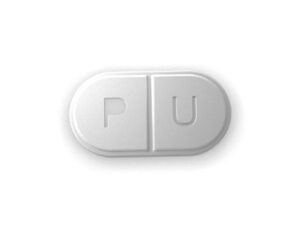
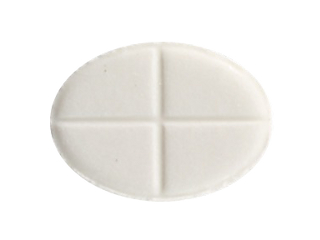
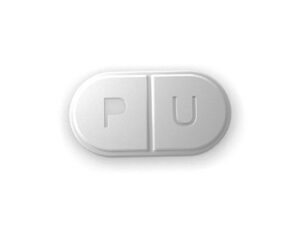
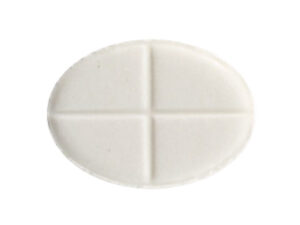
- Colour/appearance: may vary by strength and manufacturer
- How it’s supplied: availability can vary by pharmacy and supplier
How Medrol works (mechanism of action)
Inflammation and immune activity involve many processes (including signalling chemicals and immune cell movement). Methylprednisolone works by:
- Reducing inflammatory signalling in the body
- Decreasing immune cell activation and release of inflammatory substances
- Stabilising cell membranes and reducing swelling
- Modulating immune responses so the body’s reaction becomes less aggressive
The result is a reduction in symptoms such as pain, redness, swelling, breathlessness from inflammatory causes, and flare-ups—depending on the condition being treated.
Pharmacokinetics: how your body handles methylprednisolone
“Pharmacokinetics” describes what happens to the medicine after you take it.
- Absorption: Methylprednisolone is absorbed from the gastrointestinal tract after oral dosing.
- Distribution: It distributes throughout the body and binds to proteins (notably corticosteroid-binding globulin and albumin).
- Metabolism: It is broken down mainly in the liver.
- Elimination: Metabolites are cleared primarily by the kidneys (in urine).
- Onset of action: Some effects can be seen within hours; a stable improvement may take several days depending on the condition.
Individual response varies. Dose adjustments may be needed for liver impairment, interactions with other medicines, and differences in illness severity.
Typical uses in the UK
Medrol is commonly used for conditions where reducing inflammation or suppressing an abnormal immune response is needed.
Examples include (not exhaustive):
- Severe allergic reactions where anti-inflammatory control is required
- Autoimmune conditions (for example, flare management in inflammatory diseases)
- Inflammatory disorders affecting joints, skin, or internal organs
- Some respiratory inflammatory conditions under specialist direction
- Gastrointestinal inflammatory conditions in specific cases
Your prescriber will match the medicine choice and dose to the underlying condition. Medrol may be used as part of a broader treatment plan, including other medicines and lifestyle measures.
Timing: when to take Medrol
Many people are advised to take corticosteroids in the morning. This can help mimic the body’s natural cortisol rhythm and may reduce sleep disturbance.
- Once daily: usually in the morning (unless your clinician advised otherwise).
- Multiple daily doses: split timing may be used for certain regimens—follow your clinician’s instructions.
- Missed dose: take it when you remember unless it is close to the next dose. Do not double up.
Practical tip: Choose a consistent time each day and consider setting an alarm. If you experience indigestion, taking it with food may help.
Food interactions and what you can eat
Medrol can affect the stomach lining in some people, and it may increase appetite. Food does not usually “cancel out” the effect of the medicine, but it can affect comfort.
- Taking with or after food: may reduce stomach irritation.
- Weight and appetite: corticosteroids can increase appetite; be mindful of portion sizes.
- Blood sugar: Medrol can raise blood glucose, so carbohydrate intake may need adjustment—especially if you have diabetes or prediabetes.
- Sodium and fluid retention: higher doses may cause fluid retention. Your clinician may advise limiting salt.
Alcohol: see the section below for interaction and safety considerations.
Alcohol and medicine interactions
Alcohol is not always strictly “forbidden,” but it can increase certain risks with corticosteroids.
- Stomach irritation: both alcohol and Medrol can irritate the stomach, potentially increasing the risk of gastritis or reflux.
- Blood sugar: alcohol can affect glucose control; combined with steroids, this may complicate diabetes management.
- Immune effects: while the steroid effect is the main contributor, heavy alcohol intake can further impair immune function and increase infection risk.
Safer approach: If you drink alcohol, consider limiting intake and avoid binge drinking. If you have stomach ulcers, pancreatitis, hepatitis, or diabetes, discuss alcohol use with your healthcare team.
Medicine interactions (important)
Corticosteroids interact with several commonly used medicines. Always inform your healthcare professional and pharmacist about everything you take, including over-the-counter remedies and herbal products.
Medicines that may increase risk or change steroid levels
- NSAIDs (e.g., ibuprofen, naproxen): together can increase gastrointestinal bleeding risk.
- Aspirin (high doses): may increase bleeding risk; low-dose aspirin may be different—follow medical advice.
- Anticoagulants (e.g., warfarin): steroids may affect INR and clotting control.
- Diabetes medicines (e.g., insulin, metformin, sulfonylureas): steroid may raise blood glucose, requiring monitoring and dose changes.
- Diuretics: can affect potassium levels; steroids may also affect electrolytes.
- Some antibiotics and antifungals: can alter steroid metabolism (examples include clarithromycin and azole antifungals).
- Some seizure medicines: can speed up steroid metabolism (examples include phenytoin, carbamazepine).
Vaccination considerations
- Live vaccines may not be suitable when taking systemic corticosteroids at moderate-to-high doses or for prolonged periods.
- Inactivated vaccines may still be used but may be less effective depending on dose and duration.
Always check: If you’re planning travel or immunisations, speak to a clinician or pharmacist for personalised advice.
Indications: when Medrol is considered
“Indications” means the approved clinical reasons a medicine is used. Medrol is typically indicated for conditions involving inflammation or an abnormal immune response, including:
- Severe allergic states and immune-mediated conditions
- Autoimmune and inflammatory diseases requiring systemic corticosteroid treatment
- Selected inflammatory disorders affecting different body systems
- Short courses or bridging therapy while other treatments take effect
Because the appropriate use depends heavily on diagnosis, Medrol regimens may differ in dose and duration. Specialist guidance is often required for complex conditions.
Dosing: how Medrol is commonly used
Dosing must be individualised. The “right” dose depends on the condition, response, and your risk profile.
- Adults: doses vary widely depending on the severity and type of illness.
- Children: dosing is calculated carefully based on weight and condition, and the approach requires specialist judgement.
General principles:
- Use the lowest effective dose for the shortest time necessary.
- Do not stop suddenly after prolonged use. Your body’s natural steroid production may be suppressed.
- Tapering: if you’ve taken Medrol for more than a short period (especially at higher doses), a gradual reduction may be necessary.
Important: This information is guidance only. Your clinician will set your specific dose schedule and monitor your response.
Safety profile: side effects and risk considerations
Like all medicines, Medrol can cause side effects. Many are dose-related and more likely with higher doses or longer courses.
Common or expected effects
- Increased appetite
- Indigestion, heartburn, stomach discomfort
- Fluid retention and changes in weight
- Sleep disturbance (insomnia) or mood changes
- Headache
- Changes in blood sugar, which may unmask diabetes
Less common but serious risks (seek medical advice promptly)
- Infections: steroids can lower resistance to infections. Contact a clinician if you develop fever, worsening cough, painful urination, or signs of infection.
- Severe stomach pain, black stools, vomiting blood: could indicate GI bleeding.
- Severe mood or behavioural changes: including confusion, severe agitation, or depression.
- Eye problems: increased eye pressure or blurred vision—especially with longer use.
- High blood pressure or significant swelling.
- Blood clots: increased risk has been reported with corticosteroids, particularly in vulnerable people.
Long-term risks (more relevant with prolonged therapy)
- Bone thinning (osteoporosis)
- Muscle weakness
- Skin thinning and easier bruising
- Cataracts or glaucoma
- Adrenal suppression if stopped abruptly
Monitoring: Your healthcare team may monitor blood pressure, blood glucose, weight, symptoms, and sometimes blood tests, especially for longer courses.
Practical use tips for safer results
- Take with food if you get indigestion: it may reduce stomach irritation.
- Keep a symptom diary: note whether symptoms improve and any new side effects.
- Check blood sugar if relevant: if you have diabetes or at risk, monitor as advised.
- Watch your sleep and mood: taking earlier in the day can help; report significant changes promptly.
- Don’t stop suddenly: especially after weeks of use; ask about a taper plan.
- Prevent infection: avoid close contact with people who have contagious infections when possible.
- Bone protection: if long-term use is planned, discuss vitamin D/calcium and exercise with your clinician.
- Carry a medication record: if you have a flare-prone condition, knowing your steroid exposure can help in emergencies.
Alternative options
Depending on the condition being treated, clinicians may consider other anti-inflammatory or immune-modulating therapies. Alternatives can include:
- Other corticosteroids (e.g., prednisolone) or different formulations
- Inhaled corticosteroids for some airway conditions (reduces systemic exposure)
- Non-steroidal anti-inflammatory drugs (NSAIDs) where appropriate (not suitable for everyone)
- Immunosuppressants or disease-modifying therapies for chronic autoimmune disease (selected by specialist)
- Biologic therapies for certain immune-mediated diseases
Your clinician chooses alternatives based on diagnosis, severity, previous treatment response, infection risk, and long-term safety profile.
UK market and legal context (general)
In the United Kingdom, systemic corticosteroids such as methylprednisolone are medicines regulated under the UK medicines framework. Supply arrangements may vary between pharmacy networks and providers, and medicine availability can be influenced by manufacturer supply, prescribing practices, and clinical guidelines.
Pharmacist support: UK community pharmacists play a key role in checking suitability, advising on interactions, and supporting safe use—especially for medicines with important side-effect profiles like corticosteroids.
Product information: Always check the packaging and the patient information provided with your specific Medrol product (including the leaflet for side effects and emergency guidance).
Recent guidance and clinical considerations
Clinical practice continues to emphasise careful balancing of benefits and risks with corticosteroids. Key themes in contemporary UK-facing guidance and standard NHS-informed practice include:
- Using the lowest effective dose and aiming for the shortest feasible duration.
- Risk assessment for infection and monitoring for common steroid complications (blood sugar, blood pressure, mood changes).
- Clear tapering plans for people likely to have adrenal suppression after prolonged or higher-dose regimens.
- Vaccination planning and avoidance of live vaccines when systemic steroid doses are significant.
Because guidance may vary by condition and evolving evidence, your prescriber and pharmacist are best placed to advise based on the most current recommendations for your specific diagnosis.
Delivery and availability in the UK
Online pharmacy availability can vary by:
- Pack size and strength
- Manufacturer supply
- Regional distribution
What to expect:
- After placing an order, availability is typically confirmed quickly (depending on stock systems).
- Delivery timeframes vary by courier service and location.
- You may receive updates by email or text.
Check your order: verify the strength, number of tablets, and expiry date when it arrives.
FAQ
1) What is Medrol used for?
Medrol (methylprednisolone) is used to reduce inflammation and calm immune responses in a range of conditions, especially when symptoms flare or when inflammation is severe.
2) How fast does Medrol work?
Some benefits can begin within hours. In many conditions, more noticeable improvement occurs over several days. The exact timeline depends on the underlying condition and dose.
3) Should I take Medrol with food?
Food is often used to reduce stomach irritation. If you get heartburn or indigestion, taking Medrol after food or with a meal may help.
4) Can I drink alcohol while taking Medrol?
It’s best to limit alcohol. Alcohol can worsen stomach irritation and may complicate blood sugar control. If you have stomach ulcers, diabetes, liver problems, or frequent infections, discuss alcohol use with your healthcare team.
5) What should I do if I miss a dose?
Take it as soon as you remember unless it is close to your next dose. Do not double up. If you’re unsure, ask your pharmacist for advice based on your dosing schedule.
6) Can I stop Medrol suddenly?
If you’ve been taking Medrol for more than a short time, stopping suddenly may be unsafe due to possible adrenal suppression. Tapering is often needed—follow your clinician’s plan.
7) What side effects are most common?
Common effects include increased appetite, indigestion, sleep disturbance, fluid retention, mood changes, and changes in blood sugar.
8) When should I seek urgent medical help?
Seek urgent help if you develop signs of a serious infection (high fever, severe worsening symptoms), symptoms of significant stomach bleeding (black stools, vomiting blood), severe allergic reaction, chest pain, or severe confusion or behavioural changes.
9) Are there vaccine restrictions?
Live vaccines may not be suitable during systemic steroid therapy at moderate-to-high doses or for prolonged periods. Ask your pharmacist or clinician when planning immunisations.
10) What medicines should I tell you about before starting Medrol?
Tell your pharmacist about all medicines and supplements, especially NSAIDs, blood thinners, diabetes medicines, antifungals, antibiotics, seizure medicines, and any herbal products.
Patient reminder: If you have questions about your specific Medrol regimen, side effects, or interactions, speak with your pharmacist or prescriber. Always read the patient information leaflet provided with your medicine for details tailored to your product and dose.