Fluticasone (inhaled) – Patient Information for the United Kingdom
Fluticasone is an anti-inflammatory medicine used mainly to help control long-term conditions such as asthma and chronic obstructive pulmonary disease (COPD). It is a type of medicine called a corticosteroid (also known as a steroid), delivered directly to the lungs.
This page provides clear, patient-friendly information about how fluticasone works, how it is used, safety considerations, and practical tips to get the best results. Medicines that contain fluticasone are available in different inhaler devices and strengths, and the correct choice depends on your symptoms and the specific product you have.
Basic Product Information
- Active ingredient: Fluticasone (commonly fluticasone propionate or fluticasone furoate depending on brand)
- Medicine type: Inhaled corticosteroid (anti-inflammatory)
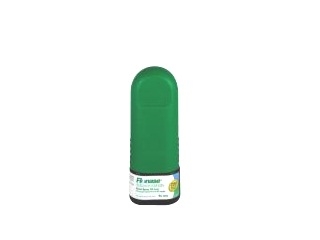
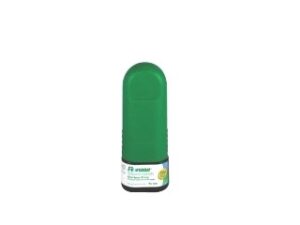
- How it’s taken: Inhalation using an inhaler device (for example, Diskus/Accuhaler-type devices, Evohaler-type devices, or other inhalers)
- Common uses: Asthma control; COPD symptom reduction (often combined with other COPD medicines)
- Availability in the UK: Many inhaled fluticasone products are widely used and supplied through NHS and private pharmacies
Important: Always follow the instructions specific to your device and product label. Different inhalers release different amounts of medicine even if they are described as the same “strength”.
How Fluticasone Works (Mechanism of Action)
Fluticasone is an inhaled corticosteroid that reduces airway inflammation. In asthma and COPD, the airways can become swollen and overly sensitive. This leads to narrowing of the airways and symptoms such as wheeze, breathlessness, cough and chest tightness.
After inhalation, fluticasone acts locally in the lungs to:
- Decrease inflammatory cell activity in the airways (reducing swelling)
- Reduce mucus production and improve airflow
- Lower airway hyper-responsiveness (less “reactive” airways)
- Help prevent symptoms and flare-ups when used regularly
Fluticasone is not usually a “quick relief” medicine. It works best when taken consistently over time to keep inflammation under control.
Pharmacokinetics (What the Body Does With It)
Pharmacokinetics describes how a medicine moves through the body—absorption, distribution, metabolism, and elimination. With inhaled fluticasone, most of the medicine acts locally in the lungs; only a small amount reaches the bloodstream.
Absorption
- Local lung action: Most of the benefit comes from the medicine deposited in the airways.
- Systemic absorption: A portion of inhaled fluticasone may be swallowed and absorbed via the gut, but overall systemic exposure is typically low.
Distribution
- Fluticasone that enters the bloodstream can bind to proteins and distribute throughout the body.
Metabolism
- Fluticasone is primarily metabolised in the liver by the enzyme system CYP3A4.
- This is why some medicines may interact with fluticasone by increasing or decreasing its level in the body.
Elimination
- Most of the cleared medicine and its metabolites are eliminated via the bile/faeces pathway.
Typical Use and Timing
Fluticasone is used to control symptoms—often day-to-day breathlessness, wheeze and cough in asthma or COPD. It may also reduce the frequency of flare-ups (exacerbations).
When to take it
- Regular schedule: Use at the same times each day if prescribed more than once daily.
- Consistency matters: Missing doses can reduce long-term control.
- Not for sudden attacks: You will usually need a separate “reliever” inhaler (for fast symptom relief) for sudden breathlessness or wheeze.
How quickly does it work?
- Some improvement: Some people notice symptom relief within days.
- Full benefit: It can take several days to a few weeks to achieve best control.
If symptoms worsen despite correct use, seek medical advice promptly. Do not increase your dose without guidance.
Food Interactions
Because fluticasone is inhaled, food interactions are generally minimal. Any medicine swallowed after inhalation is typically a small amount, and the systemic exposure is usually low.
- In most cases: you can take fluticasone with or without food.
- Practical note: If you notice mouth dryness or irritation, rinsing your mouth after each dose can help (see “Practical Use Tips”).
Alcohol and Medicine Interactions
Alcohol
There is no consistent direct interaction between fluticasone and alcohol reported for inhaled use. However, alcohol may worsen breathing in some people, for example by affecting sleep or triggering reflux (which can aggravate cough).
- If you choose to drink alcohol, do so in moderation and monitor for symptom worsening.
- Seek advice if alcohol consistently triggers symptoms.
Important medicine interactions
Fluticasone is metabolised by CYP3A4. Certain medicines can strongly affect CYP3A4 and may increase fluticasone levels, potentially raising the risk of steroid side effects.
| Medicine group | Possible effect | What to do |
|---|---|---|
| Strong CYP3A4 inhibitors (e.g., some antifungals such as ketoconazole/itraconazole; some antivirals such as ritonavir) | May increase fluticasone levels in the body | Ask a pharmacist or clinician for advice before starting such medicines |
| Moderate CYP3A4 inhibitors | May increase fluticasone exposure to a lesser extent | Check whether your current medicines include known interacting agents |
| Other corticosteroids (tablets, injections, or additional inhaled steroids) | Additive steroid exposure | Do not double up without an agreed plan |
| Reliever bronchodilators (e.g., salbutamol) | No direct interaction, used for different purposes | Use reliever for sudden symptoms and fluticasone regularly for control |
Always tell us (and your healthcare professional) about: all current medicines, including over-the-counter products, herbal remedies, and recent changes.
Indications (What Fluticasone Is Used For)
Depending on the specific product and strength, fluticasone inhalers are indicated for:
- Asthma: prevention and long-term control of symptoms and reduction in flare-ups, often used as part of stepwise asthma management.
- COPD: reducing symptoms and exacerbations in selected patients, usually in combination with other COPD medicines such as long-acting bronchodilators (based on local guidance and your disease severity).
Your inhaler choice (type of device, strength, and whether you receive fluticasone alone or in combination with other medicines) should be matched to your diagnosis and symptom control.
Dosing (How Much to Take)
Dosing depends on your age, diagnosis (asthma vs COPD), disease severity, and the specific inhaler device. This information is for general education; your prescribed dose is the one to follow.
General principles
- Use the lowest dose that maintains control.
- Step up or step down only as advised by a clinician after assessing symptom control and inhaler technique.
- Children: dosing may differ and needs careful matching to the correct formulation and strength.
Examples of how dosing may be described
- Once daily or twice daily regimens are common for inhaled fluticasone depending on the product.
- Combination inhalers may also be used (for example, fluticasone with a long-acting bronchodilator), where dosing follows the combination product instructions.
If you are unsure how to measure doses with your particular device, refer to the packaging leaflet and device instructions. If difficulties persist, a pharmacist can often review technique.
Safety Profile and Side Effects
Like all medicines, fluticasone can cause side effects. Many are related to local effects in the mouth and throat or to higher steroid exposure. Most people tolerate inhaled fluticasone well, especially when used correctly and with mouth rinsing.
Common side effects
- Hoarse voice
- Throat irritation or discomfort
- Oral thrush (candidiasis), sometimes with white patches in the mouth
- Dry mouth or mild coughing after inhalation
Less common but important risks
- Systemic steroid effects are generally uncommon at typical inhaled doses, but risk can increase with higher doses or drug interactions.
- Potential systemic effects may include cataracts or effects on bone density over long periods, particularly with high exposure.
- Adrenal suppression is rare with inhaled treatment alone but may occur in higher-dose or long-term use, or when combined with other steroids.
Allergic reactions
Stop use and seek urgent advice if you develop signs of allergy such as swelling of the face/lips, severe rash, or trouble breathing that is out of proportion to your usual symptoms.
Seek medical advice promptly if
- Your symptoms worsen despite correct inhaler use.
- You develop fever, worsening chest symptoms, or persistent thrush despite mouth care.
- You need your reliever inhaler much more often than usual.
Practical Use Tips (Inhaler Technique and Comfort)
Correct inhaler technique is crucial for fluticasone to reach the lungs effectively. Poor technique can reduce benefit and increase side effects such as thrush.
Before you take a dose
- Check your inhaler device type and follow the exact steps for that device.
- If you’re unsure about device use, ask a pharmacist—technique adjustments can make a big difference.
After taking fluticasone
- Rinse your mouth and spit (do not swallow the rinse) if your product leaflet recommends it.
- For some devices, gentle toothbrushing after rinsing may also help reduce mouth thrush risk.
Common technique mistakes
- Not breathing in deeply and correctly at the time of release (or using incorrect timing on your specific device)
- Not holding your breath after inhalation (depending on device)
- Forgetting to exhale fully before use (if required by your device instructions)
- Skipping mouth rinsing
Managing thrush or hoarseness
- Rinse and spit every time you use the inhaler.
- If symptoms persist, contact a healthcare professional—treatment may be needed and technique may require review.
Alternative Options
If fluticasone is not suitable or not providing adequate control, healthcare professionals may consider alternatives based on diagnosis and severity. Options can include:
- Other inhaled corticosteroids (different molecules within the same medicine class)
- Combination inhalers (an inhaled corticosteroid plus a long-acting bronchodilator)
- Reliever medicines for symptom relief (often used alongside controller therapy)
- For COPD, treatment may also include long-acting muscarinic antagonists (LAMAs) or long-acting beta-agonists (LABAs), sometimes combined with inhaled corticosteroids when appropriate
The best alternative depends on your individual condition, age, symptom pattern, lung function, and existing medicines. Discuss options with a pharmacist or clinician.
UK Market and Legal Context (Patient Overview)
In the United Kingdom, inhaled medicines like fluticasone play a key role in routine respiratory care. Availability and category (for example, whether a product is prescription-only or supplied via other routes) can vary by specific product type, strength, and formulation.
- NHS practice: Inhaled corticosteroids are commonly used according to asthma and COPD care pathways.
- Guideline-based care: Dosing and device choice are typically guided by recognised clinical frameworks and regular review of symptom control.
- Pharmacy support: Pharmacists can advise on correct inhaler technique and on when to seek further help.
If you are buying a fluticasone product online in the UK, ensure it is supplied by a reputable pharmacy and that the product matches the form and strength recommended for your condition.
Recent Guidance and Clinical Approach (UK Context)
Respiratory care in the UK generally emphasises:
- Regular review: Asthma and COPD treatment should be reviewed periodically, including inhaler technique, adherence and triggers.
- Individualised “stepwise” management: Medicines may be increased if control is poor or reduced if stable over time.
- Correct controller versus reliever use: Inhaled corticosteroids (like fluticasone) are controller medicines; quick-relief bronchodilators are used for acute symptoms.
- Device technique: Many treatment failures relate to incorrect inhaler use; technique checks are strongly encouraged.
If you have asthma or COPD, it’s helpful to keep track of symptoms and reliever use, and to discuss any change in breathing with a clinician.
Delivery and Availability in the United Kingdom
Availability of fluticasone depends on the specific product and strength. In online pharmacies in the UK, delivery typically follows the supplier’s standard dispatch times and shipping methods.
- Stock status: Some inhalers are frequently stocked; others may have short-term availability delays.
- Packaging: Medicines are usually supplied with the manufacturer’s leaflet and patient information.
- Delivery tracking: Many pharmacies provide dispatch updates and tracking information.
If you need your inhaler urgently (for example, because you are running low), check estimated dispatch and delivery times before ordering.
FAQ (Frequently Asked Questions)
1) Is fluticasone a reliever inhaler?
No. Fluticasone is a controller medicine that helps reduce inflammation over time. A separate reliever inhaler is usually used for sudden symptoms.
2) How long does it take for fluticasone to start working?
Some improvement may occur within days, but full effect often takes several days to a few weeks. Continue using it regularly unless advised otherwise.
3) Should I rinse my mouth after using fluticasone?
In many cases, yes. Rinsing and spitting can help reduce the risk of thrush and hoarseness. Follow the instructions in your product leaflet.
4) Can I take fluticasone with food or drink?
Generally, yes. Food interactions are usually not significant for inhaled fluticasone. For comfort and to reduce mouth side effects, mouth rinsing after inhalation is often recommended.
5) What if I miss a dose?
Take it when you remember unless it is close to the time of your next dose. Do not take extra doses to make up for a missed one. If you are unsure, ask a pharmacist for advice based on your schedule.
6) Are there any alcohol interactions?
There is no well-established direct interaction between inhaled fluticasone and alcohol. However, alcohol can worsen breathing in some people, particularly if it affects sleep or triggers reflux. Monitor your symptoms.
7) Can I use fluticasone if I also take other medicines?
Many people can, but because fluticasone is processed by liver enzymes (notably CYP3A4), some medicines—especially certain antifungals and antivirals—may interact. Tell us about all medicines you use.
8) What side effects should I watch for?
Common effects include hoarseness, throat irritation and oral thrush. Seek medical advice if you develop persistent thrush, worsening breathing, or symptoms that are not responding to your usual plan.
9) Can fluticasone affect children?
Fluticasone can be used in children when clinically indicated, but dosing must be tailored to the child’s age and condition. Inhaler technique and monitoring of growth (as advised by healthcare professionals) are important with long-term steroid therapy.
10) When should I seek urgent help?
Seek urgent medical help if you have severe breathing difficulty, sudden worsening after using your reliever, or signs of a serious allergic reaction such as facial swelling or widespread rash.
Summary
Fluticasone is an inhaled corticosteroid used to help control asthma and selected cases of COPD by reducing airway inflammation. It works best when taken consistently as a controller medicine, with relief inhalers used for sudden symptoms. Correct inhaler technique and mouth rinsing can reduce side effects like thrush and hoarseness. If your symptoms worsen or you experience persistent side effects, seek professional advice promptly.