
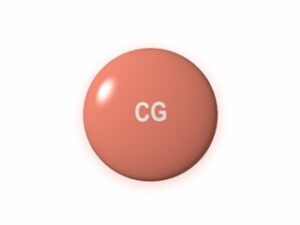
Toradol (Ketorolac) – Patient-Friendly Guide (UK)
Toradol is a brand name containing ketorolac, a strong pain-relieving medicine from the NSAID (non-steroidal anti-inflammatory drug) family. It is used for short-term management of moderate to severe pain. Because ketorolac can cause serious side effects—especially affecting the stomach, kidneys and bleeding risk—its use is generally limited to the shortest possible time.
This guide is written to help you understand how Toradol works, when it’s used, how it should be taken, and what precautions to consider. Always follow the specific advice given by your healthcare professional and the instructions on your product packaging.
1) Basic Product Information
- Active ingredient: Ketorolac (as ketorolac trometamol)
- Medicine type: NSAID (analgesic and anti-inflammatory)
- Common forms: Depending on the product, Toradol may be available as tablets and/or injection in some settings (availability can vary).
- Typical treatment duration: Usually short-term only (often not exceeding a total of several days depending on the form and guidance).
- Therapeutic category: Pain management, short-term, moderate–severe pain
Note: Availability and formulations can vary across the UK. Your pharmacy can confirm which presentation is supplied.
2) How Toradol Works (Mechanism of Action)
Ketorolac works by blocking key enzymes involved in making prostaglandins—chemical messengers that contribute to pain, inflammation, and fever.
- It inhibits cyclo-oxygenase (COX) enzymes (COX-1 and COX-2).
- This reduces prostaglandin production.
- As a result, pain signals are reduced and inflammation may lessen.
Because ketorolac is a potent NSAID, it can provide effective relief for acute pain—however, the same mechanism is also linked to the main risks (stomach irritation/ulcers, bleeding tendencies, and kidney strain).
3) Pharmacokinetics (Absorption, Distribution, Metabolism, Elimination)
Pharmacokinetics describes how the body processes the medicine.
- Absorption: After oral use, ketorolac is absorbed and reaches therapeutic levels relatively quickly.
- Time to effect: Pain relief can begin within about 30–60 minutes for oral dosing, though individual response varies.
- Distribution: It spreads through the body, including to tissues involved in pain.
- Metabolism: Ketorolac is metabolised mainly in the liver.
- Elimination: It is cleared by the kidneys, and kidney function affects exposure.
- Half-life (general concept): The drug is eliminated over several hours; this influences dosing frequency and duration.
If you have reduced kidney function, the medicine can build up more easily, increasing the risk of side effects. Dosing may need adjustment or avoidance.
4) Typical Use and Indications
Toradol (ketorolac) is used for the short-term management of acute moderate to severe pain.
Examples of situations where healthcare professionals may consider ketorolac include:
- Short-term pain relief for conditions requiring stronger analgesia than paracetamol or ibuprofen alone
- Post-operative pain management in appropriate settings
- Some acute injuries or painful episodes where NSAIDs are appropriate
Important: Ketorolac is not typically intended as a long-term “everyday” painkiller. If you have ongoing pain, your clinician may recommend alternative long-term options.
5) Timing: When and How Often to Take Toradol
Follow the dosing instructions provided with your specific product. Dosing schedules for ketorolac depend on:
- Your age
- Your kidney function
- Whether you use oral or injection formulations
- How long you need pain relief
- Other medications you take
As a general patient-friendly guide:
- Use the lowest effective dose for the shortest possible duration.
- A scheduled dosing plan may be used for the first days for consistent pain control, rather than “only when pain becomes unbearable”.
- Do not exceed the maximum daily dose stated for your product.
If you miss a dose: Take it when you remember unless it is close to the next dose. Do not double the dose.
6) Food Interactions (Taking Toradol With or Without Food)
Ketorolac can irritate the stomach. Taking it with food may help reduce gastric discomfort, although it may not eliminate the risk of serious gastrointestinal side effects.
- General tip: Take with food or milk if your stomach is sensitive.
- Avoid taking on an empty stomach if you have a history of gastritis, reflux, ulcers, or NSAID intolerance.
- Do not crush or alter tablets unless your product instructions specifically permit it.
Remember: Food may improve tolerance, but it does not fully prevent ulceration or bleeding risks.
7) Alcohol and Medicine Interactions
Alcohol
Combining ketorolac with alcohol can increase the chance of stomach bleeding and may worsen side effects.
- Advice: It is generally best to avoid alcohol while taking Toradol, especially if you have any history of ulcers or bleeding.
Interactions With Other Medicines
Ketorolac interacts with several medication groups, mainly due to bleeding, kidney effects, or stomach irritation. Tell your healthcare professional about all medicines you use, including over-the-counter products and herbal remedies.
Common interaction considerations include:
- Other NSAIDs (e.g., ibuprofen, naproxen, aspirin in pain doses): increases stomach/bleeding risk. Avoid combining.
- Blood thinners (e.g., warfarin, apixaban, rivaroxaban, dabigatran) and antiplatelets (e.g., clopidogrel, ticagrelor): increases bleeding risk.
- SSRIs/SNRIs (used for depression/anxiety): may increase bleeding risk when combined with NSAIDs.
- Corticosteroids (e.g., prednisolone): may increase stomach ulcer risk.
- Diuretics and ACE inhibitors/ARBs (blood pressure medicines): can increase kidney strain when combined with NSAIDs.
- Lithium: NSAIDs can raise lithium levels (toxicity risk).
- Methotrexate: may increase methotrexate toxicity.
- Probenecid: can affect ketorolac clearance.
- Some medicines for heart failure or kidney function: kidney monitoring may be required.
Over-the-counter caution: Many cold/flu or pain products contain NSAIDs. Check labels carefully to avoid unintentional double-dosing.
8) Dosing Information (General Guidance for UK Patients)
Exact dosing depends on your personal circumstances and the specific product you receive. Always use the dose prescribed or recommended by your healthcare professional and follow the packaging instructions.
General principles:
- Lower dose first if advised, particularly in older adults.
- Reduced dosing may be used if you have kidney impairment.
- Do not combine with other NSAIDs.
- Short duration only—ketorolac is usually not for prolonged use.
Special population considerations:
- Older adults: higher risk of bleeding and kidney complications. Dosing is often reduced.
- Kidney impairment: may require avoidance or reduced dosing. Ketorolac is cleared by the kidneys.
- Liver disease: dose adjustments and caution may be required.
- Body weight: some regimens may take this into account.
If you’re unsure which dose applies to you, ask your pharmacist to check the strength and instructions for the specific Toradol product you have.
9) Safety Profile: Who Should Be Careful or Avoid Ketorolac
Ketorolac can be effective for pain, but it carries important risks. Stop and seek urgent medical advice if you experience signs of a serious reaction.
Common side effects
- Stomach discomfort, indigestion, nausea
- Heartburn or gastritis-like symptoms
- Dizziness or headache
Serious risks (seek medical help urgently)
- Gastrointestinal bleeding:
- Vomiting blood or material that looks like “coffee grounds”
- Black, tarry stools or blood in stool
- Allergic reactions:
- Swelling of the face/lips, difficulty breathing, wheezing, rash/hives
- Kidney problems:
- Reduced urination, unusual swelling, severe fatigue
- Cardiovascular risks:
- Chest pain, breathlessness, sudden weakness, speech problems
- Severe skin reactions:
- Painful rash, blistering, peeling skin, mouth sores
People who should avoid ketorolac or get special assessment
- History of NSAID-induced stomach ulcers or gastrointestinal bleeding
- Known hypersensitivity to ketorolac or other NSAIDs
- People with significant kidney impairment
- Patients with active bleeding or certain bleeding disorders
- Those with severe heart failure or significant cardiovascular disease should discuss suitability
- Asthma triggered by NSAIDs (NSAID-exacerbated respiratory disease)
Pregnancy and breastfeeding: NSAIDs can be harmful in later pregnancy. If you are pregnant, planning pregnancy, or breastfeeding, discuss risks with a healthcare professional before using ketorolac.
10) Practical Use Tips (How to Get the Best From Toradol Safely)
- Use the lowest effective dose to control pain.
- Limit duration: do not keep taking it “just in case” after your planned short course.
- Avoid stacking NSAIDs: do not take ibuprofen, naproxen, aspirin (for pain) or other NSAID products alongside.
- Take with food if you get stomach upset.
- Stay hydrated, especially if you are at risk of dehydration (e.g., vomiting/diarrhoea, hot weather).
- Plan pain control: if pain is expected, take it as scheduled rather than waiting for severe breakthrough pain (unless your clinician advised otherwise).
- Monitor for warning signs: new black stools, stomach pain that worsens, breathlessness, or swelling should be taken seriously.
- Keep a medication list of everything you take and show it to your pharmacist or clinician.
11) Alternatives to Toradol (Ketorolac)
Depending on your condition, history, and how long you need pain relief, your healthcare professional may consider alternatives.
Common options
- Paracetamol (acetaminophen): often used for mild to moderate pain and has a different safety profile for the stomach.
- Other NSAIDs (e.g., ibuprofen, naproxen): may be used if appropriate, but ketorolac is typically reserved for short-term stronger pain management.
- Topical analgesics (where suitable): gels or patches for musculoskeletal pain can reduce systemic exposure.
- Short-term opioid medicines in select circumstances: may be considered under strict guidance when NSAIDs are unsuitable.
- Non-drug approaches: rest, ice/heat, physiotherapy, posture changes, and targeted rehabilitation can reduce pain and the need for medication.
Choosing the right alternative depends on your medical history—especially stomach ulcers/bleeding, kidney function, blood pressure, and whether you take anticoagulants.
12) UK Market and Legal/Regulatory Context
In the United Kingdom, medicines are regulated by the Medicines and Healthcare products Regulatory Agency (MHRA). How a medicine can be supplied to patients (including pharmacy-only vs prescription pathways) depends on its licence status, classification, and local arrangements.
Ketorolac/ Toradol is a strong NSAID with recognised safety considerations. UK supply routes and duration guidance are designed to minimise risks—particularly gastrointestinal bleeding and kidney injury.
Recent UK focus points typically include:
- Reinforcing that potent NSAIDs should be used short-term and at the lowest effective dose
- Encouraging careful screening for contraindications such as prior GI bleeding and renal impairment
- Promoting patient awareness of red-flag symptoms (bleeding, allergy, reduced urination)
Always check the product information leaflet supplied with your specific item and the advice given by your pharmacist or clinician.
13) Recent Guidance (General Clinical Safety Messages)
Across NSAIDs in general, clinical safety messaging in the UK often emphasises:
- Do not exceed recommended durations—short courses are safer than prolonged use for high-risk NSAIDs.
- Consider stomach protection for people at higher risk (only if recommended by a healthcare professional).
- Review interacting medicines, especially anticoagulants, antiplatelets, SSRIs/SNRIs, steroids, ACE inhibitors/ARBs, and diuretics.
- Kidney monitoring for at-risk patients (for example, older adults, dehydration, or existing kidney disease).
Your personal suitability will depend on your risk factors and current medicines.
14) Delivery and Availability (UK Online Pharmacy)
Toradol availability can vary by pharmacy and by the form (e.g., tablets vs injection) and pack size. When buying online in the UK, typical expectations include:
- Stock status: may vary; some items may be subject to availability or lead times.
- Delivery: medicines are usually dispatched quickly once payment and verification are complete.
- Packaging: medicines are supplied in original manufacturer packaging with a patient information leaflet.
If you require a specific strength or presentation, check the product listing carefully or contact customer support.
15) Frequently Asked Questions (FAQ)
Is Toradol the same as other painkillers like ibuprofen?
Toradol contains ketorolac, a potent NSAID. Like ibuprofen, it reduces pain by lowering prostaglandins. However, ketorolac is generally intended for short-term moderate to severe acute pain and has a relatively higher risk profile, particularly for stomach bleeding and kidney effects, so it’s not usually used like everyday ibuprofen.
How quickly does it work?
For oral dosing, pain relief may start within 30–60 minutes. Some people feel effects sooner or later. If pain is not improving as expected, seek advice rather than increasing dose.
Can I take Toradol with food?
Yes. Taking Toradol with food (or milk) can help reduce stomach upset. However, this does not remove the risk of serious stomach bleeding.
Can I drink alcohol while taking Toradol?
It’s generally best to avoid alcohol while using ketorolac because alcohol can increase the risk of stomach bleeding and other side effects.
What happens if I take Toradol with another NSAID?
Combining NSAIDs (for example, ketorolac with ibuprofen or naproxen) increases the risk of gastrointestinal bleeding and kidney injury. Avoid taking other NSAIDs unless your healthcare professional specifically instructs you to.
Who should not use Toradol?
People with a history of NSAID-related stomach ulcers/bleeding, significant kidney problems, active bleeding, known NSAID hypersensitivity, or certain asthma patterns triggered by NSAIDs should be cautious. Your pharmacist or clinician can help confirm suitability based on your medical history.
What should I do if I miss a dose?
Take it when you remember unless it’s close to the next dose. Do not double the dose.
What side effects are most concerning?
Seek urgent advice for signs of GI bleeding (black stools, vomiting blood), allergic reactions (swelling, breathing difficulty), severe rash, significant reduction in urination, or sudden swelling/breathlessness.
Are there safer alternatives for longer-term pain?
Often, yes. Depending on your condition, options may include paracetamol, topical treatments, physiotherapy, or other medicines with a different risk profile. Long-term use of ketorolac is generally avoided.
How long can I take Toradol?
Ketorolac is designed for short-term use. The correct duration depends on the situation and formulation. Follow the guidance you were given and check the patient information leaflet.
Summary
Toradol (ketorolac) is a powerful NSAID used for short-term treatment of acute moderate to severe pain. It works by reducing prostaglandin production, which helps relieve pain and inflammation. Because it can cause serious side effects—especially stomach bleeding and kidney problems—it should be used at the lowest effective dose for the shortest possible time, with careful attention to food, alcohol, and medicine interactions.
If you have questions about suitability or how to take Toradol alongside your other medicines, speak to a pharmacist for tailored advice.