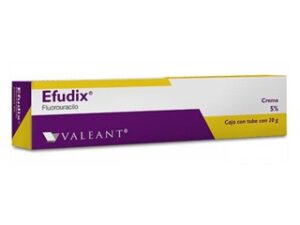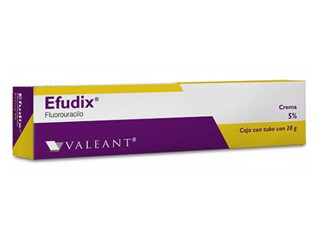
Efudex (Fluorouracil) Cream – Patient Information (UK)
Efudex is a medicine containing fluorouracil (also written as 5-fluorouracil or 5‑FU). It is used on the skin to treat certain conditions where abnormal or pre-cancerous cells are present, and in some cases for superficial skin cancers. In the UK, Efudex is typically supplied as a topical medicine (cream) and is used as part of a structured course of treatment.
This page explains how Efudex works, how it is used, what to expect, and key safety information. It is written in patient-friendly language and tailored for use in the United Kingdom.
Quick Facts
- Active ingredient: Fluorouracil
- Medicinal form: Topical cream (commonly referred to as “Efudex cream”)
- How it’s used: Applied to affected skin areas in short, controlled treatment courses
- What to expect: Gradual skin irritation and redness during treatment (this can be part of the expected effect)
- Common side effects: Redness, burning/stinging, swelling, soreness, crusting, and skin peeling
- Important note: Avoid eyes, lips, and inside the body. Use strict sun protection during and after treatment
What Efudex Is
Efudex (fluorouracil) is a topical anti-metabolite medicine. It works primarily on rapidly dividing cells. On the skin, it helps treat areas where abnormal growths have formed, including actinic keratoses (also called solar keratoses) and certain forms of superficial skin cancer.
Efudex is often chosen where there are small or multiple superficial lesions, or where a non-surgical approach is preferred. Your clinician will determine which lesions are suitable and how long treatment should last.
How Efudex Works (Mechanism of Action)
Fluorouracil is converted inside cells into active forms that interfere with the cell’s ability to make DNA and RNA.
In simple terms:
- It disrupts the formation of building blocks needed for cell growth and division.
- Cells that are dividing quickly—such as abnormal skin cells—are more affected.
- The result is reduced abnormal cell growth and eventual clearance of treated lesions.
Topical treatment also delivers the medicine directly to the affected area, limiting exposure elsewhere compared with some systemic therapies.
Pharmacokinetics (Absorption and Body Handling)
Because Efudex is applied to the skin, the amount absorbed through the skin is generally lower than with oral or injected forms.
- Absorption: Usually limited through intact skin; absorption can increase if the skin is inflamed or if applied to larger areas.
- Distribution: Once absorbed, fluorouracil distributes into body tissues and is processed by normal metabolic pathways.
- Metabolism: Fluorouracil is broken down in the body (including the liver).
- Elimination: Metabolites are primarily removed by the body via kidneys and other pathways.
Practical implication: Even though it is topical, large treated areas or prolonged application can increase absorption and side effects. This is one reason why treatment schedules and area limits matter.
Typical Uses and Indications
Efudex is used to treat certain skin lesions caused by sun damage or abnormal cell growth.
Common indications include:
- Actinic keratoses (pre-cancerous lesions caused by chronic sun exposure)
- Superficial forms of skin cancer where topical fluorouracil is an appropriate option (your clinician will specify the exact condition)
Selection depends on factors such as lesion type, thickness, location, number of lesions, immune status, and patient preference.
Dosing and Timing (What Patients Typically Do)
Efudex regimens vary depending on the condition being treated, the size of the area, and the strength of the product. Always follow the specific instructions you are given.
Typical principles of dosing:
- Apply a thin layer to the affected area (and sometimes a small margin around it, depending on the plan).
- Use at the scheduled frequency (often once or twice daily in many treatment regimens).
- Use for a set course duration, then stop as directed.
Timing during the course:
- Early phase (days 1–7): Mild redness or irritation may begin.
- Mid phase (days 7–21): Increasing redness, burning, swelling, crusting and peeling can occur.
- Late phase: Treated skin may become very inflamed or may form a raw/crusty surface. This may look dramatic but is often expected when the medicine is working.
- After stopping: Healing continues over weeks, with gradual re-growth of healthier skin.
Do not keep applying longer than the plan, even if the area is still inflamed. Continuing too long can increase the risk of severe reactions and scarring.
How to Use Efudex Cream (Practical Tips)
Proper application helps effectiveness and safety. The steps below are common guidance for topical Efudex products.
- Wash your hands before and after applying.
- Clean the area gently and let it dry.
- Apply a thin film of cream to the affected skin as instructed.
- Avoid sensitive areas: do not get it in or near eyes, nostrils, mouth, genital area, or open wounds unless specifically directed.
- Do not cover tightly (unless your clinician advises a dressing). Tight occlusion can increase absorption and reactions.
- Protect from the sun during treatment and for some time after (see below).
- Monitor reactions daily. Mild to moderate irritation is common; severe reactions require medical advice.
Skin care suggestions:
- Use gentle moisturisers on surrounding unaffected skin if advised.
- Wear loose clothing to reduce friction.
- Do not pick or peel crusts—let them shed naturally.
What You Can Expect During Treatment
Efudex commonly causes a predictable sequence of skin changes in the treated zone.
- Redness and burning/stinging: often increases over several days
- Swelling and soreness: may make the area tender
- Crusting and scaling: can occur
- Raw-looking surface: may develop at peak reaction
- Healing phase: new skin forms over time, though it can take weeks
When to seek advice promptly:
- Severe pain, rapidly spreading redness, blistering with intense burning
- Signs of infection (increasing warmth, pus, fever, or foul-smelling discharge)
- Eye symptoms (redness, pain, blurred vision) if product accidentally contacts the eye
- Extensive reactions beyond the targeted area
Food Interactions
Efudex is used on the skin and is not typically associated with meaningful food interactions.
Nevertheless: because severe skin inflammation can sometimes affect appetite or nutrition, maintaining good hydration and regular meals can support healing. If you notice appetite changes, choose easy-to-eat foods and drink fluids.
Practical advice: Avoid starting new supplements or herbal products on the treated area without checking first, especially if you are using multiple topical products.
Alcohol and Medicine Interactions
Alcohol: There is no well-established direct interaction between topical fluorouracil and alcohol. However, during treatment you may feel unwell, and alcohol can worsen dehydration or sleep. If you choose to drink alcohol, do so in moderation and stop if you feel light-headed or unusually unwell.
Other medicines: Tell your healthcare professional about all medicines you use, including:
- Other topical products applied to the same area (e.g., steroid creams, antiseptics, moisturisers)
- Medicines that affect the immune system (important for healing and infection risk)
- Any history of unusual reactions to chemotherapy-related drugs
Topical combinations: Avoid applying multiple active creams to the same treatment zone unless your clinician specifically instructs you to do so. This reduces the risk of irritation and makes it easier to judge Efudex’s response.
Radiation therapy or other local treatments: If you are undergoing other skin procedures, coordination is important to avoid excessive skin damage.
Safety Profile and Possible Side Effects
Common Side Effects
Side effects usually occur on the treated skin area and can intensify as treatment continues.
- Skin irritation (redness, burning, stinging)
- Swelling
- Dryness, scaling and peeling
- Crusting and formation of sores
- Discomfort or tenderness
- Changes in skin colour (temporary or longer-term)
Less Common but Important Risks
- Severe local reaction (very painful, blistering, widespread inflammation)
- Skin ulceration if treatment is too aggressive or continued too long
- Infection in damaged skin
- Allergic reaction (rare): itching, rash beyond the treated area, swelling
Systemic Effects (Uncommon with Topical Use)
Because absorption is usually limited, systemic side effects are uncommon. However, they may be more likely if large areas are treated, treatment is prolonged, or skin barrier is significantly damaged.
- Unusual fatigue or feeling generally unwell
- Nausea (more typical of systemic fluorouracil, but report if it occurs)
- Unusual bruising/bleeding (seek urgent advice)
Who Should Take Extra Care
Seek professional advice before use if any of the following apply:
- Pregnancy or planning pregnancy
- Breastfeeding
- Very extensive treatment areas or repeated courses
- Immunosuppression or conditions that impair healing
- History of significant skin sensitivity reactions
Important: This information is not a substitute for individual medical advice. If you have concerns about suitability, discuss them with a healthcare professional.
Practical Use Tips to Improve Comfort and Results
- Sun protection is essential: Treated skin is highly sensitive. Use protective clothing and, if advised, sunscreen on surrounding unaffected areas (avoid getting sunscreen mixed into the treatment zone unless directed).
- Don’t spread the cream: Keep the area clean and avoid transferring cream to other skin by washing hands thoroughly.
- Gentle barriers: If the cream spreads easily, a simple, non-occlusive dressing may be used only if your clinician recommends it.
- Manage pain: If irritation is intense, ask what pain relief is appropriate. Avoid applying additional creams unless recommended.
- Allow healing: After the course, give your skin time to recover. Avoid harsh scrubbing or exfoliation.
- Photos can help: For some patients, taking periodic photos helps track progress (don’t share photos publicly if you can avoid it).
Alternative Options for Actinic Keratoses and Superficial Lesions
Efudex is one of several treatments available. Alternatives may include:
- Cryotherapy (freezing): Often used for individual actinic keratoses
- Imiquimod cream: Another topical option that stimulates local immune response
- Photodynamic therapy (PDT): Uses a photosensitising agent and light
- Topical diclofenac: Anti-inflammatory topical therapy in some cases
- Surgical approaches: Excision or curettage for selected lesions
- Other topical treatments depending on local protocols and availability
The best choice depends on lesion number, size, location, thickness, cosmetic considerations, and how quickly you want treatment to work. Discuss options with a clinician, especially for large areas or multiple lesions.
UK Market and Legal/Regulatory Context
In the United Kingdom, medicines are regulated by the Medicines and Healthcare products Regulatory Agency (MHRA). Efudex (fluorouracil) is a pharmaceutical product subject to UK medicine supply and distribution rules, including pharmacy oversight.
Topical fluorouracil products may be categorised for supply under specific pharmacy regulations. Availability can vary by brand presentation, strength, and local supply chains. Online pharmacies in the UK must comply with applicable laws for selling medicines and providing appropriate patient information.
Recent guidance note (UK): Treatment of actinic keratoses and superficial skin cancers is routinely guided by dermatology and primary care recommendations, and by evolving clinical practice. Guidance often emphasises:
- Careful diagnosis (confirm lesion type when needed)
- Appropriate lesion selection for topical treatments
- Clear patient counselling on expected skin reactions and follow-up
- Strong sun protection to reduce recurrence
Always ensure your condition has been properly assessed and that follow-up is planned.
Delivery and Availability in the United Kingdom
Availability of Efudex can vary depending on pharmacy stock levels and product packaging formats. For online ordering in the UK, delivery typically follows standard postal or courier services with tracking depending on the provider.
- Dispatch times: Many UK pharmacies dispatch within 1–2 working days (varies by provider).
- Delivery time: Commonly 2–3 working days after dispatch for standard delivery.
- Packaging: Medicines are typically shipped in protective packaging to reduce damage.
Storage: Follow storage instructions on the product label (typically room temperature, protected from excessive heat and out of reach of children).
If you are unsure: Check the product label or ask the pharmacy for confirmation of supply and delivery estimates.
When to Contact a Healthcare Professional
Get advice if any of the following apply:
- Your reaction is much more severe than expected (e.g., rapid blistering, intense pain)
- The treated area shows signs of infection (worsening pain, pus, fever)
- You develop a widespread rash beyond the application site
- The lesion does not improve as expected or seems to worsen
- You have eye exposure or severe irritation after accidental contact
FAQ – Efudex (Fluorouracil) Cream
1) How long does Efudex treatment take?
Treatment duration varies by condition and regimen. Many courses last from a couple of weeks up to a few weeks, but your clinician’s plan is the key guide. The skin reaction often peaks during the middle-to-late part of the course, followed by a healing phase that can last several more weeks.
2) Is it normal for my skin to look very red and sore?
Moderate redness, burning, swelling, crusting, and peeling are commonly expected. However, extremely severe pain, blistering, or spreading reactions should be assessed promptly by a clinician.
3) Can I wash the area after applying the cream?
Follow the instructions provided with your regimen. In many cases, the area should remain as directed; avoid washing immediately after application unless your advice says otherwise. After the course, gently cleanse during the healing phase.
4) Will I be able to work or go outside?
Some irritation can start within days. Consider protective clothing, scheduling around the most inflamed days, and strict sun protection. People often find loose clothing and reducing friction helps comfort.
5) Can I use moisturiser during treatment?
Sometimes gentle moisturisers are recommended for surrounding unaffected skin, but avoid mixing other active products in the treated zone unless your clinician advises it. Ask what is suitable for your specific regimen.
6) What should I do if I forget a dose?
Do not apply extra cream to make up for missed applications. Follow your usual schedule as advised by your clinician or pharmacy guidance for the regimen you are using.
7) Can I use Efudex on my face?
Efudex may be used on certain facial or scalp conditions under specialist guidance. Facial skin reactions can be intense—care is needed to avoid eyes and to use careful application methods. Seek guidance for the correct method for your lesion location.
8) Is Efudex safe for everyone?
Not necessarily. Safety depends on your health, lesion location and size, previous treatment responses, immune status, and pregnancy/breastfeeding considerations. If you have any concerns, speak with a healthcare professional before starting.
9) Can I drink alcohol while using Efudex?
There is no established direct interaction with topical Efudex, but moderate use is sensible. If you feel unwell or dehydrated, consider limiting alcohol and focusing on hydration.
10) What happens after the course ends?
Your treated skin will usually continue to heal. New skin can take weeks to form, and temporary colour changes are possible. Follow-up is important if lesions persist or if new lesions develop.
Summary
Efudex (fluorouracil) is a topical anti-metabolite used to treat certain sun-damaged skin changes such as actinic keratoses and selected superficial skin cancers. It works by disrupting cell growth in rapidly dividing abnormal cells. The most noticeable effect is usually local skin irritation, which may peak during treatment and then gradually improve during healing.
If you have questions about suitability, expected reactions, or how to manage discomfort, consult a healthcare professional or your pharmacy. Skin reactions can be intense, but with correct application and appropriate precautions—especially strong sun protection—treatment can be effective and manageable.
| Topic | Key Points |
|---|---|
| Active ingredient | Fluorouracil (5‑FU) |
| Form | Topical cream |
| How it works | Interferes with DNA/RNA formation in rapidly dividing abnormal cells |
| Where it acts | Treated skin areas (absorption is usually limited but can increase with inflammation) |
| Typical use | Actinic keratoses; selected superficial skin cancers |
| What to expect | Redness, burning, swelling, crusting, peeling; healing over weeks after stopping |
| Sun safety | Very important during treatment and during healing |
| Seek help if | Severe reactions, infection signs, or eye exposure |